
Lawn armyworms can be a big problem for your garden. They eat grass and can ruin your lawn. But don’t worry! You can control them. Let’s learn how to keep your lawn healthy and free from armyworms.
What Are Lawn Armyworms?
Lawn armyworms are caterpillars. They grow into moths. These pests eat grass and plants. They can cause a lot of damage quickly. It’s important to control them before they spread.
Signs of Lawn Armyworms
How can you know if you have armyworms? Here are some signs:
- Brown patches on your lawn
- Grass that looks eaten or cut
- Small caterpillars on the grass
- Moths flying around your lawn
How to Check for Armyworms
To check for armyworms, you need to look closely at your lawn. Here is a simple way to check:
- Water a small part of your lawn.
- Wait for a few minutes.
- Look for small caterpillars coming to the surface.
Natural Ways to Control Lawn Armyworms
It’s best to use natural methods to control lawn armyworms. These methods are safe for your lawn and the environment. Here are some tips:
1. Birds
Birds love to eat armyworms. Attract birds to your garden by placing bird feeders. This way, they can help control the armyworm population.
2. Nematodes
Nematodes are tiny worms that eat armyworms. You can buy them at garden stores. Sprinkle them on your lawn to keep armyworms away.
3. Neem Oil
Neem oil is a natural pesticide. Mix it with water and spray it on your lawn. It will help keep armyworms away.
Chemical Ways to Control Lawn Armyworms
If natural methods don’t work, you can use chemicals. Always follow the instructions on the label. Here are some chemical options:
1. Insecticides
Insecticides can kill armyworms. Look for ones that are safe for lawns. Spray them on the affected areas.
2. Granular Pesticides
Granular pesticides are small pellets. Spread them on your lawn. Water the lawn to activate the pesticide.
Preventing Lawn Armyworms
Prevention is better than cure. Here are some ways to prevent lawn armyworms:
1. Maintain A Healthy Lawn
A healthy lawn is less likely to get armyworms. Water your lawn regularly. Mow the grass to the right height. Fertilize the lawn to keep it strong.
2. Remove Debris
Armyworms like to hide in debris. Remove leaves and grass clippings from your lawn. This will make it harder for armyworms to hide.
3. Use Beneficial Insects
Some insects eat armyworms. Ladybugs and lacewings are good examples. You can buy these insects and release them in your garden.
When to Call a Professional
Sometimes, armyworms can be hard to control. If you have tried everything and still have a problem, call a professional. They can help you get rid of the armyworms for good.
Frequently Asked Questions
What Are Lawn Armyworms?
Lawn armyworms are caterpillars that damage grass, leaving brown patches on lawns.
How Do I Identify Armyworms?
Look for greenish-brown caterpillars with stripes, usually active at night.
What Attracts Armyworms To Lawns?
Armyworms are attracted to lush, well-watered lawns and grassy areas.
When Do Armyworms Appear?
Armyworms typically appear in late summer and early fall.
Conclusion
Controlling lawn armyworms is important for a healthy garden. Use natural methods first. If needed, use chemicals. Always try to prevent armyworms by keeping your lawn healthy. If you need help, don’t hesitate to call a professional. Your lawn will thank you!
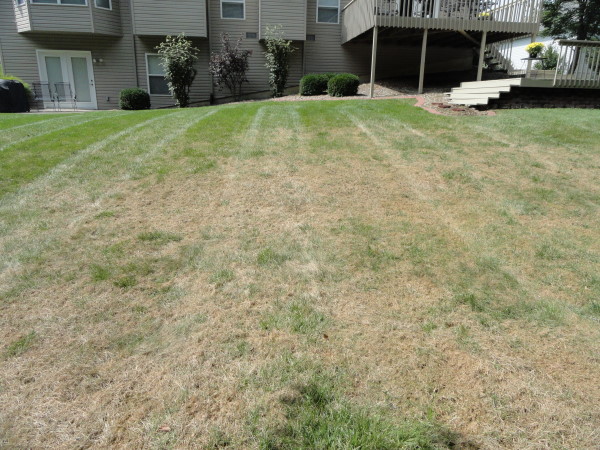
Credit: turfgator.com

Credit: www.youtube.com
FAQs
| Question | Answer |
|---|---|
| What do lawn armyworms look like? | They are small caterpillars that grow into moths. |
| Can armyworms destroy my lawn? | Yes, they can eat the grass and cause brown patches. |
| Are natural methods safe for my lawn? | Yes, natural methods are safe and effective. |
| When should I call a professional? | If you can’t control the armyworms yourself, call a professional. |