
Weeds can make your lawn look messy. They compete with grass for nutrients. Removing weeds is important for a healthy lawn. Here, we will talk about how to remove weeds from your lawn.
Why Weeds Are Bad
Weeds take nutrients from the soil. Grass needs these nutrients to grow. Weeds also compete for sunlight and water. This makes it hard for grass to thrive. Some weeds even release chemicals. These chemicals can stop grass from growing.
Credit: www.homedepot.com
Types of Weeds
There are many types of weeds. Here are some common ones:
- Dandelions
- Crabgrass
- Clover
- Thistles
Tools You Need
You will need some tools to remove weeds. Here are a few:
- Gloves
- Weed puller
- Garden fork
- Spade
- Bucket
Step-by-Step Guide
Follow these steps to remove weeds from your lawn:
Step 1: Identify The Weeds
First, identify the type of weeds in your lawn. This helps you choose the best way to remove them. You can use a book or the internet to identify weeds.
Step 2: Wear Gloves
Always wear gloves when handling weeds. Some weeds have thorns. Gloves protect your hands from getting hurt.
Step 3: Use A Weed Puller
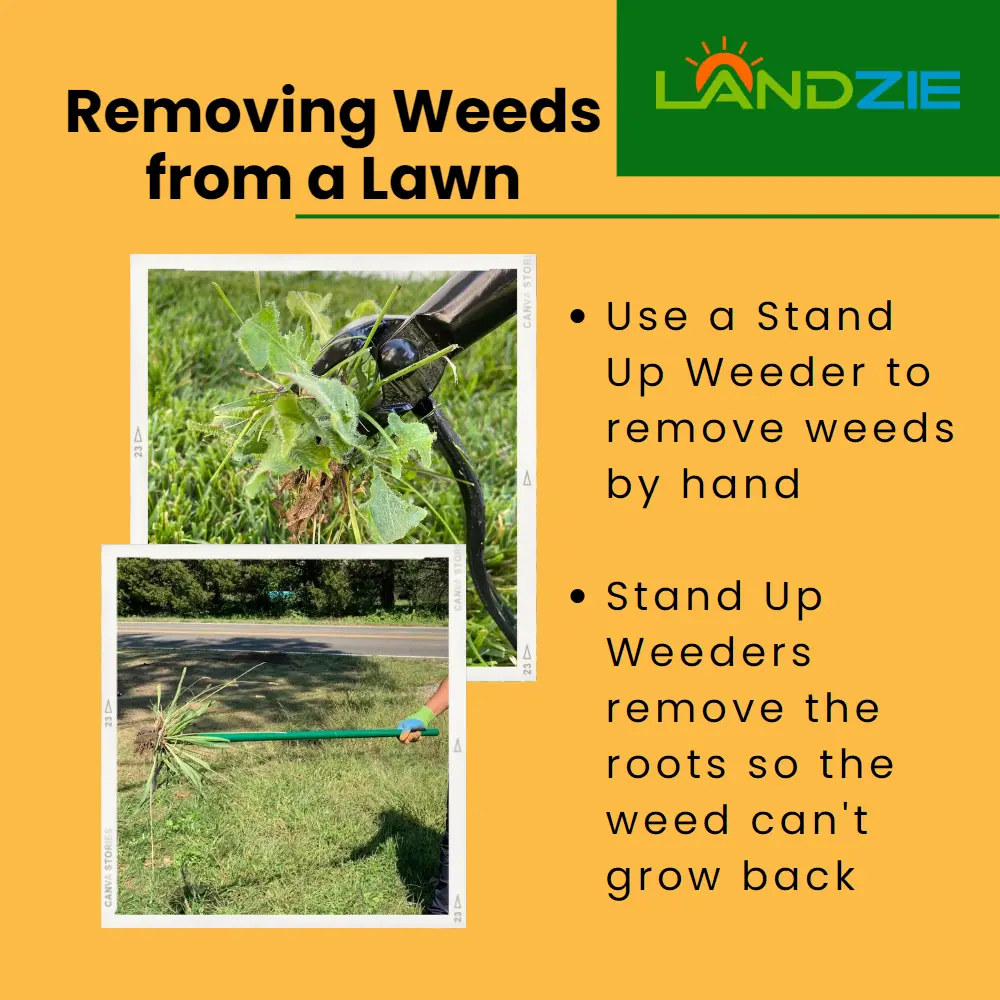
Use a weed puller for small weeds. Push the weed puller into the soil. Twist it to grab the weed. Pull the weed out by its roots. Place the weed in a bucket.
Step 4: Use A Garden Fork Or Spade
For larger weeds, use a garden fork or spade. Dig around the weed to loosen the soil. Pull the weed out by its roots. Be careful not to break the roots. Place the weed in a bucket.
Step 5: Dispose Of The Weeds
Dispose of the weeds properly. Do not leave them on the lawn. This can cause new weeds to grow. You can put weeds in a compost bin. If the weeds have seeds, throw them in the trash.
Preventing Weeds
It is easier to prevent weeds than to remove them. Here are some tips:
- Keep your grass healthy. Healthy grass can compete with weeds.
- Water your lawn regularly. Dry soil makes it easier for weeds to grow.
- Fertilize your lawn. This gives grass the nutrients it needs to grow.
- Mow your lawn regularly. This keeps weeds from getting too tall.
- Avoid over-watering. Too much water can help weeds grow.
Using Herbicides
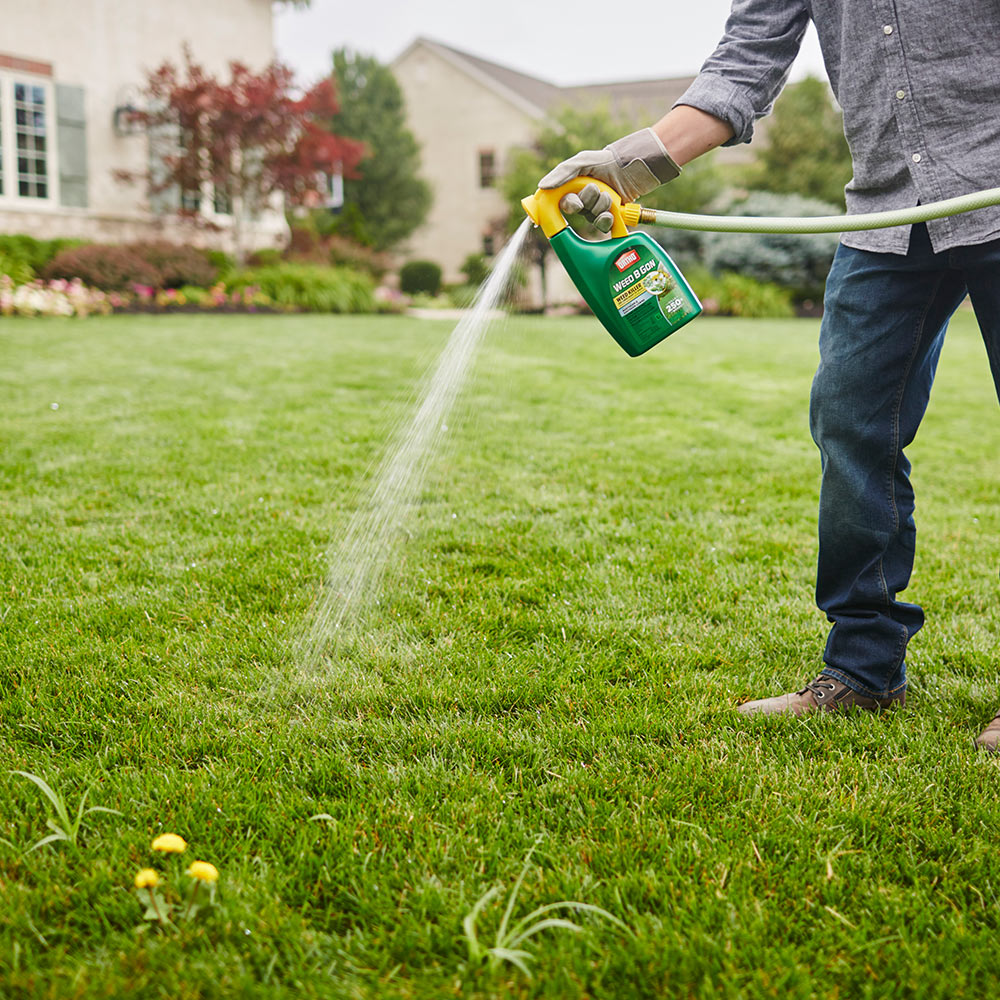
Sometimes, manual removal is not enough. You may need to use herbicides. Herbicides are chemicals that kill weeds. Here are some tips for using herbicides:
Choose The Right Herbicide
There are different types of herbicides. Some kill all plants. Others target specific weeds. Read the label to make sure you choose the right one.
Follow Instructions
Always follow the instructions on the label. This ensures you use the herbicide safely. Wear gloves and protective clothing. Keep children and pets away from treated areas.
Apply At The Right Time
Apply herbicides when weeds are actively growing. This is usually in the spring and fall. Avoid applying herbicides on windy days. This can cause the chemicals to spread.
Credit: landzie.com
Natural Weed Control Methods
If you prefer not to use chemicals, there are natural methods. Here are some options:
Mulching
Mulching helps prevent weeds. Spread a layer of mulch around plants. This blocks sunlight from reaching weed seeds.
Boiling Water
Pour boiling water on weeds. This kills them instantly. Be careful not to pour it on grass or other plants.
Vinegar
Vinegar can kill weeds. Fill a spray bottle with vinegar. Spray it directly on the weeds. Be careful not to spray it on grass or other plants.
Hand-pulling
Hand-pulling is effective for small weeds. Make sure to pull the weeds by the roots. This prevents them from growing back.
Frequently Asked Questions
How To Quickly Remove Weeds From Lawn?
Hand-pulling weeds is effective. Use a weeding tool for deeper roots.
Best Natural Methods To Remove Lawn Weeds?
Vinegar, boiling water, and corn gluten meal are great natural weed killers.
Can Vinegar Kill Lawn Weeds?
Yes, vinegar can effectively kill weeds. Apply it directly to the weed.
Is Boiling Water Effective On Lawn Weeds?
Yes, boiling water can kill weeds. Pour it directly on the weeds.
Conclusion
Removing weeds from your lawn is important. It keeps your lawn healthy and beautiful. Use the right tools and methods. Prevent weeds from growing in the first place. Follow these tips for a weed-free lawn.