
Snow mold is a common problem for lawns in winter. This guide will help you prevent snow mold easily. Keep your lawn healthy and beautiful all year round.
What is Snow Mold?
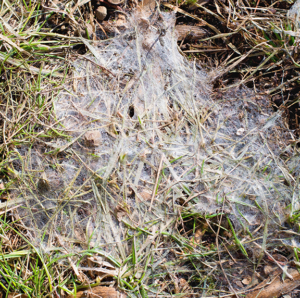
Snow mold is a type of fungus. It grows under snow during winter. When snow melts, you may see patches of mold on your lawn. There are two main types of snow mold:
- Gray Snow Mold: This mold is gray or white. It can spread widely but usually does not damage the grass roots.
- Pink Snow Mold: This mold is pink or reddish. It can damage the grass roots and is more harmful.
Credit: www.bestgreeningservices.com
Why is Snow Mold Bad for Your Lawn?
Snow mold can damage your lawn. It makes your grass weak and unhealthy. If not treated, it can kill patches of grass. This makes your lawn look ugly and unhealthy.
How to Prevent Snow Mold
Preventing snow mold is easier than treating it. Here are some simple steps to keep your lawn free from snow mold.
1. Mow Your Lawn Properly
Keep your lawn mowed properly. Do not let the grass grow too long before winter. Long grass can trap moisture and create a good environment for mold.
| Task | Details |
|---|---|
| Mow regularly | Keep grass short before winter |
2. Clean Up Debris
Remove any debris from your lawn before winter. This includes leaves, branches, and other yard waste. Debris can trap moisture and create a breeding ground for mold.
3. Aerate Your Lawn
Aerate your lawn before winter. This helps to improve air circulation in the soil. Good air circulation can prevent mold growth. You can use a lawn aerator for this task.
4. Avoid Excess Nitrogen
Do not use too much nitrogen fertilizer in the fall. Excess nitrogen can encourage mold growth. Use a balanced fertilizer instead.
5. Manage Snow Cover
Do not let snow pile up too high on your lawn. If possible, remove excess snow. This will reduce the chances of mold growth.
6. Use Fungicides
In some cases, you may need to use fungicides. Apply them before the first snowfall. Follow the instructions on the label carefully.
Steps to Treat Snow Mold
If you see snow mold in your lawn, don’t worry. You can treat it with these simple steps.
1. Rake The Affected Area
Use a rake to remove dead grass and mold. This helps the grass to breathe and recover.
2. Apply Fungicides
If the mold is severe, you may need to use a fungicide. Follow the instructions on the label.
3. Water And Fertilize
Water your lawn and apply a balanced fertilizer. This will help the grass to recover and grow strong.
Credit: www.bouldercreeklandscape.com
Frequently Asked Questions
What Causes Snow Mold In Lawns?
Snow mold occurs due to prolonged snow cover, creating a moist, cold environment ideal for fungal growth.
How To Identify Snow Mold?
Look for circular, straw-colored patches on your lawn, often appearing in early spring as snow melts.
Best Time To Treat Snow Mold?
Treat snow mold in early spring, once the snow has melted and the lawn is dry enough to work on.
Can Snow Mold Damage My Lawn?
Yes, snow mold can damage grass blades, leading to thinning and bare patches if not addressed promptly.
Conclusion
Preventing snow mold is simple with the right steps. Mow your lawn, clean up debris, and aerate the soil. Avoid excess nitrogen and manage snow cover. If needed, use fungicides. Follow these tips to keep your lawn healthy and beautiful all year round.