
Spring is the perfect time to care for your lawn. Follow this schedule to keep your grass green and healthy.
Week 1: Clean Up Your Lawn
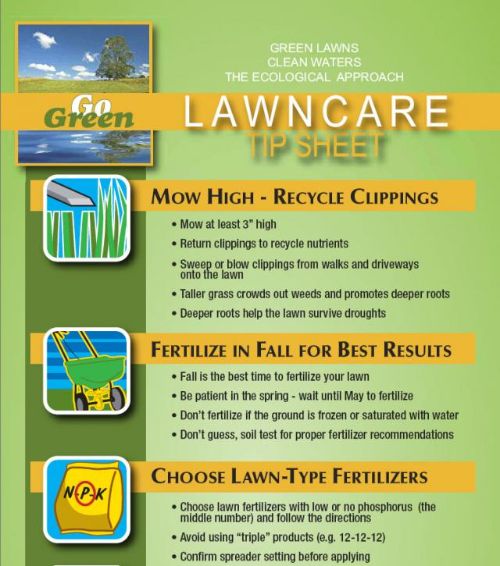
Start by cleaning up your lawn. Remove leaves, sticks, and other debris. This helps your grass grow better.
- Rake the leaves
- Pick up sticks and branches
- Clear any debris
Credit: www.canr.msu.edu
Week 2: Aerate Your Lawn
Aerating your lawn helps air and water reach the roots. This makes your grass stronger.
| Steps | Description |
|---|---|
| 1. Rent or buy an aerator | You can find these at garden stores. |
| 2. Aerate the lawn | Go over your lawn with the aerator. |
| 3. Water the lawn | After aerating, water your lawn well. |
Week 3: Fertilize Your Lawn
Fertilizing gives your lawn the nutrients it needs. This helps it grow thick and green.
- Choose a spring fertilizer
- Follow the instructions on the bag
- Spread the fertilizer evenly
Week 4: Seed Bare Spots
Look for bare spots in your lawn. These need extra care to fill in.
- Rake the bare spots
- Spread grass seed
- Cover with a thin layer of soil
- Water the spots well
Week 5: Mow Your Lawn
Mowing helps keep your lawn neat and healthy. Follow these steps for the best results.
- Set your mower to the right height
- Mow in different patterns
- Don’t cut more than one-third of the grass height
- Keep your mower blade sharp
Week 6: Control Weeds
Weeds can take over your lawn if you’re not careful. Use these tips to control them.
| Type of Weed | Control Method |
|---|---|
| Dandelions | Use a weed puller to remove them |
| Crabgrass | Apply a pre-emergent herbicide |
| Clover | Use a broadleaf herbicide |
Week 7: Water Your Lawn
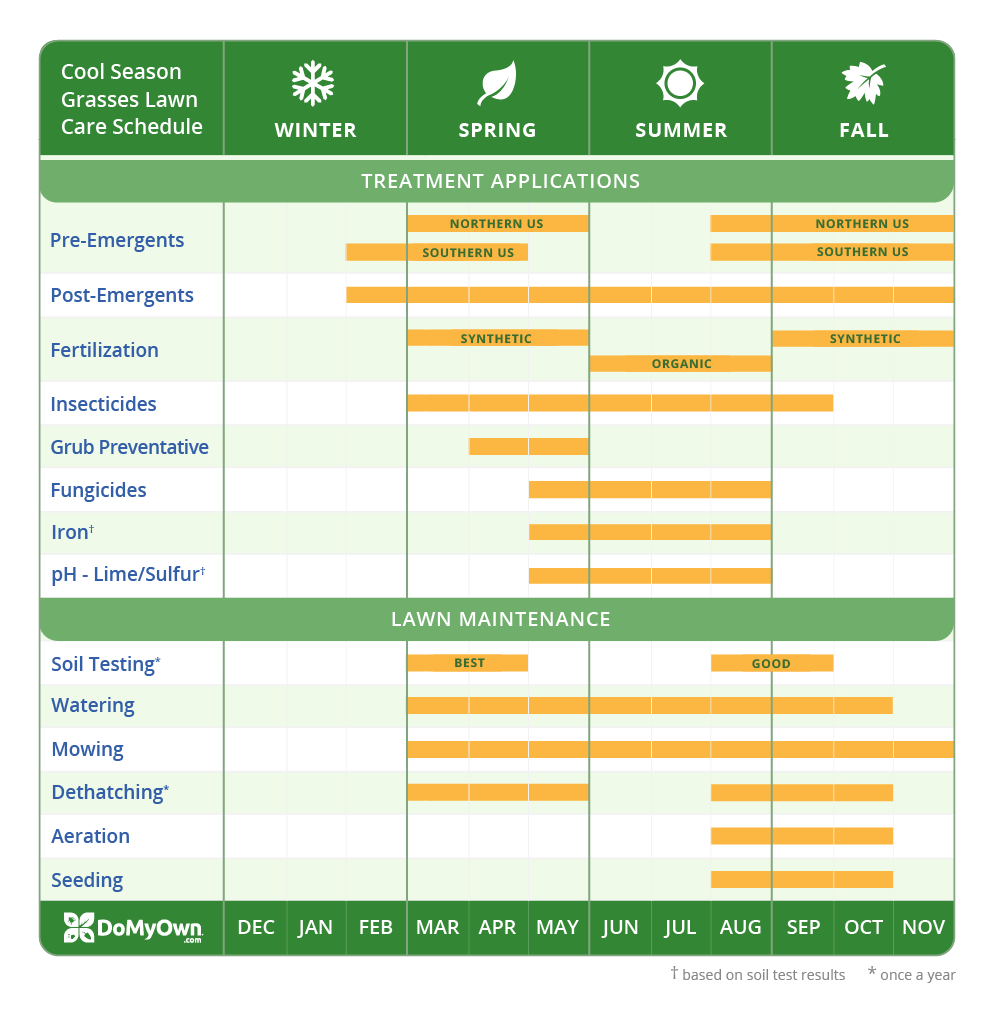
Watering is very important for a healthy lawn. Follow these tips to water correctly.
- Water early in the morning
- Water deeply, but not too often
- Use a sprinkler for even coverage
- Check the soil moisture
Credit: www.domyown.com
Week 8: Monitor for Pests
Pests can damage your lawn. Look out for these common pests and take action if needed.
| Pest | Signs | Control |
|---|---|---|
| Grubs | Brown patches of grass | Apply grub control products |
| Chinch bugs | Yellow spots on the lawn | Use insecticidal soap |
| Armyworms | Chewed grass blades | Apply lawn insecticide |
Week 9: Test Soil pH
Soil pH affects how well your grass grows. Test your soil to see if you need to adjust it.
- Buy a soil pH test kit
- Follow the instructions to test your soil
- If pH is too low, add lime
- If pH is too high, add sulfur
Week 10: Mulch Around Trees and Shrubs
Mulching helps keep your lawn neat. It also helps retain moisture in the soil.
- Buy mulch from a garden store
- Spread mulch around trees and shrubs
- Keep mulch away from tree trunks
- Apply mulch 2-3 inches deep
Week 11: Edge Your Lawn
Edging gives your lawn a clean look. It also helps keep grass from spreading to unwanted areas.
- Use a lawn edger or a spade
- Follow the edges of your lawn
- Remove any grass that spills over
Week 12: Inspect Irrigation System
Check your irrigation system to ensure it works properly. This helps you water your lawn efficiently.
| Task | Description |
|---|---|
| Check for leaks | Look for wet spots in your lawn |
| Test sprinkler heads | Make sure they are spraying correctly |
| Adjust timers | Set timers to water early in the morning |
Frequently Asked Questions
When Should I Start Spring Lawn Care?
Start spring lawn care when the soil temperature reaches 55°F. This is usually early to mid-April.
What Are Essential Spring Lawn Care Tasks?
Essential tasks include aerating, dethatching, fertilizing, mowing, and watering. These promote healthy grass growth.
How Often Should I Mow In Spring?
Mow your lawn once a week during spring. Ensure you don’t cut more than one-third of the grass height.
Should I Fertilize My Lawn In Spring?
Yes, fertilize your lawn in early spring. This provides essential nutrients for strong, healthy grass growth.
Conclusion
Following this spring lawn care schedule will help you maintain a beautiful lawn. Consistency is key. Happy gardening!