
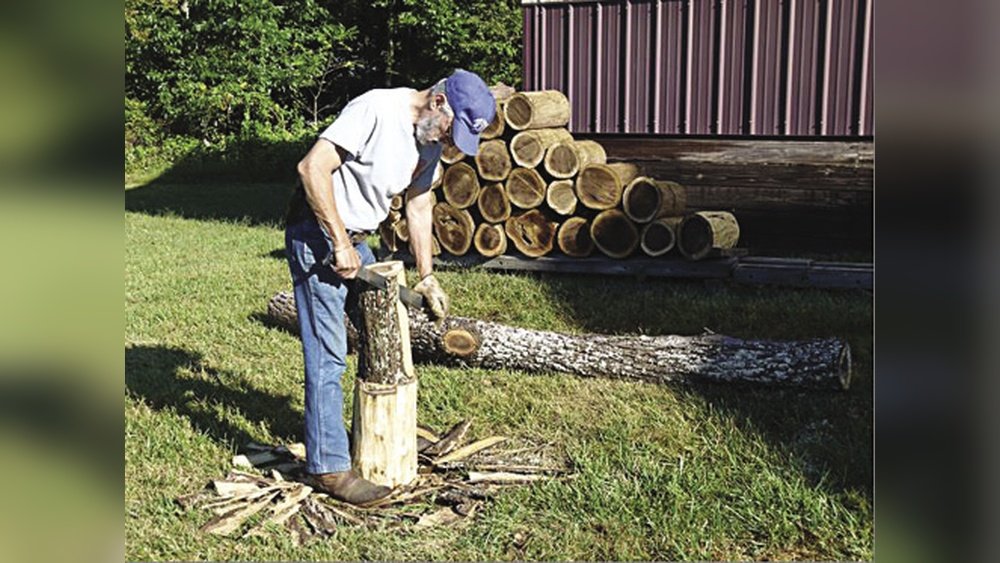
Cutting firewood with a chainsaw can save you time, energy, and money. But doing it safely and efficiently requires smart planning, the right equipment, and good technique. Many beginners make common mistakes that slow them down or put them at risk. Whether you’re preparing wood for winter, camping, or just learning how to use a chainsaw, this guide will help you cut firewood with confidence. You’ll learn not only the basics, but also practical tips that most people overlook. The goal: make your firewood cutting faster, safer, and easier, while keeping your chainsaw in top condition.
Choosing The Right Chainsaw For Firewood
Using the right chainsaw makes a huge difference. If your chainsaw is too small, it struggles with thick logs. If it’s too big, it’s heavy and tiring to use. Here’s how to choose:
Chainsaw Types
- Gas-powered chainsaws are powerful and cut thick wood fast, but they’re louder and need fuel. They can handle large amounts of firewood and are common for rural areas or anyone with a big woodpile to tackle. Gas chainsaws also work well in cold weather, where battery or electric models might struggle.
- Electric chainsaws are lighter, cleaner, and quieter. They work well for small logs but can struggle with hardwoods and thick trunks. Electric chainsaws require an extension cord and nearby power source, so they’re best for backyard jobs or small-scale firewood cutting.
- Battery-powered chainsaws are portable and easy to start, but their battery life limits long sessions. Modern batteries last longer than before, but you’ll likely need extra batteries if you plan to cut a lot of wood in one day. Battery chainsaws are popular for quick jobs and easy transport.
Chainsaw Size
Match the bar length to the size of wood you’ll cut. For most firewood, a 16–20 inch bar is ideal. If your wood is under 12 inches thick, a 14-inch bar can work. Longer bars are heavier and harder to control, especially for beginners. Shorter bars are safer but limit the thickness of logs you can cut.
Key Comparison
Here’s a quick look at how chainsaw types match firewood jobs:
| Type | Best For | Power | Weight | Noise |
|---|---|---|---|---|
| Gas | Thick hardwoods | High | Heavy | Loud |
| Electric | Small logs | Medium | Light | Quiet |
| Battery | Light-duty, short jobs | Low-Medium | Light | Quiet |
Extra Tips
- For beginners, a lighter chainsaw is easier to control. It reduces fatigue and lowers the chance of accidents. If you’re not strong, start with an electric or battery model.
- If you’re cutting hardwoods like oak or maple, choose more power. These woods are tough and slow down weak chainsaws quickly.
- Always check your chainsaw’s manual for recommended bar lengths and safety features. Some chainsaws have automatic chain brakes and vibration reduction, which can help you work longer and safer.
- Consider the climate and your location. In cold areas, gas chainsaws start easier. In hot climates, battery chainsaws can overheat, so plan accordingly.
Essential Safety Gear And Preparation
Chainsaws can be dangerous. Before you cut firewood, you need the right safety gear and setup.
Protective Equipment
Wear these every time:
- Safety goggles or a face shield to protect your eyes from wood chips, sawdust, and flying debris.
- Chainsaw helmet with ear protection to guard against loud noise and head injuries from falling branches.
- Cut-resistant gloves for better grip and to shield your hands from cuts and scrapes.
- Chainsaw chaps or pants, which are made of special fibers that jam the chain if it touches your leg.
- Steel-toed boots to protect your feet if logs or the chainsaw fall.
- Long sleeves and sturdy clothing to cover your arms and legs.
Even if you’re cutting just a few logs, wearing all the gear matters. Accidents happen fast and often without warning.
Safety Setup
- Clear your work area of rocks, pets, and people. Remove obstacles and check for hidden hazards like stumps or uneven ground.
- Make sure your chainsaw is sharp and properly oiled. A dull chain increases risk and slows work.
- Check fuel, chain tension, and brakes before starting. If anything is loose or broken, fix it first.
- Keep a first aid kit nearby. Include bandages, antiseptic, and instructions for treating cuts.
- Have a phone or radio for emergencies. Always know how to call for help.
Safety Stats
According to the CDC, over 36,000 chainsaw injuries happen in the US each year. Most are preventable with proper gear and careful planning. These injuries often happen to hands, legs, and face—so the right protection is critical.
Extra Insight
Many beginners skip chaps, thinking jeans are enough. But jeans won’t stop a fast-moving chain. Chainsaw chaps can save your leg from serious injury. Also, if you wear prescription glasses, make sure your goggles fit comfortably over them, or use a full-face shield.

Credit: www.youtube.com
Preparing Firewood And Logs
Good firewood starts with the right logs. How you prepare them affects how easy and safe your cutting will be.
Picking The Right Wood
- Hardwoods (oak, maple, hickory) burn longer and hotter. They’re best for heating. They create less creosote in chimneys and produce steady heat.
- Softwoods (pine, fir, spruce) burn fast and are good for kindling. Softwoods are easier to cut and split but can create more smoke and sparks.
Some woods, like cherry or apple, add pleasant aroma and flavor if used for smoking food. Avoid woods like cedar or treated lumber—they can be toxic or burn poorly.
Log Size
Aim for logs that fit your fireplace, stove, or campfire. Most firewood is cut into 16-inch lengths, but check your stove or fire pit for best fit. If your fireplace is small, cut logs shorter—about 12 inches.
Seasoning
Fresh wood (called green wood) has moisture. It needs to dry or “season” before burning. Cut logs and split them so they dry faster. Seasoned wood has cracks and is lighter in color. Burning green wood creates smoke, less heat, and more creosote.
A non-obvious tip: Split wood dries much faster than round logs. If you have time, split your firewood as soon as it’s cut.
Setting Up
- Stack logs off the ground to keep them dry. Use bricks, pallets, or racks.
- Use a sawhorse or log cradle for stability. This helps prevent logs from rolling and lets you cut more safely.
- Avoid cutting on wet, muddy, or uneven surfaces. Slippery ground increases accidents and can make logs move unpredictably.
Mistake To Avoid
Don’t cut wood directly on the ground. It dulls your chain fast and increases the chance of hitting rocks or dirt. Always lift logs before cutting, even if it takes extra time.
Chainsaw Maintenance For Firewood Cutting
A well-maintained chainsaw cuts better and lasts longer. Ignoring basic care can lead to slow cutting, dangerous kickbacks, and expensive repairs.
Key Maintenance Tasks
- Sharpen the chain regularly—after every few hours of use. Use a file or a chain sharpener. Sharp teeth make cleaner cuts and reduce strain.
- Check chain tension. A loose chain can jump off; a tight chain can damage the bar. If the chain is too loose, it won’t cut well and can be dangerous.
- Clean air filters. Dust and wood chips clog filters and reduce power. Dirty filters can cause the engine to stall or smoke.
- Oil the bar and chain. Without oil, friction can cause the chain to break. Most chainsaws have an automatic oiler, but check it often.
- Inspect the spark plug and replace as needed. A bad spark plug makes starting hard and reduces power.
Maintenance Table
Here’s a quick schedule for chainsaw upkeep:
| Task | Frequency | Why It Matters |
|---|---|---|
| Sharpen Chain | Every 2-3 hours | Faster, safer cutting |
| Check Tension | Before each use | Prevent chain slip |
| Clean Air Filter | Weekly | Maintain power |
| Oil Bar/Chain | Every use | Reduce wear |
| Replace Spark Plug | Annually | Reliable starting |
Extra Insight
Many people forget to clean their chainsaw after each use. Wood chips and sap can build up quickly and cause problems. A quick wipe-down keeps your tool running smoothly. Also, check the chain brake and handles for cracks or damage.
Small repairs now can prevent big issues later.
How To Cut Firewood With A Chainsaw: Step-by-step
Cutting firewood is more than just slicing logs. It involves smart technique and planning. Here’s a simple, effective process:
1. Plan Your Cuts
Decide how long you want each piece. Mark logs with chalk or a tape measure to keep sizes consistent. Uniform pieces stack better and dry more evenly.
If you’re working with a large log, plan for the natural bends and knots. Avoid cutting through knots if possible—they’re hard and can cause kickback.
2. Set Up Your Work Area
Place logs on a stable surface, like a sawhorse. Stand to the side, not directly behind the chainsaw. Always have a clear escape path in case the log rolls or shifts.
If you’re working on uneven ground, take extra time to level your area. It’s safer and lets you work longer without getting tired.
3. Start Your Chainsaw Safely
Place your chainsaw on the ground. Hold the handle firmly. Step on the rear handle and pull the starter cord. Never start a chainsaw in mid-air.
If you have an electric or battery chainsaw, follow the manufacturer’s instructions. Double-check safety switches before starting.
4. Make The Cuts
- Hold the chainsaw with both hands.
- Start at one end of the log.
- Let the chain do the work—don’t force it.
- Cut straight down, keeping the chain perpendicular to the log.
- Watch for kickback and keep your body clear.
If the log is thick, cut halfway through, then roll it and finish the cut. This reduces the chance of binding and keeps your chain sharp.
5. Repeat And Stack
Move along the log, cutting at each mark. Stack finished pieces in a dry place. If possible, stack them loosely with gaps to allow air flow.
Common Mistakes
- Forcing the chainsaw—let it cut at its own pace. Forcing wastes energy and wears out the chain.
- Cutting with a dull chain—this is tiring and unsafe. Sharpen often and bring extra files.
- Ignoring kickback zone—always know where the tip of your bar is. If the tip hits wood, the chain can jump back toward you.
Practical Example
If you’re cutting a 6-foot log and want 16-inch pieces, use a tape measure to mark every 16 inches. This keeps your firewood uniform and easy to stack. For campfire wood, you might cut smaller pieces—8–10 inches—for easier lighting.
Chainsaw Cutting Techniques For Firewood
Different logs and situations need different techniques. Knowing these helps you cut faster and safer.
Cross-cutting
This is the basic method for firewood. Cut across the grain to make short, manageable logs. Cross-cutting is simple, but always watch for the log shifting as you cut.
Bucking
Bucking means cutting a fallen tree into sections. Start at the base and work your way up. Keep your chainsaw level and watch for log movement.
If the tree is on a slope, secure it with wedges or blocks before bucking. This prevents rolling and makes cutting safer.
Limbing
Remove branches from a fallen tree before cutting logs. Cut from the underside for heavy branches, and keep your chainsaw away from your body. If a branch is under tension, it can snap back suddenly—cut carefully and stand clear.
Splitting
After cutting logs, split them with an axe or log splitter. Smaller pieces dry faster and burn better. If you have a mechanical splitter, follow the safety instructions.
Technique Table
Here’s a comparison of firewood cutting techniques:
| Technique | Purpose | When to Use |
|---|---|---|
| Cross-cutting | Cut logs to length | Every firewood session |
| Bucking | Section large trees | After felling |
| Limbing | Remove branches | Before bucking |
| Splitting | Break logs into smaller pieces | After cutting |
Extra Insight
If you’re cutting on a slope, always stand uphill from the log. This reduces the risk of the log rolling toward you. Also, when bucking, avoid standing directly over the log—you’ll have better balance and control from the side.
Advanced Tips For Efficient Firewood Cutting
Once you master the basics, small changes can make cutting firewood easier and quicker.
1. Cut In Batches
Group logs by size and cut several at once. This saves time and reduces fatigue. If possible, stack logs for cutting and move them in batches.
2. Use A Felling Wedge
For thicker logs, a felling wedge keeps your cut open and prevents your chainsaw from pinching. Place the wedge in the cut and tap it gently.
3. Keep Your Chain Sharp
A sharp chain cuts faster and is safer. Many pros sharpen their chain every hour for best performance. Bring extra files or a portable sharpener.
4. Alternate Cutting Angles
If your log is thick, cut halfway from one side, then finish from the other. This avoids binding the chain. It also makes for smoother cuts and less strain.
5. Stack Smart
Stack firewood with air gaps so it dries faster. Wet wood burns poorly and creates more smoke. Stack in rows with the ends facing the wind.
6. Watch Weather
Cutting firewood in dry weather is safer and easier. Wet logs are slippery and heavy. Plan your cutting for sunny days.
7. Rest Often
Chainsaw work is tiring. Take breaks to avoid mistakes and injuries. Drink water and stretch your arms and back.
Extra Insight
Most people cut all logs to the same length. But mixing sizes can help start fires faster and keep them burning longer. Small pieces are great for kindling, while larger logs burn steady.
Geo-friendly Chainsaw Firewood Cutting
Firewood needs and techniques vary by region. What works in the Pacific Northwest may not suit the South or Midwest.
Regional Differences
- Cold climates: Use hardwoods like oak, ash, or beech for longer heat. These woods hold heat and burn slowly.
- Warm climates: Softwoods dry faster and are easier to cut. Pine and fir are common in southern areas.
- Mountain areas: Watch for altitude—chainsaws lose power at high elevation. Gas chainsaws handle altitude better than electric or battery models.
Local Laws
Many states have rules about cutting firewood. You may need a permit to cut wood on public land. Always check with local forestry offices. Some regions limit cutting to certain seasons or areas.
Eco-friendly Practices
- Cut only dead or downed wood. Live trees support wildlife and soil.
- Leave some logs for wildlife. Birds, insects, and small mammals use logs for shelter.
- Avoid cutting near streams or wetlands. These areas are sensitive and important for water quality.
Extra Insight
Some regions have invasive pests (like the emerald ash borer) that affect firewood. Don’t move firewood across state lines to prevent spreading diseases. Check your local forestry office for updates and guidelines.

Credit: www.russelltreeexperts.com
Chainsaw Safety Tips For Firewood Cutting
Safety is more than gear—it’s about habits and awareness.
1. Know Kickback Zones
The tip of your chainsaw bar is the most dangerous spot. Avoid letting it touch wood unexpectedly. Kickback happens fast and can cause serious injury.
2. Use Chain Brake
Engage the chain brake when starting, stopping, or moving between cuts. The chain brake stops the chain instantly and adds an extra layer of safety.
3. Never Cut Alone
Work with a partner or let someone know where you are. If you must work alone, check in regularly and keep your phone nearby.
4. Stay Alert
Fatigue and distraction cause most accidents. Rest often and don’t rush. Take breaks if you feel tired or lose focus.
5. Keep Children And Pets Away
Chainsaw work is loud and unpredictable. Keep others at a safe distance. Teach children about chainsaw safety even if they aren’t working with you.
6. Check For Hazards
Look for nails, wire, or rocks in logs. These damage your chain and can cause kickback. If you’re cutting reclaimed wood, check for screws or metal.
Extra Insight
Many injuries happen during cleanup, not cutting. Turn off your chainsaw before moving logs or clearing debris. Never carry a running chainsaw, and always store it safely when done.
Firewood Storage And Drying Tips
Storing firewood correctly keeps it dry and ready to burn. Wet wood is hard to light and produces less heat.
Best Storage Practices
- Stack wood off the ground—use pallets or racks to prevent moisture.
- Cover the top with a tarp, but leave sides open for air flow. This keeps rain off but allows drying.
- Keep stacks away from your house to avoid pests. Termites and rodents love firewood.
- Split wood dries faster than whole logs. If you have the time, split before stacking.
If you live in a rainy area, build a small shelter or use a woodshed. Good airflow is more important than complete coverage.
Drying Time
Most hardwoods need 6–12 months to season. Softwoods dry in 3–6 months. Check wood for cracks and color changes to see if it’s ready.
Storage Mistakes
- Don’t stack wood against walls—it traps moisture and slows drying.
- Don’t cover the whole stack with plastic—it stops air flow and can cause mold.
Extra Insight
Seasoned wood sounds hollow when hit and has visible cracks. Green wood is heavier and feels damp. If you’re unsure, buy a moisture meter to check your firewood before burning.
Environmental Impact And Best Practices
Cutting firewood can affect forests, wildlife, and air quality. Responsible practices help protect nature.
Sustainable Cutting
- Cut only what you need. Don’t over-harvest or waste wood.
- Use local wood to reduce transport emissions. Local wood supports your community and lowers your carbon footprint.
- Leave some dead wood for insects and birds. Healthy forests have a mix of live and dead trees.
Clean Burning
Burn only seasoned wood. Wet wood creates more smoke and pollution. Avoid burning treated or painted wood—these release harmful chemicals.
Regional Regulations
Check your local laws for firewood cutting, transport, and burning. Some areas have restrictions during dry seasons to prevent wildfires. You may need a permit for large fires or outdoor burning.
Extra Insight
Using a chainsaw with low-emission engines reduces pollution. Many new models are more eco-friendly. If you’re buying a new chainsaw, look for one with EPA certification.
Frequently Asked Questions
How Do I Know If My Chainsaw Chain Needs Sharpening?
If your chainsaw produces fine sawdust instead of wood chips, or you need to force the cut, your chain is dull. Sharpen it for faster, safer cutting. A sharp chain pulls itself through wood with little effort.
What Size Chainsaw Is Best For Firewood?
A 16–20 inch bar is ideal for most firewood jobs. For small logs, a 14-inch bar works well. Choose more power for hardwoods and thick logs. If you’re unsure, visit a dealer and test different models.
Can I Cut Firewood In The Rain?
It’s possible, but not recommended. Wet logs are slippery and heavy. Chainsaws can also malfunction in wet conditions. Wait for dry weather for safer cutting. If you must cut in rain, wear extra grip gloves and waterproof boots.
How Long Should Firewood Dry Before Burning?
Firewood needs 6–12 months to season properly. Split wood and stack it with good airflow for faster drying. Use a moisture meter to check—wood should be below 20% moisture.
Is It Safe To Cut Firewood Alone?
It’s risky. Always let someone know where you are, or work with a partner. Have a phone or radio for emergencies. Even experienced cutters can have accidents.
—
With the right chainsaw, safety gear, and smart technique, cutting firewood can be efficient and rewarding. Take time to prepare your logs, maintain your chainsaw, and follow safety steps. Even small changes—like marking your cuts, stacking wood properly, or sharpening your chain—can make a big difference.
Remember to follow local regulations and eco-friendly practices to protect your land and wildlife. Whether you’re a beginner or experienced, use these chainsaw firewood cutting tips to get the job done safely and easily.
For more in-depth information about chainsaw safety and firewood preparation, visit US Forest Service.

Credit: www.youtube.com