
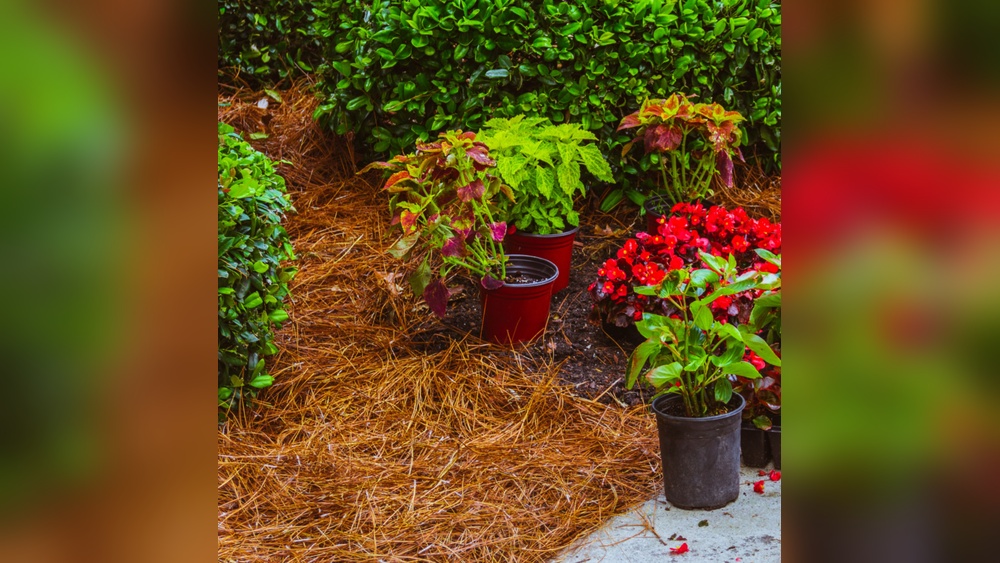
Are you looking for a natural, affordable way to keep your garden healthy and thriving? Using pine needles as garden mulch might be the simple solution you need.
Not only do pine needles help retain moisture and control weeds, but they also improve your soil’s quality over time. If you’ve wondered whether pine needles are right for your garden or how to use them effectively, this guide will walk you through everything you need to know.
Keep reading to discover how to turn these often-overlooked natural materials into a powerful tool for your garden’s success.
Benefits Of Pine Needle Mulch
Pine needle mulch offers many benefits for garden health and plant growth. It is a natural, lightweight material that helps protect your soil. Using pine needles as mulch improves garden conditions in several ways. This section explains the main benefits you gain from pine needle mulch.
Soil Moisture Retention
Pine needle mulch holds moisture in the soil for longer. It reduces water evaporation from the soil surface. This keeps roots hydrated during dry periods. Less frequent watering is needed. The mulch also helps water soak into the soil evenly.
Weed Suppression
Thick layers of pine needles block sunlight from reaching weed seeds. This stops many weeds from growing. With fewer weeds, your plants face less competition for nutrients. You spend less time weeding and more time enjoying your garden.
Soil Temperature Regulation
Pine needles act as a natural insulator for soil. They keep the ground cooler in hot weather. In cold weather, they help keep soil warmer. This temperature balance protects roots from extreme heat or cold. Plants grow better in stable conditions.
Organic Matter Addition
As pine needles break down, they add organic matter to the soil. This improves soil structure and fertility. The organic matter feeds beneficial soil organisms. Over time, soil becomes richer and healthier. Your garden plants grow strong and vibrant.

Credit: greengardeningmatters.blogspot.com
Choosing The Right Pine Needles
Choosing the right pine needles is key to effective garden mulch. The type and condition of needles affect soil health and plant growth. Not all pine needles work the same. Selecting the proper needles ensures better moisture retention and weed control. Let’s explore how to pick the best pine needles for your garden mulch.
Fresh Vs Aged Needles
Fresh pine needles are bright and green. They break down faster but may tie up nitrogen temporarily. Aged needles are brown and dry. They decompose slowly and improve soil structure over time. For mulch, aged needles usually work better. They stay intact longer and reduce soil erosion. Avoid using very fresh needles alone. Mixing fresh and aged needles can balance nutrient release.
Needle Size And Quality
Needle length varies by pine species. Longer needles create a thicker mulch layer that holds moisture well. Shorter needles offer less coverage but break down faster. Look for clean needles without mold or pests. Avoid needles mixed with sticks or cones. High-quality pine needles form an even, attractive mulch layer. Clean and dry needles reduce the chance of fungal problems in your garden.
Sourcing Pine Needles
Collect pine needles from healthy trees away from roads and pollution. Avoid needles treated with chemicals or near industrial areas. Many garden centers sell pine straw bales that are ready to use. You can also gather needles from your yard during seasonal cleanups. Store needles in a dry place to keep them fresh. Proper sourcing ensures your mulch supports plant health and garden beauty.
Preparing Pine Needles For Mulch
Preparing pine needles for mulch makes your garden healthier and cleaner. Proper preparation helps pine needles break down well and protect soil. This step ensures mulch works better for plants and keeps weeds away.
Cleaning And Drying
Collect fresh pine needles from the ground or trees. Spread them out in a dry place with good air flow. Let them dry completely to avoid mold and rot. Dry needles last longer and keep mulch fresh.
Removing Debris
Pick out sticks, pine cones, and leaves mixed with needles. Debris can block water and air from reaching the soil. Use your hands or a rake to separate clean pine needles. Clean mulch looks neat and works better.
Avoiding Contaminants
Check for dirt, chemicals, or trash mixed with needles. Contaminants can harm plants and soil life. Only use pine needles from safe areas away from roads or sprayed plants. Clean, natural needles improve garden health.

Credit: www.youtube.com
Applying Pine Needle Mulch
Applying pine needle mulch helps protect plants and improve soil health. Pine needles create a natural barrier that retains moisture and reduces weed growth. They also slowly break down, adding nutrients to the soil. Proper application ensures your garden benefits fully from pine needle mulch.
Recommended Mulch Depth
Apply pine needle mulch in a layer about 2 to 3 inches thick. This depth retains moisture without suffocating plant roots. Too thin a layer won’t control weeds well. Too thick a layer can prevent water from reaching the soil. Keep the mulch evenly spread for best results.
Mulching Around Different Plants
Keep mulch a few inches away from plant stems and trunks. This prevents rot and pest problems. For young plants, use a thinner layer to avoid overheating roots. Around shrubs and trees, a thicker layer works well to conserve moisture. Adjust depth based on plant type and size.
Layering Techniques
Start by clearing weeds and debris from the area. Lay pine needles evenly in a loose, airy layer. Avoid compacting the needles, as this reduces airflow. Add fresh pine needles each season to maintain mulch thickness. This layering helps keep soil healthy and supports plant growth.
Impact On Soil Ph
Using pine needles as garden mulch can affect the soil’s pH, changing its acidity. This change plays a key role in plant health and soil quality. Understanding how pine needles impact soil pH helps gardeners make better choices for their plants.
Acidic Nature Of Pine Needles
Pine needles are naturally acidic. When they break down, they release acids into the soil. This process can lower the soil’s pH, making it more acidic over time. The acidity level depends on how thick the mulch layer is and how often it is replaced.
Acidic soil affects nutrient availability. Some nutrients become easier for plants to absorb, while others may become less accessible. This change influences which plants will thrive in mulched areas.
Plants That Thrive With Acidic Mulch
Certain plants prefer acidic soil and benefit from pine needle mulch. Examples include azaleas, rhododendrons, blueberries, and camellias. These plants absorb nutrients better in a lower pH environment.
Using pine needles can boost the growth of acid-loving plants. It also helps keep weeds down and retains moisture, creating a healthier garden environment for these species.
Managing Soil Ph Levels
Check your soil pH regularly when using pine needle mulch. Soil test kits are easy to use and give quick results. If the soil becomes too acidic, add lime to raise the pH.
Mixing pine needles with other types of mulch can balance soil acidity. This approach supports a wider range of plants and prevents extreme pH changes. Adjust mulch depth and replacement frequency to control acidity levels.
Maintenance And Longevity
Using pine needles as garden mulch offers natural benefits like moisture retention and weed control. Understanding how to maintain pine needle mulch helps keep your garden healthy longer. Proper care ensures the mulch lasts well and continues to protect your plants. This section covers how long pine needle mulch lasts, when to refresh it, and how to know if it needs replacement.
How Long Pine Needle Mulch Lasts
Pine needle mulch breaks down slower than many other mulches. It typically lasts about one year in the garden. Weather conditions can affect its longevity. In dry climates, it may last longer without decomposing. Rain and wind can cause it to break down faster. Regular inspection helps track its condition over time.
When To Refresh Mulch
Refreshing pine needle mulch keeps your garden bed healthy and neat. Add a new layer each spring to maintain about 2 to 3 inches thickness. If mulch looks thin or patchy, it’s time to add more. Refresh mulch after heavy rains or strong winds to replace what has washed or blown away. Keeping a fresh layer helps control weeds and conserve soil moisture.
Signs Mulch Needs Replacement
Look for these signs to know when to replace pine needle mulch:
- Mulch looks faded or broken down into soil.
- Weeds start growing through the mulch layer.
- Soil beneath the mulch dries out quickly.
- Mulch layer is less than 1 inch thick.
Replacing mulch at the right time supports plant health and garden beauty. Regular care extends the benefits of pine needle mulch in your garden.
Common Myths About Pine Needle Mulch
Pine needle mulch is popular among gardeners but surrounded by many myths. These myths can stop people from using pine needles effectively in their gardens. Understanding the truth helps gardeners make better choices.
Here are some common myths about pine needle mulch and the facts behind them.
Myth: Pine Needles Harm Soil
Some believe pine needles make soil too acidic. In truth, pine needles break down slowly and only slightly lower soil pH. Most garden plants tolerate this mild acidity well. Pine needle mulch also improves soil structure and water retention. It does not harm soil health.
Myth: Pine Needles Prevent Plant Growth
People often think pine needles block water and air from reaching roots. Pine needles create a light, airy mulch layer. This layer helps retain moisture and keeps weeds down. Plants grow well under pine needle mulch because it lets water and air pass through easily.
Myth: Pine Needles Attract Pests
Some say pine needles attract pests like insects and rodents. Actually, pine needles are natural and do not attract harmful pests. Their sharp shape can even discourage some animals. Pine needle mulch is safe and pest-friendly for garden use.
Plants That Benefit Most
Pine needles make an excellent mulch choice for many garden plants. Their natural acidity and slow decomposition help improve soil quality. This mulch retains moisture and prevents weeds. Some plants thrive better with pine needle mulch due to their soil preferences. Below are plants that benefit most from using pine needles in garden mulch.
Acid-loving Plants
Acid-loving plants enjoy the slightly acidic soil that pine needles create. Azaleas, rhododendrons, and camellias grow well with this mulch. The pine needles help maintain the right pH balance for these plants. This mulch also protects roots from extreme temperatures. It keeps soil moist, reducing water stress for acid-loving plants.
Flowering Perennials
Many flowering perennials benefit from pine needle mulch. Plants like hostas, lilies, and coneflowers perform better with it. The mulch prevents soil compaction and improves aeration around roots. It also reduces weed growth, giving flowers more space to grow. Pine needles slowly add organic matter, enriching the soil for perennials.
Vegetables And Herbs
Some vegetables and herbs thrive with pine needle mulch. It works well for crops like tomatoes, peppers, and beans. Herbs such as rosemary and thyme also benefit from this mulch. Pine needles keep soil temperature stable and retain moisture. They reduce soil splash, which helps prevent disease on leafy vegetables and herbs.
Combining Pine Needles With Other Mulches
Combining pine needles with other mulches creates a balanced and effective garden cover. Each mulch type has unique benefits that support plant health. Mixing or layering mulches improves moisture retention, soil nutrition, and weed control. Using pine needles alongside other materials also enhances the garden’s appearance and texture.
Mixing With Compost
Mix pine needles with compost to enrich soil nutrients. Compost adds organic matter and beneficial microbes. Pine needles improve soil aeration and drainage. This combination supports healthy root growth and helps plants absorb nutrients. Spread a thin layer of compost first. Then mix in pine needles evenly for best results.
Layering With Wood Chips
Layer pine needles over wood chips to create a durable mulch cover. Wood chips break down slowly and provide long-lasting protection. Pine needles add a softer texture and help keep soil cool. Apply wood chips as the base layer. Add a 2-3 inch layer of pine needles on top. This prevents soil erosion and keeps moisture in the ground.
Using With Grass Clippings
Use pine needles with grass clippings to balance moisture and nutrients. Grass clippings decompose quickly and supply nitrogen to plants. Pine needles slow down moisture loss and improve soil structure. Spread fresh grass clippings first in a thin layer. Cover with pine needles to avoid matting and odors. This mix supports healthy soil and reduces waste.

Credit: www.reddit.com
Frequently Asked Questions
What Are The Disadvantages Of Pine Needles In Mulch?
Pine needles lower soil pH, which may harm plants needing neutral soil. They decompose slowly and can create a fire hazard. Pine mulch may also mat down, reducing water penetration and air circulation.
What Plants Benefit From Pine Needle Mulch?
Pine needle mulch benefits acid-loving plants like azaleas, rhododendrons, camellias, hostas, flowering annuals, and perennials. It helps retain moisture and improves soil acidity.
How Deep Should I Put Pine Needles Around My Plants For Mulch?
Spread pine needles 2 to 3 inches deep around plants as mulch. This depth retains moisture and controls weeds effectively.
How Long Do Pine Needles Last As Mulch?
Pine needles last as mulch for about 6 to 12 months. Refresh them twice a year for best results.
Conclusion
Using pine needles as garden mulch brings many benefits. They help keep soil moist and reduce weeds. Pine needles slowly break down, adding nutrients to the soil. Their acidity suits plants like azaleas and rhododendrons well. Spread pine needles in a thin layer for best results.
Refresh mulch every six months to keep your garden healthy. Pine needle mulch is easy to find and natural. It’s a simple, eco-friendly choice for many gardeners. Try pine needle mulch to protect and nourish your plants.