
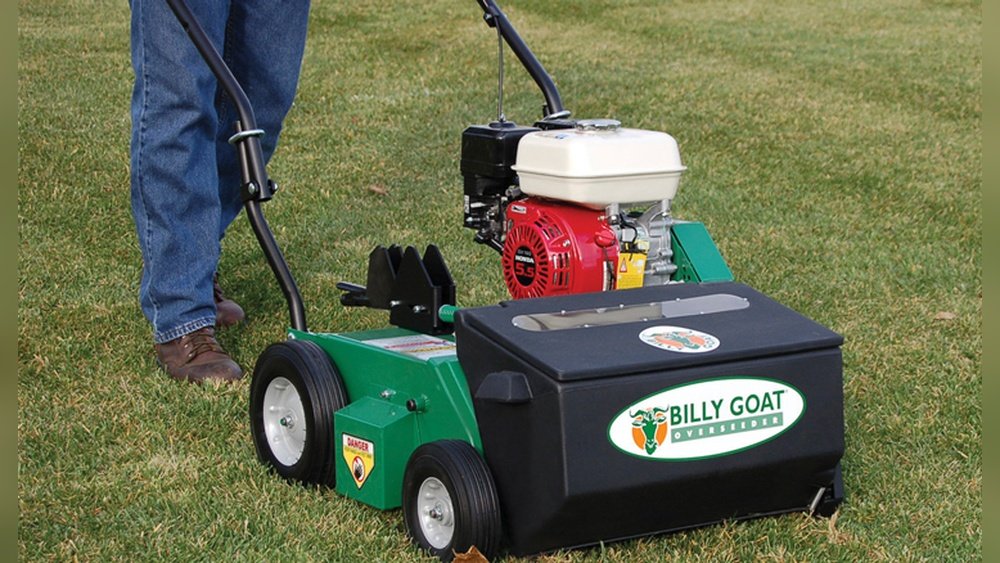
You’ve just finished overseeding your lawn, and your overseeder has done its job well. But what comes next is just as important: learning how to clean your lawn overseeder and store it properly. Knowing how to clean lawn overseeder equipment effectively ensures its longevity and optimal performance.
If you skip this step, you risk damage, rust, and poor performance the next time you need it. Taking a few simple actions now can save you time, money, and frustration later. In this guide, you’ll learn the easy and effective way to clean and store your lawn overseeder so it stays in top shape season after season.
Keep reading to protect your investment and get the best results every time you overseed.
)
Credit: www.homedepot.com
Cleaning Your Lawn Overseeder
Keeping your lawn overseeder clean is key to its long life and smooth operation. Dirt, seed, and debris can build up and cause problems. Cleaning after every use stops rust and blockages. Follow simple steps to keep your overseeder ready for the next job.
Removing Residual Seed And Debris
Start by emptying all leftover seed from the hopper. Use a brush or cloth to clear out any stuck seeds. Check inside the seed tubes and spreader plate for debris. Remove dirt, grass, and small stones that can cause jams. Cleaning these parts helps the overseeder work well next time.
Washing The Hopper And Frame
Rinse the hopper and frame with a garden hose to remove dust and dirt. Use mild soap and a soft brush for stubborn grime. Avoid harsh chemicals that damage paint or metal. Clean all surfaces, including wheels and handles. This keeps your machine looking good and functioning smoothly.
Drying Techniques To Prevent Rust
After washing, dry the overseeder completely with a clean towel. Leave it in a sunny spot or well-ventilated area to air dry. Make sure no moisture remains in hidden parts or crevices. Moisture leads to rust and damages metal parts. Proper drying keeps your overseeder strong and ready to use.
Lubrication And Rust Prevention
Proper lubrication and rust prevention keep your lawn overseeder working smoothly. They protect moving parts from damage and stop metal from corroding. This care extends the machine’s life and ensures reliable performance every season.
Applying Lubricants To Moving Parts
Start by identifying all moving parts like wheels, gears, and bearings. Use a light machine oil or silicone spray for lubrication. Apply a small amount to each part to reduce friction and wear. Avoid over-lubricating, as excess oil can attract dirt. Wipe off any extra lubricant with a clean cloth for best results.
Using Rust Inhibitors And Protective Sprays
Rust inhibitors protect metal surfaces from moisture and corrosion. Spray these protective coatings on exposed metal areas after cleaning. Focus on parts prone to rust, such as the frame and seed hopper. Use a rust-preventive spray designed for outdoor tools. Allow the spray to dry completely before storing the overseeder.
Inspecting For Wear And Tear
Check the overseeder for signs of damage or worn parts regularly. Look closely at belts, blades, and fasteners for cracks or looseness. Replace or tighten any parts showing wear to avoid breakdowns. Early repairs help keep your overseeder safe and efficient. Keep a maintenance log to track inspections and repairs over time.
Proper Storage Practices
Proper storage practices help your lawn overseeder last longer and work better. Storing it right prevents rust, damage, and seed spoilage. Clean and dry the overseeder before storage. Follow simple steps to keep it safe during the off-season. Protect your investment with good storage habits.
Choosing A Dry, Sheltered Location
Select a place free from moisture and dampness. A dry garage or shed works best. Avoid storing outdoors where rain or dew can reach the overseeder. Moisture causes damage and rust, which can shorten the lifespan of your equipment.