Are you tired of buying fertilizer only to find it clumps, loses strength, or becomes useless before you get a chance to use it all? How you store fertilizer effectively“>store fertilizer effectively can make a huge difference in keeping it fresh and effective for your plants.
Imagine having your garden thrive because you knew exactly how to protect your fertilizer“>how to protect your fertilizer from moisture, heat, and pests. You’ll discover simple, practical tips that anyone can follow to make sure your fertilizer stays in top shape. Keep reading, and you’ll never waste fertilizer again.
Choose The Right Storage Location
Choosing the right place to store fertilizer is very important. The right spot helps keep fertilizer strong and safe. It stops fertilizer from losing its power or becoming harmful. Proper storage also makes your garden work easier and better.
Avoid Moisture And Humidity
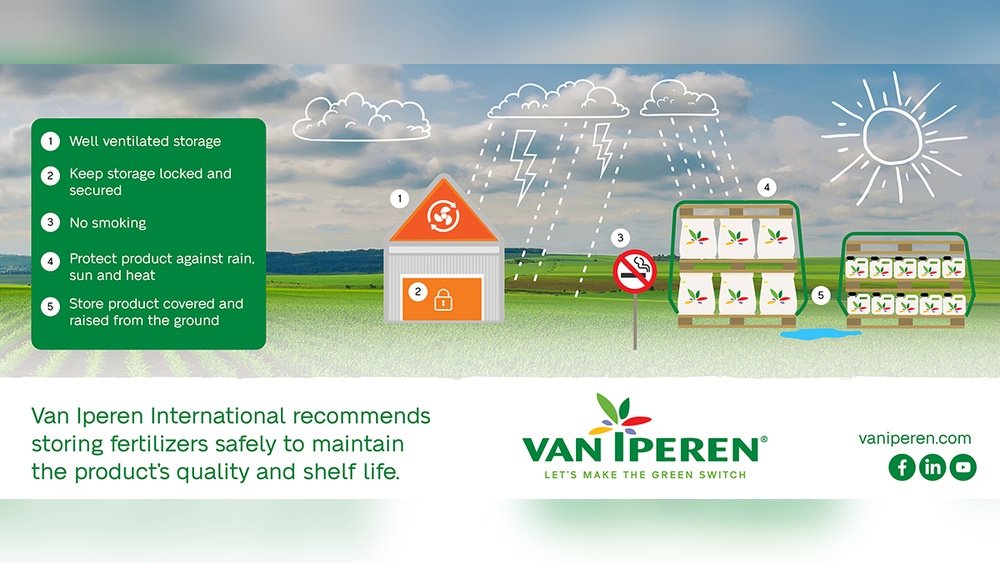
Moisture can ruin fertilizer fast. Wet fertilizer clumps and loses nutrients. Keep fertilizer in a dry spot. Use containers that close tightly to stop moisture. Check the area often for dampness or leaks.
Keep Away From Direct Sunlight
Sunlight breaks down fertilizer chemicals. It lowers the fertilizer’s effectiveness. Store fertilizer in a shaded place. Avoid windows or spots where sun hits directly. A dark location keeps fertilizer fresh longer.
Select A Cool, Dry Place
Heat can spoil fertilizer quickly. A cool place slows down chemical changes. Find a storage area with stable, low temperatures. Avoid places near heaters or hot pipes. A dry and cool spot keeps fertilizer ready to use.
Use Proper Containers
Using the right containers to store fertilizer is important. Proper containers keep fertilizer dry and safe from air and moisture. This helps maintain its strength and quality. Choosing the right container also protects fertilizer from pests and spills. It makes handling and measuring easier for your gardening tasks.
Opt For Airtight Containers
Airtight containers stop moisture and air from entering. Moisture can cause fertilizer to clump and lose its power. Airtight containers keep fertilizer dry and fresh. Plastic or metal containers with tight lids work best. Make sure the lid fits snugly to seal the container well.
Label Containers Clearly
Label each container with the fertilizer type and date of purchase. Clear labels help avoid confusion and mistakes. You will know what fertilizer is inside without opening the container. Use waterproof markers or printed labels for durability. Keep labels visible and easy to read.
Avoid Damaged Or Open Bags
Do not store fertilizer in torn or open bags. Open bags allow air and moisture to enter. This causes fertilizer to break down or harden. Transfer fertilizer from damaged bags to proper containers quickly. Use strong, clean containers to keep fertilizer safe and effective.
Handle Fertilizer Safely
Handling fertilizer safely helps keep it effective and protects your health. Fertilizers contain chemicals that need careful use. Unsafe handling can cause skin irritation or harm the environment. Follow basic safety steps to store and use fertilizer properly.
Wear Protective Gear
Always wear gloves when handling fertilizer. Gloves protect your skin from chemicals. Use long sleeves and pants to cover your arms and legs. Consider wearing a mask to avoid breathing dust. Safety glasses can protect your eyes from splashes.
Prevent Cross-contamination
Keep fertilizer away from food and water sources. Store it in a clean, dry place separate from other chemicals. Do not use containers that held food or drinks for fertilizer. Wash your hands and tools after handling fertilizer to avoid spreading it.
Follow Manufacturer’s Instructions
Read the label on the fertilizer package carefully. Follow the instructions for storage and use exactly. Use the recommended amount to avoid waste or damage. Store fertilizer in the original container with the label intact. This helps you remember safety and usage details.
Maintain Fertilizer Effectiveness
Regularly check your stored fertilizer for signs of spoilage or contamination. Keeping an eye on your supplies ensures they remain effective for your gardening needs.