
As the chilly winds of winter approach, your garden tools need more than just being tossed into a corner. If you want your shovels, pruners, and rakes ready and reliable for the next growing season, proper storage is key.
How you store your garden tools now can save you time, money, and frustration later. In this guide, you’ll discover simple, effective ways to clean, protect, and organize your tools so they stay sharp, rust-free, and in great shape all winter long.
Ready to learn how to make your garden gear last? Let’s dive in!
Clean Tools Thoroughly
Cleaning garden tools before winter storage protects them from damage. Dirt and moisture left on tools can cause rust and shorten tool life. Thorough cleaning helps tools stay sharp and ready for spring gardening. Follow simple steps to clean tools properly.
Remove Dirt And Debris
Start by removing soil and plant material from your tools. Use a stiff brush or putty knife for stuck-on dirt. Clear out any debris from blades and handles. Removing all dirt prevents moisture buildup and decay during storage.
Wash And Dry Properly
Rinse tools with water to wash off remaining grime. Avoid soaking wooden handles to prevent swelling. Dry each tool completely with a clean cloth. Drying stops rust and mold from forming on metal and wood parts.
Disinfect To Prevent Rust
Disinfect tools with a solution of one part bleach to nine parts water. Wipe blades and metal surfaces with this solution. Let tools air dry fully before storage. This step kills fungi and bacteria that cause rust and decay.
Sharpen And Lubricate
Properly sharpening and lubricating garden tools before winter storage keeps them in top shape. This care prevents rust, dullness, and damage during the cold months. Clean, sharp, and well-oiled tools perform better and last longer. Follow these steps to prepare your tools effectively.
Sharpen Blades And Cutting Edges
Use a sharpening stone or file to sharpen blades and edges. Focus on garden shears, pruners, and hoes. Remove any rust or dirt before sharpening. A sharp blade cuts cleanly and reduces plant damage. This also makes your work easier in spring.
Oil Moving Parts
Apply light machine oil to all moving parts. This includes hinges, joints, and springs. Oil prevents rust and keeps parts working smoothly. Wipe off excess oil to avoid attracting dirt. Regular lubrication reduces wear and extends tool life.
Use Protective Coatings
Coat metal surfaces with a thin layer of protective oil or wax. This blocks moisture and prevents rust during storage. Use products like mineral oil or specialized tool wax. Store tools in a dry place to keep coatings effective. This simple step guards your tools all winter long.
Drain And Store Equipment
Properly draining and storing your garden equipment protects tools during winter. Moisture and leftover fuel can cause damage and rust. Taking time to empty fluids and clean parts extends tool life. Store equipment in a dry, safe place to avoid freezing and corrosion. Follow these simple steps to prepare each type of tool for winter storage.
Empty Fuel And Oil From Power Tools
Remove all fuel from gas-powered tools before storing. Run the engine until it stops to clear the carburetor. Drain the oil and replace with fresh oil next season. This prevents fuel from gumming up and damaging the engine. Store tools in a well-ventilated area away from heat sources.
Drain Garden Hoses
Completely drain water from garden hoses to avoid freezing and cracking. Disconnect hoses from spigots and hang them in a coil. Store hoses indoors or in a shed where temperatures stay above freezing. Avoid leaving hoses on the ground to prevent damage and mold growth.
Clean And Empty Sprayers
Rinse sprayers thoroughly to remove chemicals and residue. Pump clean water through the sprayer to flush all parts. Empty tanks and store sprayers in a dry, cool spot. Clean sprayers prevent corrosion and keep them ready for next use.
Credit: www.hennepin.us
Choose The Right Storage Space
Choosing the right storage space for garden tools is key to keeping them in good shape through winter. Proper storage prevents rust, damage, and makes tools easy to find next spring. A well-chosen spot protects tools from moisture and dirt, extending their life. Consider space that fits your tool types and amounts. Plan for easy access and organization to save time and effort.
Select A Dry, Enclosed Area
Pick a spot that stays dry and sheltered from weather. A dry area stops tools from rusting and rotting. Enclosed spaces like sheds or garages keep out rain, snow, and wind. Avoid open areas where moisture can cause damage. Good ventilation helps control humidity and keeps tools fresh. Make sure the space is secure to protect tools from theft or pests.
Avoid Direct Contact With Floor
Keep tools off the floor to prevent moisture damage. Floors can trap water or dampness, causing rust. Use shelves, hooks, or pegboards to hang or store tools. Pallets or wooden platforms also work well to lift tools above the ground. This setup improves air circulation around tools and reduces corrosion risk. Clean and dry tools before storing to keep floors and tools clean.
Keep Tools Separated
Store each tool separately to avoid damage and tangling. Sharp edges can dull or break other tools if they touch. Use racks, bins, or tool organizers to keep items apart. Label storage areas for quick tool identification. Separating tools helps maintain their condition and speeds up your work next season. Regularly check storage to adjust and clean as needed.
Organize For Easy Access
Organizing garden tools for winter storage saves time and effort. It keeps tools neat and easy to find. Proper organization also protects tools from damage during cold months. Setting up a system that fits your space helps maintain your tools in top shape. Simple steps make your garden tools ready for use when spring arrives.
Use Wall Mounts And Hooks
Wall mounts and hooks are perfect for hanging tools. They keep shovels, rakes, and hoes off the floor. This prevents rust and damage. Hooks make tools visible and easy to grab. Choose sturdy hooks that hold heavy tools safely. Arrange tools by size or use to speed up access.
Install Shelving And Cabinets
Shelving units and cabinets add extra storage space. They protect tools from dust and moisture. Use shelves for larger tools and bags of soil. Cabinets with doors keep smaller tools hidden and safe. Label shelves and cabinets for quick identification. This system keeps your garden area tidy and organized.
Store Small Items In Containers
Small garden items like gloves, twine, and seed packets belong in containers. Clear plastic boxes work well for easy viewing. Use divided containers to separate items by type. Label each container for fast access. Storing small items properly prevents loss and clutter. Keep containers in cabinets or on shelves for convenience.
Protect Metal Tools
Metal garden tools need special care for winter storage. Protecting them prevents rust and damage. Proper storage keeps tools sharp and ready for spring. Follow simple steps to keep metal tools in top shape.
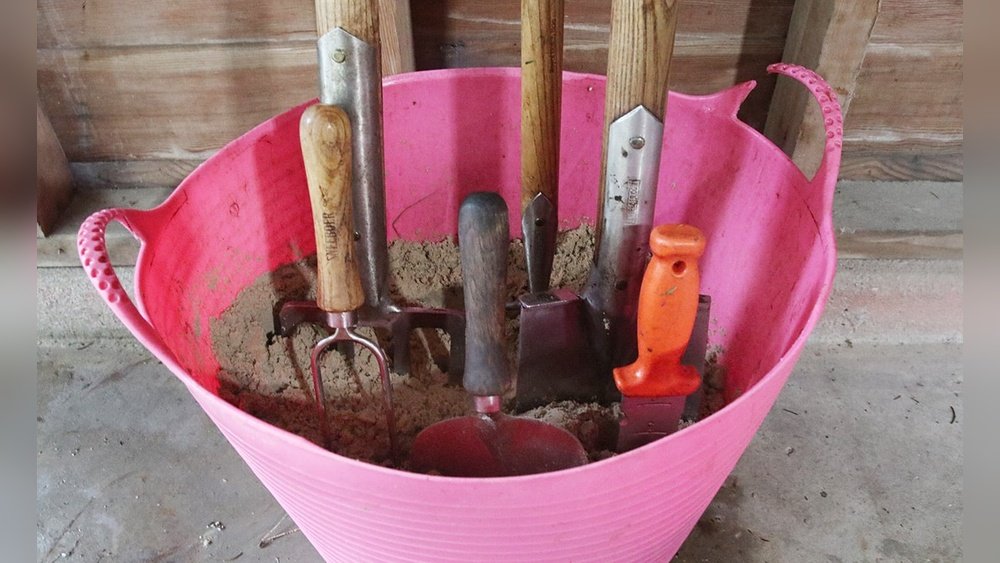
Use Sand And Oil Buckets
Fill a bucket with sand and add a little oil. Insert metal tools into the sand to coat them lightly. The oil stops rust and sand holds the oil in place. This method keeps blades and metal parts dry and protected.
Cover Blades With Guards
Use blade guards or sheaths to cover sharp edges. Guards prevent damage and protect your hands. If guards are unavailable, wrap blades in cloth or old towels. Secure wrapping with rubber bands or tape for safety.
Prevent Contact With Moisture
Moisture causes rust and weakens metal tools. Store tools indoors in a dry place. Avoid placing tools directly on the ground. Use shelves, hooks, or racks to keep tools off damp floors. A moisture absorber nearby helps keep air dry.
Store Batteries Correctly
Storing batteries correctly is essential to keep your garden tools ready for use after winter. Proper battery care prevents damage and extends battery life. Follow these simple steps to store your batteries safely during the cold months.
Keep In A Cool, Dry Place
Store batteries in a cool, dry area away from sunlight. Avoid damp spaces that can cause corrosion. A temperature between 40°F and 70°F is ideal for most batteries. This helps maintain battery strength and prevents moisture buildup.
Avoid Freezing Temperatures
Freezing can damage battery cells and reduce performance. Do not leave batteries outside or in unheated garages during winter. Keep them indoors where temperatures stay above freezing. This protects the battery’s internal structure.
Charge Before Storage
Charge batteries fully before storing for the winter. A full charge prevents deep discharge and battery failure. Check battery levels monthly and recharge if needed. This simple habit keeps batteries healthy and ready for spring use.

Credit: www.hiatt-hardware.com
Avoid Common Mistakes
Storing garden tools properly for winter keeps them sharp and ready for spring. Avoiding common mistakes protects tools from damage and rust. Follow simple tips to extend their life and save money.
Do Not Store Wet Tools
Wet tools cause rust and wear quickly. Always clean and dry tools before storage. Wipe off dirt and moisture thoroughly. Use a dry cloth or let tools air dry in a warm place. Storing wet tools invites rust and weakens metal parts.
Avoid Leaning Tools Against Walls
Leaning tools can fall and break or cause injury. Handles may warp or crack over time. Store tools upright in racks or hang them properly. Keep tools organized and secure to prevent accidents. This also saves space and protects tool integrity.
Prevent Hanging On Rusty Hooks
Rusty hooks damage tool handles and metal parts. Replace old hooks with rust-resistant ones. Use plastic or coated metal hooks for safe hanging. Inspect storage areas regularly to avoid rust buildup. Proper hooks keep tools safe and easy to access.

Credit: www.gardeningknowhow.com
Frequently Asked Questions
How To Store Garden Tools Over Winter?
Clean, sharpen, and oil tools before winter storage. Drain hoses and sprayers completely. Hang tools with blade protection in a dry, enclosed space. Avoid placing metal tools on the floor to prevent rust. Store batteries indoors away from cold temperatures.
How To Winterize Garden Tools?
Clean, sharpen, and oil all garden tools to prevent rust. Drain and store hoses flat. Store tools in a dry, enclosed space off the ground. Keep blades protected and batteries indoors at room temperature. Organize tools on wall mounts or shelves to avoid damage.
What Are The Common Garden Tool Storage Mistakes?
Common garden tool storage mistakes include storing tools when wet, keeping them on the ground, hanging without blade protection, storing batteries in cold, leaning tools against walls, and using rusty hooks.
How Do You Store Your Garden Tools?
Clean, dry, and oil garden tools before storing. Hang tools on wall mounts or place on freestanding shelves. Store in a dry, enclosed space away from moisture and ground contact. Keep sharp blades protected and batteries in a warm area.
Conclusion
Storing garden tools properly protects them from rust and damage. Clean and dry each tool before storing. Use shelves or hangers to keep tools off the ground. Store sharp tools with blade covers for safety. Keep batteries indoors to avoid cold damage.
Organize tools to find them easily in spring. Taking these steps saves money and effort later. Your tools will stay ready for the next gardening season. Simple care now means longer tool life and better garden results.