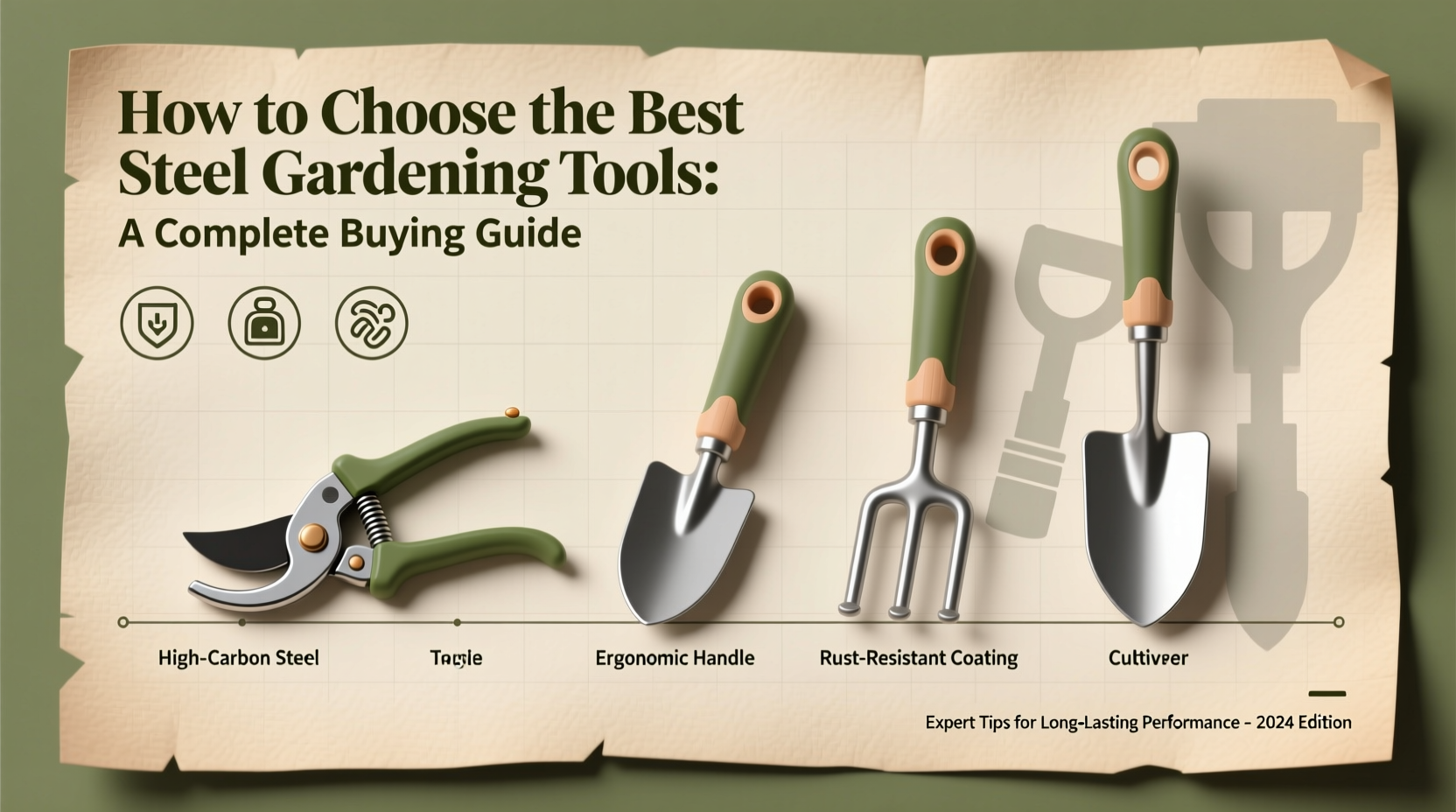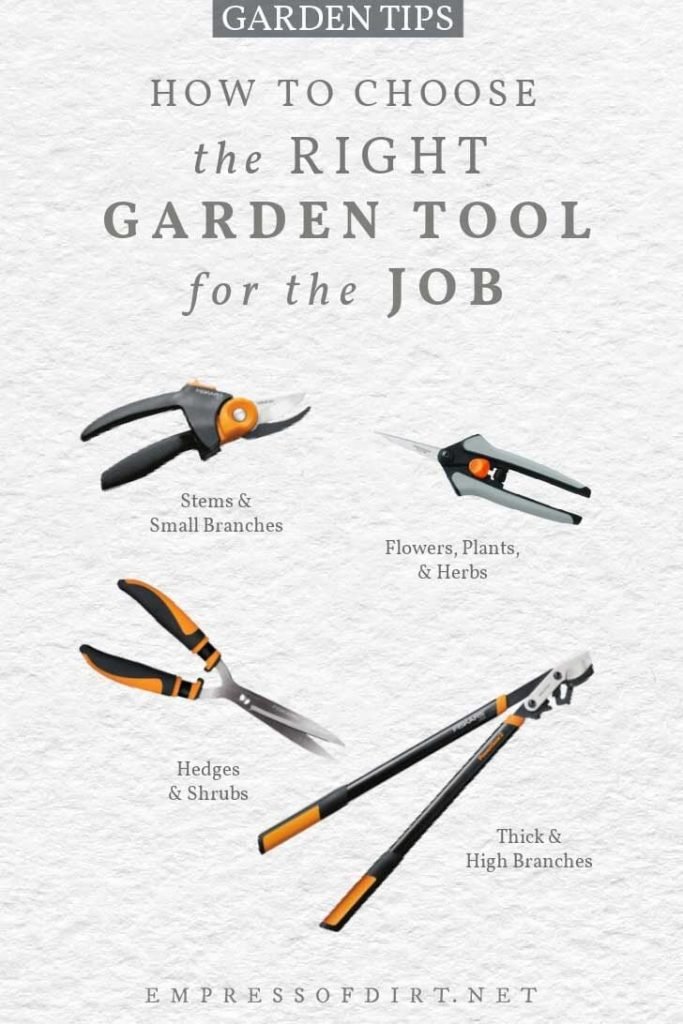
Choosing the right garden spade involves considering handle length, blade shape, and material.
A well-chosen garden spade can transform your gardening experience. Whether you're a seasoned gardener or a beginner, selecting the right tool for your needs is crucial. From digging to edging, the ideal spade enhances efficiency and reduces strain. Understanding various features like handle ergonomics, blade type, and weight can make all the difference. Dive in as we explore how to select the perfect garden spade that caters to your gardening style and tasks.
Understanding Garden Spade Types
Garden spades come in various forms, each designed for specific tasks. Recognizing these types can help narrow your options:
- Digging Spade: Ideal for breaking up soil and transplanting plants.
- Border Spade: A smaller version for precise work near plants or borders.
- Transplanting Spade: Narrower blade suited for moving plants without damaging roots.
Choosing the right type depends largely on your garden's needs and your physical comfort.
Key Features to Consider
When selecting a garden spade, several factors should influence your choice:
Handle Length and Material
- Lengths: Longer handles offer leverage for taller users; shorter ones provide control in tight spaces.
- Materials: Wooden handles offer a classic feel; fiberglass or metal handles provide durability and less weight.
Blade Shape and Material
- Shape: Flat blades are versatile for cutting and edging, while rounded blades handle heavier digging.
- Materials: Stainless steel blades resist rust and maintain sharpness longer than carbon steel.
Weight and Balance
A well-balanced spade minimizes fatigue. Test various options to find a spade that feels stable and comfortable.
Practical Tips for the Best Choice
- Test Before Buying: If possible, handle the spade. Feel its weight and balance to ensure it matches your comfort level.
- Consider Ergonomics: Features like cushioned handles reduce hand fatigue during long gardening sessions.
- Match the Spade to the Task: Align your gardening activities with the spade type. A border spade is suitable for detailed work, while a digging spade is perfect for heavier tasks.
Personal Insights and Experiences
Over my years of gardening, I've learned that the right spade can make or break a garden project. Initially, I underestimated handle length, leading to unnecessary back strain. It quickly became clear that matching the spade to both the task and my physical comfort was crucial. From this, I learned always to consider personal ergonomics alongside durability when selecting tools.
Frequently Asked Questions of How to Choose the Right Garden Spade Tips
How do I choose the right spade for different soil types?
For heavier clay soil, opt for a heavier, robust spade. Sandy soils may do better with a lighter, more maneuverable tool.
What should I look for in an ergonomic handle?
Look for handles with cushioning or ergonomic designs that reduce wrist strain and increase comfort during use.
How does spade maintenance affect its longevity?
Regularly cleaning and oiling metal parts prevent rust, maintaining the spade’s sharpness and functionality over time.
Can I use a garden spade for snow shoveling?
While it’s possible, using a tool designed for snow will be more efficient and less likely to damage garden tools.
Are all spades rust-resistant?
Not all are rust-resistant; stainless steel blades offer better rust resistance compared to carbon steel ones.
Conclusion
Selecting the right garden spade transforms gardening from a chore into a joy. By focusing on key features like handle type, weight, and blade material, you ensure that the tool works with you, not against you. With this knowledge, you can confidently choose a spade that minimizes effort and maximizes enjoyment. Ready to enhance your gardening toolkit? Explore your local gardening store or favorite online retailer to find the perfect spade for your needs, and feel free to share your experiences in the comments!