
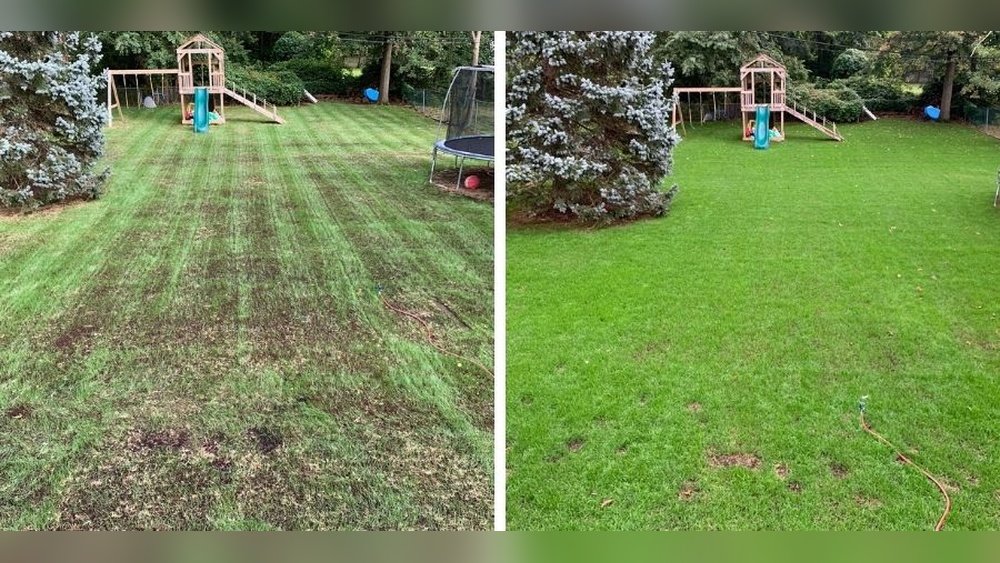
Has your lawn suffered from the harsh effects of drought? You’re not alone.
When dry spells hit hard, your grass can turn brown, patchy, and lifeless, leaving your yard looking more like a desert than a lush green space. But don’t lose hope—your lawn can bounce back with the right care. In this guide, you’ll discover simple, effective steps to revive your drought-damaged lawn and restore its healthy, vibrant look.
From watering techniques to fertilizing tips, you’ll learn exactly what your lawn needs to recover and thrive again. Keep reading, and take the first step toward bringing your grass back to life.
Assess Lawn Damage
Assessing the damage to your lawn after a drought is the first step toward recovery. Understanding the extent and type of damage helps you plan the right care. This process involves checking the grass condition, soil moisture, and any signs of pests or diseases.
Identify Dead Vs Dormant Grass
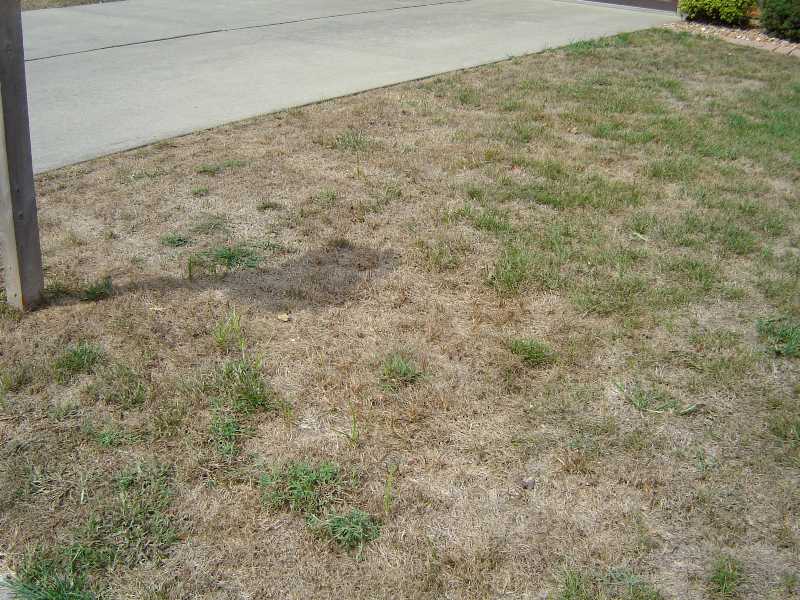
Look closely at the grass blades and roots. Dormant grass is brown but still alive beneath the surface. Dead grass feels dry and crumbles easily. Test by gently tugging the grass; if it pulls out easily, it is likely dead. Dormant grass will regain color with watering and care.
Check Soil Moisture Levels
Use a soil probe or a simple screwdriver to check moisture. Push it into the ground about six inches deep. Dry, hard soil means the lawn needs deep watering. Moist soil shows recent watering or rain. Proper soil moisture is key for grass recovery and root growth.
Spot Signs Of Pest Or Disease
Look for irregular brown patches or chewed grass blades. Pests like grubs or insects cause damage that looks different from drought stress. Diseases may cause spots, mold, or slimy areas on grass. Early detection helps treat these problems before they worsen.

Credit: lawnlove.com
Prepare Lawn For Recovery
Preparing your lawn for recovery is the first step to bring it back after drought damage. This stage sets a healthy base for new grass growth. It helps remove dead material and improves soil conditions. A well-prepared lawn recovers faster and looks greener sooner.
Rake To Remove Dead Grass
Start by raking the lawn to clear dead grass and debris. This removes dry, brown patches that block sunlight and water. Use a stiff rake for best results. Clearing dead material helps air reach the soil and promotes new growth.
Dethatch If Needed
Check for thatch, a thick layer of roots and stems on the soil surface. If thatch is more than half an inch thick, dethatch the lawn. This process removes the thick layer and improves water and nutrient flow. Use a dethatching rake or machine to loosen and remove thatch.
Aerate Compacted Soil
Drought often compacts soil, making it hard for roots to grow. Aerate your lawn by making small holes in the soil. This allows air, water, and nutrients to reach the grass roots. Use a manual or powered aerator for best results. Aeration helps the lawn absorb water better and grow stronger.
Watering Strategies
Watering is key to fixing a lawn after drought damage. Proper watering helps grass recover and grow strong roots. It also prevents further stress and keeps the soil moist. Using smart watering strategies can bring life back to your lawn quickly.
Learn how to water deeply, avoid shallow watering, and change your schedule with the seasons.
Deep Soaking Techniques
Water deeply to reach the roots. Use a slow sprinkler or drip system. Let water soak into the soil for 20 to 30 minutes. This encourages roots to grow downwards. Deep roots make grass more drought-resistant. Avoid watering only the surface.
Avoid Frequent Shallow Watering
Do not water often with small amounts. Shallow watering causes roots to stay near the surface. This weakens the grass during dry times. Watering less often but more deeply is better. It helps grass develop strong roots and survive drought.
Adjust Watering Schedule Seasonally
Change watering based on the season. Water more during hot, dry months. Reduce watering in cooler seasons. Early morning is the best time to water. It reduces evaporation and disease risk. Seasonal adjustments keep your lawn healthy year-round.

Credit: www.milorganite.com
Fertilizing Tips
Fertilizing plays a key role in restoring your lawn after drought damage. Proper nutrients help grass recover faster and grow stronger. Applying the right fertilizer with good timing supports root repair and leaf growth. Avoid common mistakes like overfertilizing to protect your lawn and the environment.
Choose Balanced Fertilizer
Select a balanced fertilizer with equal parts nitrogen, phosphorus, and potassium. This mix ensures your lawn receives all essential nutrients. Nitrogen promotes green leaf growth, phosphorus helps root development, and potassium boosts stress resistance. Look for fertilizers labeled with numbers like 10-10-10 or 20-20-20.
Timing For Best Nutrient Uptake
Apply fertilizer during early morning or late afternoon. Cooler temperatures reduce nutrient loss and improve absorption. Wait until the lawn has been watered well after drought. Fertilizing too soon can burn grass roots. Spread fertilizer evenly for consistent growth across your lawn.
Avoid Overfertilizing
Do not apply more fertilizer than recommended on the package. Excess nutrients can harm grass and pollute groundwater. Overfertilizing causes weak, patchy growth and invites pests. Use a spreader for controlled application. Stick to a regular feeding schedule and monitor lawn health closely.
Seeding And Overseeding
Seeding and overseeding help repair lawns damaged by drought. New grass plants fill in bare spots and strengthen thin areas. This process boosts lawn density and improves its look. Choosing the right seed and applying it properly is key to success. Follow the steps below to restore your lawn effectively.
Select Drought-tolerant Grass Varieties
Choose grass types that survive with less water. Bermuda, Buffalo, and Zoysia grasses handle dry conditions well. These grasses stay green longer during droughts. They also recover faster after water returns. Picking drought-tolerant seeds saves water and effort. It helps your lawn stay healthy in Austin’s hot climate.
Use Lawn Repair Kits
Lawn repair kits include seeds, mulch, and fertilizer. They simplify fixing drought damage in one package. Kits often have drought-resistant seed blends. Fertilizer in kits promotes fast root and blade growth. Mulch helps keep seeds moist and protected. Kits are easy to use and improve your lawn’s chance of recovery.
Seed Application And Mulching
Spread seed evenly over damaged lawn areas. Use a spreader for large spaces. Lightly rake seeds into the soil for better contact. Cover seeds with a thin layer of mulch or straw. Mulch retains moisture and shields seeds from heat. Water the area gently but deeply after seeding. Keep the soil moist until grass sprouts and grows strong.
Weed And Pest Control
After a drought, your lawn may face more than just dryness. Weeds and pests often take advantage of weak grass. Controlling these threats helps your lawn recover faster. Focus on identifying weeds, using herbicides safely, and managing pests effectively. This approach strengthens your grass and improves its health.
Identify Common Weeds Post-drought
Drought weakens grass, allowing weeds to grow quickly. Look for dandelions, crabgrass, and clover. These weeds often appear after dry spells. Spotting them early helps stop their spread. Check your lawn regularly for new weed growth. Removing weeds by hand can be effective for small areas.
Safe Herbicide Use
Choose herbicides designed for your grass type. Read and follow label instructions carefully. Avoid applying herbicides during hot, sunny days. This prevents extra stress on your lawn. Use spot treatments instead of spraying the entire lawn. This reduces chemical use and protects healthy grass.
Manage Lawn Pests
Drought can increase pest problems like grubs and chinch bugs. These insects damage grass roots and blades. Inspect your lawn for signs of pest damage. Use natural predators or insecticidal soaps as a first step. If needed, apply pesticides targeted to the specific pest. Proper pest control supports a strong, green lawn.
Regular Maintenance
Regular maintenance is essential to help your lawn recover after drought damage. It keeps the grass healthy and strong. Consistent care prevents future problems and supports new growth. Small efforts done often make a big difference in lawn recovery.
Mowing Best Practices
Cut grass at the right height to avoid stress. Keep mower blades sharp for clean cuts. Never cut more than one-third of the grass height at once. Leave grass clippings on the lawn to add nutrients. Mowing too short weakens the grass and slows recovery.
Monitor Lawn Health
Check your lawn regularly for signs of stress or disease. Look for brown patches, thinning grass, or pests. Early detection helps you act quickly. Use a soil test to check nutrient levels. Adjust fertilization based on soil health and lawn needs.
Adjust Care For Weather Changes
Change watering and mowing based on weather conditions. Water deeply but less often to encourage deep roots. Reduce watering during rainy periods to avoid overwatering. Raise mower height during hot weather to protect grass blades. Adapting care helps the lawn stay resilient through changes.
Credit: utahlawnpolice.com
Preventing Future Drought Damage
Preventing future drought damage is key to keeping your lawn healthy and green. Taking steps now helps your lawn survive dry spells better. It also reduces the risk of severe damage during hot, dry weather.
Improve Soil With Organic Matter
Adding organic matter to soil boosts its water-holding capacity. Compost and mulch enrich the soil and improve its structure. This allows roots to grow deeper and access more moisture. Healthy soil supports grass during drought and helps it recover faster.
Install Efficient Irrigation
Efficient irrigation saves water and keeps your lawn hydrated. Drip irrigation and soaker hoses deliver water directly to roots. Timers and smart controllers avoid overwatering and waste. Watering early in the morning reduces evaporation and maximizes absorption.
Choose Resilient Grass Types
Select grass types that tolerate drought well. Bermuda, buffalo, and zoysia grasses use water efficiently. These grasses stay green longer in dry conditions. Planting drought-resistant varieties reduces the need for frequent watering and lawn repair.
Frequently Asked Questions
Will Grass Come Back After Severe Drought?
Grass can recover after severe drought if properly watered and cared for. Deep watering and fertilizing help restore growth. Some grass types, like Kentucky bluegrass, regrow from underground rhizomes, aiding recovery. Removing dead grass and maintaining regular lawn care improves chances of revival.
Is October Too Late To Dethatch?
October can be late to dethatch, but it depends on your climate and grass type. Early fall is usually best. Dethatching too late risks lawn stress before winter dormancy. Aim to dethatch when grass is actively growing for quicker recovery.
How To Fix Dead Grass From Drought?
Water deeply to rehydrate soil, remove dead grass by raking, apply balanced fertilizer, control weeds, and resume regular lawn care.
What Is The 150 Rule For Grass?
The 150 rule for grass means grass needs about 1. 5 inches of water weekly to stay healthy and green.
Conclusion
Restoring your lawn after drought takes patience and care. Water deeply and regularly to revive roots. Use balanced fertilizer to boost grass health. Remove weeds that compete for nutrients and water. Keep mowing at the right height to promote growth.
Small steps lead to big improvements over time. Your lawn can bounce back with consistent attention. Stay committed, and soon green grass will return.