

Gutters are a part of every home that many people forget—until there’s a problem. When gutters fill with leaves, dirt, or even small plants, they can’t do their job. Water spills over, causing roof leaks, rotten wood, and even damage to your home’s foundation. For many homeowners, the question is not if you should clean your gutters, but how often to clean gutters for the best protection. This detailed guide will help you understand the right cleaning schedule, what affects it, and give you practical tips so your gutters stay clear, safe, and working well.
Why Clean Gutters Matter
Gutters collect rainwater from your roof and direct it away from your home. When gutters are clogged, this water has nowhere to go. Instead, it can overflow and:
- Damage your roof
- Cause leaks inside your house
- Rot the wood on your eaves and fascia
- Wash away soil near your foundation
- Lead to basement flooding
- Create a breeding place for mosquitoes and pests
The cost of ignoring your gutters can be high. According to the National Association of Home Builders, water damage is one of the most common reasons for costly home repairs. Regular cleaning is a small job compared to fixing water damage.
How Often To Clean Gutters: The Basic Rule
Most experts recommend cleaning your gutters at least twice a year—once in the spring and once in the fall. However, this is only a starting point. Some homes need more frequent cleaning based on where you live, the type of trees near your house, and your roof design.
Spring Cleaning
In spring, gutters often fill with pollen, seed pods, and new leaves. This is also the time to clear out any debris left over from winter.
Fall Cleaning
In autumn, falling leaves are the biggest problem. Even if you don’t have large trees next to your home, wind can carry leaves from far away. Cleaning after most leaves have fallen, but before heavy rain or snow, is ideal.
Factors That Affect Gutter Cleaning Frequency
Not every home is the same. Here are key things that can change how often you need to clean your gutters:
1. Number And Type Of Trees Nearby
If you have many trees close to your roof, especially pine or oak, gutters can fill up quickly. Pine needles, for example, are small but can clog gutters fast.
- Many trees: Clean gutters 3–4 times a year.
- Few or no trees: Twice a year may be enough.
2. Weather In Your Area
If you live in a region with heavy rain, frequent storms, or snow, your gutters need extra attention. After big storms, check and clean gutters to avoid blockages.
3. Roof Slope And Size
A steep roof sends water and debris down faster, which can push more into your gutters. Larger roofs also collect more debris. If your roof is big or steep, consider cleaning more often.
4. Gutter Guards
Some people install gutter guards or screens to block leaves and debris. While these help, they aren’t perfect. You still need to inspect and clean the gutters, though possibly less often.
5. Animals And Pests
Birds, squirrels, and insects sometimes build nests in gutters. If you see signs of animals, check your gutters more often.
6. Landscaping And Wind
If your area is windy or you have trees that shed seeds, flowers, or fruit, debris can collect in gutters faster. Homes in open, windy areas may need cleaning after every major storm.
How To Tell If Your Gutters Need Cleaning
Even with a set schedule, it’s smart to check gutters more often. Here are signs your gutters might be clogged:
- Water overflows during rain
- Sagging or pulling away from the house
- Plants growing in the gutters
- Visible debris sticking out
- Pests or birds near the gutters
- Staining on siding or foundation
If you notice any of these, clean your gutters as soon as possible to prevent bigger problems.
Gutter Cleaning Frequency Table
To make it simple, here is a comparison of recommended cleaning schedules based on different situations:
| Situation | Recommended Cleaning Frequency |
|---|---|
| Many trees nearby | 3-4 times per year |
| Few/no trees, normal weather | 2 times per year |
| Pine trees present | Every 3 months |
| Heavy storms or windy area | After major storms + seasonal |
| With gutter guards | 1-2 times per year (inspection) |
Best Times Of Year For Gutter Cleaning
Cleaning at the right time is just as important as how often. Here are the best times for most homes:
Late Spring
After trees finish dropping seeds and pollen, clean out all the spring debris. This helps your gutters handle summer rain.
Late Fall
Clean after most leaves have fallen but before heavy rains or the first snow. This prevents ice dams and blockages.
After Major Storms
Big storms can fill gutters with debris in just hours. Always check and clean after any severe weather event.
Early Winter (optional)
If you live in a snowy area, a final check before winter can prevent ice from building up in clogged gutters.
Diy Vs. Professional Gutter Cleaning
You can clean gutters yourself or hire a professional. Each option has pros and cons.
Diy Gutter Cleaning
Pros:
- Saves money
- Lets you check for roof and gutter damage
Cons:
- Can be dangerous (ladders, slippery surfaces)
- Time-consuming
- May miss hidden problems
Professional Gutter Cleaning
Pros:
- Safer (professionals have equipment and insurance)
- Faster and more thorough
- Can spot and fix problems
Cons:
- Costs $100–$250 per cleaning, depending on home size and location
If you are comfortable on a ladder and have basic tools, DIY is possible. For two-story homes or hard-to-reach gutters, hiring a pro is safer.
Step-by-step Guide To Cleaning Gutters
If you decide to clean your gutters yourself, follow these steps for best results:
- Gather tools: Ladder, gloves, trowel or scoop, bucket or bag, garden hose.
- Check safety: Make sure the ladder is stable on level ground.
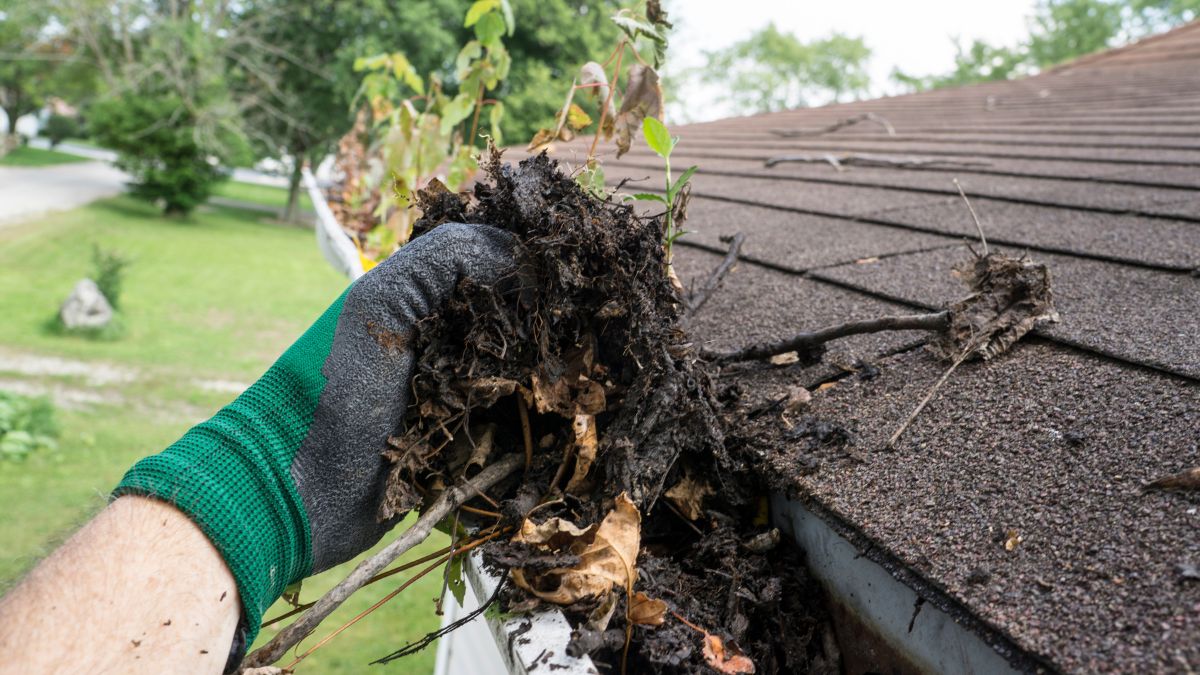
- Remove debris: Scoop out leaves and dirt. Drop into the bucket or onto a tarp.
- Flush gutters: Use a hose to rinse gutters and downspouts. Watch for leaks.
- Inspect: Look for cracks, loose brackets, or signs of rust.
- Check downspouts: Make sure water flows freely. Use a plumber’s snake if clogged.
- Clean up: Dispose of debris and wash tools.
Safety Tips
- Never lean too far from the ladder.
- Wear non-slip shoes.
- Have someone nearby if possible.
- Avoid cleaning gutters during rain or high winds.
Tools And Equipment For Easier Cleaning
Certain tools can make gutter cleaning safer and faster:
- Gutter scoops: Specially shaped for gutters.
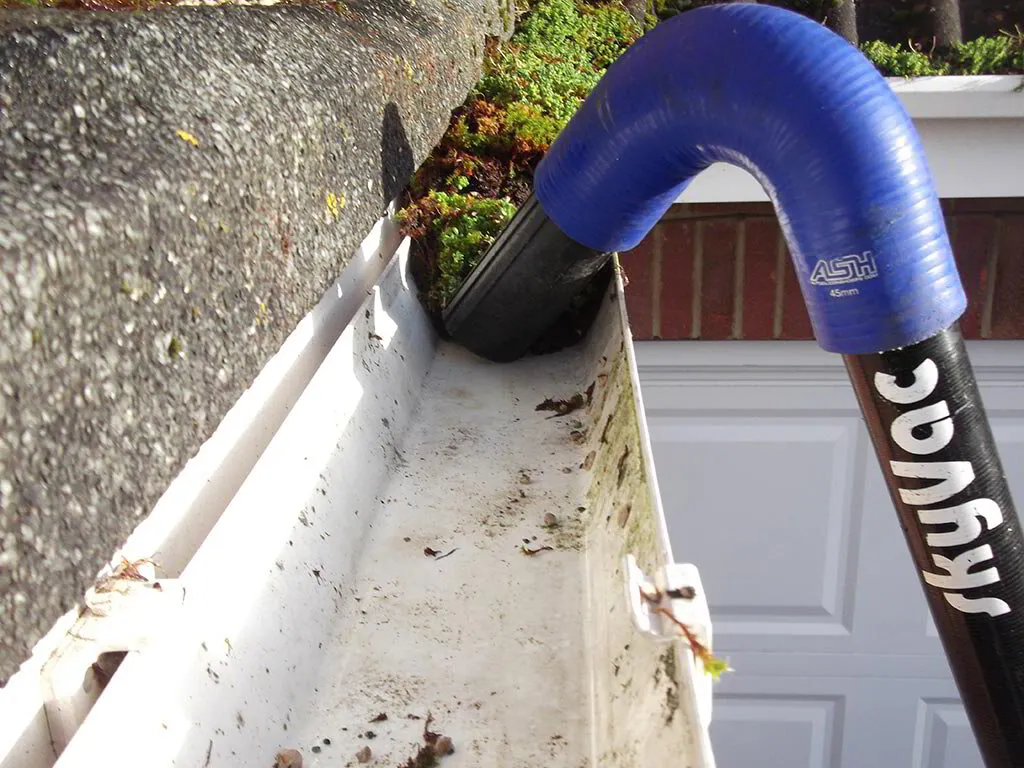
- Extension poles: Let you reach higher spots from the ground.
- Gutter cleaning attachments: Fit on hoses or leaf blowers to clear debris without climbing.
- Gutter guards: Help reduce how often you need to clean (but don’t eliminate it).
Gutter Guards: Do They Reduce Cleaning?
Gutter guards are covers or screens that fit over your gutters to block leaves and debris. There are several types: mesh screens, foam inserts, and solid covers. While they can reduce the amount of debris entering your gutters, they aren’t perfect.
Key Points About Gutter Guards
- Still need inspection and occasional cleaning
- Small seeds and pine needles may slip through
- Guards can get clogged themselves
- Cost varies: $1.50–$10 per foot installed
Many homeowners find that gutter guards cut cleaning frequency in half, but twice-yearly checks are still needed.
Credit: callkangaroof.com
Cost Comparison: Diy Vs. Professional Vs. Gutter Guards
To help you decide the best option, here’s a cost breakdown for a typical 2,000 square foot home:
| Option | Estimated Cost (per year) | Notes |
|---|---|---|
| DIY Cleaning | $0–$30 (tools only) | Labor is your time |
| Professional Cleaning | $200–$500 | Depends on frequency |
| Gutter Guards | $300–$2,000 (one-time) | Still need annual checks |
Common Gutter Cleaning Mistakes
Many people make simple mistakes that reduce the effectiveness of their gutter cleaning. Here are some to avoid:
- Cleaning too early or too late: If you clean before all the leaves fall, you may need to do it twice.
- Ignoring downspouts: Clogged downspouts can cause water to back up even if gutters are clear.
- Not checking for damage: Cracks and loose parts can cause leaks.
- Using the wrong tools: Metal tools can damage gutters; use plastic scoops or your hands.
- Skipping safety: Falls from ladders are a leading cause of home injuries.
Signs Your Gutters Need Immediate Attention
Sometimes, waiting until your next scheduled cleaning is too risky. Here are warning signs that your gutters need urgent care:
- Visible sagging
- Water pooling around the foundation
- Water marks or mildew on exterior walls
- Overflow during even light rain
- Unusual plant growth in gutters
- Nests or pests in gutter system
If you see any of these, act quickly to prevent serious damage.
Seasonal Gutter Maintenance Checklist
A simple checklist can help you remember what to do each season:
Spring
- Remove seeds, pollen, and leftover fall debris
- Check for winter damage
- Ensure downspouts are clear
Summer
- Inspect after storms
- Remove any new debris
- Check for signs of pests
Fall
- Clean after leaves fall
- Inspect for leaks and rust
- Prepare gutters for winter
Winter
- Remove ice dams if safe
- Check for blockages after snowfall
- Look for icicles (a sign of poor drainage)
Advanced Tips And Non-obvious Insights
Most people know the basics, but here are some insights that can make gutter care even more effective:
1. Check For Proper Slope
Gutters need a slight slope toward the downspout—about 1/4 inch for every 10 feet. If water pools in the gutters, adjust the hangers or brackets.
2. Install Splash Blocks Or Downspout Extensions
Even clean gutters can cause problems if water pools at the foundation. Use splash blocks or downspout extenders to move water further away from your home.
3. Watch For Mold And Algae
Gutters that stay wet can grow mold or algae, which can spread to your roof and siding. If you notice green or black slime, clean more often and inspect for blockages.
4. Photograph Problem Areas
Take pictures of any recurring issues. Over time, this can help you spot patterns, such as which gutter sections clog most often.
5. Consider Seamless Gutters
Traditional gutters have seams that can leak or trap debris. Seamless gutters are custom-made for your home and have fewer places for debris to get stuck.
Gutter Cleaning And Home Insurance
Many insurance policies do not cover damage caused by neglected gutters. If you make a claim for water damage, your insurer may ask for proof of regular maintenance. Keep simple records or photos after each cleaning.
Environmental Impact Of Gutter Maintenance
Clogged gutters can lead to soil erosion, water pollution, and pest problems. By keeping gutters clear, you help protect your property and the environment.
If you use chemical treatments to remove moss or algae, follow local guidelines to avoid harming plants and wildlife.
How To Make Gutter Cleaning Easier
If cleaning gutters feels like a big chore, try these ideas:
- Clean on a dry day, when debris is lighter and easier to remove.
- Use a small bucket and a hook to hang it from the ladder.
- Invest in a sturdy ladder with a shelf for tools.
- Wear long sleeves and gloves to protect your skin.
- Invite a friend or family member for safety and company.
Credit: busybeewg.com
When To Replace Gutters
Even with perfect cleaning, gutters don’t last forever. Watch for these signs that it’s time to replace them:
- Rust or holes
- Frequent leaks, even after repairs
- Gutters pulling away from the house
- Paint peeling on the gutters or siding
Most gutters last 20–30 years if maintained well.
Data: Gutter Cleaning And Home Value
A clogged or damaged gutter system lowers your home’s value. According to Remodeling Magazine, buyers will pay more for a home with a well-maintained exterior. Clean gutters are a simple way to boost curb appeal.
Example: How Different Homes Need Different Schedules
Consider these two homes:
- Home A: In a suburban neighborhood, surrounded by maple trees. Needs cleaning four times a year: spring, mid-summer, fall, and after the final leaf drop.
- Home B: Urban townhouse, no nearby trees, mild weather. Twice-a-year cleaning is enough.
This shows why it’s smart to adjust your cleaning schedule to your situation.
Professional Gutter Cleaning Services: What To Expect
If you hire a service, here’s what usually happens:
- Inspection for clogs, leaks, and damage
- Removal of all debris from gutters and downspouts
- Flushing with water to check flow
- Minor repairs (some services include this)
- Written report or photos of work
Some companies offer seasonal contracts. Make sure the service is insured and has good reviews.
For more about gutter maintenance and professional services, check resources like the International Association of Certified Home Inspectors.

Credit: puresealservices.co.uk
Gutter Cleaning Myths
Let’s clear up a few common myths:
- Myth: You only need to clean gutters if you see an overflow.
Fact: By then, water damage may already have started.
- Myth: Gutter guards mean you never need to clean again.
Fact: Guards help, but still need regular checks.
- Myth: Rain washes out all debris.
Fact: Most debris sticks, especially in corners and around hangers.
- Myth: Cleaning once a year is enough for every home.
Fact: Many homes need more frequent cleaning, especially with lots of trees.
Gutter Maintenance Planner
A simple planner can help you stay on top of gutter care. Here’s an example:
| Month | Task |
|---|---|
| March | Spring cleaning, inspect for winter damage |
| June | Quick check after storms |
| September | Early fall cleaning, check gutter guards |
| November | Final cleaning after leaf drop, prep for winter |
Frequently Asked Questions
How Do I Know If My Gutters Need Cleaning If I Can’t See Inside Them?
Look for signs like water overflowing during rain, sagging gutters, or water stains on your siding. You can also tap the gutters with a stick—if you hear a dull thud instead of a hollow sound, debris is likely inside.
Can I Clean Gutters From The Ground?
Yes, there are tools with long handles, hose attachments, and even gutter-cleaning robots. However, they may not remove all debris, especially in corners. For a full clean, you may still need to use a ladder sometimes.
How Long Does Gutter Cleaning Usually Take?
For most single-story homes, expect about 1–2 hours. Two-story homes or gutters with heavy debris can take 2–4 hours. Professionals are often faster due to experience and better equipment.
Are There Any Risks If I Delay Gutter Cleaning?
Delaying cleaning can lead to water damage, wood rot, mold growth, and foundation problems. In some cases, it can even void your home insurance if damage is caused by neglect.
What Safety Gear Should I Use For Gutter Cleaning?
Wear gloves, safety glasses, non-slip shoes, and use a sturdy ladder. If possible, have a second person nearby for extra safety.
Keeping your gutters clean is one of the simplest ways to protect your home from costly damage. The right cleaning schedule depends on your trees, weather, and roof—but a good rule is at least twice a year, and more if you have heavy leaf fall or frequent storms.
Regular gutter care saves money, keeps your home looking great, and prevents many common problems. With the tips and tools in this guide, you can make gutter maintenance a simple, safe part of your home routine.