
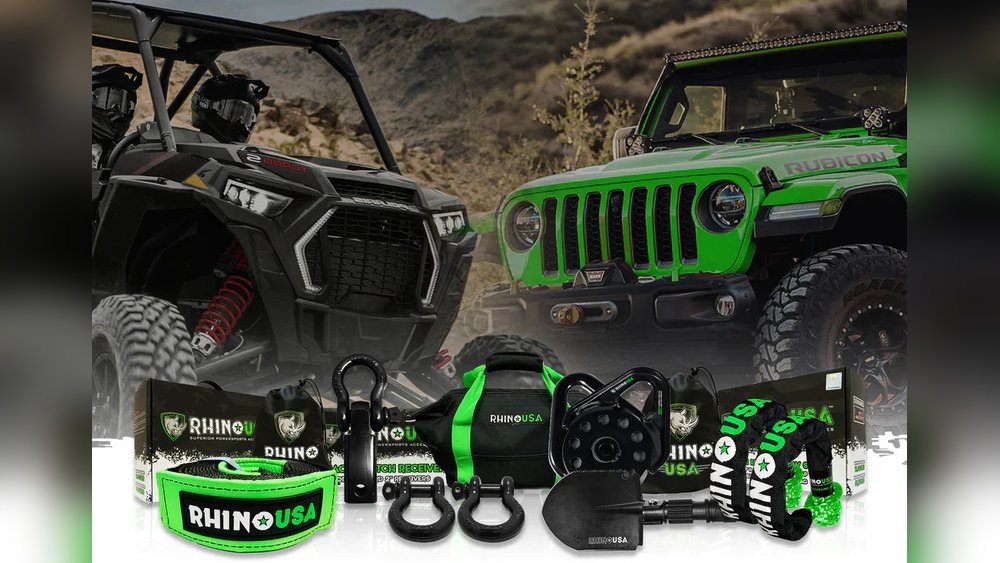
Jeep owners love adventure. Whether you’re tackling rocky trails, muddy paths, or sandy dunes, your Jeep is built for tough terrain. But even the strongest vehicles can get stuck, break down, or need help. That’s where recovery gear comes in.
Having the right recovery tools is not just about safety—it’s about confidence. With the right gear, you can get yourself out of trouble or help others, no matter where you are.
Many beginners think their Jeep’s 4WD is enough. But experienced off-roaders know that smart preparation makes all the difference. Having basic recovery gear is a must for anyone who drives off-road, and knowing how to use it is just as important.
This guide covers everything you need, from essential tools to advanced equipment, plus practical tips and data that most articles miss. Whether you’re new to Jeep adventures or a seasoned explorer, you’ll find useful advice to build a recovery kit that matches your needs.
Why Recovery Gear Is Essential For Jeep Owners
Off-road driving is unpredictable. Even if you plan carefully, you can’t control weather, terrain, or sudden obstacles. Recovery gear is your insurance policy. It helps you recover from situations like:
- Getting stuck in mud, sand, or snow
- Breaking down far from help
- Losing traction on rocks or steep hills
- Helping others who are in trouble
Statistics from the National Park Service show that over 2,000 vehicles get stuck or disabled in remote areas each year. Most could have been recovered faster if the owners had the right gear.
Many Jeep owners underestimate recovery needs. They think a tow strap or a winch is enough. But each situation needs different tools. For example, sand requires shovels and traction boards, while mud demands sturdy winches and recovery ropes. Having a complete recovery kit means you’re ready for anything.
Core Recovery Gear Every Jeep Should Carry
Let’s start with the basics. These are the must-have items for any Jeep owner, whether you’re heading out for a simple trail ride or a week-long expedition.
1. Recovery Straps And Tow Ropes
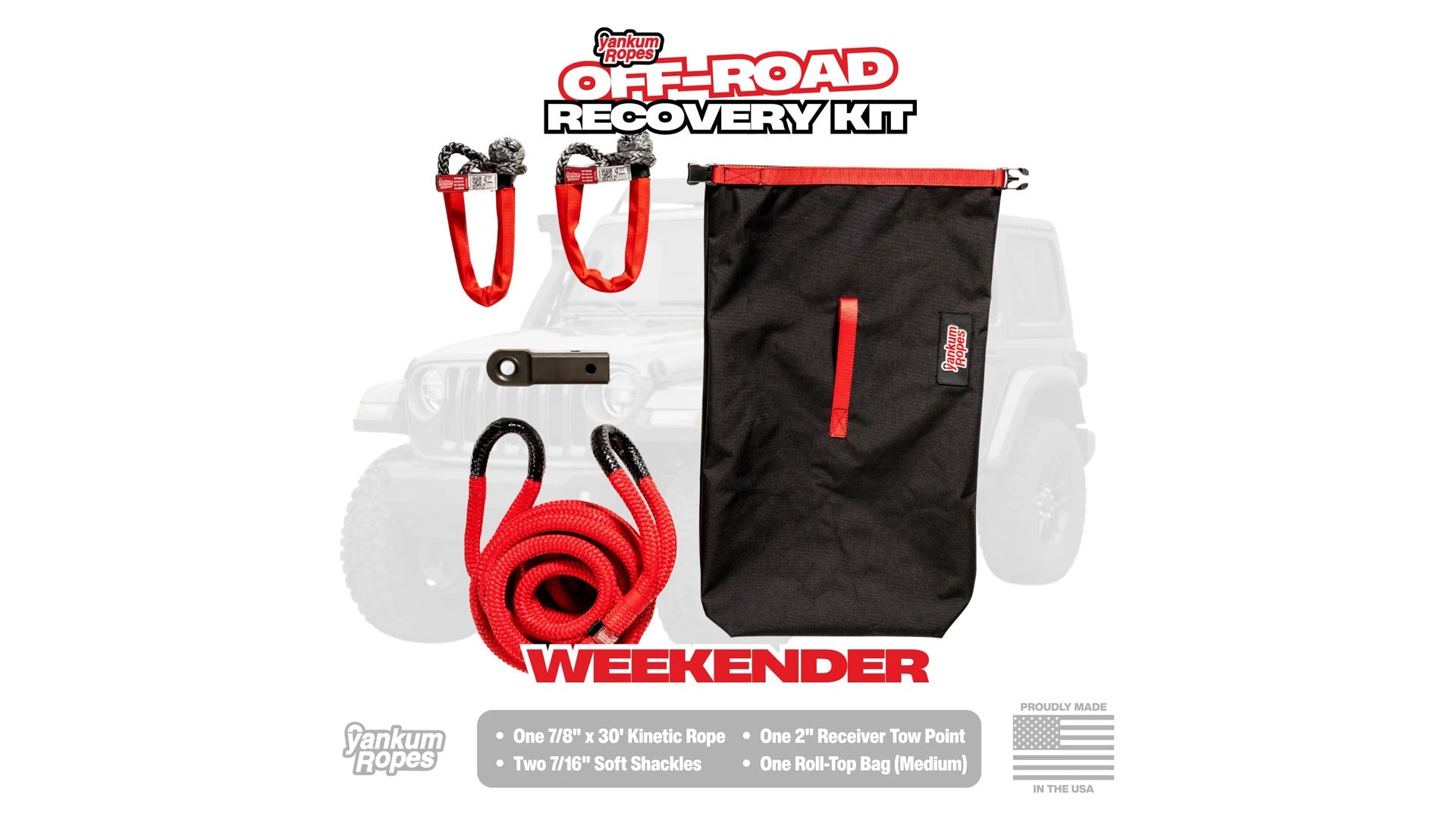
A recovery strap is a strong nylon belt used to pull a stuck vehicle. Unlike chains, straps stretch and absorb shock, making recovery safer. Tow ropes are similar but often less elastic.
Recommended specs:
- Minimum breaking strength: 20,000 lbs for most Jeeps
- Length: 20–30 feet for flexibility
Choose straps with reinforced loops. Avoid hooks, which can snap and cause injuries. Recovery ropes, like the “kinetic” type, stretch more and are ideal for sand or snow.
2. D-shackles (bow Shackles)
These metal connectors attach recovery straps or winch cables to your Jeep’s recovery points. D-shackles are strong and simple to use.
Tips:
- Always use shackles rated above your Jeep’s weight (look for “WLL”—Working Load Limit)
- Never use a damaged or rusty shackle
3. Winch
A winch is a motorized spool that pulls vehicles using a cable. It’s the most powerful recovery tool for tough situations.
Basic specs for Jeep winches:
- Pulling capacity: At least 1.5 times your Jeep’s gross weight (usually 8,000–12,000 lbs)
- Cable type: Synthetic rope is lighter and safer than steel, but steel is more durable
Winches need strong mounting points and proper wiring. Don’t rely on bumper mounts unless they’re rated for recovery.
4. Shovel
A shovel is essential for digging out tires or clearing obstacles. Choose a compact, folding model for easy storage.
5. Traction Boards
These are lightweight mats placed under tires to gain grip on sand, mud, or snow. Traction boards can turn a hopeless situation into a quick recovery.
Comparison table: Traction Board Materials
| Material | Weight | Durability | Best For |
|---|---|---|---|
| Plastic | Light | Medium | Sand, light mud |
| Composite | Medium | High | Mud, snow |
| Metal | Heavy | Very High | Rocks, deep mud |
6. Gloves
Good recovery gloves protect your hands from sharp cables, rocks, and dirt. Synthetic or leather gloves work best.
7. Tire Repair Kit
Flat tires happen often off-road. A tire repair kit lets you fix punctures fast, without removing the tire. Kits should include plugs, a rasp tool, and a compressor.
8. Air Compressor
After recovery, you may need to re-inflate tires. An air compressor is vital if you air down for traction or fix a tire.
Key specs:
- At least 2 CFM (cubic feet per minute) for fast inflation
- Reliable power connections (direct battery clamps are safest)
9. Hi-lift Jack
A Hi-Lift jack lifts your Jeep to change tires, clear obstacles, or recover from deep ruts. It’s versatile, but requires practice.
Safety tip: Always place the jack on stable ground. Use a base plate if needed.
10. Basic Tool Kit
Include wrenches, screwdrivers, pliers, and sockets. A tool kit lets you fix minor issues on the trail.
11. Flashlight Or Headlamp
Recovery often happens in low light. A bright flashlight or headlamp is essential. Choose models with long battery life and water resistance.
12. Emergency Blanket
If you get stuck overnight, an emergency blanket keeps you warm and safe.

Credit: www.fortec4x4.com
Advanced Recovery Gear For Serious Jeep Adventures
If you travel in remote areas or tackle tough trails, you need more than the basics. Advanced gear helps with difficult recoveries and adds safety.
1. Snatch Block
A snatch block is a pulley that doubles your winch’s pulling power and changes the direction of cable pulls. It’s crucial for heavy loads.
2. Tree Saver Strap
When winching off trees, a tree saver strap protects both the tree and your cable. It’s wider than normal straps and wraps around trunks.
3. Recovery Damper
A recovery damper is a weighted blanket placed on cables or straps. If a cable snaps, the damper absorbs energy and reduces danger.
4. Pull-pal Anchor
In soft ground, a Pull-Pal anchor digs in and gives your winch something to pull against. It’s useful when there’s nothing else to anchor to.
5. Portable Jump Starter
Batteries die in cold or after long winch pulls. A jump starter lets you restart your Jeep anywhere.
6. Spare Fluids
Carry extra engine oil, coolant, and brake fluid. Leaks or overheating can leave you stranded.
7. Recovery Rope
Different from a strap, a kinetic recovery rope uses elastic energy to pull vehicles out smoothly. It’s best for mud or snow.
8. Exhaust Jack
An exhaust jack inflates under your Jeep using exhaust gases. It lifts the vehicle quickly, even on sand or mud.
9. Winch Extension Rope
Sometimes the winch cable isn’t long enough. A winch extension rope adds distance and flexibility.
10. Lug Wrench
Changing tires off-road is harder than in a garage. A sturdy lug wrench makes the job faster.
How To Choose Recovery Gear For Your Jeep
Not all recovery gear is equal. Here’s how to pick the right tools:
Match Gear To Your Jeep’s Weight
Always check your Jeep’s weight (curb weight + gear + passengers). Buy gear rated at least 1. 5 times heavier. For example, if your Jeep weighs 5,000 lbs, look for straps, winches, and shackles rated for 7,500–10,000 lbs.
Consider Terrain And Climate
Mud, sand, rocks, snow—all need different tools. For sand, focus on traction boards and shovels. For rocks, strong winches and metal boards are best. Cold climates demand jump starters and blankets.
Storage And Accessibility
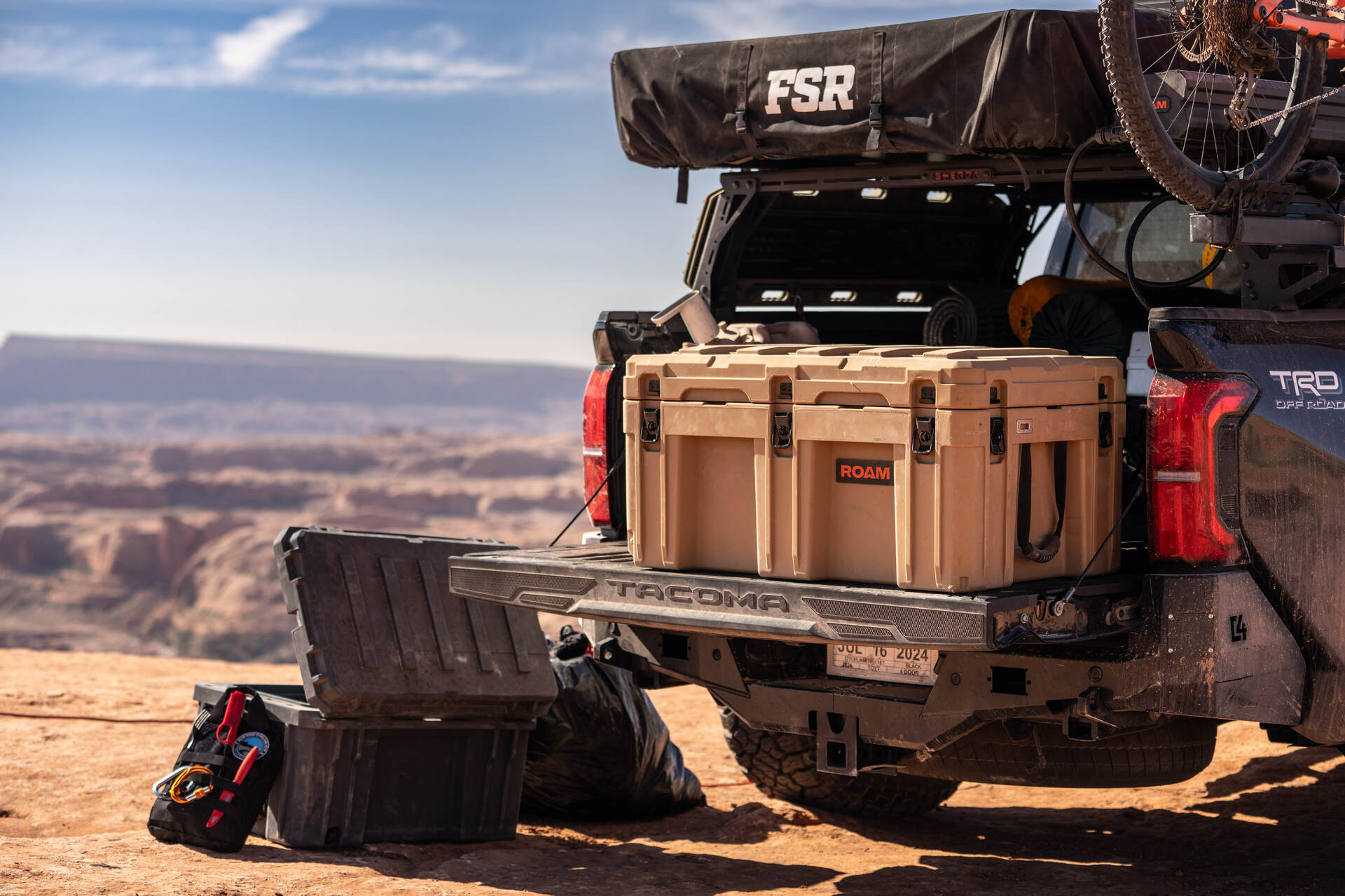
Recovery gear is useless if you can’t reach it fast. Store tools where you can grab them quickly. Use gear bags or mount items securely. Loose gear can cause injuries during sudden stops.
Quality Vs. Price
Cheap gear can fail when you need it most. Invest in trusted brands and check reviews. Look for certifications like “CE” or “ISO” for safety.
Data table: Popular Recovery Gear Brands
| Brand | Known For | Price Range | Reliability |
|---|---|---|---|
| ARB | Straps, winches | High | Very High |
| Warn | Winches | High | Very High |
| Factor 55 | Shackles, accessories | Medium | High |
| Smittybilt | Jacks, ropes | Medium | Medium |
| Maxtrax | Traction boards | Medium | High |
Common Mistakes Jeep Owners Make
- Overestimating 4WD: Many believe 4WD means “unstoppable.” In reality, it helps traction but doesn’t prevent getting stuck.
- Ignoring gear ratings: Using under-rated straps or winches can cause dangerous failures.
- Not practicing recovery: Gear is only useful if you know how to use it. Practice with friends in safe areas.
- Forgetting spare parts: Missing small items like fuses, tire plugs, or shackles can ruin recovery attempts.
- Skipping regular checks: Gear can degrade over time. Inspect all items before each trip.
Real-world Recovery Scenarios: What Works Best
Recovery is not just about gear—it’s about technique. Here are practical examples:
Mud Recovery
Mud is sticky and deep. A kinetic rope, traction boards, and a shovel are key. Lower tire pressure for better grip. Use recovery points (never tow from bumpers).
Insider tip: If mud is very deep, dig a path for the tires and lay boards down before pulling. Don’t spin tires, which digs you in deeper.
Sand Recovery
Sand requires momentum and smooth movements. Traction boards and shovels are most important. Air down tires to 12–15 PSI for extra surface area.
Non-obvious insight: Carrying a second set of boards helps when all four tires are buried.
Rock Recovery
Rocky trails are rough on vehicles. A winch, snatch block, and metal traction boards are best. Protect your Jeep’s undercarriage with skid plates.
Advanced tip: Use a winch extension rope to anchor to distant rocks or trees.
Snow Recovery
Snow hides obstacles and reduces traction. Shovels, kinetic ropes, and traction boards are essential. Air down tires, but avoid freezing the bead.
Practical advice: Keep a jump starter handy—cold drains batteries fast.
How To Use Recovery Gear Safely
Safety should always come first. Recovery gear can be dangerous if used wrong. Follow these steps:
- Assess the situation: Check the terrain, angle, and how deeply your Jeep is stuck.
- Clear the area: Make sure bystanders are at least 1.5 times the length of the winch cable away.
- Use proper attachment points: Only use factory recovery points or rated aftermarket mounts.
- Wear gloves: Protect your hands from sharp cables and debris.
- Use dampers: Always place a damper or blanket on cables or straps.
- Check gear before use: Look for fraying, cracks, or damage.
- Communicate clearly: Use hand signals or radios if possible.
Statistic: According to off-road safety studies, improper use of recovery gear causes over 20% of all trail injuries.
Credit: summit4x4company.com
Building A Custom Jeep Recovery Kit
Every Jeep is different. Your recovery kit should fit your needs, not just follow a standard list.
Steps To Build Your Kit
- List your typical terrain: Is it mostly mud, sand, rocks, or snow?
- Write down your Jeep’s specs: Weight, wheel size, attachments.
- Choose gear by priority: Essentials first, then advanced tools.
- Organize gear by frequency: Keep most-used items accessible.
- Add personal extras: Water, snacks, first-aid, maps.
Example custom kit:
- For muddy trails: Kinetic rope, winch, shovel, gloves, tire repair kit
- For sandy beaches: Traction boards, shovel, air compressor, emergency blanket
- For rocky climbs: Winch, snatch block, metal boards, hi-lift jack
How To Maintain Recovery Gear
Gear needs regular care:
- Wash straps and ropes after use to remove mud and grit
- Inspect winch cables for fraying or rust
- Lubricate shackles and jacks
- Store gear dry to prevent mold
- Recharge jump starters monthly
Recovery Gear For Group Jeep Trips
Traveling with other Jeeps changes your recovery strategy. Shared gear can lighten the load, but you need coordination.
Essential Group Gear
- Extra straps and shackles
- Multiple radios for communication
- Group first-aid kit
- Spare fluids for all vehicles
- Emergency locator device
Non-obvious insight: Assign roles—one person leads recovery, others keep watch or prepare gear. This prevents confusion and speeds up rescue.
Group Recovery Techniques
- Use two Jeeps to pull from different angles
- Anchor winches to each other for tricky spots
- Share traction boards and tools
Safety tip: Always agree on hand signals and recovery plans before heading out.
Credit: runnin4tacos.com
Jeep Recovery Gear: Data And Trends
Recovery gear is evolving. Here are current trends and stats:
- Synthetic winch ropes are now used by 70% of Jeep owners for their lighter weight and safety.
- Traction boards sales grew by 25% in 2023, as more owners tackle sand and snow.
- Portable jump starters are now standard in over 60% of recovery kits.
- Off-road accidents are down 15% where organized Jeep clubs require recovery gear checks.
External resource: For deeper research on off-road safety and gear, see National Park Service’s Off-Road Safety Guide.
Frequently Asked Questions
What Is The Most Important Recovery Gear For A Jeep?
The recovery strap is the most basic and versatile item. It helps in most situations and is easy to use. For tougher terrain, a winch is essential.
Can I Use Any Tow Point On My Jeep For Recovery?
No. Only use factory recovery points or aftermarket mounts rated for your Jeep’s weight. Never tow from bumpers or suspension parts—they can break and cause injuries.
How Often Should I Check My Recovery Gear?
Inspect your gear before every trip. Look for fraying, rust, cracks, or other damage. Replace any item that shows wear.
Is It Necessary To Carry All Gear, Even For Short Trips?
For short trips, carry the basics: strap, shackles, shovel, gloves, and a tire repair kit. For longer or remote trips, add advanced gear like winches, jump starters, and traction boards.
What Is A Recovery Damper And Why Is It Important?
A recovery damper is a safety device placed on cables or straps. If the line breaks, the damper absorbs energy, reducing risk of injury from flying debris.
Jeep adventures are exciting, but they demand respect for the terrain and smart preparation. The right recovery gear makes every trip safer and more enjoyable. With these tools and tips, you’ll be ready for anything the trail throws at you.