
Owning a Jeep Wrangler is more than just having a vehicle; it’s a lifestyle. Wranglers are known for their rugged design, off-road ability, and versatility. For many Jeep owners, switching between a soft top and a hardtop is a seasonal ritual. A hardtop gives you better security, improved insulation, and a quieter ride. But installing a hardtop isn’t always easy, especially for first-timers or DIY enthusiasts. If you’re thinking about adding or switching to a hardtop on your Wrangler, this article will guide you step-by-step. You’ll also find practical tips, common mistakes to avoid, and helpful advice that even experienced Jeep owners sometimes overlook.
Why Install A Hardtop On Your Jeep Wrangler?
Choosing a hardtop for your Wrangler can change your driving experience. Here’s why it matters:
- Weather protection: Hardtops are much better at blocking rain, snow, and wind than soft tops.
- Security: They make it harder for thieves to break in.
- Noise reduction: A hardtop is quieter on highways and city roads.
- Insulation: You’ll stay warmer in winter and cooler in summer.
- Resale value: Wranglers with hardtops often fetch higher prices.
A hardtop is a major upgrade, especially if you drive daily or live in areas with extreme weather. Before you start, it’s important to understand what’s involved and what tools and parts you’ll need.
Preparing For Hardtop Installation
Getting ready is half the job. Skipping preparation can lead to frustration, mistakes, or even damage to your Jeep. Here’s how to prepare:
Check Compatibility
Not all hardtops fit every Wrangler. There are different generations, such as JK, JL, and TJ, and both 2-door and 4-door versions.
| Jeep Model | Year Range | Hardtop Fitment |
|---|---|---|
| Wrangler TJ | 1997–2006 | TJ Hardtop Only |
| Wrangler JK | 2007–2018 | JK Hardtop Only |
| Wrangler JL | 2018–Present | JL Hardtop Only |
Check your Jeep’s year and model before buying a hardtop. If you’re unsure, your VIN number can help identify your Wrangler.
Gather Tools And Parts
You’ll need some basic tools, plus a few specialty items:
- Torx wrenches (usually T40 and T50)
- Socket set
- Ratchet
- Protective gloves
- Soft cloths or moving blankets
- Helpers (2–3 people recommended)
- Hardtop bolts and washers
- Wiring harness (for rear defroster and wiper, if your hardtop has these features)
Many Jeep owners forget to prepare for wiring. If your hardtop has a rear wiper or defroster, make sure your Jeep has the necessary wiring. If not, kits are available from dealers.
Inspect The Hardtop
Before installation, check the hardtop for:
- Cracks or damage
- Missing bolts or hardware
- Clean window seals and surfaces
Even new hardtops can arrive with defects. Small issues can lead to leaks or rattles, so inspect carefully.
Removing The Soft Top Or Previous Hardtop
Switching to a hardtop usually means removing your current top. Here’s how:
Removing A Soft Top
- Unlatch and fold: Open the latches at the windshield and fold back the fabric.
- Remove side windows: Unzip and take off the side windows.
- Remove rear window: Unzip and slide out the rear window.
- Detach frame: Use a Torx wrench to unscrew the frame from the roll bars.
- Store safely: Keep all hardware and fabric in a dry, safe place.
Removing An Existing Hardtop
- Disconnect wiring: If your hardtop has a rear wiper or defroster, unplug the connectors near the tailgate.
- Unscrew bolts: Use a Torx wrench to remove all bolts from the hardtop.
- Lift carefully: With 2–3 helpers, lift the hardtop straight up and away from the Jeep.
- Store upright: Place the hardtop on moving blankets or a stand to prevent scratches.
Many beginners forget to unplug wiring before lifting. This can damage connectors and cost you time and money.
Step-by-step Hardtop Installation
Installing a hardtop is straightforward, but you must follow each step carefully. Here’s a practical guide:
Position The Hardtop
With your helpers, line up the hardtop with the Jeep’s body. Move slowly and avoid scraping the paint. The hardtop is heavy (about 130–150 pounds), so don’t try to lift it alone.
Align The Hardtop
Make sure the hardtop lines up with the windshield frame and rear corners. If misaligned, you may get leaks or wind noise.
Secure With Bolts
Using a Torx wrench, insert bolts into the designated holes:
- Windshield frame: Usually 2 bolts, one on each side.
- Rear corners: 4–6 bolts, depending on model.
- Side rails: Some models have extra bolts for stability.
Tighten bolts snugly, but don’t overtighten. Too much force can crack the hardtop or strip threads.
Connect Wiring
If your hardtop has a rear wiper or defroster, plug the connectors into the Jeep’s wiring harness. If your Jeep isn’t equipped, you’ll need an upgrade kit.
Install Rear Window And Panels
Some hardtops come in multiple pieces, like the Freedom Top (JK and JL models). For these:
- Install rear section: Position and bolt down the main part.
- Add front panels: Insert and lock smaller panels above driver/passenger seats.
These panels often have twist-lock fasteners. Make sure they’re secure to avoid rattles.
Check Seals And Fit
Look at all seals, especially around the windshield and rear window. Press gently to check for gaps. A good seal prevents water leaks and wind noise.
Pro Tips For Smooth Installation
Even experienced Jeep owners overlook these practical tips:
- Use moving blankets: Cover the Jeep’s body and hardtop edges to protect from scratches.
- Apply silicone lubricant: Spray a small amount on rubber seals to keep them soft and prevent leaks.
- Check bolt torque: Most hardtop bolts need about 18–20 ft-lbs. Use a torque wrench if possible.
- Clean surfaces before installing: Dust or debris can cause leaks and damage seals.
- Label bolts and hardware: If you switch between tops often, use zip bags and labels for bolts.
Many people rush the install, leading to leaks or wind noise. Taking your time prevents future headaches.
Common Mistakes And How To Avoid Them
Installing a hardtop seems simple, but small errors can cause big problems.
Forgetting To Disconnect Wiring
If you remove a previous hardtop, always disconnect wiring for wiper and defroster first. Pulling without unplugging can damage connectors.
Misplacing Bolts
Hardtop bolts are unique. Mixing them up with soft top hardware can cause fitment issues. Use zip bags and labels.
Overtightening Bolts
Too much force can crack the fiberglass or strip threads. Tighten bolts until snug, not beyond.
Skipping Seal Inspection
Hardtop seals are your first defense against leaks. Always check and clean them before installation.
Installing Alone
Hardtops are heavy and awkward. Trying to install alone risks injury and damage. Always ask for help.
Comparing Hardtop Vs Soft Top
Choosing between hardtop and soft top depends on your needs. Here’s a comparison:
| Feature | Hardtop | Soft Top |
|---|---|---|
| Weather Protection | Excellent | Moderate |
| Security | High | Low |
| Noise Level | Low | High |
| Installation Difficulty | High | Moderate |
| Weight | 130–150 lbs | 50–70 lbs |
| Seasonal Flexibility | Low | High |
| Cost | $1,500–$2,500 | $500–$1,200 |
Hardtops are best for year-round driving, especially in cold or wet climates. Soft tops are easier to remove and store, ideal for warm weather and off-roading.
Choosing The Right Hardtop For Your Wrangler
Not all hardtops are equal. Here’s what to look for:
Material
Most Wrangler hardtops are made of fiberglass. It’s strong, lightweight, and easy to repair. Some aftermarket tops use plastic blends, but these can be less durable.
Features
- Tinted windows: Reduce glare and improve privacy.
- Rear wiper and defroster: Essential for winter driving.
- Modular panels: Easier to remove in warm weather.
- Roof racks: Useful for carrying gear.
Fitment
Check if the hardtop is designed for your exact model and year. If you drive a 4-door JK, don’t try to fit a 2-door hardtop.
Warranty
A good hardtop should come with at least a 1-year warranty. Some brands offer up to 3 years.
Price
While OEM hardtops (factory original) are expensive, aftermarket options can save money. However, quality varies. Choose trusted brands and check reviews before buying.
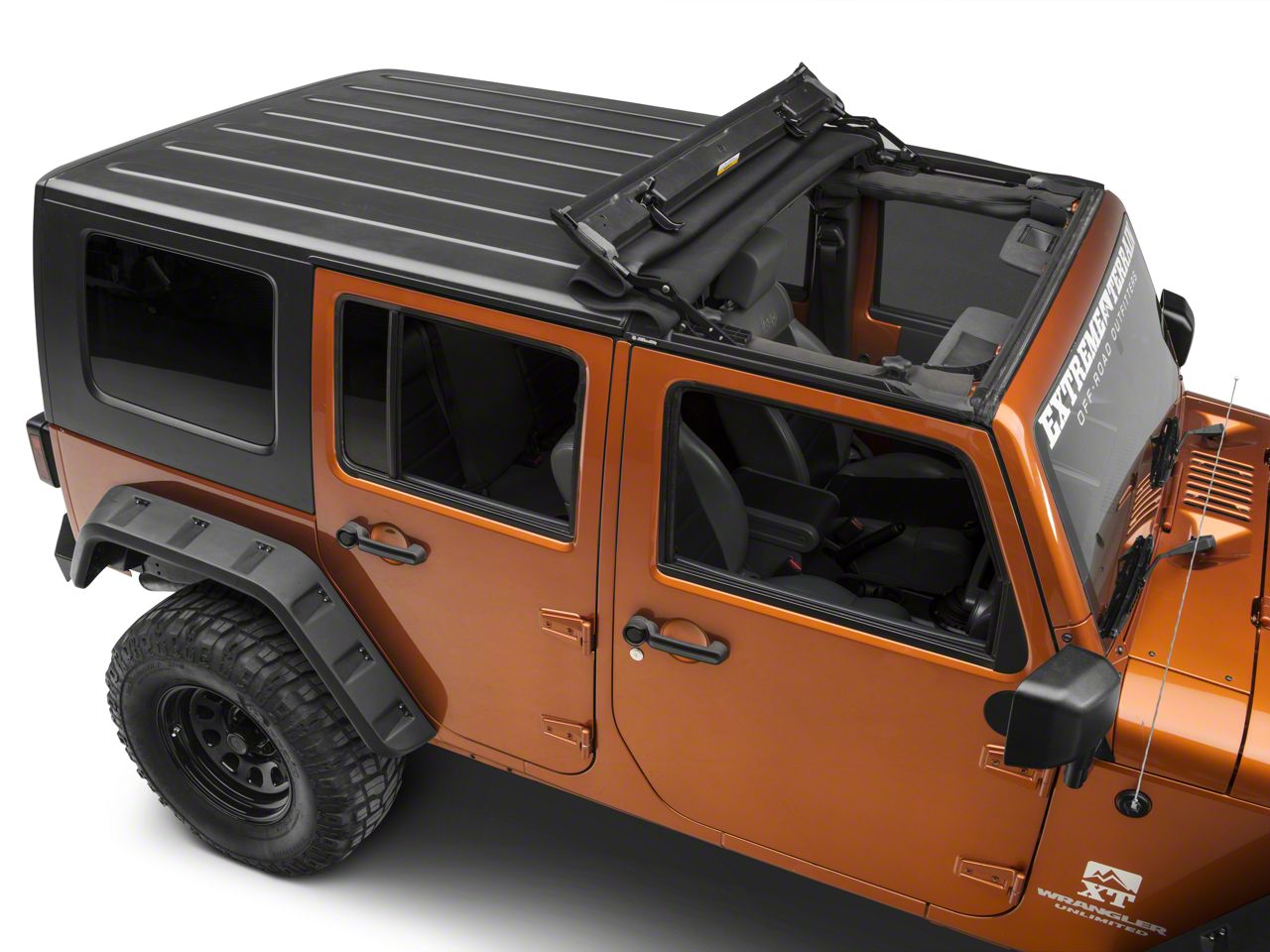
Credit: www.extremeterrain.com
Installation Costs And Labor
Installing a hardtop at home can save money, but professional installation is available.
Diy Installation
- Cost: Free if you own tools
- Time: 1–2 hours with 2–3 helpers
- Skill level: Moderate
Professional Installation
- Cost: $150–$300 (labor only)
- Time: 1–2 hours
- Benefits: Guaranteed fitment, no risk of injury
If you’re new to Jeep mods, paying for installation can be a good investment.
Maintenance Tips After Installation
Once your hardtop is installed, proper care keeps it in top shape.
- Wash regularly: Use mild soap and water. Avoid harsh chemicals.
- Check seals quarterly: Look for cracks or gaps.
- Lubricate locks and latches: Prevent sticking and rust.
- Inspect mounting bolts: Retighten every few months.
- Store panels safely: If you remove modular panels, store them on soft surfaces.
Many owners forget about maintenance. Neglecting seals or bolts can lead to leaks and rattles.
Troubleshooting Hardtop Issues
Sometimes problems come up after installation. Here’s how to fix the most common issues:
Water Leaks
- Check seals: Clean and inspect all rubber seals.
- Re-tighten bolts: Loose bolts can cause gaps.
- Use weatherproof tape: Small leaks can be fixed temporarily.
Wind Noise
- Check alignment: Misaligned tops create gaps.
- Inspect seals: Hardened or damaged seals increase noise.
- Add foam tape: Some owners use thin foam tape to improve the seal.
Electrical Issues
- Check connectors: Make sure wiring is fully plugged in.
- Test fuses: If wipers or defrosters don’t work, check the fuse box.
- Consult dealer: For major problems, visit a Jeep dealership.
Storage Tips For Removed Hardtop
If you switch between hardtop and soft top, storing your hardtop safely is important.
Use A Hardtop Stand
Specialized stands keep your hardtop upright and protect edges. They cost $100–$200.
Cover With Moving Blankets
Lay blankets under and over the hardtop to prevent scratches.
Avoid Direct Sunlight
Store your hardtop indoors or under shade. UV rays can fade paint and weaken seals.
Keep Hardware Together
Label bags for bolts, washers, and wiring connectors.
Many owners simply lean the hardtop against a wall, which can lead to cracks or warping.

Credit: www.ramyautomotive.com
Jeep Wrangler Hardtop Installation: Real-world Examples
Let’s look at how real owners handle hardtop installation.
Example 1: Jl Wrangler Owner
Sarah owns a 2021 JL Wrangler. She bought a modular hardtop for winter. With two friends, she installed the top in about 90 minutes. Her tip: Use painter’s tape on the door edges to prevent scratches while lifting the hardtop.
Example 2: Jk Wrangler Owner
Mike has a 2013 JK Wrangler. He switched from soft top to hardtop for better security. He used a torque wrench to avoid overtightening bolts. Mike recommends checking seals every season, as he found a small leak after his first winter.
Example 3: Tj Wrangler Owner
Carlos owns a 2004 TJ Wrangler. He found a used hardtop online. Installation went smoothly, but he needed to buy a wiring harness for the rear wiper. His advice: Check for missing hardware before starting, as used tops often lack bolts.
Jeep Wrangler Hardtop Safety And Handling
Safety is often overlooked. Here’s how to handle your hardtop safely:
- Lift with your legs: Never lift heavy items with your back.
- Use gloves: Protect hands from sharp edges.
- Work in a clear space: Remove obstacles before starting.
- Secure the top: Don’t drive until all bolts and wiring are connected.
Hardtops are heavy. Injuries and damage are common when people rush or work alone.
Upgrading Hardtop Features
Want more from your hardtop? Here are common upgrades:
- Sound insulation kits: Reduce road noise.
- Roof racks: Carry bikes, kayaks, or camping gear.
- Interior lighting: Some hardtops come with built-in LED lights.
- Painted finishes: Match your Jeep’s color for a custom look.
These upgrades can be added after installation. Check compatibility before buying.
Environmental Impact Of Hardtop Choices
Jeep hardtops are made mostly of fiberglass, which is durable but hard to recycle. If you replace your hardtop, look for ways to reuse or sell the old one rather than sending it to landfill. Aftermarket companies sometimes offer recycling programs.
Comparing Popular Jeep Wrangler Hardtop Brands
If you’re shopping for a hardtop, brand matters. Here’s a quick comparison:
| Brand | Material | Warranty | Price Range |
|---|---|---|---|
| Mopar (OEM) | Fiberglass | 3 Years | $2,000–$2,500 |
| Bestop | Fiberglass | 1 Year | $1,500–$2,000 |
| Rugged Ridge | Plastic Blend | 1 Year | $1,200–$1,800 |
| DV8 Offroad | Fiberglass | 2 Years | $1,700–$2,200 |
OEM Mopar tops are the gold standard but expensive. Aftermarket brands offer good value, but check reviews and warranty terms.
Jeep Wrangler Hardtop Installation For Beginners: Hidden Insights
Here are two insights many new owners miss:
- Check local laws: Some states require rear window wipers for safety. If your hardtop doesn’t have one, you may need to upgrade.
- Insurance discounts: Some insurers give lower rates for hardtop-equipped Wranglers due to better security.
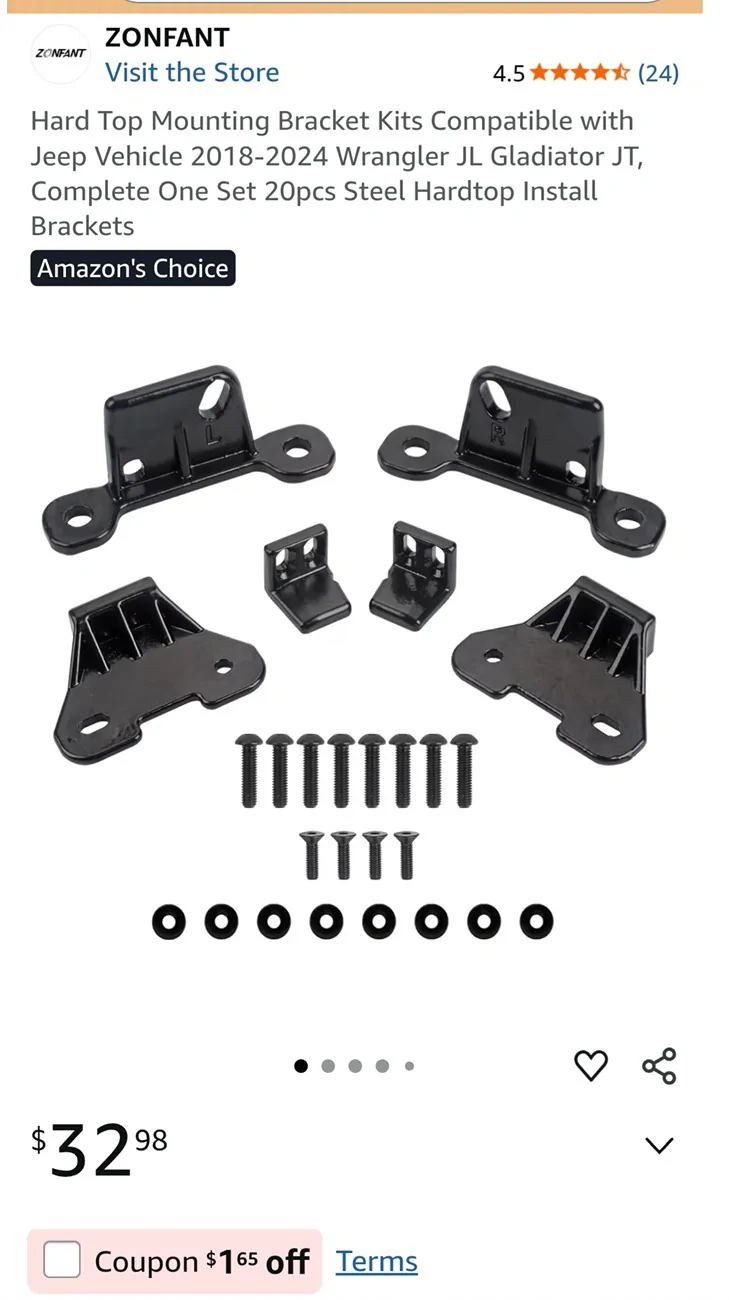
Credit: www.jlwranglerforums.com
Resources For Jeep Owners
Want more info? The official Jeep website has guides and videos for hardtop installation. Forums like WranglerForum and JeepGarage offer advice from fellow owners. For wiring kits and installation help, visit Jeep Official Site.
Frequently Asked Questions
How Heavy Is A Jeep Wrangler Hardtop?
A typical hardtop weighs 130–150 pounds. Always use 2–3 people when lifting and installing to prevent injuries.
Can I Install A Hardtop Alone?
It’s not recommended. Hardtops are heavy and awkward to handle. Solo installation risks injury and can damage your Jeep’s paint or glass.
Will A Hardtop From An Older Wrangler Fit My New Model?
No. Hardtops are model- and year-specific. For example, a JK hardtop won’t fit a JL. Always check compatibility before buying.
How Do I Prevent Leaks After Installing A Hardtop?
Check all rubber seals for cracks or debris. Tighten bolts evenly and clean surfaces before installation. Use silicone lubricant to keep seals flexible.
Is Professional Installation Worth The Money?
If you’re new to Jeep mods or don’t have helpers, professional installation ensures proper fitment and prevents mistakes. It costs $150–$300 but saves time and hassle.
Jeep Wrangler owners often find that installing a hardtop transforms their driving experience. With the right preparation, tools, and tips, you can do the installation yourself and enjoy all the benefits that come with it. Take your time, ask for help, and remember: a little attention to detail goes a long way. Whether you’re switching for winter, upgrading for security, or just wanting a quieter ride, a hardtop is a smart investment for any Wrangler.