
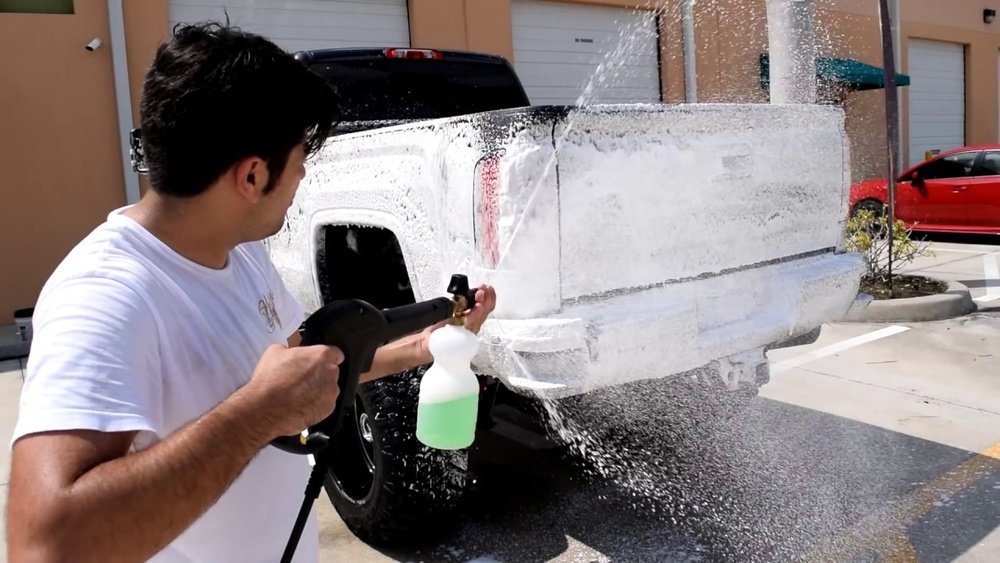
Cleaning your car, driveway, or outdoor furniture can feel like a big job. If you want results that look professional, a foam cannon with a pressure washer is a smart tool combination. Foam cannons cover surfaces with thick soap foam, making dirt easier to remove and reducing scratches. Many people think using a foam cannon is complicated, but with the right steps, anyone can do it safely and effectively. This guide will help you understand how foam cannons work, how to use them, and what to watch out for. You’ll also see data, comparisons, and practical tips that most beginners miss.
What Is A Foam Cannon?
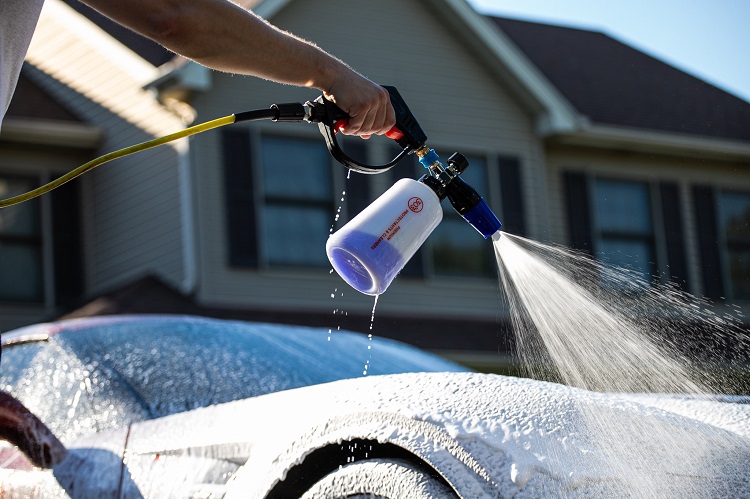
A foam cannon is a special attachment for a pressure washer. It mixes soap, water, and air to create thick foam. This foam sticks to surfaces, lifts dirt, and makes cleaning easier. Foam cannons are popular for washing cars, but you can use them on many things—bicycles, windows, outdoor furniture, and more.
Key features of foam cannons:
- Adjustable nozzle for spray pattern
- Soap reservoir (usually 1 liter)
- Quick-connect fitting for pressure washer wand
The foam cannon saves time and gives better results than hand washing or regular hose spraying. It uses less water and reduces the risk of scratches, especially on car paint.
Why Use A Foam Cannon With A Pressure Washer?
You might wonder why you need both a foam cannon and a pressure washer. Here’s what makes this combination powerful:
- Thicker foam: Pressure washers force water and soap together at high speed, making foam that sticks longer and cleans better.
- Deeper cleaning: The foam loosens dirt, grime, and contaminants. The pressure washer then rinses it away easily.
- Safer for surfaces: The foam acts as a cushion. It prevents grit from scratching paint or delicate materials.
- Saves time: Larger surfaces are covered quickly, so you spend less time scrubbing.
According to industry data, using a foam cannon reduces cleaning time by 30–40% compared to hand washing. Car detailing shops rely on foam cannons for consistent results.
Types Of Foam Cannons And Pressure Washers
Before you start, you need to pick the right foam cannon and pressure washer. There are many models, but not all work well together. Let’s compare the main types.
Foam Cannon Types
| Type | Reservoir Size | Spray Adjustment | Common Use |
|---|---|---|---|
| Standard | 1 liter | Yes | Cars, home |
| Mini | 0.5 liter | Limited | Bicycles, small items |
| Professional | 1–2 liters | Advanced | Detail shops |
Standard foam cannons are best for most users. Mini cannons are lighter but need refilling more often. Professional cannons have stronger fittings and larger reservoirs.
Pressure Washer Types
| Type | PSI Range | GPM | Best For |
|---|---|---|---|
| Electric | 1200–2000 | 1.2–1.6 | Home use |
| Gas | 2000–3500 | 2.0–3.5 | Commercial |
| Commercial | 3500+ | 4.0+ | Heavy-duty |
Electric pressure washers are quieter and easier to use. Gas models are more powerful but heavier and need more maintenance. For most home jobs, electric washers work well with foam cannons.
Matching Foam Cannon And Pressure Washer
The foam cannon must fit the pressure washer’s wand or trigger. Most foam cannons use a ¼-inch quick-connect fitting. Check your pressure washer’s specs before buying.
Foam cannons need enough water pressure to work. If your pressure washer is below 1200 PSI or under 1. 2 GPM, foam may be thin. For thick foam, aim for at least 1500 PSI and 1. 4 GPM.
Choosing The Right Soap
Not all soaps are the same. Using the wrong soap can damage surfaces or clog your foam cannon. Always use a car wash soap or foam cannon-specific soap.
What to look for:
- PH-balanced: Safe for paint, plastic, and metal
- No wax: If you plan to wax after washing, avoid soap with wax
- Concentrated: More foam with less product
- Biodegradable: Better for the environment
Some soaps are made for foam cannons and create thicker foam. Popular brands include Chemical Guys, Meguiar’s, and Adam’s Polishes. Avoid dish soap or household cleaners—they can strip wax and harm surfaces.
How To Set Up Your Foam Cannon
Setting up your foam cannon is simple, but a few steps matter for safety and results. Here’s how to do it:
- Attach foam cannon to pressure washer wand
- Use the quick-connect fitting.
- Check for leaks.
- Fill the soap reservoir
- Add the right amount of soap (usually 1–2 oz per liter).
- Fill with warm water for better mixing.
- Adjust the nozzle
- Set spray pattern (wide or narrow).
- Set foam thickness using the top dial.
Pro tip: Shake the reservoir before use. This mixes soap and water, making thicker foam.
Step-by-step Guide: Using A Foam Cannon
Now you’re ready to use your foam cannon. Follow these steps for best results.
1. Pre-rinse The Surface
Before applying foam, rinse the surface with plain water. This removes loose dirt and prevents scratches. Use the pressure washer’s regular nozzle.
2. Apply Foam
Switch to the foam cannon. Spray foam over the surface, starting at the top and working down. Cover everything with a thick, even layer.
- For cars: Cover roof, hood, doors, wheels, and bumpers.
- For driveways or furniture: Cover all sides.
Let the foam sit for 3–5 minutes. This gives soap time to loosen dirt. Don’t let it dry—work in the shade if possible.
3. Agitate With A Wash Mitt (optional)
For cars and delicate surfaces, gently rub with a wash mitt. Use separate mitts for wheels and paint to avoid scratches.
4. Rinse With Pressure Washer
Switch back to the regular nozzle. Rinse off all foam, dirt, and soap. Start at the top and work down.
5. Dry And Inspect
Use a microfiber towel or air blower to dry. Check for missed spots or stubborn dirt.
Common Mistakes And How To Avoid Them
Many beginners make mistakes that reduce cleaning results or damage their equipment. Here are the most frequent issues:
- Wrong soap ratio: Too much soap can clog the cannon, too little makes thin foam. Follow manufacturer instructions.
- Low water pressure: If foam is watery, your pressure washer may be too weak.
- Letting foam dry: Dried soap leaves spots and streaks. Rinse before it dries.
- Skipping pre-rinse: Loose dirt causes scratches if not rinsed first.
- Using hot water: Too hot water can damage seals in the foam cannon.
- Not cleaning the cannon: After each use, rinse the foam cannon with clean water to prevent buildup.
Non-obvious insight: If your foam is thin even with good pressure, try distilled water. Hard water reduces foaming.
Advanced Tips For Better Results
If you want to get professional-level results, try these tips:
- Use two buckets: When washing cars, use one for soap, one for rinsing the mitt. This keeps dirt out of the soap.
- Foam dwell time: Experiment with letting foam sit longer. If the surface is very dirty, let the foam sit for up to 10 minutes, but don’t let it dry.
- Temperature matters: Warm (not hot) water makes thicker foam. Cold water works but may need more soap.
- Adjust nozzle angle: For tall vehicles or walls, adjust the nozzle for horizontal or vertical spray.
- Foam cannon maintenance: Lubricate the cannon’s O-rings every few months to prevent leaks.
Comparing Foam Cannon Brands
Choosing the right foam cannon can be confusing. Here’s a comparison of popular models:
| Brand | Reservoir Size | Nozzle Adjustment | Average Price | Special Features |
|---|---|---|---|---|
| Chemical Guys TORQ | 1 liter | Yes | $40 | Wide spray, durable |
| MTM Hydro | 1 liter | Yes | $70 | Precision control, strong build |
| Adam’s Foam Cannon | 1 liter | Yes | $60 | Easy fill, good for detailers |
| Sun Joe | 0.6 liter | Limited | $20 | Budget, basic use |
MTM Hydro is often rated highest for build quality and foam thickness. Sun Joe is cheaper but less adjustable.
Safety Considerations
Using a pressure washer and foam cannon is safe if you follow basic rules. Here’s what to keep in mind:
- Wear safety glasses: Protect eyes from splashes.
- Keep hands clear: High-pressure water can cut skin.
- Use gloves: Some soaps can dry out skin.
- Work in well-ventilated area: Soap mist can irritate lungs if used indoors.
- Check electrical connections: For electric washers, keep cords dry.
- Don’t aim at people or pets: High-pressure spray can cause injury.
Non-obvious insight: Test soap on a small area first. Some soaps can stain or fade certain plastics or rubber.
Troubleshooting Foam Cannon Problems
Sometimes things don’t go as planned. Here’s how to fix common foam cannon issues:
Foam Cannon Not Spraying Foam
- Check for clogs in the nozzle.
- Make sure soap is concentrated enough.
- Inspect pressure washer PSI and GPM.
Foam Is Too Thin
- Increase soap concentration.
- Check water temperature (use warm).
- Use distilled water if you have hard tap water.
Leaks At Connection
- Tighten quick-connect fitting.
- Replace worn O-rings.
- Use plumber’s tape for stubborn leaks.
Cannon Won’t Connect To Wand
- Check fitting size (¼-inch is standard).
- Buy an adapter if needed.
Maintenance And Storage
Taking care of your foam cannon will make it last longer and work better.
- Rinse after each use: Fill with clean water and spray until clear.
- Dry before storage: Prevent mold and corrosion.
- Lubricate O-rings: Use silicone grease every few months.
- Store upright: Don’t lay on its side—soap can clog the nozzle.
For pressure washers, follow manufacturer instructions for winterizing and storage.
Real-life Examples
Let’s look at two common situations:
Washing A Car
John uses a foam cannon and a 1800 PSI electric pressure washer. He fills the cannon with 2 oz of car soap and warm water. After pre-rinsing, he covers the car with foam, waits 5 minutes, washes with a mitt, then rinses. The result: a clean, shiny car with no scratches.
Cleaning Patio Furniture
Maria wants to clean her plastic chairs. She uses a foam cannon with a mild soap. After foaming and rinsing, the chairs look new. She avoids harsh chemicals and saves time.
Environmental Impact
Foam cannons use less water than traditional hose washing. The thick foam means you need fewer passes with the pressure washer. Using biodegradable soaps helps protect plants and wildlife.
Some studies show foam cannon washing uses up to 50% less water than hand washing. If you wash your car once a week, this can save over 2,000 gallons per year.
Credit: www.goldeagle.com
Cost And Value
Buying a foam cannon and pressure washer is an investment. Here’s what you can expect:
- Foam cannon cost: $20–$70
- Pressure washer cost: $100–$400 (electric), $300–$800 (gas)
- Soap: $10–$20 per bottle (lasts months)
Most users say the time saved and better results make the cost worthwhile. If you wash cars often, the equipment pays for itself in a year.
How Professionals Use Foam Cannons
Detailing shops use foam cannons for almost every car. They combine thick foam with soft mitts and powerful rinsing. Here’s what sets professionals apart:
- They use high-quality soap and distilled water.
- They adjust foam thickness for each surface.
- They rinse foam cannons after every job.
- They use dedicated cannons for wheels and paint to avoid cross-contamination.
Some shops use multiple foam cannons at once for speed. Professionals report that foam cannons reduce labor time by 40%.
Credit: www.torquedetail.com
Foam Cannon Vs. Foam Gun
A foam gun is a similar tool but connects to a garden hose instead of a pressure washer. Foam guns make less foam and don’t clean as deeply. If you want thick foam and professional results, choose a foam cannon.
Key differences:
| Feature | Foam Cannon | Foam Gun |
|---|---|---|
| Required Equipment | Pressure washer | Garden hose |
| Foam Thickness | Thick | Thin |
| Cleaning Power | High | Medium |
| Cost | $20–$70 | $20–$40 |
| Ease of Use | Medium | Easy |
Foam guns are good for light cleaning, but foam cannons are better for tough jobs.
Practical Tips For Beginners
If you’re new to foam cannons, here are tips to make your first experience easy:
- Read both the foam cannon and pressure washer manuals.
- Start with a small area to test foam.
- Use less soap at first—add more if needed.
- Keep the nozzle 6–12 inches from the surface.
- Rinse the cannon after each use.
- Store soap and equipment in a cool, dry place.
Non-obvious insight: If you use your foam cannon often, buy extra O-rings and keep them handy. These small rings wear out but are cheap and easy to replace.

Credit: www.nickscarblog.com
Where To Buy Foam Cannons
Foam cannons are available at hardware stores, auto parts shops, and online retailers. Look for models with good reviews and strong build quality. For trusted information, visit the Wikipedia Foam Cannon page.
Frequently Asked Questions
Can I Use Any Soap In A Foam Cannon?
No. Always use pH-balanced car wash soap or foam cannon-specific soap. Household soaps can damage surfaces and clog the cannon.
Will A Foam Cannon Work With Any Pressure Washer?
Most foam cannons fit standard ¼-inch quick-connect wands. But some pressure washers need adapters. Check your washer’s PSI and GPM—too low means thin foam.
How Much Soap Should I Use In A Foam Cannon?
Usually 1–2 oz per liter of water. Follow the soap manufacturer’s instructions. Using too much soap wastes product and can cause clogs.
Can I Use A Foam Cannon For Cleaning Other Things Besides Cars?
Yes. Foam cannons clean bicycles, patio furniture, windows, siding, and more. Always use the right soap for the material.
How Do I Clean And Maintain My Foam Cannon?
Rinse with clean water after each use. Dry before storing. Lubricate O-rings every few months. Replace worn parts as needed.
Using a foam cannon with a pressure washer changes how you clean. It’s faster, safer, and gives professional results. By choosing the right equipment, using proper soap, and following the steps above, you’ll make every wash easier and more effective.
Whether you’re cleaning cars, driveways, or outdoor gear, a foam cannon is a tool worth mastering.