
Squash bugs can turn a happy garden into a battleground almost overnight. If you plant squash, pumpkins, or other cucurbits, you may have seen these flat, brownish insects hiding under leaves or crawling on stems. Their feeding can quickly wilt plants, reduce harvests, and sometimes kill entire vines if not controlled.
Getting rid of squash bugs is not always easy, but with the right methods and a bit of dedication, you can protect your garden and enjoy healthy crops.
Growing up around family vegetable patches, I’ve seen how frustrating squash bugs can be for both new and experienced gardeners. This guide will show you practical, proven ways to get rid of squash bugs and keep them from coming back.
You’ll learn how to spot them early, what works (and what doesn’t), and how to use both natural and chemical controls. Along the way, I’ll share some insights that most beginners miss, so you can avoid common mistakes. By the end, you’ll feel confident taking on these stubborn pests and enjoying your garden again.
Understanding Squash Bugs
Before you fight squash bugs, it helps to know what you’re dealing with. Squash bugs (Anasa tristis) are common pests in North America. They mostly attack squash, pumpkins, zucchini, and related plants. These insects are about 5/8 inch long, dark gray or brown, and have flat, shield-shaped bodies. Young squash bugs (called nymphs) are smaller, light gray, and move quickly in groups.
Life Cycle And Habits
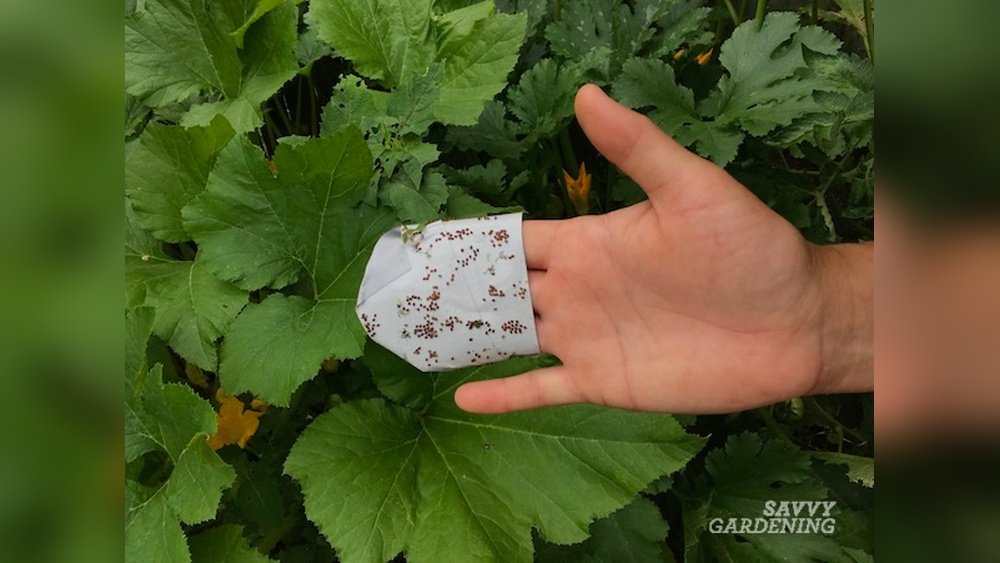
Squash bugs overwinter as adults in garden debris, under rocks, or around buildings. In spring, when the weather warms, they lay clusters of small copper-brown eggs on the undersides of leaves, especially near veins. Eggs hatch in about 1-2 weeks, and nymphs develop into adults in four to six weeks.
There can be one or two generations each year, depending on your climate.
A key fact: adult squash bugs are very hardy. They can survive cold winters by hiding, which is why you may see them reappear each year unless you break their cycle.
Why Are Squash Bugs A Problem?
Squash bugs damage plants by sucking sap from leaves, stems, and fruit. This feeding causes yellow spots that eventually turn brown and crispy. Heavy infestations cause whole plants to wilt and die, especially young seedlings. Squash bugs also spread a disease called Cucurbit Yellow Vine Disease, which can wipe out large parts of your garden.
How To Identify A Squash Bug Problem
Early detection is the most effective defense. Many gardeners overlook the signs of squash bugs until the problem is serious. Here’s what to watch for:
- Egg clusters: Look for shiny, bronze eggs on the undersides of leaves, often in neat groups of 15-40.
- Nymphs: Tiny, gray, and fast-moving. They appear in clusters soon after eggs hatch.
- Adults: Flat, brownish-gray insects hiding near the base of plants or under mulch.
- Wilting leaves: Especially when soil is not dry—this is a warning sign.
- Yellow spots: These turn brown and brittle as feeding continues.
- Sticky black spots: Squash bug excrement on leaves and stems.
Check your plants at least twice a week, especially in late spring and early summer. Use a small mirror to look under leaves if needed.

Credit: www.feathersinthewoods.com
Prevention: The Best First Step
Stopping squash bugs before they become a problem is much easier than fighting a big infestation. Here are some key prevention strategies.
1. Clean Up Garden Debris
Squash bugs survive the winter by hiding in dead leaves, vines, woodpiles, or nearby structures. In fall, remove all plant debris from your garden. Compost healthy plant material far from your main growing area and discard any infested vines. Don’t leave old boards, rocks, or mulch piles near your garden.
2. Rotate Crops
Planting squash or related crops in the same spot every year encourages squash bugs. Move cucurbits to a different part of your garden each year. If space is limited, try growing squash in containers or raised beds, away from last year’s location.
3. Use Resistant Varieties
Some squash types are less attractive to squash bugs or more able to survive their feeding. For example, butternut squash and some hybrids resist damage better than yellow summer squash. Check seed catalogs for varieties labeled as “squash bug resistant.”
4. Delay Planting
Planting squash a few weeks later than usual can help. By the time your plants are growing, many squash bugs have already moved on or died off from lack of food.
5. Encourage Beneficial Insects
Ladybugs, ground beetles, and spiders eat squash bug eggs and nymphs. Avoid broad-spectrum insecticides that kill these helpful predators. Planting flowers like dill, fennel, and alyssum nearby can attract more beneficial insects.
6. Use Row Covers
Lightweight row covers keep adult bugs from reaching your plants in spring. Remove covers when flowers appear to allow pollination. This method works best in small gardens or with early plantings.
Physical And Manual Controls
Many gardeners underestimate how effective simple, hands-on methods can be. These approaches work best for small to medium gardens or when numbers are low.
Handpicking
Check your plants every morning for squash bugs and eggs. Crush eggs between your fingers or scrape them off with a piece of tape. Drop adults and nymphs into a bucket of soapy water. This is time-consuming but very effective, especially before populations explode.
Practical Tip
Wear gloves—squash bugs have a strong smell when crushed. Also, use a small paintbrush or old toothbrush to brush eggs off leaves.
Trap Boards
Lay pieces of wood, cardboard, or shingles near your plants. At night, squash bugs hide under these objects. In the morning, lift the boards and destroy any bugs you find. This is an easy way to catch adults and nymphs that are hard to spot on plants.
Remove And Destroy Infested Leaves
If you find leaves with lots of eggs or nymphs, cut them off and dispose of them in a sealed bag. Don’t compost infested material, as eggs can survive and return next season.
Use Mulch Carefully
Straw and wood mulch can provide hiding places for squash bugs. If you have a serious problem, use black plastic mulch instead, which heats up and discourages bugs from hiding underneath.
Biological And Organic Controls
If handpicking isn’t enough or you want to avoid chemicals, several organic options can help keep squash bug numbers down.
Neem Oil
Neem oil is a natural pesticide made from the seeds of the neem tree. It works by interfering with insect growth and feeding. Mix neem oil according to label instructions and spray directly on nymphs and eggs. Neem is less effective on adult squash bugs, but it helps reduce new generations.
Insecticidal Soap
Insecticidal soaps kill squash bug nymphs on contact by breaking down their outer shell. Spray early in the morning or late evening, covering the undersides of leaves. Reapply after rain. Soaps are safe for humans and most beneficial insects.
Diatomaceous Earth
Diatomaceous earth is a fine powder made from fossilized algae. Sprinkle it around the base of squash plants. It damages the exoskeleton of crawling insects, causing them to dehydrate. Use food-grade diatomaceous earth and reapply after watering or rain.
Attract Predators
Encourage birds and beneficial insects by planting flowers and avoiding harsh chemicals. Chickens, if allowed in the garden, will eat squash bugs, but they may also scratch up plants—so use caution.
Biological Insecticides
Products containing Beauveria bassiana, a natural fungus, can infect and kill squash bugs. These are available as sprays or dusts. They work best in humid conditions and when applied early.
Chemical Controls: When To Use And What To Know
Chemical insecticides should be a last resort, especially if you want to protect pollinators and beneficial insects. If you choose chemicals, target young nymphs, as adults are often resistant. Always follow label instructions and safety guidelines.
Common Chemical Options
- Permethrin and cyfluthrin are common garden insecticides. They kill squash bug nymphs on contact but have limited effect on adults.
- Carbaryl (Sevin) is sometimes used but can harm bees and predators.
- Pyrethrin is a natural extract from chrysanthemums, approved for organic gardening, but must touch the bug to work.
Application Tips
- Spray only in early morning or late evening when bees are not active.
- Focus on the undersides of leaves and areas where nymphs gather.
- Do not spray flowers, as this will harm pollinators.
Table: Chemical Vs. Organic Controls
Here’s a comparison of the most common control methods.
| Method | Targets | Effectiveness | Risk to Beneficials |
|---|---|---|---|
| Handpicking | All stages | High (small gardens) | None |
| Neem Oil | Nymphs, eggs | Moderate | Low |
| Pyrethrin | Nymphs, adults | Moderate | Moderate |
| Permethrin/Cyfluthrin | Nymphs | High | High |
| Diatomaceous Earth | Nymphs, adults | Low-Moderate | Low |
Integrated Pest Management (ipm) For Squash Bugs
No single method will eliminate squash bugs forever. Integrated Pest Management (IPM) combines different strategies for the best long-term results.
Step 1: Monitor Regularly
Inspect plants at least twice a week, especially in May and June. Early detection keeps the problem manageable.
Step 2: Remove Bugs And Eggs
Handpick or use traps to keep numbers low. Destroy eggs before they hatch.
Step 3: Use Barriers And Timing
Try row covers or plant squash later in the season to avoid peak bug activity.
Step 4: Apply Organic Or Chemical Controls
Only use sprays if manual and organic methods aren’t enough. Always target young nymphs and avoid spraying flowers.
Step 5: Clean Up After Harvest
Remove all squash plant debris at the end of the season. Turn soil to expose hiding bugs.
Table: Ipm Steps And Their Benefits
| IPM Step | Benefit | When to Use |
|---|---|---|
| Regular Monitoring | Early detection, lower populations | Weekly (spring-fall) |
| Hand Removal | Immediate reduction | As soon as bugs appear |
| Barriers | Prevents infestation | At planting |
| Sprays | Rapid control | High infestation only |
| Cleanup | Reduces overwintering bugs | End of season |
Advanced Tips For Reducing Squash Bugs
Many guides stop at the basics, but there are a few lesser-known techniques that can make a big difference.
Trap Crops
Plant a small patch of a very attractive squash variety (like yellow summer squash) away from your main garden. Squash bugs will gather here first. Regularly check and destroy bugs on the trap crop, or remove and destroy these plants before bugs can move to your main crop.
Plant Spacing And Airflow
Squash bugs prefer dense, shady areas. Plant squash with enough space for good airflow, which makes it harder for bugs to hide and lay eggs. This also reduces disease.
Reflective Mulch
Some gardeners have success with reflective silver mulch, which confuses insects and makes it harder for them to find your plants. This is more common in commercial gardens but can be used in home plots too.
Soil Solarization
In very infested gardens, covering the soil with clear plastic for 4-6 weeks during hot summer months can kill squash bugs hiding in the soil, along with weed seeds and some diseases.
Table: Lesser-known Techniques
| Technique | How It Works | Best For |
|---|---|---|
| Trap Crops | Attract bugs away from main plants | Large gardens |
| Reflective Mulch | Repels bugs, improves growth | Small plots |
| Soil Solarization | Kills overwintering bugs in soil | Heavily infested beds |
Common Mistakes Gardeners Make
Even experienced gardeners can make errors that let squash bugs get out of control. Here are a few to avoid:
- Ignoring the undersides of leaves: Most eggs are hidden here and easy to miss.
- Composting infested vines: This can spread bugs to new areas.
- Spraying chemicals at the wrong time: Midday spraying harms pollinators and is less effective on bugs.
- Using only one method: Relying just on sprays or handpicking often fails.
- Skipping fall cleanup: Bugs overwinter in debris and return stronger.
A non-obvious insight: squash bugs often lay eggs on weeds in the cucurbit family (like wild cucumber or gourds). Remove these weeds from around your garden to reduce early-season bug populations.
Timing And Climate: Regional Considerations
The best strategies can change depending on your local weather and growing season. In warm climates with long summers, squash bugs may produce two or more generations per year, making regular monitoring even more important.
- Northern states: Later planting and fast-maturing varieties help avoid peak bug season.
- Southern states: Trap crops and regular handpicking are key, as bugs are active longer.
- Dry climates: Diatomaceous earth is more effective, as rain does not wash it away quickly.
:strip_icc()/BHG-How-to-Prevent-and-Get-Rid-of-Squash-Bugs-101269956-158195c32839429fb46cf2cb417ea9ce.jpg)
Credit: www.bhg.com
Squash Bug Myths And What Really Works
Some garden “tricks” get passed around but rarely help in real life.
- Myth: Spraying vinegar or soapy water on leaves prevents bugs. Fact: Soaps kill nymphs on contact but do not prevent adults or eggs.
- Myth: Companion planting with marigolds or nasturtiums repels squash bugs. Fact: Scientific evidence is weak; these flowers attract more pollinators but do not stop squash bugs.
- Myth: Squash bugs only attack squash. Fact: They also attack pumpkins, zucchini, and some melons.
A practical insight: Removing eggs before they hatch is much easier than killing nymphs or adults. Focus most of your effort on this stage.
When To Seek Professional Help
In rare cases, squash bugs can overwhelm a garden, especially in large plantings. If you cannot control them after using the methods above, consider:
- Replacing heavily infested soil
- Consulting a local extension service for advice on chemical or biological controls
- Taking a one-year break from growing squash to break the bug’s life cycle
A good resource for detailed pest management advice is your local Cooperative Extension Service or university agriculture department. They offer region-specific guidance and help you identify the best products for your area.
Credit: thefreerangelife.com
Frequently Asked Questions
How Do I Tell Squash Bugs From Stink Bugs?
While both bugs are similar in size and shape, squash bugs have a more elongated body and orange or brown edges on their abdomen. Stink bugs are rounder, usually green or brown, and feed on a wider range of plants. Squash bugs also lay clusters of shiny bronze eggs on leaf undersides, while stink bug eggs are usually white or pale green.
Can I Use Dish Soap To Kill Squash Bugs?
Dish soap mixed with water can kill nymphs if sprayed directly, but it does not affect eggs or adults very well. Always use a mild soap (not detergent) and test on a small part of the plant first, as strong soaps can harm leaves. Commercial insecticidal soaps are safer for plants and more effective.
Why Do Squash Bugs Keep Coming Back Every Year?
Squash bugs overwinter in garden debris, mulch, or nearby structures and return each spring. Skipping fall cleanup, leaving old vines, or growing squash in the same spot each year lets populations build up. Rotate crops, clean up thoroughly, and break their life cycle to reduce yearly infestations.
Will Birds Or Chickens Help Control Squash Bugs?
Yes, some birds (like robins and blackbirds) and chickens will eat squash bugs, especially nymphs. Allowing chickens to forage in the garden after harvest can reduce overwintering bugs. However, chickens may also scratch up young plants, so let them in only after you’ve harvested squash.
Where Can I Learn More About Squash Bug Management?
For more detailed, science-based information, check resources like the University of Minnesota Extension, which provides up-to-date advice on squash bug control for home gardeners.
Dealing with squash bugs requires patience, observation, and a mix of strategies. With regular effort and the practical tips above, you can keep your garden healthy and productive—free from the stress these pests can bring. Happy gardening!