
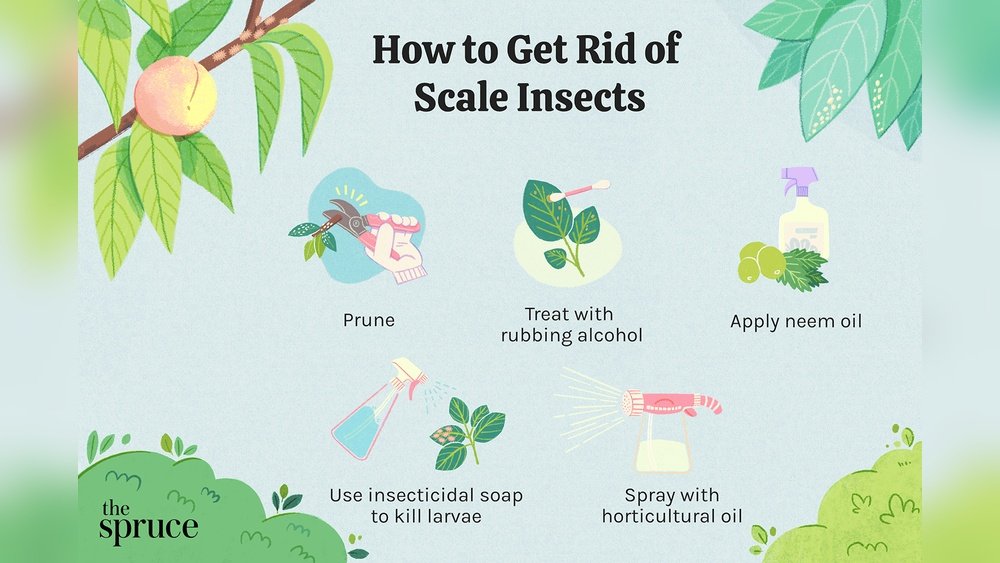
Dealing with scale insects is a common headache for plant lovers. These tiny pests are not always easy to spot, but their impact can be huge. Leaves turn yellow, growth slows, and sometimes your plant can even die. If you’ve noticed sticky leaves, odd bumps, or a sudden decline in your plant’s health, scale insects might be the cause.
Getting rid of them takes patience and careful steps—but it’s possible, even for beginners.
This guide will help you understand how to identify, treat, and prevent scale infestations. We’ll cover everything from simple home remedies to professional advice, supported by data and practical examples. You’ll learn why some methods work better than others, how to avoid common mistakes, and how to protect your plants for the long term.
What Are Scale Insects?
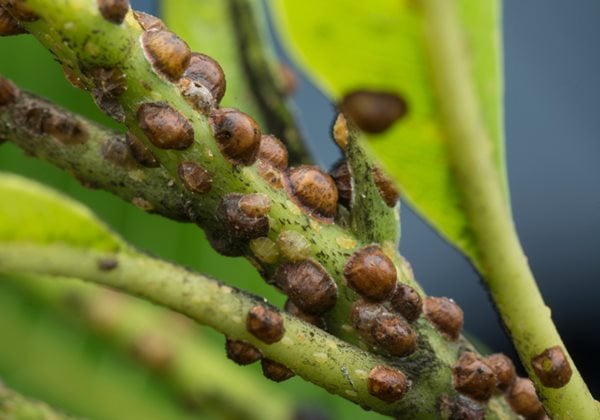
Scale insects are small pests that attach themselves to plants and feed on sap. They belong to the order Hemiptera and come in many types. Most are less than 0.25 inches long. Unlike other bugs, they don’t move much once settled. Their bodies are covered with a hard or waxy shell, making them look like tiny bumps rather than living insects.
There are two main groups:
- Soft scales: Create a waxy shell and produce honeydew (sticky fluid).
- Armored scales: Have a hard shell and do not produce honeydew.
The honeydew attracts ants and encourages sooty mold growth. Scale insects often appear in clusters, especially on stems and leaf undersides.
Common Types Of Scale Insects
- Brown soft scale: Found on houseplants and citrus. Oval and brown.
- San Jose scale: Attacks fruit trees. Grayish and round.
- Cottony cushion scale: Looks like white cotton masses. Attacks citrus and ornamentals.
- Florida wax scale: White and waxy, common on shrubs.
Why Are Scale Insects Harmful?
Scale insects drain the plant’s nutrients, causing:
- Yellowing leaves
- Stunted growth
- Leaf drop
- Reduced flowering or fruiting
If left untreated, they can kill a plant. They also spread diseases by transmitting viruses and bacteria.
How To Identify Scale Insects On Plants
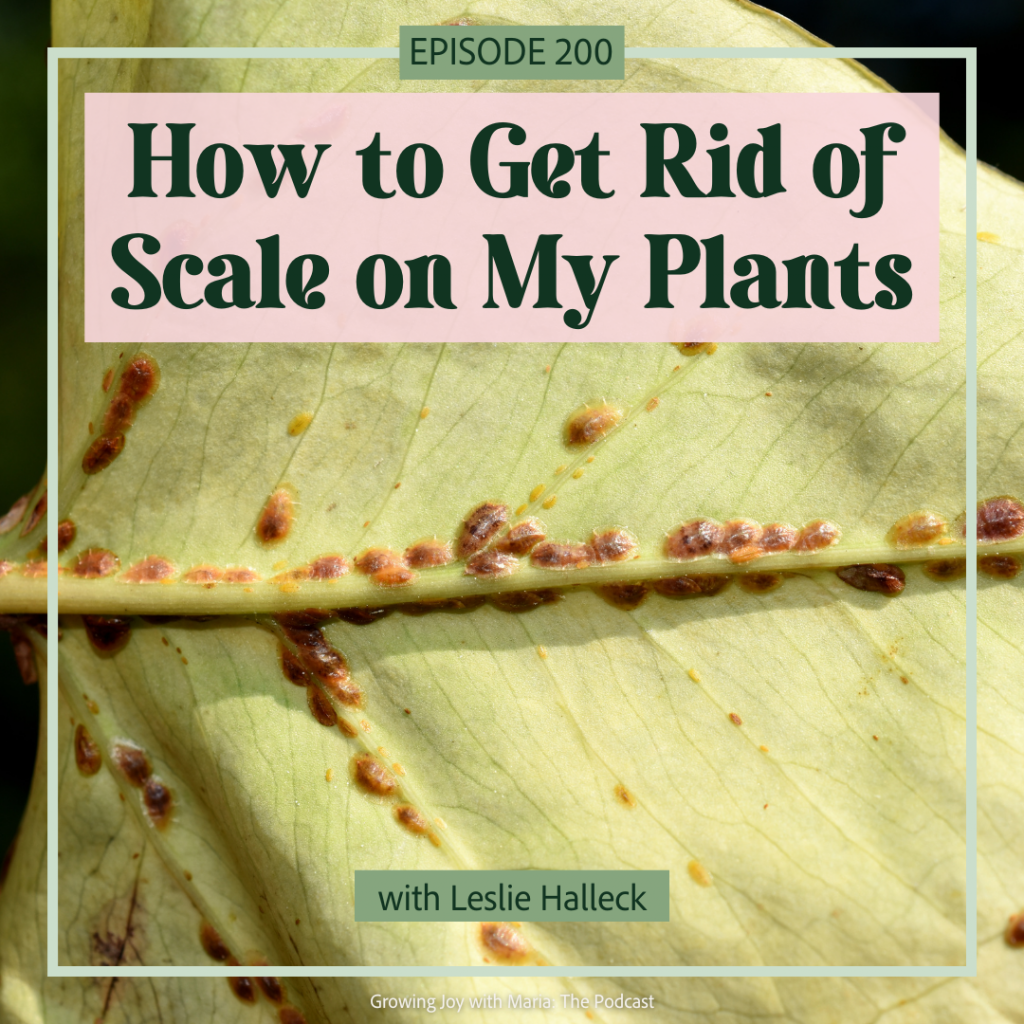
Spotting scale insects early is critical. They are often mistaken for plant disease or dirt.
Signs Of Scale Infestation
- Sticky leaves: Caused by honeydew.
- Black sooty mold: Grows on honeydew.
- Clusters of bumps: Along stems or leaf veins.
- Yellow or dropping leaves: Nutrient loss.
- Presence of ants: Ants feed on honeydew and protect scale insects.
Some scales are easy to see, while others blend in. Use a magnifying glass to check the undersides of leaves and stems.
How To Examine Your Plants
- Inspect stems and leaf undersides: Scales hide here.
- Check for honeydew and ants: Both are signs.
- Look for sooty mold: Indicates long-term infestation.
- Gently scrape bumps: Scales can be removed; dirt cannot.
Non-obvious insight: Many beginners ignore the undersides of leaves and junctions between stems and leaves, where scale insects often start.
/how-to-get-rid-of-scale-insects-1402693-05-c61a28a6e726493f86ccccb82a242b4d.jpg)
Credit: www.thespruce.com
Life Cycle Of Scale Insects
Understanding the life cycle helps you target the right stage.
- Eggs: Laid under the female’s shell.
- Crawlers: Young scales move to find new spots.
- Adults: Settle and form protective shells.
Crawlers are the most vulnerable and easiest to kill. Adults are harder to remove because their shell protects them.
Timing Treatments
Best results come when targeting crawlers, usually in spring or early summer. Watch for new bumps—this signals crawler activity.
Why Do Plants Get Scale Insects?
Plants can get scale insects for several reasons:
- Overcrowding: Poor air circulation helps pests spread.
- Weak plants: Stressed or unhealthy plants attract scales.
- Infested new plants: Bringing in new plants without checking spreads scales.
- Warm, dry environments: Scales thrive in these conditions.
Non-obvious insight: Even outdoor plants can get scales from nearby infested trees or shrubs. Moving plants indoors doesn’t always prevent infestation.
Credit: growingjoywithmaria.com
Methods To Get Rid Of Scale Insects
You have many options, but not all work equally well. Here’s a breakdown of the most reliable methods, with practical advice for each.
1. Manual Removal
This is the simplest approach for small infestations.
- Use a soft toothbrush, cotton swab, or your fingernail to gently scrape off scales.
- Rubbing alcohol (isopropyl alcohol) on a cotton swab can help loosen them.
- Dispose of removed scales carefully to avoid spreading.
Works best on houseplants and small shrubs.
Common mistake: Scraping too hard can damage the plant. Be gentle and focus on visible scales.
2. Pruning
If scales are clustered on a few branches or leaves, pruning is very effective.
- Cut off infested stems or leaves.
- Use clean, sharp tools to prevent spreading disease.
- Dispose of cuttings away from your garden.
Pruning reduces the number of scales and helps other treatments work faster.
3. Washing Plants
For mild infestations, washing plants can help.
- Use a mild soap solution (not dish soap with strong chemicals).
- Mix 1 teaspoon of liquid soap in 1 quart of water.
- Spray or wipe affected areas.
- Rinse with clean water after a few hours.
This removes honeydew and some scales, but will not kill all.
Practical tip: For houseplants, move them to the sink or shower for easy cleaning.
4. Natural Predators
Some insects eat scale insects:
- Ladybugs
- Lacewing larvae
- Parasitic wasps
In gardens, these predators can control scale naturally. You can buy them from garden centers or online. Encourage them by planting flowers and reducing pesticide use.
Example: Ladybugs can eat hundreds of scale crawlers in a week.
5. Horticultural Oils
Horticultural oils (like neem oil) suffocate scales and crawlers.
- Mix oil as directed on the label.
- Spray all plant surfaces, especially undersides of leaves.
- Repeat every 7–14 days during crawler stage.
Oils are safe for most plants but avoid spraying during hot weather (>85°F) to prevent leaf burn.
6. Insecticidal Soaps
Insecticidal soaps kill crawlers but may not affect adults.
- Spray directly on crawlers and infested areas.
- Use soaps made for plants, not household soap.
- Repeat treatments as needed.
Soaps are best for soft scales, less effective for armored scales.
7. Systemic Insecticides
Systemic insecticides are absorbed by the plant and kill scales as they feed.
- Apply as directed, usually to soil or foliage.
- Active ingredients include imidacloprid or acetamiprid.
These are strong chemicals. Use only for severe infestations or valuable plants. Avoid on edible crops unless labeled safe.
Non-obvious insight: Systemic insecticides can harm beneficial insects and pollinators. Use carefully and only when other methods fail.
8. Alcohol Spray
Rubbing alcohol kills scale crawlers and helps remove adults.
- Mix 1 part rubbing alcohol to 3 parts water.
- Spray affected areas or wipe with a cloth.
Test on a small area first to avoid leaf burn.
9. Biological Control
Some fungi, like Beauveria bassiana, attack scale insects. Available as sprays, these are safe for most plants and people.
Biological controls work best in humid environments and need repeated applications.
10. Homemade Remedies
Some gardeners use homemade sprays:
- Garlic spray: Blend garlic and water, spray infested areas.
- Soap and oil mix: 1 teaspoon soap + 1 teaspoon oil in 1 quart water.
Homemade remedies work for mild infestations, but may not kill all scales.
Comparison Of Treatment Methods
Here’s a table comparing the effectiveness of common methods:
| Method | Effectiveness | Best For | Drawbacks |
|---|---|---|---|
| Manual Removal | High (small infestations) | Houseplants, stems | Labor-intensive, may miss hidden scales |
| Pruning | High (localized) | Shrubs, trees | Loss of plant material |
| Horticultural Oil | Moderate-High | All scales, outdoor plants | May cause leaf burn in heat |
| Insecticidal Soap | Moderate | Soft scales, crawlers | Ineffective on adults |
| Systemic Insecticide | High (severe cases) | Valuable, non-edible plants | Risk to pollinators |
| Natural Predators | Moderate | Outdoor gardens | Slow, depends on predator survival |
Step-by-step Guide: Treating Scale Insects
A clear plan helps you get rid of scales efficiently. Here’s how to tackle them:
Step 1: Isolate Infested Plants
Move affected plants away from others to prevent spreading.
Step 2: Inspect And Identify
Check all parts of the plant, especially stems and undersides. Identify the type of scale (soft or armored).
Step 3: Remove Scales Manually
For light infestations, scrape scales off gently. Use rubbing alcohol for stubborn ones.
Step 4: Prune Heavily Infested Areas
Cut off branches or leaves with clusters of scales. Disinfect tools after use.
Step 5: Wash The Plant
Use a mild soap solution to clean leaves and stems. Rinse well.
Step 6: Apply Treatment
Choose the best treatment based on infestation level:
- Mild: Soap or oil sprays.
- Moderate: Horticultural oil, biological control.
- Severe: Systemic insecticide.
Follow label instructions and repeat treatments as needed.
Step 7: Monitor And Repeat
Check plants weekly. New crawlers may appear, so repeat treatments for 2–4 weeks.
Step 8: Encourage Natural Predators
If outdoors, attract ladybugs and lacewings. Avoid broad-spectrum pesticides.
Step 9: Clean Surroundings
Remove fallen leaves and debris. Scales can hide and re-infest plants.
Common mistake: Stopping treatments too soon. Scales can return if all stages are not removed.
Credit: www.gardendesign.com
Preventing Scale Infestations
Prevention is easier than cure. Here are practical steps:
1. Inspect New Plants
Check for scales before bringing plants home. Quarantine new plants for 2 weeks.
2. Maintain Plant Health
Healthy plants resist pests better. Water and fertilize correctly.
3. Improve Air Circulation
Space plants well, prune crowded branches, and avoid overwatering.
4. Clean Tools And Pots
Disinfect tools, pots, and hands after working with infested plants.
5. Avoid Overuse Of Nitrogen
High nitrogen can attract soft scales. Use balanced fertilizers.
6. Attract Natural Predators
Grow flowers that attract ladybugs and lacewings. Limit pesticide use.
7. Regular Monitoring
Check plants weekly, especially during warm seasons.
Non-obvious insight: Scales can survive on hidden parts like roots or under loose bark. Inspect these areas periodically.
Best Practices For Houseplants And Outdoor Plants
Different settings need different approaches.
Houseplants
- Isolate infested plants quickly.
- Use manual removal and soap sprays.
- Avoid strong chemicals indoors.
- Clean pots and trays regularly.
Outdoor Plants
- Encourage natural predators.
- Use horticultural oils during crawler season.
- Prune heavily infested branches.
- Check nearby trees and shrubs.
Data: Studies show that combining pruning and oil sprays reduces scale populations by up to 70% in a single season.
Risks Of Using Chemicals
Chemicals can solve severe infestations but carry risks:
- Harm to beneficial insects: Bees and ladybugs can die.
- Pollution: Runoff can harm water sources.
- Resistance: Scales may develop resistance over time.
Use chemicals only as a last resort. Always follow the product label.
Integrated Pest Management (ipm)
IPM combines multiple methods for safer, long-term control.
Ipm Steps
- Monitor plants regularly
- Use manual and physical controls first
- Encourage natural predators
- Apply targeted treatments only when needed
This approach protects your plants and the environment.
Ipm Vs. Chemical-only Approach
Here’s a quick comparison:
| Approach | Benefits | Drawbacks |
|---|---|---|
| IPM | Eco-friendly, prevents resistance, protects beneficial insects | Requires more monitoring and effort |
| Chemical-only | Quick results, easy to use | Harmful to environment, risk of resistance, kills beneficials |
How To Choose The Right Treatment
Choosing the best method depends on:
- Infestation size
- Type of plant
- Scale species
- Indoor vs. outdoor setting
For houseplants, manual removal and soap sprays are safest. For trees and shrubs, combine pruning and oil sprays. Use systemic insecticides only for severe cases.
Practical tip: Always test any spray on a small area first. Some plants are sensitive and may react badly.
Monitoring Results And Avoiding Mistakes
After treatment, monitor plants closely. Look for:
- New scales or crawlers
- Healthy new growth
- No sticky residue or sooty mold
Repeat treatments as needed. Clean up any fallen leaves or debris.
Common mistakes to avoid:
- Not inspecting all parts of the plant.
- Using household soaps that harm leaves.
- Applying oil sprays during hot weather.
- Ignoring nearby plants that can re-infest your garden.
Real-life Example: Citrus Tree Infestation
A homeowner in Florida noticed sticky leaves and yellowing on their citrus tree. Inspection revealed brown soft scales and black sooty mold. They pruned heavily infested branches, washed leaves with soap, and applied neem oil every 10 days. Ladybugs were released in the garden.
After 4 weeks, new growth appeared, and scales were gone. The combination of pruning, oil sprays, and natural predators worked.
Key lesson: Combining methods gives better results than relying on just one.
Data On Scale Control Success
Research shows that:
- Manual removal: Up to 90% effective for small infestations.
- Horticultural oil: Reduces scale by 50–80% with repeated use.
- Systemic insecticides: 95% effective but higher risk.
- Biological control: 40–70% reduction, depends on predator survival.
Source:University of California IPM
Comparing Homemade Vs. Commercial Remedies
Let’s compare homemade and commercial treatments:
| Remedy | Cost | Safety | Effectiveness | Best For |
|---|---|---|---|---|
| Homemade Soap Solution | Low | Safe | Mild to moderate | Houseplants, mild infestations |
| Neem Oil | Moderate | Safe (if used correctly) | Moderate to high | Outdoor, houseplants |
| Systemic Insecticide | High | Risk to beneficials | High | Severe infestations |
| Biological Control | Moderate | Safe | Moderate | Outdoor gardens |
Frequently Asked Questions
What Are The First Signs Of Scale Insects On Plants?
The earliest signs are sticky leaves from honeydew and small bumps along stems or leaf veins. You may also see ants or black sooty mold. Always check the underside of leaves and junctions where stems meet leaves.
Can Scale Insects Spread To Other Plants?
Yes, scale insects can move to nearby plants, especially during the crawler stage. Crawlers are tiny and can travel on wind, people, or tools. Isolate infested plants and clean your hands and tools after working with them.
Are Chemical Treatments Safe For Edible Plants?
Most systemic insecticides are not safe for edible plants unless labeled for food crops. Use natural remedies or horticultural oils for herbs, vegetables, or fruit trees. Always follow product instructions and wait times.
How Long Does It Take To Get Rid Of Scale Insects?
It can take 2–4 weeks or longer, depending on the infestation size and methods used. Multiple treatments are usually needed because eggs hatch in cycles. Monitor plants and repeat treatments until all scales are gone.
How Can I Prevent Scale Insects In The Future?
Inspect new plants before bringing them home, maintain healthy plants, and check regularly for early signs. Encourage natural predators and avoid over-fertilizing. Clean tools and pots after use.
Getting rid of scale insects is possible, but it takes effort and consistency. By combining different methods and monitoring your plants, you can protect them from future infestations and keep your garden healthy. Remember, early detection and prevention are your best tools.
If you stay alert and act quickly, your plants will thrive free from these stubborn pests.