
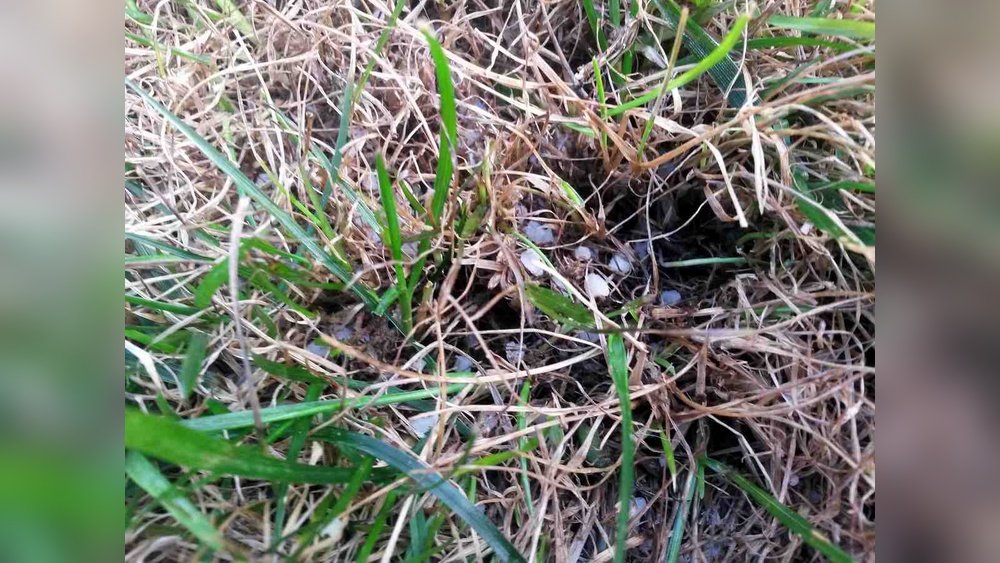
A lush, green lawn is the pride of many homeowners. But sometimes, in the desire for perfect grass, it’s easy to make a mistake: applying too much fertilizer. Over fertilization is a common problem, and it can quickly turn a healthy yard into a patchy, yellow, or brown mess. If you’ve noticed sudden changes in your lawn after feeding it, you might be facing this issue. Don’t worry—while the situation is serious, it’s not hopeless. With the right steps, you can rescue your grass and bring your lawn back to life.
Understanding the signs of over fertilization, acting quickly, and following the right recovery process are all key. In this guide, you’ll learn exactly how to fix an over fertilized lawn, why it happens, and how to prevent it in the future.
Whether you’re a new homeowner or an experienced gardener, these insights and tips will help you keep your lawn healthy, vibrant, and safe for everyone who enjoys it.
What Happens When You Over Fertilize A Lawn?
Fertilizer is like a vitamin boost for your grass, but just like with vitamins, too much can be harmful. The main danger is something called fertilizer burn. This happens when excess nutrients, especially nitrogen and salts, build up in the soil. Instead of helping your lawn grow, they damage grass roots and blades.
The Science Behind Fertilizer Burn
When you use too much fertilizer, salts from the fertilizer pull water away from grass roots. This causes dehydration, leading to dry, brown patches. In severe cases, the grass can die.
Research from the University of California Extension shows that even a single heavy application can double the salt level in soil, making it hard for grass roots to take up water. The result is a lawn that looks scorched—even though you tried to help it grow.
What many people don’t realize is that fertilizer burn can also affect the soil’s microbiome. Healthy soil is full of tiny organisms that break down organic matter and help grass absorb nutrients. Excessive fertilizer, especially chemical types, can harm these organisms, leading to slower recovery and weaker grass in the long run.
Another hidden effect: over fertilized lawns often have trouble absorbing rainwater. The increased salt concentration changes the soil’s structure, making it harder for water to move through. This means, even after watering, grass can remain thirsty.
Common Causes Of Over Fertilization
- Applying too much product: Using more than the recommended amount.
- Fertilizing too often: Not sticking to seasonal or manufacturer guidelines.
- Spills or uneven application: Overlapping passes with a spreader or accidental dumping.
- Using the wrong type: Some fertilizers are more concentrated and require lower doses.
- Applying before rain: Heavy rain can move fertilizer into one area, increasing the dose.
Many homeowners also forget to factor in other sources of nutrients, like grass clippings or organic mulch. These add nitrogen naturally, so extra fertilizer isn’t always needed. Another mistake is using the same fertilizer for different lawn types—warm-season grasses need less nitrogen than cool-season varieties.
Knowing how these mistakes happen helps you avoid them in the future.
How To Identify An Over Fertilized Lawn
Catching the problem early makes recovery easier. There are several clear signs that your lawn has received too much fertilizer.
Visual Symptoms
- Yellow or brown grass tips: The ends of the blades look scorched.
- White crust on soil: Excess salts form a visible layer.
- Patchy dead spots: Areas with no green growth.
- Sudden wilting: Grass looks limp even when watered.
Sometimes, the symptoms are confusing. For example, yellowing can start at the edges of the blades and slowly spread inward. In other cases, the grass appears mottled—green in some places, brown in others. The pattern often matches where the fertilizer was applied most heavily.
Other Clues
- Recent fertilizer application: If you just fed your lawn and now see problems, over fertilization is likely.
- Rain or irrigation after fertilizing: Water can sometimes push fertilizer into the root zone too quickly.
Don’t overlook subtle signs. If you notice that weeds are thriving while grass is struggling, it could be because weeds are more tolerant of high nutrient levels. Sometimes, mushrooms appear after over fertilizing because the soil becomes rich in organic matter.
Example: Real-life Case
A homeowner in Texas noticed brown patches a week after applying a “quick green” fertilizer. Investigation showed the spreader had overlapped in some areas, doubling the dose. The affected spots matched where the fertilizer was applied too heavily.
Another common scenario: In colder climates, people fertilize right before winter. If the fertilizer doesn’t get absorbed and sits on the surface, it can burn the grass roots when spring arrives.

Credit: biglandscapetn.com
Immediate Steps: What To Do Right After Over Fertilizing
Acting fast can prevent long-term damage. If you suspect over fertilization, follow these steps:
- Stop all fertilizing immediately. Don’t add any more product.
- Water the lawn deeply. This helps flush out excess fertilizer from the soil.
- Run sprinklers or use a hose to soak the area for 30–60 minutes.
- Repeat daily for the next 3–7 days, depending on severity.
- Remove visible fertilizer granules. Use a broom or rake to collect any that haven’t dissolved.
- Avoid mowing or heavy traffic on affected areas. Let the grass recover.
If you spilled fertilizer in one spot, scoop up as much as you can before watering. The faster you remove granules, the less damage they cause. When watering, focus on the most affected areas but don’t neglect the rest of the lawn—a uniform flush prevents uneven results.
How Much Water Is Enough?
You want to apply at least 1–2 inches of water per session. Here’s a quick way to measure: Place an empty tuna can on the lawn. When it fills up, you’ve watered about one inch.
If you have clay soil, water more slowly to avoid runoff. Sandy soil drains quickly but may need frequent watering to keep salts moving down. If you’re unsure, test the soil moisture after watering—dig a small hole and feel the soil.
It should be damp but not soggy.
| Severity | Watering Frequency | Duration per Session |
|---|---|---|
| Mild | Daily (3–4 days) | 30 minutes |
| Moderate | Daily (5–7 days) | 45 minutes |
| Severe | Twice daily (7+ days) | 60 minutes |
Don’t forget to check local watering restrictions—they may limit how much you can water, so plan accordingly.
Assessing The Damage: Is Your Lawn Beyond Repair?
Not all over fertilized lawns are the same. Some can recover with water and time, while others may need reseeding or even resodding.
Check For Recovery Signs
- New green shoots: If you see new blades after a week, the roots are still alive.
- Root health: Gently pull on the grass. If it resists, roots are likely healthy. If it comes up easily, roots may be dead.
- Area size: Small patches are easier to fix than large areas.
For a deeper check, use a small shovel to dig up a sample of grass and soil. Healthy roots are white or light tan and flexible. Dead roots are dark, brittle, or mushy. If most roots are healthy, your lawn can bounce back.
If most of your lawn shows new growth after watering, you’re in good shape. If large areas remain brown and lifeless after two weeks, you may need to take extra steps.
Don’t rush to reseed or resod. Sometimes, grass needs a few weeks to recover after stress. Monitor the lawn daily, and look for gradual improvement before deciding on major repairs.
How To Fix An Over Fertilized Lawn: Step-by-step Recovery
Fixing the problem takes patience and attention. Here’s a complete process:
1. Flush The Soil
As explained earlier, deep watering is the first and most important step. This helps wash away excess salts and nutrients.
- Water early in the morning for best results.
- Continue until you see improvement or for at least one week.
If your lawn slopes, water can pool at the bottom and carry fertilizer with it. Make sure those areas are watered thoroughly, as they often suffer the worst damage.
2. Remove Dead Grass
After two weeks, inspect your lawn. If some grass is still dead:
- Use a rake to remove brown, dead patches.
- Dispose of the debris to prevent disease.
Don’t leave dead grass on the lawn—it can block sunlight and trap moisture, encouraging fungus. Removing debris also lets new grass grow without obstacles.
3. Aerate The Soil
Aeration helps oxygen, water, and nutrients reach the roots. It also breaks up compacted soil from heavy watering.
- Use a manual or mechanical aerator.
- Focus on damaged areas but consider doing the whole lawn if needed.
Aeration is especially important if you have clay soil, which compacts easily. For small lawns, a garden fork works. For larger areas, rent a mechanical aerator. After aeration, water lightly to help the soil settle.
4. Reseed Or Resod Dead Patches
If bare spots remain:
- For small areas: Spread new grass seed, lightly rake, and cover with a thin layer of soil.
- For large patches: Lay new sod for instant results.
- Keep the area moist until new grass is established.
Choose a grass seed that matches your existing lawn. Some fast-growing varieties can fill gaps quickly, but check if they suit your climate.
5. Apply A Light Topdressing
A thin layer (¼ inch) of compost or quality topsoil helps improve soil health and encourages new growth.
Topdressing also helps dilute leftover salts in the soil. Compost is best—avoid peat moss, as it can hold too much moisture.
6. Monitor And Maintain
- Water gently but regularly while new grass establishes.
- Avoid fertilizing for at least 6–8 weeks.
- Mow only when the new grass is 3–4 inches tall.
Mulching your clippings can help the new grass grow by returning nutrients naturally.
How Long Does Recovery Take?
Patience is important. Depending on the severity, it may take 2–8 weeks for your lawn to look healthy again.
- Mild cases: 2–3 weeks with only deep watering.
- Moderate cases: 4–6 weeks, may need reseeding.
- Severe cases: 6–8 weeks or longer, likely need to resod.
Recovery time also depends on weather, grass type, and soil health. Cool-season grasses recover faster in spring and fall, while warm-season varieties bounce back during summer.
Here’s a summary to help you estimate recovery time:
| Damage Level | Typical Recovery Time | Actions Needed |
|---|---|---|
| Mild | 2–3 weeks | Water only |
| Moderate | 4–6 weeks | Water, reseed |
| Severe | 6–8 weeks+ | Water, resod |
If your lawn is shaded or has poor drainage, recovery may take longer. Improving sunlight and soil drainage helps speed up regrowth.
Tips To Help Your Lawn Recover Faster
Speeding up recovery is possible with the right care.
- Use organic compost: It adds nutrients slowly and improves soil structure.
- Avoid heavy foot traffic: Let the grass rest and repair.
- Mow high: Taller grass shades roots and helps new growth.
- Consider a soil test: This checks for salt buildup or nutrient imbalances.
Another tip: Using mulch or straw over new seeds keeps moisture in and protects against birds. If you have pets, keep them off the lawn during recovery—animal urine adds extra nitrogen and can worsen fertilizer burn.
Two Insights Beginners Often Miss
- Compacted soil slows recovery: Overwatering can compact the ground, making it hard for roots to regrow. Aeration fixes this problem and is often skipped by beginners.
- Salt buildup can last: Even after watering, salts may remain if drainage is poor. Amending with compost or gypsum helps break up these salts.
One more advanced tip: If your lawn is not improving after all these steps, check the pH level. Extreme pH (too acidic or too alkaline) can prevent grass from absorbing nutrients. Adjusting pH with lime or sulfur helps restore balance.
Preventing Over Fertilization In The Future
Once your lawn recovers, prevention is key. Here’s how to avoid repeating the mistake:
1. Read Fertilizer Labels Carefully
- Always follow the recommended rates.
- Use a spread calculator or measuring cup for accuracy.
Manufacturers sometimes use different units (pounds, kilograms, ounces). Double-check the instructions and convert if needed. If in doubt, use less rather than more.
2. Test Your Soil
A soil test tells you what nutrients your lawn actually needs. Many universities and garden centers offer this service. This prevents “guesswork feeding. ”
Soil tests show not just nutrient levels, but also soil pH and organic matter. With this info, you can choose a fertilizer that fills only the gaps, avoiding excess.
3. Use Slow-release Fertilizers
These products release nutrients over weeks or months, reducing the risk of burn.
- Look for “slow-release” or “controlled-release” on the label.
- Use organic options like compost or manure for even gentler feeding.
Slow-release fertilizers are especially useful in hot climates, where grass grows quickly and needs steady feeding. Organic options also improve soil health, making grass more resilient to future mistakes.
4. Time Applications Wisely
- Only fertilize when grass is actively growing.
- Avoid fertilizing before heavy rain.
Grass grows fastest in spring and early summer. Applying fertilizer during dormancy wastes nutrients and increases burn risk.
5. Calibrate Your Spreader
Many spreader mistakes come from using the wrong setting. Test your spreader with water or sand before using fertilizer.
If you’re using a hand spreader, practice in a small area first. Walk at a steady pace and overlap slightly for even coverage.
6. Keep A Lawn Care Journal
Record what you apply, when, and how much. This helps you spot patterns and avoid doubling up.
Include notes on weather, grass health, and any problems you see. Over time, you’ll develop a routine that suits your lawn and climate.

Credit: www.masterlawn.com
Common Myths And Mistakes About Lawn Fertilization
There’s a lot of misinformation about lawn care. Here are some myths to avoid:
Myth 1: “more Fertilizer Means Greener Grass.”
Reality: More is not always better. The right amount, applied at the right time, is best.
Myth 2: “all Brown Spots Are Fertilizer Burn.”
Reality: Brown spots can also be caused by pests, disease, or drought. Check for other issues before treating.
You can check for pests by looking at the soil for grubs or insects. Diseases often show up as spots or rings rather than uniform patches.
Myth 3: “rain Will Fix Everything.”
Reality: While rain helps, it can also push fertilizer deeper into the soil, making things worse if over applied.
If heavy rain is forecast, wait to fertilize until after it passes. Rain can also wash fertilizer onto sidewalks and driveways, wasting product and harming plants.
Myth 4: “organic Fertilizers Can’t Burn Your Lawn.”
Reality: Even organic products can cause damage if used in excess.
Chicken manure, for example, is high in nitrogen and can burn grass if applied too thickly. Always use organic fertilizers sparingly.
Choosing The Right Fertilizer For Your Lawn
Selecting the right product is crucial for healthy grass. Here’s what to consider:
| Type | Release Speed | Risk of Burn | Best For |
|---|---|---|---|
| Synthetic (Quick-Release) | Fast | High | Fast green-up |
| Synthetic (Slow-Release) | Slow | Low | Steady growth |
| Organic (Compost, Manure) | Slowest | Lowest | Soil health, safe feeding |
Always choose a fertilizer suited for your grass type and season. If unsure, ask at your local garden center or consult an expert.
For cool-season grasses like fescue or rye, look for balanced N-P-K formulas (Nitrogen-Phosphorus-Potassium). Warm-season grasses like Bermuda or St. Augustine prefer higher nitrogen. If you have a mixed lawn, choose a general-purpose fertilizer and use less to avoid overfeeding.
Environmental Impact Of Over Fertilization
Over fertilizing doesn’t just affect your yard. It can harm the environment in several ways:
- Runoff into waterways: Excess fertilizer can wash into streams and rivers, causing algae blooms and harming wildlife.
- Soil health: Too much nitrogen and salt degrade soil structure over time.
- Groundwater pollution: Nitrates from fertilizers can seep into groundwater, affecting drinking water.
Fertilizer runoff is a major cause of water pollution. In some regions, local laws limit how much you can apply and when. Learn these rules to help protect your community.
By applying the right amount, you protect both your lawn and the planet. For more information on environmental effects, see the EPA’s guide on nutrient pollution.
When To Call A Lawn Care Professional
Sometimes, DIY recovery doesn’t work. If your lawn continues to decline or you’re unsure about next steps, it may be wise to consult a professional.
Signs You Need Help
- Large areas of dead grass (over 50% of the lawn)
- Repeated fertilizer burn despite careful application
- Poor soil drainage or compacted ground you can’t fix yourself
- Need for a complete lawn renovation
Professionals have access to soil testing, specialty products, and heavy equipment that can speed up recovery.
Expert help can also diagnose hidden problems, like fungal disease or pest infestation, that mimic fertilizer burn. If you’re planning a full lawn replacement, pros can recommend the best grass type for your climate and soil.

Credit: www.masterlawn.com
Frequently Asked Questions
What Is The Fastest Way To Fix An Over Fertilized Lawn?
The fastest way is to water deeply as soon as you notice the problem. This flushes out excess fertilizer. Remove any remaining granules and avoid further fertilizing until the lawn recovers. For severe cases, you may need to reseed or resod dead patches.
Can You Save Grass That Has Turned Completely Brown?
If the roots are still alive, brown grass can recover with water and care. But if the roots are dead (grass pulls up easily), you’ll need to reseed or resod those areas. Check for new shoots after 1–2 weeks of watering.
How Can I Prevent Over Fertilizing In The Future?
- Always read and follow label instructions
- Use a spreader with the correct setting
- Test your soil before fertilizing
- Choose slow-release or organic fertilizers
- Keep a lawn care journal to track applications
How Long Should I Wait To Fertilize After Over Fertilizing?
Wait at least 6–8 weeks before applying any more fertilizer. Give your lawn time to recover and regrow. Always test your soil first to check for lingering nutrients or salt.
Are There Natural Ways To Help The Lawn Recover?
Yes. Organic compost helps restore soil health and encourages new growth. Aerating the soil and mulching with grass clippings can also speed up recovery without adding more chemicals.
A healthy, green lawn is possible even after a fertilization mistake. By acting quickly, following proven steps, and making smart choices in the future, you can restore your grass and avoid repeat problems. Remember, your lawn’s recovery is a process—not a race.
With patience and the right care, your yard will be back to its best in no time.