
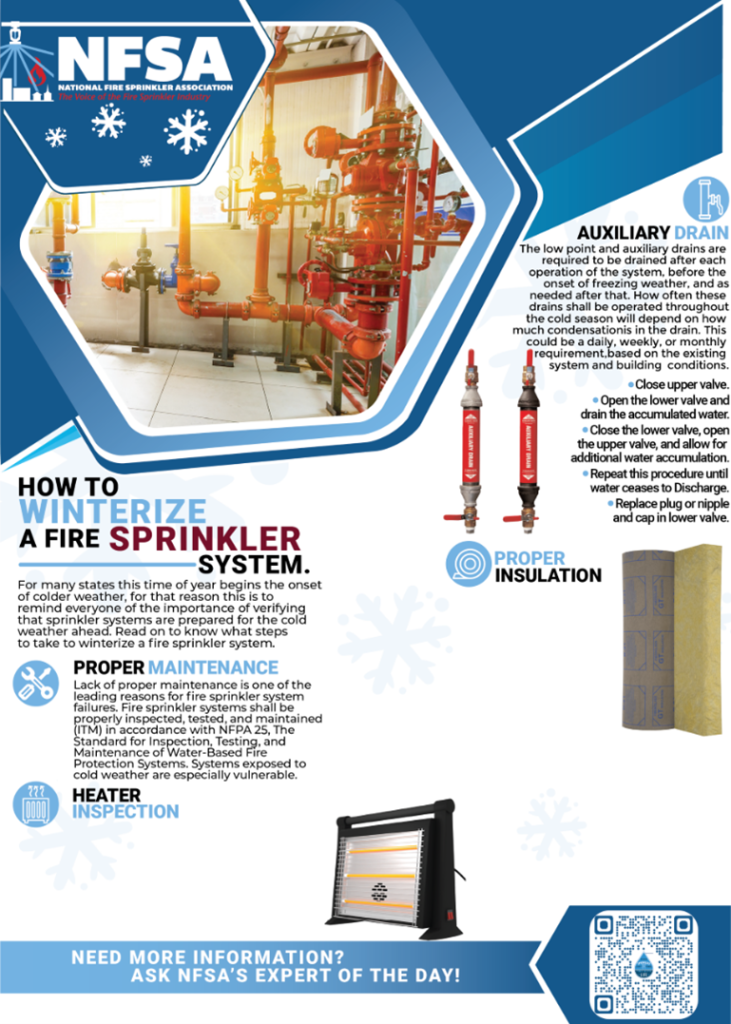
Frozen sprinklers can be fixed by thawing lines and replacing damaged parts.
When winter turns your lawn into a frosty wonderland, your sprinkler system might suffer from frozen pipes and components. Understanding how to fix a sprinkler system after a freeze isn’t just about keeping your lawn lush; it’s about maintaining an efficient system that conserves water and saves money. With years of personal and professional experience, I’ve learned that dealing with frozen sprinklers early can prevent costly repairs and water wastage. In this guide, I’ll walk you through identifying freeze damage, fixing common problems, and preventing future issues. Let’s dive into it!
Identifying the Damage
Before diving into repairs, assess the severity of the damage:
- Inspect Pipes: Look for visible cracks or leaks.
- Check Sprinkler Heads: Ensure they aren’t cracked or misaligned.
- Listen for Leaks: Turn the system on briefly to detect unusual sounds.
These initial checks will give you a clear understanding of the problem areas in your sprinkler system.
How to Thaw Frozen Pipes
Thawing is the first step to fixing a frozen system:
- Turn Off Water Supply: Prevent further damage by shutting off the main valve.
- Warm the Pipes Gently: Use a space heater or hairdryer. Avoid open flames.
- Check for Leaks: Once thawed, examine pipes again for any new leaks.
Patience and caution are key to safely unfreezing your system without causing further harm.
Repairing and Replacing Damaged Parts
After thawing, focus on repairs:
- Replace Cracked Pipes: Use comparable PVC pipes or fittings for replacements.
- Fix Broken Sprinkler Heads: Swap out damaged heads and recalibrate them for even coverage.
- Seal Leaky Valves: Apply plumber’s tape to any leaking connectors or valves.
These steps ensure your system runs smoothly without wasting water.
Preventing Future Freezes
Keep your sprinkler system safe from future cold snaps:
- Winterize Your System: Drain all lines and insulate exposed components.
- Upgrade Timers: Install freeze sensors that automatically shut the system off when temperatures drop.
- Regular Maintenance: Schedule seasonal check-ups to catch minor issues early.
Prevention is always more effective and less costly than repairs.
Balancing DIY and Professional Help
While you can tackle many jobs, sometimes calling a professional is wise:
- Complex Repairs: If you're unsure about fixing certain parts, seek expert help.
- Annual Check-Ups: Hire a professional for yearly inspections to ensure everything is in working order.
Finding the right balance between DIY and professional help maximizes both efficiency and cost-effectiveness.
Frequently Asked Questions of How to Fix Sprinkler System After Freeze
What causes sprinkler systems to freeze?
Sprinkler pipes freeze due to water left in the lines during cold weather, leading to expansion and potential damage.
How can I prevent my sprinkler system from freezing?
You can prevent freezing by properly winterizing, draining lines, insulating pipes, and using weather-responsive timers.
What kind of damage can freezing cause?
Freezing can cause pipes to crack, sprinkler heads to break, and valves to malfunction, leading to leaks and inefficiencies.
When should I consider professional help?
Look for professional assistance when dealing with complex repairs, major leaks, or yearly maintenance to ensure optimal system function.
Are freeze sensors worth the investment?
Yes, freeze sensors can prevent costly damage by automatically shutting off your system when temperatures drop.
Conclusion
Maintaining your sprinkler system after a freeze isn’t just about repairs—it’s about smart lawn care. By understanding how to identify, fix, and prevent freeze damage, you’ll save money and keep your system running efficiently. Ready to put these insights into action? Start winterizing your system today and see the difference in performance. For more expert tips, subscribe or leave a comment below!
