
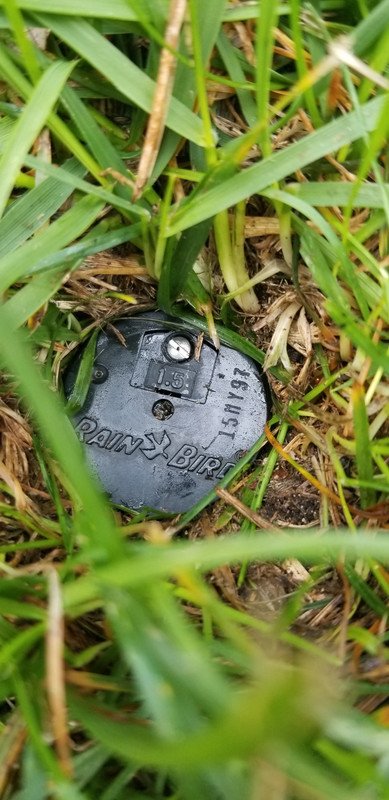
Check for clogs, dirt, or mechanical issues that stop rotation.
A well-functioning sprinkler system is crucial for maintaining a lush, green lawn. When a sprinkler head stops rotating, it disrupts the even distribution of water, leading to dry patches or overwatered spots. Understanding how to fix a sprinkler head not rotating involves identifying the root cause, whether it is debris blockage, mechanical failure, or wear and tear. As an experienced gardener, it’s essential to know the ins and outs of your irrigation system. This guide will walk you through practical steps to restore your sprinkler head's performance while sharing insights and tips from real-life experiences.
Understanding Sprinkler Head Rotation
To fix a non-rotating sprinkler head, first understand the mechanism. Most sprinkler heads use a gear-driven rotor mechanism. Dirt or debris can obstruct these gears, leading to their malfunctioning. Regular maintenance and occasional repairs are part of keeping your irrigation system efficient.
Step-by-Step Guide to Fix a Non-Rotating Sprinkler Head
1. Identify the Problem
- Observe the sprinkler: Begin by observing the sprinkler in action. Check if it’s stuck in one position or if it moves sluggishly.
- Turn off the water: For safety, always turn off the water supply before handling the sprinkler head.
2. Clean the Sprinkler Head
- Remove the head: Gently unscrew the sprinkler head. If it’s hard to remove, use a soft cloth to grip and unscrew.
- Clean debris: Use a small brush or cloth to clear out any visible dirt or debris clogging the mechanism.
- Rinse thoroughly: Run water through the head to expel any internal debris.
3. Inspect the Gears
- Open the housing: Access the internal gears by opening the sprinkler head housing.
- Check gear movement: Manually move the gears to ensure they aren’t jammed or worn out.
- Lubricate: Apply a non-water-soluble lubricant to aid in smooth gear function.
4. Test and Adjust
- Reassemble: Put the sprinkler head back together and securely reattach it to the system.
- Turn on the water: Activate the water supply and observe the sprinkler.
- Adjust rotation: Use the adjustment screw to set the desired rotation range if necessary.
5. Replace, If Necessary
If the above steps don’t resolve the issue, consider replacing the sprinkler head. Choose a model compatible with your irrigation system for optimal performance.

Tips for Maintaining Your Sprinkler System
- Regular inspections: Conduct periodic checks on the entire system to prevent similar issues.
- Seasonal maintenance: Clean and service the sprinkler heads at the start of each irrigation season.
- Monitor water pressure: Ensure that the water pressure is within the recommended range for your sprinklers.
Frequently Asked Questions of how to fix a sprinkler head not rotating
How do I know if my sprinkler head is clogged?
Check for reduced water flow and uneven watering. If the sprinkler isn't moving or is watering inconsistently, it might be clogged.
What tools do I need to fix a sprinkler head?
Basic tools include a screwdriver, small brush, lubricant, and protective gloves.
Can a sprinkler head be fixed without replacing it?
Yes, often cleaning and adjusting the internal gears can restore functionality without needing a replacement.
Why should I lubricate the sprinkler head gears?
Lubrication helps in the smooth movement of gears, preventing jamming and ensuring efficient rotation.
How often should sprinkler heads be maintained?
Regularly inspect and clean them at the start of each watering season and whenever you notice irregularities.
Conclusion
Fixing a sprinkler head that’s not rotating is often a straightforward task that requires observation, cleaning, and adjustment. Regular care and timely maintenance can prevent most issues, ensuring your lawn remains lush and well-watered. Ready to tackle your sprinkler woes? Implement these steps, and you'll have your system back to optimal performance in no time. Explore more gardening tips, subscribe for updates, or leave a comment sharing your success stories!