
Choosing the right automatic watering system for your lawn can make a huge difference in keeping your grass healthy and green without wasting water or time. But with so many options out there, how do you pick the one that fits your lawn’s size, shape, and needs perfectly?
In this guide, you’ll discover simple steps and smart tips to help you select a system that saves you effort, promotes deep root growth, and keeps your lawn looking its best all year round. Ready to make watering effortless and efficient?
Let’s dive in.
Lawn Size And Layout
Understanding your lawn’s size and layout is essential before picking an automatic watering system. This helps ensure the system delivers water efficiently and covers every part of your lawn. A well-planned system saves water and keeps your grass healthy.
Measuring Your Lawn
Start by measuring your lawn’s length and width. Use a tape measure or a measuring wheel for accuracy. Multiply these numbers to find the total area in square feet or meters. Knowing the exact size helps you choose the right number of sprinklers and the system’s capacity.
Don’t forget to include all grassy areas, even small patches. Irregular shapes may need breaking down into smaller sections for better calculation. Accurate measurement avoids overwatering or dry spots.
Mapping Zones
Divide your lawn into zones based on shape, sun exposure, and plant types. Each zone should have similar watering needs. For example, shady areas often require less water than sunny spots.
Draw a simple map showing these zones. Mark where sprinklers will go and note any obstacles like trees or patios. Zoning allows customized watering schedules and reduces water waste.
Plan for easy access to water sources and controllers. Proper zoning ensures your automatic system works smoothly and efficiently.
Credit: www.orbitonline.com
Water Supply Considerations
Choosing the right automatic watering system for your lawn depends heavily on your water supply. Knowing the details about your water source helps you pick a system that works well and lasts long.
Water supply affects how much water your system can deliver and how evenly it spreads. This section covers key checks you need to make before buying an automatic watering system.
Checking Water Pressure
Water pressure determines how well your sprinklers or drip lines perform. Low pressure means water may not reach all areas. High pressure can damage pipes and sprinkler heads.
Use a pressure gauge to measure the pressure at your outdoor faucet. Ideal pressure usually falls between 30 and 50 psi for most systems. If pressure is too low or too high, consider pressure regulators or booster pumps.
Assessing Water Source
Identify the type of water source available. It could be city water, well water, or rainwater. Each source has different qualities and limitations.
City water is reliable and consistent, but may have usage restrictions. Well water depends on the pump capacity and may have sediment. Rainwater requires storage tanks and filtration.
Match your watering system to your water source to avoid supply issues. This ensures steady watering and protects your lawn’s health.
Soil Type And Drainage
Understanding soil type and drainage is key to selecting the right automatic watering system for your lawn. Different soils absorb water at different rates. Proper drainage prevents waterlogging and ensures healthy grass roots. Matching your system to soil needs saves water and promotes a lush lawn.
Identifying Soil Types
Soil types mainly include sandy, clay, and loamy soils. Sandy soil feels gritty and drains quickly. Clay soil is dense and holds water longer. Loamy soil is a balanced mix of sand, silt, and clay. You can test soil by feeling it or using a simple jar test. Knowing your soil type helps choose the right watering schedule and system.
Impact On Water Absorption
Sandy soils absorb water fast but hold less moisture. Clay soils absorb water slowly and can cause runoff if watered too fast. Loamy soils absorb water evenly and retain moisture well. Choose watering systems with adjustable flow rates or cycle and soak methods. This prevents water waste and supports deep root growth.
Types Of Automatic Systems
Choosing the right automatic watering system depends on the type of system you pick. Each system works differently and suits specific lawn needs. Understanding the main types helps you decide which fits your yard best. Below are the common types used for lawn irrigation.
Sprinkler Systems
Sprinkler systems spray water over large areas of your lawn. They are ideal for lawns with grass and open spaces. These systems use rotating or fixed heads to cover the area evenly. Timers control when and how long sprinklers run. They save time and water by automating watering schedules.
Drip Irrigation
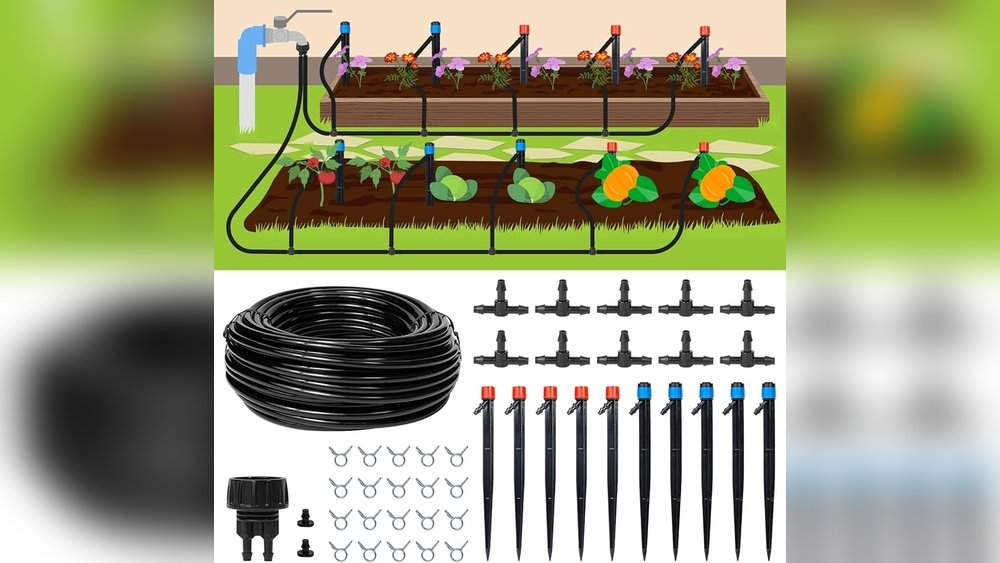
Drip irrigation delivers water directly to the plant roots. It uses small tubes with emitters that release water slowly. This system is perfect for gardens, flower beds, and shrubs. Drip irrigation reduces water waste and helps plants absorb moisture better. It works well in dry climates or areas with water restrictions.
Soaker Hoses
Soaker hoses are porous tubes that release water along their length. They lie on the ground around plants or garden rows. Water seeps out slowly, soaking the soil deeply. This method is simple, affordable, and easy to install. Soaker hoses work well for narrow garden beds and borders.
System Features To Look For
Choosing the right automatic watering system means checking for key features. These features help save water and keep your lawn healthy. They also make the system easier to use and more efficient. Focus on features that fit your lawn size, weather, and daily schedule. Below are important system features to consider for your lawn.
Programmable Timers
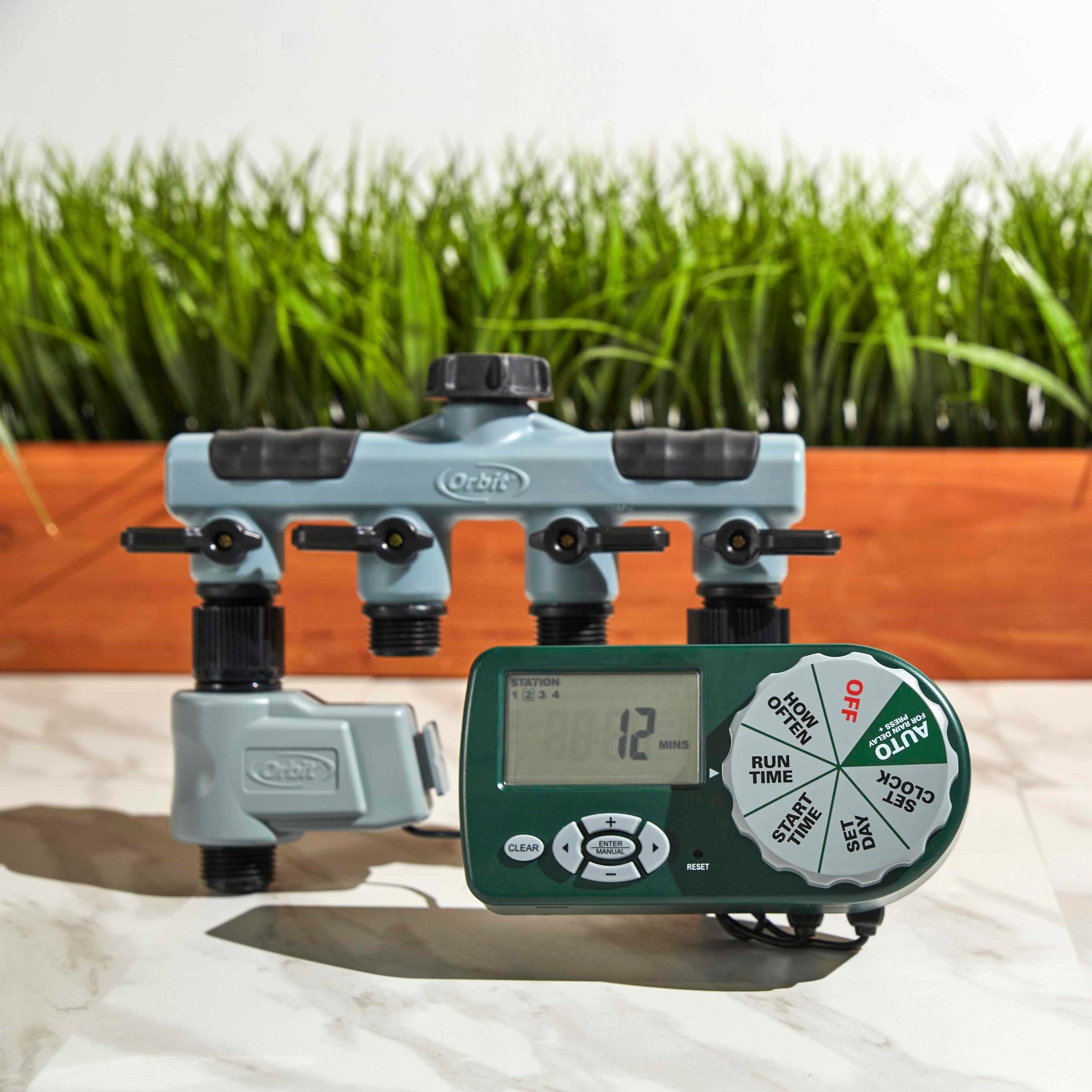
Programmable timers let you set watering times and duration. You can water early in the morning or late at night. This avoids water loss from evaporation. Timers also help water your lawn on specific days. You can adjust schedules as seasons change. This feature saves water and keeps your lawn green.
Rain Sensors
Rain sensors stop your system from watering during rain. They detect moisture and pause the watering cycle. This prevents overwatering and reduces water bills. Rain sensors protect your plants from getting too wet. They make your system smarter and eco-friendly. Installing rain sensors is simple and useful.
Smart Home Integration
Smart home integration allows control from your phone or tablet. You can change watering schedules anywhere, anytime. Some systems connect with weather apps for better watering plans. This feature adds convenience and saves water. It fits well with modern smart homes. Smart integration keeps your lawn healthy with less effort.
Watering Techniques
Choosing the right watering technique is essential for an automatic watering system. Proper watering helps your lawn stay healthy and green. It reduces water waste and prevents lawn diseases. Understanding different watering methods guides you to select the best system for your lawn’s needs.
Cycle And Soak Method
The cycle and soak method waters in short cycles with breaks in between. This allows water to soak deep into the soil. It prevents runoff on slopes and hard surfaces. This method encourages strong root growth by delivering water slowly and deeply. Automatic systems with this feature work well for uneven lawns or clay soils.
Timing And Frequency
Set watering times to match your lawn’s needs. Early morning is the best time to water. This reduces evaporation and fungal growth. Adjust frequency based on season and weather. Water less in cool or rainy months. Increase watering during hot, dry spells. A good automatic system allows easy timing adjustments for these changes.
Installation Tips
Installing an automatic watering system requires careful planning and attention. Proper installation ensures efficient watering and a healthy lawn. Follow these tips to prepare the site and avoid common mistakes.
Preparing The Site
Start by clearing the area of debris, rocks, and plants. This step makes digging easier and prevents damage to sprinkler parts. Mark the layout of your watering zones with spray paint or flags. Check for underground utilities before digging trenches. Use a shovel or trenching tool to create paths for pipes. Keep trenches shallow but deep enough to protect the pipes. Arrange sprinkler heads to cover all lawn areas without overlapping too much. Confirm water pressure and flow meet your system’s needs before installation.
Avoiding Common Mistakes
Do not install sprinklers too close to sidewalks or driveways to prevent water waste. Avoid placing heads where they spray on buildings or streets. Use quality pipe fittings to prevent leaks and breaks. Test the system for leaks and coverage before covering trenches. Do not forget to install a backflow preventer to protect your water supply. Follow the manufacturer’s instructions carefully for each component. Regularly check the system during the first week to adjust sprinkler heads if needed.

Credit: www.eurotecwater.com
Maintenance And Troubleshooting
Maintaining your automatic watering system keeps your lawn healthy and saves water. Troubleshooting small problems early stops bigger damage. Regular care ensures the system works well all year.
Regular Checks
Check your system weekly during the watering season. Inspect sprinkler heads for clogs or damage. Make sure nozzles spray evenly and cover all lawn areas. Look for leaks or broken pipes around valves and connectors. Clean filters to prevent blockages. Test the timer and control settings to confirm proper operation. Adjust settings as seasons change for efficient watering.
Handling Common Issues
Fix clogged nozzles by removing debris or soaking parts in vinegar. Replace broken sprinkler heads to avoid dry spots. Repair leaks with waterproof tape or new fittings. Reset the controller after power outages to restore schedules. Check battery backup to keep programs saved. If zones don’t activate, inspect wiring and valves for faults. Call a professional for complex electrical or plumbing problems.
Popular Brands Comparison
Choosing the right automatic watering system means knowing the top brands. Popular brands offer various features and reliability. Comparing these helps pick the best fit for your lawn size and needs.
Some brands focus on ease of use, while others provide advanced control options. Understanding the differences saves time and money. Here is a look at two leading brands and some other options.
Rain Bird Vs Hunter
Rain Bird and Hunter lead the market for lawn watering systems. Rain Bird offers durable products with simple controls. It suits homeowners wanting reliable, no-fuss watering.
Hunter provides more smart features and customization. Their systems allow precise scheduling and water-saving options. Ideal for users who want more control and tech integration.
Both brands use quality materials to last many seasons. Installation is straightforward for each, but Hunter’s models may need more setup time. Rain Bird is often easier for beginners.
Price-wise, Rain Bird tends to be slightly more affordable. Hunter’s advanced features might justify the extra cost for some users. Either brand ensures good coverage and water efficiency.
Other Notable Options
Other brands like Orbit and Rachio also deserve mention. Orbit systems are budget-friendly and easy to install. They offer basic features suitable for small to medium lawns.
Rachio stands out with smart home integration. It connects to Wi-Fi and adjusts watering based on weather. This can reduce water waste and lower bills.
Each brand targets different user needs. Consider lawn size, budget, and desired features. This helps narrow down the best automatic watering system for your lawn.

Credit: www.amazon.com
Cost And Budgeting
Choosing the right automatic watering system depends a lot on cost and budgeting. It is important to plan how much you want to spend. This helps avoid surprises and ensures the system fits your financial situation.
Initial Investment
The initial cost includes the price of the system and installation fees. Basic systems cost less but may have fewer features. More advanced systems with smart controls can be pricier.
Installation costs vary depending on lawn size and complexity. Doing the installation yourself can save money but needs time and skill. Hiring a professional may cost more but offers better results.
Long-term Savings
Automatic watering systems can reduce water waste. Saving water lowers your monthly water bill. Efficient watering helps maintain a healthy lawn, avoiding costly repairs or replacements.
Some systems have timers and sensors to water only when needed. This prevents overwatering and saves money over time. Consider systems with good warranties to protect your investment.
Frequently Asked Questions
What Is The 30/30 Rule For Irrigation?
The 30/30 rule for irrigation means watering for 30 minutes, then waiting 30 minutes before watering again. This prevents runoff and allows deep soil absorption.
How Do I Choose A Lawn Sprinkler System?
Choose a lawn sprinkler system based on your lawn’s size, shape, and water supply. Consider soil type and watering needs. Select zones for large areas and ensure easy installation and maintenance.
What Is The 1/2/3/2:1 Watering Method?
The 1/2/3/2:1 watering method divides watering into cycles. It waters for 1 minute, rests 2, waters 3, rests 2, then waters 1 minute again. This allows soil to absorb water deeply, reduces runoff, and promotes healthy root growth.
Which Is Better, Rainbird Or Hunter Controller?
Hunter controllers offer advanced smart features and user-friendly interfaces. Rainbird excels in durability and budget-friendly options. Choose Hunter for smart irrigation, Rainbird for reliability and cost-effectiveness. Both provide excellent performance based on your specific lawn needs and preferences.
Conclusion
Choosing the right automatic watering system saves time and water. Consider your lawn size, soil type, and water source carefully. Simple systems suit small yards, while larger lawns need multiple zones. Look for features like timers and adjustable spray patterns.
Proper watering helps grass grow strong and stay healthy. A good system prevents waste and keeps your lawn green. Take your time to pick one that fits your needs and budget. Your lawn will thank you with lush, vibrant growth all year.