
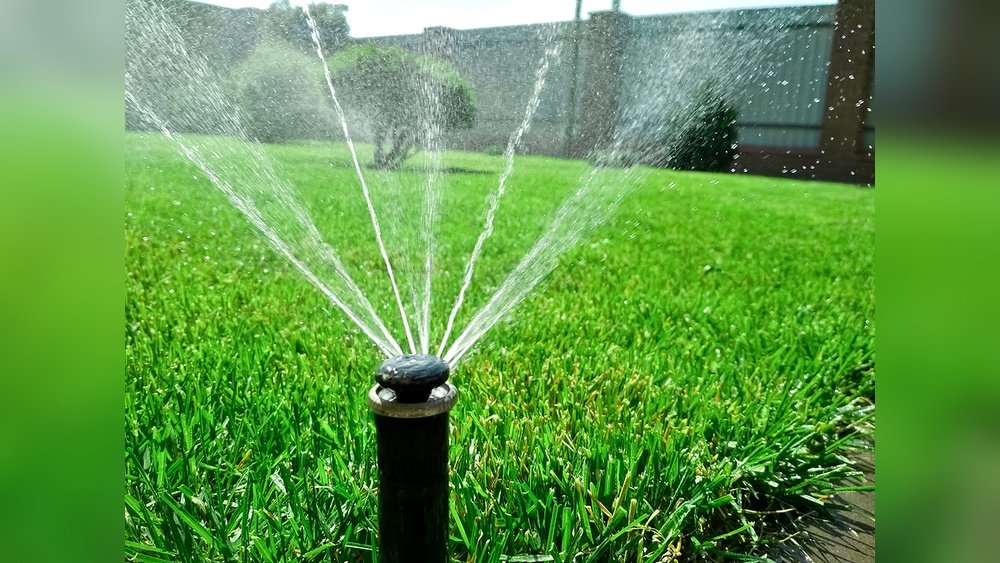
Imagine having a lush, green lawn that stays perfectly watered without you lifting a finger. Sounds great, right?
Setting up an automatic lawn watering system can turn that dream into reality. Whether you want to save time, conserve water, or simply keep your yard looking its best, this guide will walk you through everything you need to know.
By the end, you’ll have the confidence to install a system tailored to your lawn’s unique needs—saving you effort and giving your grass the care it deserves. Ready to make your lawn smarter and healthier? Let’s dive in.
Planning Your System
Planning your automatic lawn watering system is the first step to efficient irrigation. Careful preparation saves water and keeps your lawn healthy. This stage involves understanding your lawn’s needs and the available resources. It helps you choose the best components that fit your space and budget.
Assessing Lawn Size And Shape
Measure your lawn’s total area in square feet or meters. Note any irregular shapes or slopes that affect water flow. Divide large lawns into zones for better control. Each zone can run separately to avoid overwatering. Mapping your lawn on paper helps visualize the setup clearly.
Identifying Water Sources
Check where your water supply comes from. It could be your home’s main water line, a well, or a rainwater tank. Ensure the source has enough pressure and flow for the system. Confirm access points and their locations around your lawn. Knowing this helps in planning pipe routes efficiently.
Choosing The Right Components
Select sprinklers or drip emitters based on your lawn’s needs. Sprinklers suit large, open areas. Drip emitters work well for flower beds or shrubs. Pick timers that allow easy programming and water scheduling. Use durable pipes and fittings designed for outdoor use. Quality parts reduce leaks and maintenance issues.
Credit: www.arvenys.com
Installing The Controller
Proper sprinkler positioning ensures even watering across your lawn. It prevents dry spots and overwatering. Careful placement saves water and keeps grass healthy.
Plan your sprinkler layout before installation. Think about lawn shape and obstacles like trees or paths. Correct placement improves system efficiency and lawn appearance.
Mapping Sprinkler Locations
Start by drawing a simple map of your lawn. Mark areas that need water and note any obstacles. Place sprinklers so their spray areas overlap slightly.
Overlap avoids dry patches and ensures full coverage. Avoid placing sprinklers too close to walls or fences. This reduces water waste and runoff.
Adjusting Spray Patterns
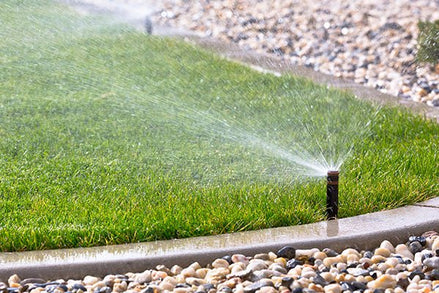
Most sprinklers have adjustable spray patterns. Set them to match your lawn shape and size. Use full circles for open areas and partial arcs for edges.
Adjust spray distance to avoid watering sidewalks or driveways. Proper spray patterns save water and protect plants from overwatering.
Considering Lawn Zones
Divide your lawn into zones based on sun, shade, and soil type. Each zone may need different watering times or amounts. Group similar areas to water efficiently.
Separate zones let you control watering for each area. This saves water and promotes healthy grass growth. It also reduces water runoff and pooling.
Setting Up Mainline And Valves
Testing and adjustments are vital steps after installing your automatic lawn watering system. These steps ensure the system works efficiently and protects your lawn. A well-tested system saves water and keeps your grass healthy. Spend time checking each part carefully before regular use.
System Leak Checks
Start by turning on the system and watching for leaks. Check all pipe connections, valves, and sprinkler heads. Look for wet spots or puddles around the system. Even small leaks waste water and reduce system pressure. Tighten fittings or replace damaged parts immediately. Repeat the check after repairs to confirm no leaks remain.
Balancing Water Coverage
Observe how water spreads on your lawn during a watering cycle. Sprinklers should cover all areas evenly without flooding or dry spots. Adjust sprinkler heads to change spray direction or distance. Avoid watering sidewalks or driveways to save water. Proper coverage means every part of your lawn gets enough water for growth.
Fine-tuning Timers
Set your timers based on your lawn’s needs and weather. Start with short watering periods and increase if needed. Avoid watering during the hottest parts of the day to reduce evaporation. Adjust schedules seasonally to match rainfall and temperature changes. Proper timing keeps your lawn green while saving water and money.
Credit: www.rainbird.com
Positioning Sprinklers
Proper maintenance keeps your automatic lawn watering system working well. It helps save water and avoids costly repairs. Regular care ensures your lawn stays green and healthy all year.
Regular System Inspections
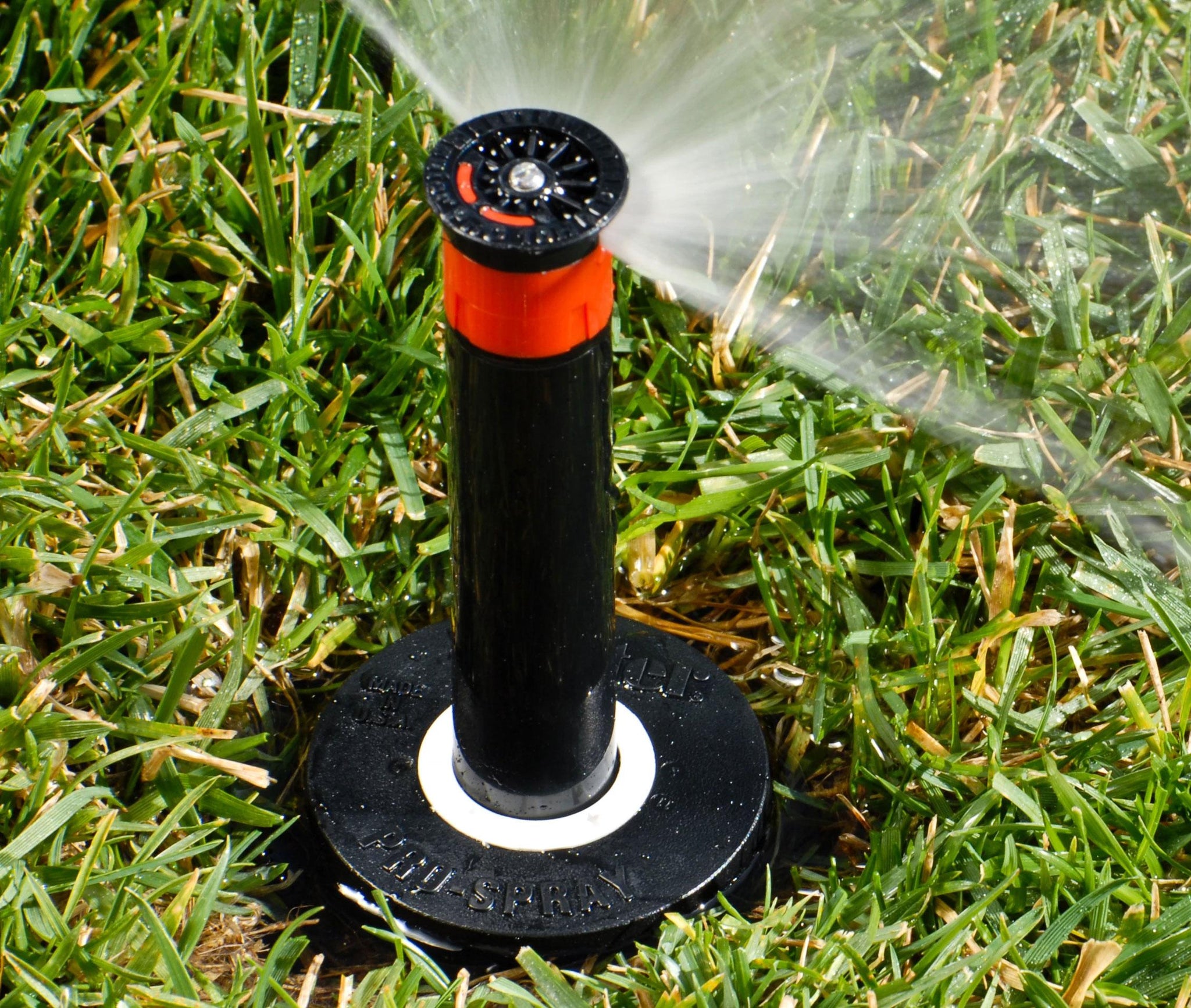
Check your system once a month during the growing season. Look for broken sprinkler heads or clogged nozzles. Clear any dirt or debris around the sprinklers. Make sure the timer matches your lawn’s watering needs. Replace damaged parts quickly to prevent leaks.
Winterizing The System
Before cold weather arrives, drain all water from pipes and valves. Use an air compressor to blow out any water left inside. This prevents freezing and cracking. Turn off the main water supply and disconnect the controller. Store removable parts in a dry place until spring.
Troubleshooting Common Issues
If parts of your lawn are dry, check for blocked heads or low water pressure. Fix leaks by tightening fittings or replacing seals. Reset the controller if the system does not start on time. For uneven coverage, adjust sprinkler angles or replace worn nozzles. Regular checks catch problems early and keep your system efficient.
Credit: nutrienwaterstore.com.au
Frequently Asked Questions
How To Set Up An Automated Watering System?
Connect the irrigation controller to a water source and mainline. Install valves, lateral pipes, and sprinklers. Wire the control system. Test for leaks and proper coverage. Program watering schedules based on plant needs and local climate.
What Is The 30/30 Rule For Irrigation?
The 30/30 rule for irrigation means watering for 30 minutes, then waiting 30 minutes before watering again. This prevents runoff and promotes deep soil absorption.
What Is The 1/2/3/2:1 Watering Method?
The 1/2/3/2:1 watering method cycles watering times: 1 minute, then 2, then 3, then 2 minutes, with 1-minute breaks. It prevents runoff and promotes deep soil absorption.
How To Set Up An Automatic Sprinkler System?
To set up an automatic sprinkler system, install a water source connection and irrigation controller. Lay mainline pipes, valves, and sprinkler heads. Connect low-voltage control wires to valves. Program the controller for watering schedules. Test the system to ensure proper coverage and operation.
Conclusion
Setting up an automatic lawn watering system saves time and effort. It ensures your lawn stays green and healthy all year. Deep watering helps roots grow stronger and more drought-resistant. Adjust watering times by season to avoid waste. Testing your system regularly keeps it running smoothly.
With simple steps, you can enjoy a beautiful lawn without daily work. Start small, learn as you go, and watch your garden thrive.