
Are you tired of seeing patchy, uneven grass after spreading fertilizer? Getting granular fertilizer to spread evenly on your lawn can feel tricky, but it doesn’t have to be.
Imagine a lush, green lawn where every blade of grass gets the nutrients it needs, without waste or clumps. You’ll discover simple, practical tips that make spreading fertilizer easy and effective. Keep reading to transform your lawn care routine and enjoy the healthy, vibrant yard you deserve.
Choosing The Right Fertilizer
Choosing the right fertilizer is key to a healthy, green lawn. The right product feeds your grass properly. It helps grass grow strong and resist pests and diseases. Different lawns need different nutrients. The fertilizer must match your lawn’s needs for best results.
Granular fertilizers come in many types. Each type works differently and suits different lawns. Knowing these types helps you pick the best one for your grass.
Types Of Granular Fertilizers
There are three main types of granular fertilizers: slow-release, quick-release, and organic. Slow-release fertilizers feed grass slowly over time. This means fewer applications and steady growth. Quick-release fertilizers work fast, giving grass an immediate boost. They are good for lawns that need quick repair. Organic fertilizers come from natural sources like compost or manure. They improve soil health and feed grass gently. Choose the type that matches your lawn’s growth speed and soil condition.
Nutrient Content And Lawn Needs
Fertilizers list nutrients as N-P-K: nitrogen, phosphorus, and potassium. Nitrogen helps grass grow green and thick. Phosphorus supports root development. Potassium strengthens grass against stress and disease. Test your soil to know what nutrients it lacks. This helps avoid over-fertilizing or missing key nutrients. Pick a fertilizer with the right N-P-K ratio for your lawn type. Adjust nutrient levels based on the season and grass needs. Proper nutrient balance leads to a lush, healthy lawn.
Preparing Your Lawn
Preparing your lawn is the first step to spread granular fertilizer evenly. A clean, healthy lawn absorbs nutrients better. Proper preparation helps the fertilizer work well and keeps your grass green and strong.
Mowing And Cleaning The Lawn
Start by mowing your lawn to a medium height. This makes the fertilizer reach the soil easily. Remove leaves, sticks, and debris. A clean surface prevents clumps and blocks in your spreader. Clear lawn areas help spread fertilizer evenly.
Soil Testing For Better Results
Test your soil before applying fertilizer. Soil testing shows nutrient levels and pH balance. It helps choose the right fertilizer type and amount. Testing avoids over-fertilizing and saves money. You get a healthier lawn with balanced nutrients.
Selecting The Proper Spreader
Choosing the right spreader helps to apply granular fertilizer evenly. An even spread keeps your lawn healthy and green. The right tool saves time and avoids patchy spots. Understanding the types of spreaders and how to adjust them is key. This guide covers the basics of selecting and using spreaders properly.
Broadcast Vs. Drop Spreaders
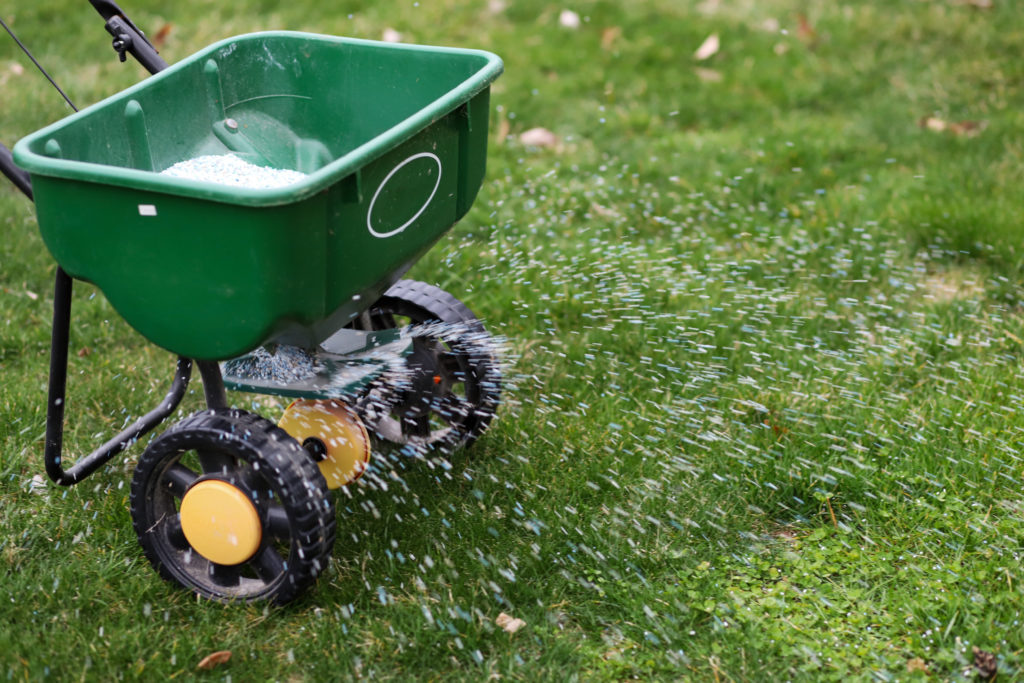
Broadcast spreaders throw fertilizer in a wide pattern. They cover large areas quickly. This type works well for open lawns without many obstacles. Drop spreaders release fertilizer directly below the spreader. They provide precise application and less waste. Ideal for small lawns or areas near flower beds. Choose based on lawn size and shape.
Calibrating Your Spreader
Calibration means setting your spreader to apply the right amount. Too much fertilizer can harm grass and the environment. Too little will not feed your lawn properly. Check the spreader’s instructions for calibration steps. Use a test area to measure how much fertilizer is spread. Adjust the settings until you get an even and correct amount. Calibration ensures uniform coverage and healthy grass growth.

Credit: www.youtube.com
Techniques For Even Distribution
Spreading granular fertilizer evenly is key to a healthy lawn. Uneven spread causes some areas to grow too fast and others to lag. Using the right techniques ensures every part of the lawn gets enough nutrients. This helps grass grow thick and green without patches.
Focus on simple methods that anyone can follow. Proper walking patterns and correct spreader settings make a big difference. These methods save fertilizer and protect your lawn from damage.
Walking Patterns For Coverage
Walk in straight lines across the lawn for even coverage. Start at one edge and move to the opposite side. Walk at a steady pace to avoid clumps.
Overlap each pass slightly to cover gaps. Use a back-and-forth or a crisscross pattern. The crisscross pattern spreads fertilizer in two directions. It reduces missed spots and builds even coverage.
Keep your steps even and steady. Avoid stopping or turning sharply. Smooth movement helps the spreader work correctly.
Adjusting Spreader Settings
Check the fertilizer bag for recommended spreader settings. Adjust the spreader to match the fertilizer type and granule size. Too high a setting wastes fertilizer and harms the lawn. Too low leaves the grass underfed.
Test the spreader on a hard surface before you start. Measure the amount of fertilizer it releases in a set time. Adjust settings until the output matches the recommendation.
Regularly clean the spreader to prevent clogging. A clean spreader maintains a steady flow of fertilizer. Proper adjustment ensures nutrients reach every part of your lawn.
Applying Fertilizer Safely
Applying fertilizer safely is important for a healthy lawn and environment. Using the right amount protects your grass and avoids damage. Spreading fertilizer carefully helps plants grow well without harming nearby areas. Follow simple steps to keep your lawn green and safe.
Avoiding Over-application
Too much fertilizer can burn grass and waste money. Measure your lawn area before applying fertilizer. Use a spreader with settings that fit the product instructions. Spread fertilizer evenly in small amounts. Avoid applying fertilizer right before heavy rain to prevent runoff.
Protecting Nearby Plants And Water Sources
Keep fertilizer away from flower beds and shrubs to avoid damage. Cover areas you do not want fertilized with cardboard or plastic sheets. Do not let fertilizer fall into storm drains or ponds. This protects fish and water quality. Clean your spreader after use to prevent leftover fertilizer from harming plants.
Credit: carolinafreshfarms.com
Post-application Care
After spreading granular fertilizer, proper care helps your lawn use nutrients well. Post-application care supports grass growth and prevents damage. Follow simple steps to keep your lawn healthy and green.
Watering Guidelines
Water your lawn soon after applying fertilizer. This helps dissolve granules and moves nutrients into the soil. Use a gentle spray to avoid washing fertilizer away. Keep soil moist but not soaked for a few days. Avoid heavy watering that causes runoff. Proper watering improves fertilizer absorption and lawn health.
Monitoring Lawn Response
Watch your lawn for changes after fertilizing. Look for greener, thicker grass within two weeks. Check for signs of stress like yellow or brown patches. If spots appear, reduce watering or avoid fertilizing too often. Healthy lawns absorb nutrients well and grow stronger. Adjust care based on your lawn’s response for best results.
Common Mistakes To Avoid
Spreading granular fertilizer evenly is key to a healthy lawn. Many people make simple mistakes that cause uneven growth or damage. Avoiding these errors saves time and money. Learn the most common mistakes to skip for better results.
Applying In Windy Conditions
Wind can blow fertilizer away from the target area. This causes uneven coverage and waste. Always check weather before applying fertilizer. Choose a calm day with little or no wind. This ensures granules land exactly where needed. It also prevents fertilizer from drifting onto sidewalks or streets.
Ignoring Spreader Calibration
Each spreader works differently and needs proper calibration. Skipping this step leads to too much or too little fertilizer. Calibrate your spreader by testing it on a small area first. Adjust settings according to the product instructions. Proper calibration helps achieve even spreading and prevents lawn damage. It also saves fertilizer by using the right amount.

Credit: www.nutrilawnflorida.com
Frequently Asked Questions
How Do I Evenly Spread Granular Fertilizer?
Use a broadcast or drop spreader for uniform application. Walk at a steady pace and overlap passes slightly to avoid missed spots. Calibrate your spreader before use for accurate distribution.
What Is The Best Time To Apply Granular Fertilizer?
Apply fertilizer early morning or late afternoon to avoid heat stress. Choose a dry day with no rain forecast to prevent runoff. Spring and fall are ideal seasons for lawn feeding.
How Much Granular Fertilizer Should I Apply Per Square Foot?
Follow the fertilizer package instructions for precise amounts. Typically, 1 to 2 pounds per 1,000 square feet is common. Over-application can harm grass and cause nutrient runoff.
Can I Spread Granular Fertilizer By Hand?
Yes, but it requires careful, even distribution to avoid clumps. Use gloves and spread small amounts in a crisscross pattern. Hand spreading suits small or irregular lawn areas.
Conclusion
Spreading granular fertilizer evenly helps your lawn grow healthy and green. Use steady, overlapping passes to cover all areas well. Avoid applying too much fertilizer in one spot. Water the lawn after spreading to help nutrients soak in. Regular care and proper spreading lead to a lush, strong lawn.
Keep your lawn happy with simple, careful fertilizer use. Try these tips for better lawn results next time.