
Are you looking to make your lawn greener, healthier, and more vibrant? Applying granular fertilizer the right way can be the secret to achieving a lush lawn that stands out. Understanding the process of granular fertilizer application is crucial for optimal results.
But if you’re unsure how to spread it evenly or when to apply it, your efforts might not give the results you want. In this guide, you’ll discover simple, effective steps to apply granular fertilizer correctly—saving you time, money, and frustration.
Keep reading to learn how to transform your lawn into the envy of the neighborhood.

Credit: turfgator.com
Choosing The Right Granular Fertilizer
Choosing the right granular fertilizer is key to a healthy lawn. It ensures your grass gets the nutrients it needs. Different fertilizers work best for different lawn types and soil conditions. Knowing what each type offers can help you pick the best one.
Types Of Granular Fertilizers
Granular fertilizers come in several types. Some release nutrients quickly, while others feed slowly. Quick-release fertilizers give a fast green boost. Slow-release options feed the lawn over weeks. Choose based on how fast you want results and your lawn’s needs.
Nutrient Ratios And Lawn Needs
Fertilizers list nutrient ratios like 10-10-10“>nutrient ratios like 10-10-10. These numbers show nitrogen, phosphorus, and potassium amounts. Nitrogen helps grass grow green and thick. Phosphorus supports strong roots. Potassium improves stress resistance. Match these numbers to your lawn’s health and soil test results.
Organic Vs Synthetic Options
Organic fertilizers come from natural sources like compost. They improve soil health and release nutrients slowly. Synthetic fertilizers are man-made and act faster. They offer precise nutrient amounts. Choose organic for long-term soil health. Pick synthetic for quick, targeted feeding.

Credit: sodsolutions.com
Preparing Your Lawn
Preparing your lawn“>Preparing your lawn is an important step before applying granular fertilizer. A healthy, clean lawn helps the fertilizer work better. It also stops the fertilizer from sticking to leaves, which can cause burning. This section explains three key tasks to get your lawn ready for fertilizing.
Mowing And Cleaning The Lawn
Start by mowing your lawn to a medium height. This makes sure the fertilizer reaches the soil. Avoid cutting the grass too short. It can stress the grass and reduce fertilizer effectiveness. After mowing, remove leaves, sticks, and debris. A clean surface helps spread fertilizer evenly.
Checking Soil Moisture
Check the soil moisture before fertilizing. The soil should be moist but not wet. Dry soil can stop fertilizer from dissolving properly. Too much water can wash fertilizer away. Water your lawn a day before, if the soil feels dry. This helps fertilizer soak into the ground.
Testing Soil Nutrients
Test your soil to know what nutrients it needs. You can buy a simple soil test kit online or at garden stores. The test shows if your lawn lacks nitrogen, phosphorus, or potassium. Using the right fertilizer saves money and protects your lawn. It also keeps your grass green and strong.
Tools For Applying Fertilizer
Choosing the right tools is key to applying granular fertilizer well. The tools help spread the fertilizer evenly. They save time and reduce waste. Using proper tools also protects your lawn from damage. Here are some common tools to consider.
Broadcast Spreaders
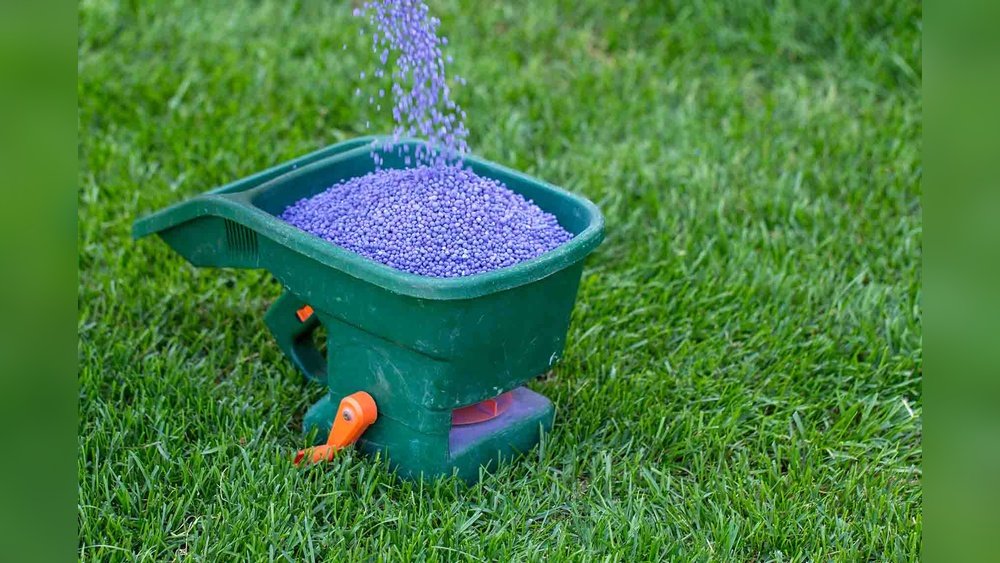
Broadcast spreaders cover large areas quickly. They throw fertilizer in a wide pattern. This tool works best for open areas and ensures even distribution during granular fertilizer application.
Timing Your Fertilizer Application
Timing is crucial for effective granular fertilizer application. Applying at the right time ensures nutrients are available when your lawn needs them most.
Seasonal Considerations
Different seasons require different fertilizing strategies. Spring and fall are typically the best times for fertilizing, as grass is actively growing. Avoid fertilizing in extreme heat or cold.
Weather Conditions
Check the weather forecast before applying fertilizer. Avoid rainy days to prevent runoff and choose calm days to ensure even application.