
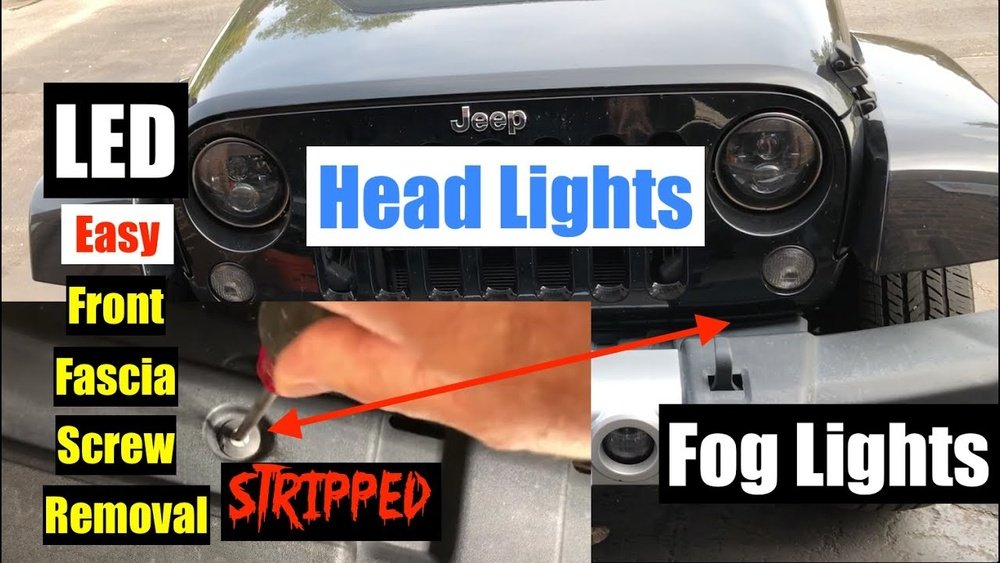
Adding fog lights to your Jeep Wrangler is more than just a style upgrade. It’s a practical way to boost visibility and safety, especially in poor weather or off-road conditions. Many Wrangler owners want that extra light for driving through fog, rain, snow, or dusty trails. However, installing fog lights can feel intimidating if you’ve never worked on your vehicle’s electrical system. The good news: with the right approach, tools, and knowledge, you can install fog lights on your Jeep Wrangler at home—even if you’re not a professional mechanic.
This guide walks you step by step through the whole process. You’ll learn how to choose the right fog lights, prepare your tools, wire everything safely, and avoid the mistakes that often trip up beginners. You’ll also find practical tips from Jeep enthusiasts and expert advice to ensure your project goes smoothly.
Why Install Fog Lights On A Jeep Wrangler?
Fog lights are designed to cut through low-visibility conditions. They sit low on the vehicle, projecting a wide, short beam that stays close to the road. This helps you see obstacles, road edges, and other vehicles better when regular headlights bounce light back into your eyes.
For Jeep Wrangler owners, there are several reasons to add or upgrade fog lights:
- Enhanced Safety: Better visibility in fog, heavy rain, snow, and dust.
- Off-Road Performance: See rocks, ruts, or water crossings during night-time trails.
- Appearance: Many owners love the rugged, purposeful look of a Wrangler with auxiliary lights.
- Resale Value: Quality lighting upgrades can make your Jeep more attractive to buyers.
Many factory Wrangler trims come with basic fog lights, but these are often dim or not included at all on some models. Aftermarket fog lights offer stronger illumination, different beam patterns, and stylish options like LED halos or colored rings.
Choosing The Right Fog Lights For Your Wrangler
Before you buy, it’s important to pick fog lights that match your Jeep and your needs. Here’s what to consider:
Types Of Fog Lights
Most Jeep fog lights fall into two categories:
- Halogen fog lights: Traditional, affordable, and easy to replace. Output is warm and yellowish. They’re less bright than LEDs but work well in thick fog.
- LED fog lights: Brighter, longer-lasting, and use less power. Many modern Jeeps use LEDs for better energy efficiency and a whiter light.
You’ll also find HID (high-intensity discharge) fog lights, but these are less common and can be tricky to install legally.
Fitment And Compatibility
Not all fog lights fit every Wrangler. Key factors:
- Model year: JK (2007–2018), JL (2018–present), and TJ (1997–2006) have different bumper designs and electrical connectors.
- Mounting location: Some lights are built for the factory bumper, others for aftermarket bumpers or A-pillar brackets.
- Wiring harness: Check if the lights come with their own harness, or if you’ll need to buy one separately.
Light Output And Beam Pattern
- Lumens: This measures brightness. LEDs typically range from 1,200–3,000 lumens per light.
- Beam angle: Fog lights should have a wide, flat beam (not a tall, narrow spot like driving lights).
- Color temperature: 3,000K (yellow) is best for fog; 5,000–6,500K (white) is popular for style and general use.
Dot/sae Certification
For street use, lights should be DOT (Department of Transportation) or SAE (Society of Automotive Engineers) approved. Off-road-only lights may not be legal on public roads.
Top Fog Light Options For Jeep Wrangler
Here’s a quick comparison of popular fog light options:
| Brand/Model | Type | Lumens | Fitment | DOT/SAE Approved |
|---|---|---|---|---|
| Mopar OEM | Halogen/LED | 1,200–1,800 | JK, JL | Yes |
| KC HiLiTES Gravity | LED | 1,500 | JK, JL | Yes |
| Rigid Industries D-Series | LED | 3,000 | Universal | Some models |
| JW Speaker 8700 Evo J2 | LED | 1,700 | JK, JL | Yes |
Non-obvious Insight: Don’t Just Buy On Price
Many beginners buy the cheapest fog lights they find online. But poor-quality lights may flicker, fog up, or fail after a few months. Look for reviews from other Wrangler owners, and consider paying a bit more for a trusted brand with a warranty.
What You’ll Need: Tools And Parts
Before starting, gather everything you’ll need. This avoids delays and extra trips to the store.
Essential Tools
- Socket set (metric and SAE)
- Screwdrivers (Phillips and flathead)
- Wire stripper/crimper
- Pliers
- Electrical tape or heat shrink tubing
- Multimeter (for checking voltage)
- Trim removal tool (for plastic clips)
- Torque wrench (optional, for factory bolts)
Parts And Components
- Fog lights (with mounting hardware)
- Wiring harness (with relay and fuse)
- Switch (if your Jeep does not have a factory fog light switch)
- Zip ties (for securing wires)
- Connectors (butt connectors or solder for wiring)
Optional Extras
- Aftermarket bumper (if you want to change the bumper or add extra protection)
- Light guards or covers (for off-road protection)
- Anti-flicker modules (for some LED systems)
Planning Your Install
It’s smart to read through your fog light’s instructions before starting. Some kits are “plug and play” for factory wiring; others need custom wiring. Check if your Jeep already has factory fog light wiring—this can save time.
Step-by-step Installation Guide
Now let’s get into the heart of the process. The steps below cover a typical Jeep Wrangler JK or JL, but are similar for other models. Always double-check your specific kit and vehicle’s manual.
1. Preparation And Safety
- Disconnect the battery before starting any wiring. This prevents shorts and accidental airbag deployment.
- Park your Jeep on a flat surface, set the parking brake, and use wheel chocks for safety.
- Lay out all parts and tools within easy reach.
2. Remove The Factory Fog Light Blanks Or Old Lights
If your Jeep has “dummy” fog light covers or old fog lights:
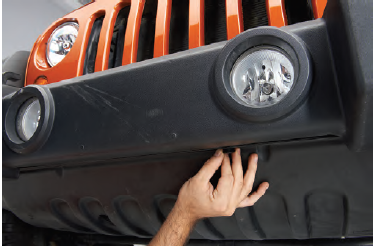
- Use a trim tool or screwdriver to gently pop out the covers from the bumper.
- For old lights, disconnect the wiring connector and remove mounting bolts.
- Keep all hardware—you may need it for the new lights.
3. Mount The New Fog Lights
- Align the new fog lights with the factory holes or brackets.
- Secure with the provided bolts and washers. Tighten evenly but don’t over-torque (plastic can crack).
- Check that each light is aimed straight and level.
- If using aftermarket bumpers, follow the bumper’s instructions for mounting.
4. Wiring The Fog Lights
Wiring is the trickiest part for most people. There are two main scenarios:
Scenario A: Using Factory Wiring
Many Wranglers have pre-installed fog light wiring, even if the lights weren’t included from the factory.
- Look for unused connectors behind the front bumper.
- Plug the new fog lights into these connectors.
- If the connectors don’t match, use adapters or wire pigtails (often included with fog light kits).
Scenario B: Installing A New Wiring Harness
If your Jeep lacks factory wiring, you’ll need to run your own harness.
- Route the wiring harness: Run the wires from the fog lights, along the frame or inside the bumper, toward the battery and fuse box. Avoid hot or moving parts.
- Install the relay and fuse: Mount the relay near the battery (but not directly on it). Insert the fuse in the holder provided.
- Connect to the battery: Attach the red (positive) wire to the battery’s positive terminal. Connect the black (ground) wire to a clean, unpainted metal surface.
- Connect to the switch: Run the switch wire through the firewall into the cabin. Use a factory switch location if possible, or mount the included switch in a convenient spot.
- Connect to the fog lights: Attach the harness leads to each fog light. Use weatherproof connectors or heat shrink for a secure connection.
5. Testing The System
- Reconnect the battery.
- Turn on the ignition and test the fog lights using the switch.
- Make sure both lights work. If they don’t, check the fuse, relay, and ground connections.
- If using the factory switch, make sure the fog light indicator on the dashboard lights up.
6. Aiming The Fog Lights
Proper aim is critical—aimed too high, fog lights blind other drivers; too low, and they’re ineffective.
- Park your Jeep 25 feet from a wall.
- Measure the height of the fog light center from the ground.
- Mark this height on the wall with tape.
- Adjust the fog lights so the top edge of the beam is about 4 inches below the tape line.
7. Securing And Tidying Up
- Use zip ties to secure all wiring away from moving parts, heat sources, and sharp edges.
- Replace bumper covers or trim panels.
- Double-check all bolts and connections.

Credit: www.amazon.com
Common Mistakes To Avoid
Even experienced DIYers make mistakes. Watch out for these common issues:
- Skipping the relay: Fog lights draw a lot of power. Without a relay, you risk overheating wires or blowing fuses.
- Poor grounding: A weak ground connection causes flickering or weak lights.
- Routing wires carelessly: Wires near exhaust, sharp metal, or moving suspension parts may melt or wear through.
- Aiming lights incorrectly: Misaligned fog lights annoy other drivers and may fail inspection.
- Ignoring legal rules: Some states ban certain colors or brightness levels on public roads.
Non-obvious tip: Always check if your Jeep’s CAN bus system needs a decoder or anti-flicker module for LED fog lights. Many modern Wranglers use sensitive electronics that can show a bulb-out warning if the circuit doesn’t “see” the right resistance.
Wiring Diagram Example
Many kits include a wiring diagram, but here’s a simplified version for reference:
- Red wire: Battery positive (+)
- Black wire: Ground (–)
- Relay terminal 30: Battery positive
- Relay terminal 85: Ground
- Relay terminal 86: Switch power (from cabin)
- Relay terminal 87: To fog lights
Credit: www.extremeterrain.com
Estimated Time And Difficulty
For most Jeep owners with basic tools, installing fog lights takes 1.5 to 3 hours. If you need to add a wiring harness or switch, plan for the longer end of that range.
Difficulty Comparison
| Installation Type | Skill Level | Estimated Time |
|---|---|---|
| Plug-and-play (factory wiring) | Beginner | 1–2 hours |
| Custom wiring harness | Intermediate | 2–3 hours |
| Aftermarket bumper + wiring | Advanced | 2–4 hours |
Real-world Example: Installing Led Fog Lights On A 2015 Wrangler Jk
Let’s look at a typical installation:
- Lights chosen: KC HiLiTES Gravity LED fog lights
- Vehicle: 2015 Jeep Wrangler JK Sport (no factory fog lights)
- Parts used: Fog light kit with brackets, relay harness, waterproof switch
Steps taken:
- Removed factory bumper inserts.
- Mounted new fog lights using supplied brackets.
- Routed harness along frame rail, secured with zip ties.
- Drilled small hole in firewall grommet to pass switch wire into cabin.
- Mounted switch next to headlight switch.
- Connected positive and ground wires to battery.
- Tested system; lights worked perfectly.
- Aimed lights using garage wall.
Lesson learned: The owner discovered the factory wire colors differed from the instructions. Double-check with a multimeter before connecting wires, especially on used vehicles with unknown modifications.
Cost Breakdown
Installing fog lights can cost anywhere from $60 to $500, depending on parts and whether you do it yourself.
Typical Expenses
| Item | Low Cost | High Cost |
|---|---|---|
| Fog lights (pair) | $40 | $300 |
| Wiring harness | $15 | $60 |
| Switch | $10 | $40 |
| Installation (shop) | $80 | $200 |
DIY installation saves money, but always budget a little extra for unexpected costs.
Tips For A Successful Installation
- Plan ahead: Read instructions for both the fog lights and the wiring harness.
- Test before final assembly: Temporarily hook up the lights to check function before buttoning up the bumper.
- Use dielectric grease: Apply to connectors to prevent corrosion, especially if you off-road or live in a wet climate.
- Label your wires: Use masking tape and a marker to avoid confusion during installation.
- Keep instructions: Store manuals and wiring diagrams in your glove box for future troubleshooting.
Maintenance And Care
Fog lights are generally low-maintenance, but a little care goes a long way.
- Clean lenses regularly: Mud, road salt, and bugs can reduce light output.
- Check wiring after off-roading: Look for cuts, broken zip ties, or loose connectors.
- Replace bulbs as a pair: If one fog light burns out, the other may soon follow.
- Inspect seals: Moisture inside the lens means the seal is compromised. Dry out and reseal with silicone if needed.
Non-obvious tip: Some LED fog lights can develop condensation inside the lens after deep water crossings. Remove the light, open the vent cap, and let it air dry before resealing.
Upgrading And Customizing
Jeep owners love to personalize. Here are some popular upgrades:
- Amber lenses: Swap in amber lenses for even better performance in fog.
- Colored halos: Add style with colored rings (check local laws before using on the street).
- Aftermarket bumpers: Many offer extra mounting points for more lights.
- Smart switches: Control your fog lights with a Bluetooth app or integrate with other auxiliary lights.
Legal Considerations
Rules for fog lights vary by state. Common requirements include:
- Only white or amber lights allowed on public roads.
- Maximum of two fog lights on at once.
- Fog lights must be mounted below the headlights (usually less than 24 inches from the ground).
- Fog lights must turn off with high beams.
Check your state’s Department of Motor Vehicles (DMV) website for the latest regulations.
Troubleshooting Common Problems
Even after careful installation, issues can arise. Here’s how to handle common problems:
- Lights won’t turn on: Check the fuse, battery connection, and ground.
- Only one light works: Inspect connectors and bulbs; swap bulbs to see if the problem follows the bulb or wiring.
- Flickering: Check for loose connections, poor ground, or missing relay.
- Dashboard warning light: If you installed LEDs, you may need a decoder to prevent CAN bus errors.
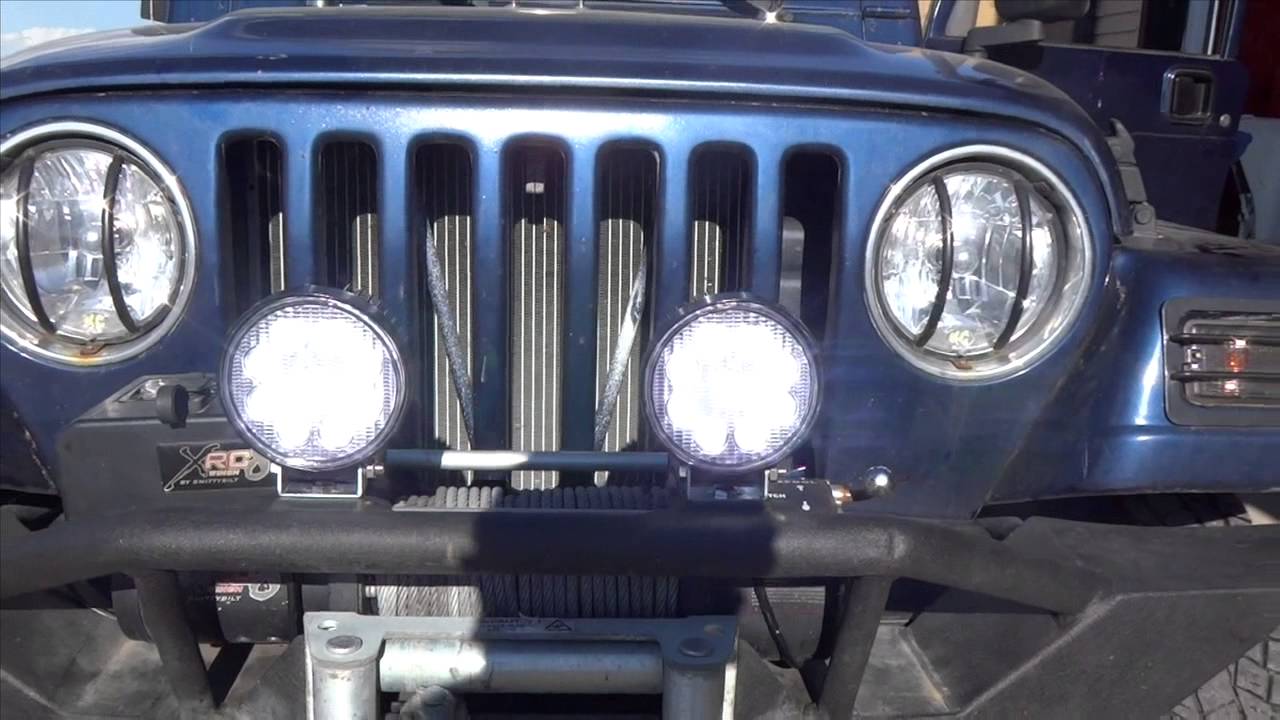
If you’re stuck, many online Jeep forums and YouTube channels offer model-specific help.
Credit: www.youtube.com
Safety Reminder
While installing fog lights is a rewarding DIY project, don’t take risks with your vehicle’s electrical system. If you’re unsure about any step, consult a professional mechanic or an experienced Jeep club member.
For more detailed wiring information, you can refer to this official NHTSA Lighting Requirements resource.
Frequently Asked Questions
How Do I Know If My Jeep Wrangler Is Pre-wired For Fog Lights?
Most Wranglers from 2007 onward have unused connectors behind the front bumper, even on base models. Check for plugs near the fog light openings. If present, you can use plug-and-play lights. If not, you’ll need a full wiring harness.
Can I Use Led Fog Lights With My Stock Wiring?
Yes, as long as the voltage and current draw are compatible. Some LED fog lights require a decoder or anti-flicker module to prevent dash warnings or flicker. Always check the product specifications.
Do I Need To Install A Relay With My Fog Lights?
A relay is strongly recommended. It allows the fog lights to draw power directly from the battery, protecting your factory wiring and switch from overheating. Most wiring kits include a relay.
How Do I Aim My Fog Lights Correctly?
Park 25 feet from a wall, measure the height of the fog light center, and mark it on the wall. The top edge of the beam should be 4 inches below the mark. Adjust using the mounting screws.
Are Aftermarket Fog Lights Legal For Road Use?
Only if they are DOT or SAE approved and meet your state’s rules for color, brightness, and mounting position. Non-compliant lights are for off-road use only.
Installing fog lights on your Jeep Wrangler is a project that pays off every time you drive in poor visibility. By choosing quality components, following safe wiring practices, and aiming your lights correctly, you’ll add both function and style to your Jeep—and enjoy safer adventures, day or night.