
Mud tires are famous for their aggressive look and strong off-road performance. Many Jeep owners love mud tires for their ability to handle dirt, rocks, and rough terrain. But one big question often comes up: how noisy are mud tires on Jeeps used for daily driving? If you’re thinking about getting mud tires, or already have them and wonder what’s normal, this guide is for you. We’ll explore the facts behind mud tire noise, what causes it, how it affects your daily commute, and what you can do to reduce the sound without losing performance.
What Makes Mud Tires Noisy?
Mud tires, also called mud-terrain (MT) tires, are made for off-road use. Their deep tread and bold patterns help grip mud, sand, and rocks. But these features also make them louder on paved roads.
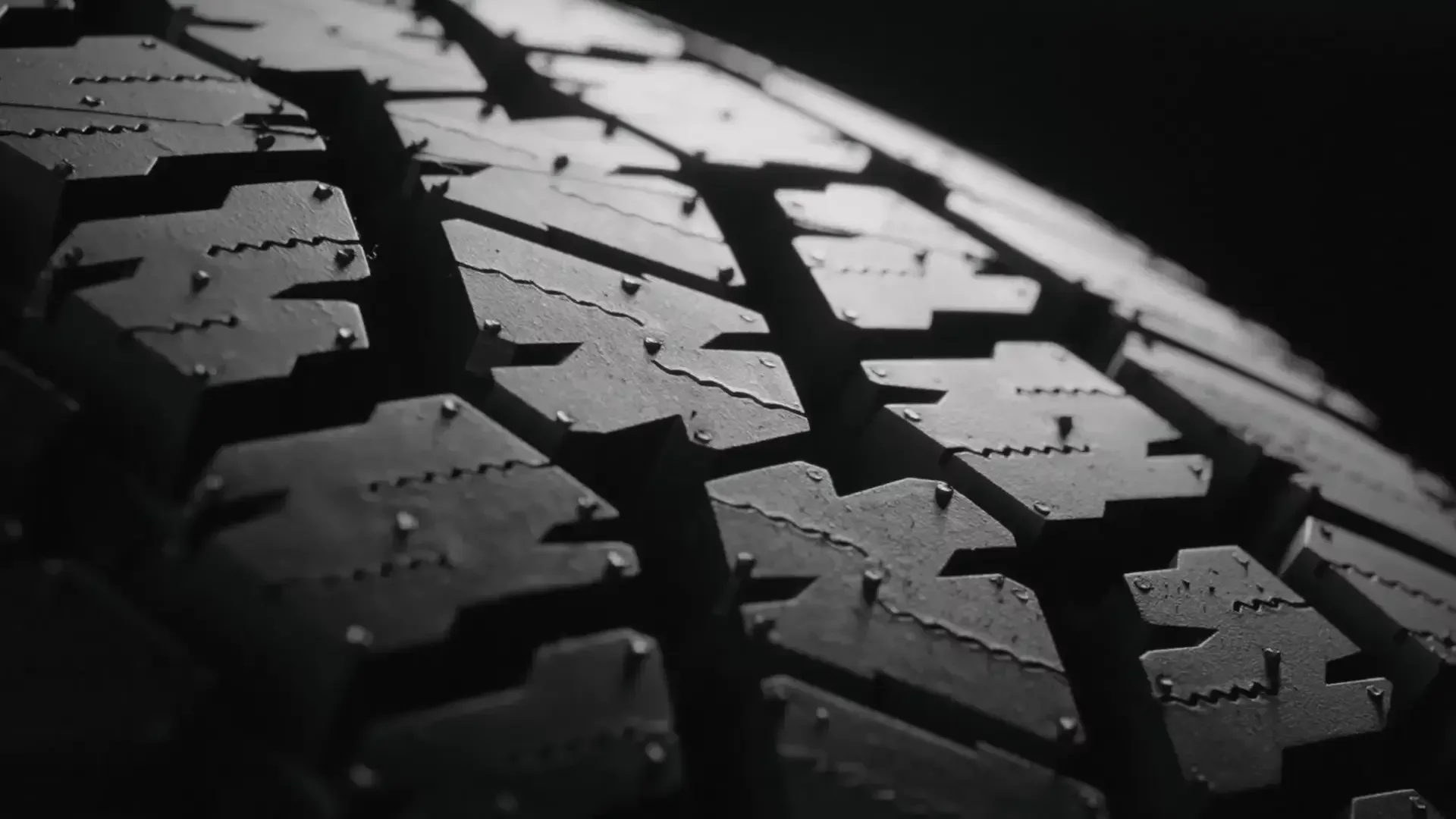
Tread Design And Sound
Most mud tires have large blocks, deep grooves, and wide spaces. This design helps them clear mud and debris, but it also creates extra air movement and vibration as you drive. The result is a humming or roaring sound that’s much louder than regular street tires.
- Deep tread blocks slap against the road surface.
- Wide gaps allow more air to pass through, making whistling or rumbling sounds.
- Aggressive patterns create uneven contact with the pavement, increasing vibration.
Rubber Compound
Mud tires use tougher rubber to resist cuts and damage. This harder compound doesn’t absorb road noise as well as softer rubber used in all-terrain or highway tires. So, you’ll hear more sound, especially at higher speeds.
Size And Weight
Mud tires are often bigger and heavier than stock tires. The extra weight means more work for your Jeep’s suspension, which can cause more vibration and noise inside the cabin. Larger tires also have a bigger footprint, which increases sound from the road.
How Loud Are Mud Tires? Real Data And Examples
Let’s look at some numbers. Tire noise is measured in decibels (dB). Regular street tires usually run between 68–75 dB on the highway. Mud tires often reach 78–85 dB, sometimes more. That means mud tires can be 25–40% louder than standard tires. Here are some examples:
- BF Goodrich Mud-Terrain T/A KM3: 82 dB at 65 mph
- Goodyear Wrangler MT/R: 80 dB at 65 mph
- Cooper Discoverer STT Pro: 84 dB at 65 mph
Compare this to a typical all-terrain tire:
- Michelin LTX A/T2: 72 dB at 65 mph
That difference may not seem huge, but every 10 dB increase doubles the perceived loudness to human ears. For daily drivers, this noise can get tiring, especially on long trips.
| Tire Model | Type | Noise (dB at 65 mph) |
|---|---|---|
| BF Goodrich Mud-Terrain KM3 | Mud | 82 |
| Goodyear Wrangler MT/R | Mud | 80 |
| Cooper STT Pro | Mud | 84 |
| Michelin LTX A/T2 | All-Terrain | 72 |
How Mud Tire Noise Feels During Daily Driving
The loudness is not just about numbers. Noise from mud tires affects your experience in several ways:
- Cabin Noise: The sound enters your Jeep’s cabin, making music and conversation harder.
- Vibration: Some tires create a low-frequency vibration you feel in the steering wheel or floor.
- Fatigue: Constant noise can make long drives less comfortable and lead to driver fatigue.
- Attention: Loud tires may draw attention—some drivers enjoy this, while others find it annoying.
Mud tire noise is most noticeable at highway speeds, but you’ll also hear it during city driving, especially as you accelerate or slow down.
Jeep Models And Mud Tire Noise
Different Jeep models handle mud tire noise differently. The design of your Jeep’s cabin, insulation, and suspension all play a part.
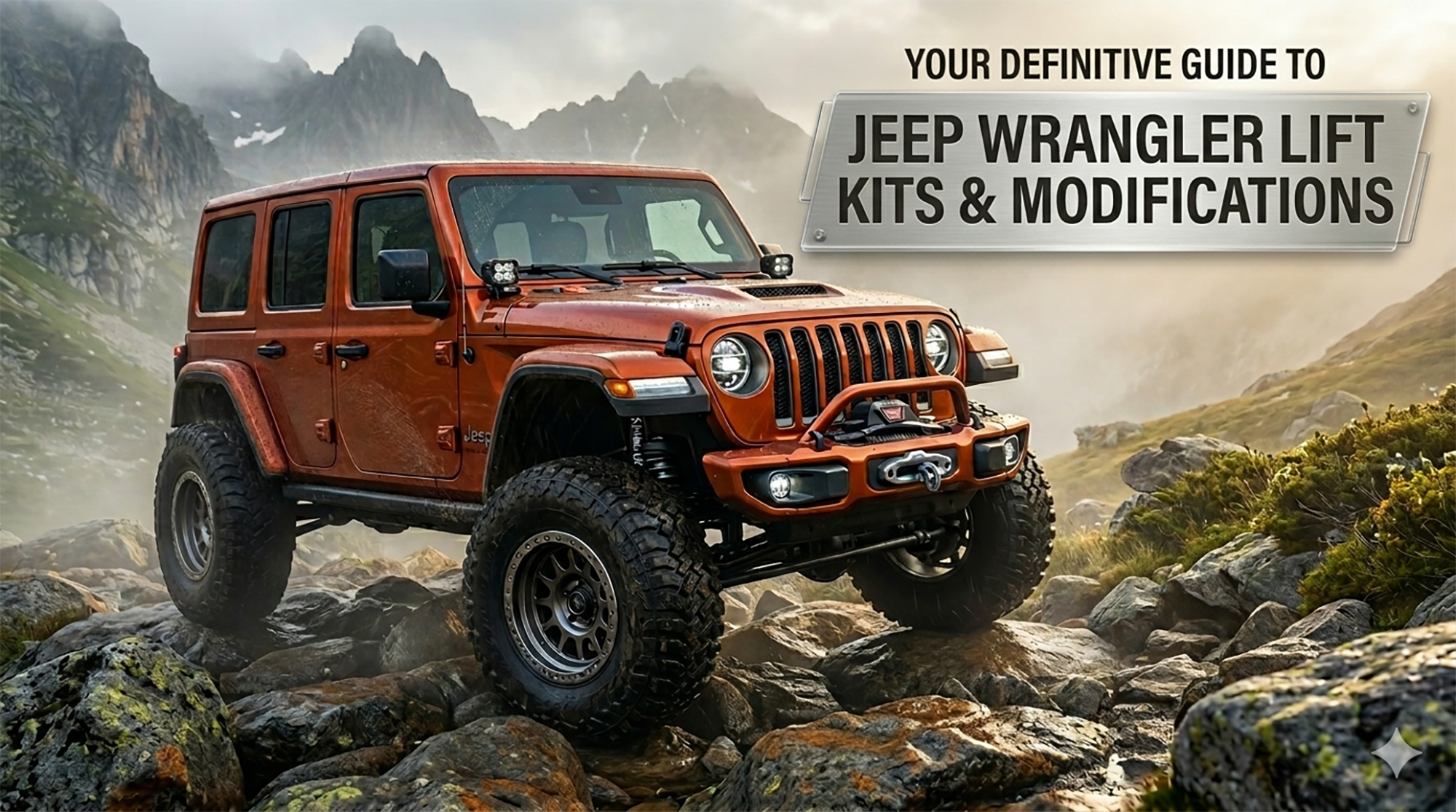
Jeep Wrangler
Wrangler owners often choose mud tires for off-road adventures. Older models (pre-2018) have less insulation, so noise is more obvious. Newer Wranglers (JL and Gladiator) have better noise dampening, but mud tires are still loud compared to stock tires.
Jeep Grand Cherokee
This model is built for comfort. Adding mud tires increases road noise, but the Grand Cherokee’s thicker insulation helps reduce the effect. Many drivers notice a distinct hum, but it’s less bothersome than in a Wrangler.
Jeep Cherokee/compass
These smaller Jeeps are not as well insulated. Mud tire noise is easy to hear, especially if you upgrade to larger sizes. Some owners report a “drone” at highway speeds.
| Jeep Model | Cabin Insulation | Noise Experience |
|---|---|---|
| Wrangler JL | Medium | Loud hum and vibration |
| Grand Cherokee | High | Muffled hum, less vibration |
| Cherokee/Compass | Low | Pronounced drone |
Credit: www.quadratec.com
Comparing Mud Tires To Other Tire Types
To understand mud tire noise, it’s helpful to compare them with other popular tire types.
Mud-terrain Vs All-terrain
- Mud-Terrain: Deeper tread, louder, better off-road grip.
- All-Terrain: Shallower tread, quieter, balanced for road and mild off-road use.
All-terrain tires are a good middle ground. They make less noise, but don’t perform as well in deep mud or loose soil.
Mud-terrain Vs Highway Tires
- Highway Tires: Designed for smooth pavement. Quietest option, least off-road ability.
- Mud-Terrain: Loudest, but best for rough terrain.
If you drive mostly on paved roads, highway tires are far quieter. Mud tires are best if you spend a lot of time off-road.
Why Do Some Mud Tires Sound Louder Than Others?
Not all mud tires are equally noisy. Some brands and models use special designs to reduce sound.
Tread Pattern Technology
Modern mud tires sometimes feature variable pitch tread. This means the blocks are shaped and spaced to break up noise frequencies. For example, the BF Goodrich KM3 uses staggered blocks to make the hum less noticeable.
Sidewall Construction
Some mud tires have reinforced sidewalls. This can help absorb vibration and reduce noise, but sometimes makes the tire heavier, which can add different sounds.
Quality And Brand
Higher-end brands use better rubber and technology to lower noise. Cheaper mud tires often skip these features, so they’re louder.
Credit: www.yokohamatire.com
Can You Reduce Mud Tire Noise? Practical Tips
If you love your mud tires but want a quieter ride, there are ways to make things better.
1. Rotate And Balance Your Tires
Regular tire rotation and balancing is key. Uneven wear increases noise. Rotate your tires every 5,000–7,000 miles for best results.
2. Check Tire Pressure
Too much or too little air can make your tires louder. Stick to the recommended pressure for your Jeep model and tire size.
3. Improve Cabin Insulation
Adding sound deadening material to your Jeep’s doors, floors, and wheel wells can reduce cabin noise by up to 30%. Popular brands include Dynamat and Noico.
4. Choose “hybrid” Tires
Some tires mix mud and all-terrain features. These “hybrid” tires have decent off-road grip and less noise. Examples include Toyo Open Country R/T and Nitto Ridge Grappler.
5. Drive Smarter
Driving at slower speeds, avoiding rough pavement, and keeping windows closed all help reduce the effect of mud tire noise.
When Mud Tire Noise Becomes A Problem
Mud tire noise is normal, but sometimes it signals trouble:
- Excessive vibration: Could mean a bent wheel or suspension issue.
- Sudden increase in noise: May signal tire damage, uneven wear, or alignment problems.
- Grinding or squealing: This is not typical for mud tires—check for brake or wheel issues.
If you notice new or unusual sounds, inspect your tires and Jeep right away.
Is Mud Tire Noise Worth It For Daily Driving?
Mud tires offer big benefits for off-road fun, but the noise can be a downside. Here’s what to consider:
- Daily commute: If you drive mostly on paved roads, noise may get annoying over time.
- Weekend adventures: If you need serious grip for off-roading, mud tire noise is a fair trade.
- Resale value: Some buyers avoid Jeeps with loud tires.
- Personal preference: Some drivers like the bold sound, others don’t.
Many Jeep owners compromise by running mud tires during off-road season and switching to all-terrain or highway tires for daily use.
Real-world Owner Experiences
Jeep forums and owner groups are full of stories about mud tire noise. Here are a few examples:
- “My Wrangler JL with BF Goodrich KM3s sounds like a truck on the highway. It’s not unbearable, but you notice it.”
- “Switched from Goodyear Wrangler MT/R to Toyo R/T. Much quieter, but still good off-road.”
- “Added insulation to my Grand Cherokee. The hum is still there, but now I can listen to music without turning it up too loud.”
These real-world stories show that mud tire noise varies by Jeep model, tire brand, and your own tolerance.
Mud Tire Noise And Safety
While noise itself isn’t dangerous, it can impact driving safety in subtle ways.
- Reduced focus: Loud, constant sound can cause fatigue and reduce attention.
- Masking other noises: You may not hear important sounds, like emergency sirens or mechanical issues.
- Communication: Loud tires make it harder to hear passengers or phone calls.
If your Jeep is used for family trips or long commutes, consider these factors before choosing mud tires.
The Science Behind Tire Noise
Let’s look at why tires make noise from a scientific point of view.
Air Compression And Release
As mud tires roll, their tread blocks compress and release air in the grooves. This creates pressure waves—the source of the humming or roaring sound.
Resonance
Your Jeep’s cabin acts like a box, amplifying certain frequencies. Deeper tread patterns create lower-frequency sounds that travel through the body of the vehicle.
Road Surface
Rough or textured pavement makes mud tires louder. Smooth roads lower noise, but mud tires are always more noticeable than standard tires.
How Mud Tire Noise Changes Over Time
Mud tire noise is not always the same. Here’s how it can change:
- New tires: Often quieter, but still louder than highway tires.
- Worn tires: As tread wears down unevenly, noise can increase.
- After rotation: Rotating tires can temporarily change the noise pattern.
- Seasonal changes: Cold weather makes rubber harder, increasing noise. Hot weather softens rubber, sometimes lowering noise.
Pros And Cons Of Mud Tires For Daily Jeep Use
Mud tires aren’t just about noise. Here are other factors to consider:
Pros
- Excellent off-road traction
- Tough construction, less puncture risk
- Aggressive look
Cons
- Louder on pavement
- Shorter tread life
- Reduced fuel efficiency
- Handling can feel rough or “squirmy”
For some Jeep owners, the benefits outweigh the drawbacks. For others, the noise and ride quality are deal-breakers.
How To Choose The Quietest Mud Tires
If you want mud tires but less noise, look for these features:
- Variable pitch tread: Helps break up sound waves.
- Quality rubber: Softer compound can reduce noise.
- Staggered blocks: Avoids repetitive humming.
- Reinforced sidewalls: Absorbs vibration.
Always check reviews and real-world tests before buying. Noise ratings can differ between brands and models.
| Tire Model | Noise Reduction Features | Average Noise (dB) |
|---|---|---|
| Toyo Open Country R/T | Variable pitch, hybrid tread | 76 |
| Nitto Ridge Grappler | Staggered blocks, soft compound | 78 |
| BF Goodrich KM3 | Staggered tread | 82 |
Common Mistakes When Using Mud Tires Daily
Many Jeep owners make mistakes that increase mud tire noise:
- Oversizing tires: Bigger than recommended sizes make noise and strain suspension.
- Ignoring rotation and maintenance: Causes uneven wear and louder tires.
- Low-quality tires: Cheap brands skip noise reduction features.
- Wrong air pressure: Can make noise and wear worse.
To avoid these mistakes, follow your Jeep’s recommendations and choose reputable brands.
Should You Use Mud Tires On Your Daily Jeep?
This depends on your needs:
- Mostly off-road: Mud tires are worth it.
- Mostly highway: Consider all-terrain or hybrid tires.
- Mix of both: Hybrid or all-terrain tires offer a balance.
If you’re unsure, talk to a tire expert or try mud tires for a season. You can always switch back if the noise is too much.
Extra Insights: What Most Beginners Miss
Here are two facts most first-time mud tire users don’t realize:
- Tire noise changes with speed. At low speeds, mud tires may sound like a soft rumble. At highway speeds, the noise often becomes a steady drone that’s much louder.
- Cabin materials matter. Jeeps with leather or thick carpets absorb more sound. If your Jeep has bare metal or light plastic, expect more noise.
Also, some mud tire noise can be reduced simply by keeping windows closed and running the air conditioning. It’s a small trick, but it helps.
Credit: cliffhangerjeeprental.com
Noise Regulations And Legal Concerns
Most states in the US don’t have strict laws about tire noise, but some cities do. If your mud tires are extremely loud, you could attract attention from local law enforcement. Always check your local rules before upgrading.
Environmental Impact Of Mud Tire Noise
Loud tires don’t just affect your comfort—they can affect the environment. High noise levels can disturb wildlife near off-road trails. This is especially true in sensitive areas, like national parks. If you drive off-road, try to respect posted signs and avoid making extra noise near animals.
For more on tire noise and environmental impact, you can visit EPA Noise Control.
Frequently Asked Questions
What Causes Mud Tires To Be Noisy On Jeeps?
Mud tires are noisy because of their deep tread blocks and wide gaps, which create extra air movement and vibration as you drive. The harder rubber compound also makes it harder to absorb sound, leading to a louder ride.
Can Mud Tire Noise Be Reduced?
Yes, you can reduce noise by rotating and balancing tires regularly, checking air pressure, adding cabin insulation, and choosing mud tires with noise reduction features. Hybrid tires are also quieter than traditional mud tires.
Are All Mud Tires Equally Loud?
No, some mud tires use variable pitch tread and special rubber compounds to lower noise. High-end brands are usually quieter than cheaper models. Check reviews and tests before buying.
Is Mud Tire Noise Dangerous?
The noise itself isn’t dangerous, but it can cause driver fatigue and make it harder to hear important sounds, like sirens or mechanical problems. If you notice new or unusual noises, have your Jeep checked.
Should I Use Mud Tires For Daily Driving?
Mud tires are best for off-road adventures. For daily driving, consider the noise, ride quality, and fuel efficiency. All-terrain or hybrid tires are quieter and better for mixed use.
Mud tires on Jeeps offer unmatched off-road ability, but the noise is a real factor for daily drivers. Whether you love the bold hum or find it bothersome, understanding the causes and ways to manage sound helps you make the right choice for your Jeep and your lifestyle.