
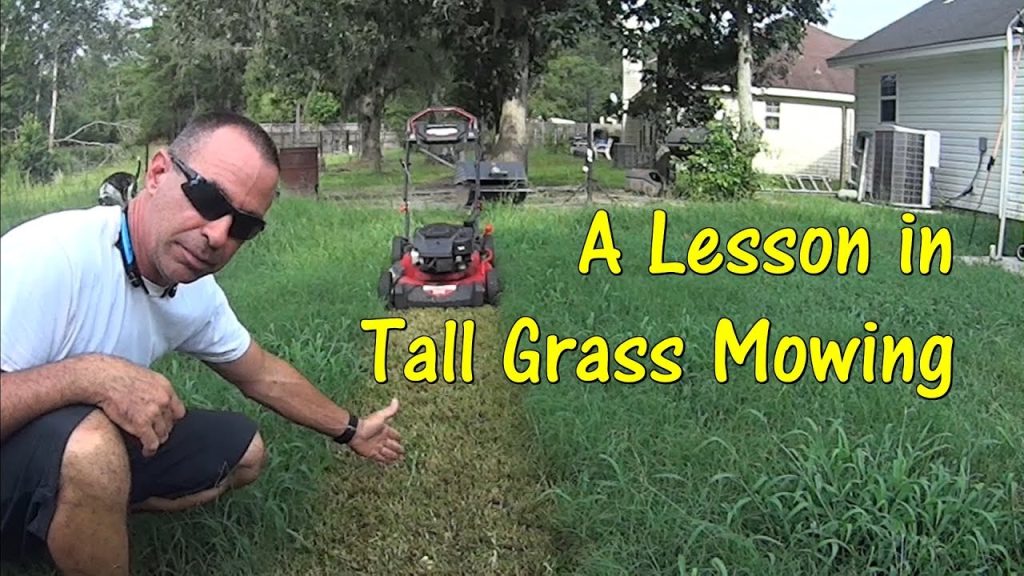
Start by mowing the grass in stages, cutting no more than one-third of its height at a time.
Taming an overgrown lawn can feel daunting, but with the right approach, it's achievable. Overgrown grass can damage your lawn mower and lead to uneven cuts if handled improperly. This guide will delve into the best practices for safely and efficiently mowing overgrown grass while protecting your equipment and achieving a clean, attractive finish. We'll explore techniques, offer insights drawn from personal experiences, and provide expert advice to ensure you tackle your overgrown lawn confidently.
Step-by-Step Guide to Mowing Overgrown Grass
1. Assess the Situation
Before you begin, walk through your lawn to assess the length and condition of the grass. Check for hidden obstacles like rocks or debris that could damage your mower.
2. Tools You'll Need
Ensure you have the necessary tools on hand:
- A reliable lawn mower with a sharp blade
- String trimmer for edges and tight spots
- Rake and garbage bags for clippings
- Protective gear: gloves, goggles, and sturdy footwear
3. Preparing the Lawn Mower
- Sharpen the Blade: A sharp blade ensures clean cuts and prevents ripping the grass.
- Adjust the Cutting Height: Set the mower to its highest setting to avoid putting too much strain on the motor.
- Check the Fuel and Oil: Ensure your mower is fully fueled and has adequate oil to prevent stalling.
4. Initial Mowing
Start by mowing at the highest setting:
- First Pass: Mow slowly and methodically, overlapping each pass to avoid missed spots. Cutting only one-third of the grass height minimizes stress to the plants.
- Clearing Clippings: After the first mow, rake and bag clippings to prevent a thick thatch layer.
5. Gradually Lower the Setting
After the first trimming:
- Wait a Few Days: Allow the grass to recover before lowering the mower setting.
- Second Pass: Lower the height slightly and mow again, gradually reducing to your desired lawn height.
6. Finishing Touches
- Trimming Edges: Use a string trimmer to reach edges and areas the mower couldn't reach.
- Final Clean-Up: Rake any remaining clippings to keep your lawn neat.
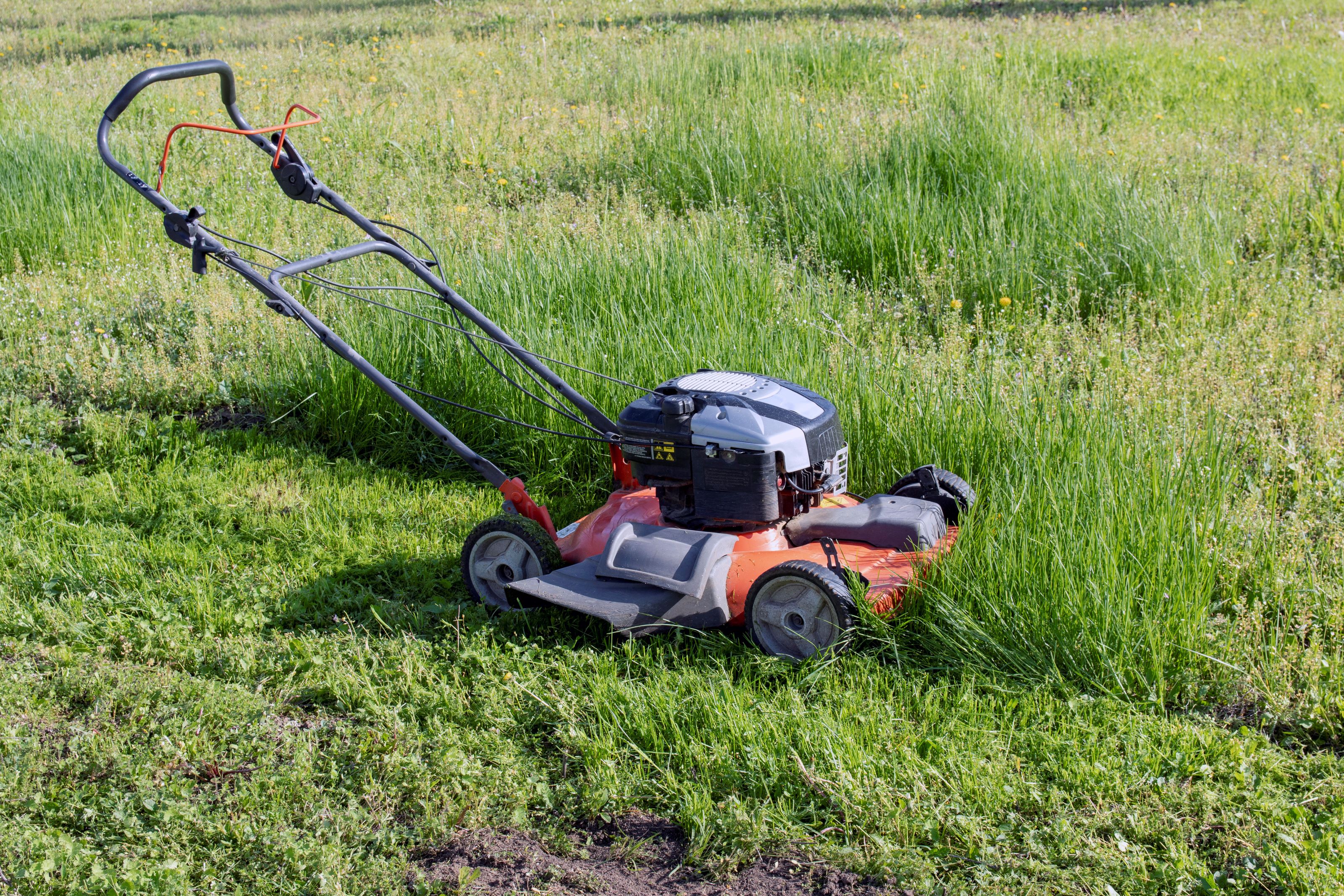
Tips and Tricks for Overgrown Lawn Care
- Consistent Maintenance: Regular mowing ensures your grass stays healthy and prevents future overgrowth.
- Fertilize Sparingly: Over-fertilizing can make grass grow too quickly; use fertilizers judiciously.
- Water Wisely: Water in the morning to reduce evaporation and prevent disease.
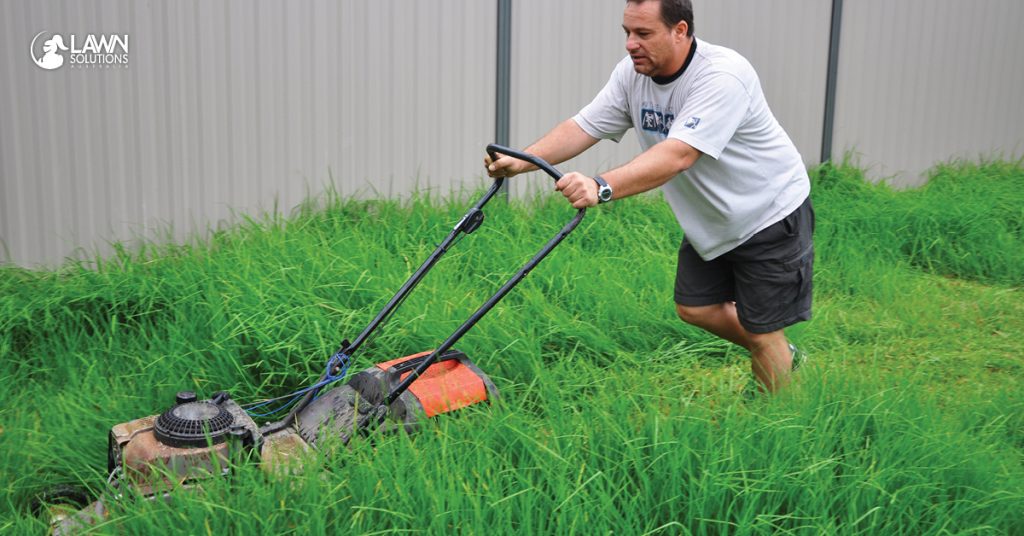
Benefits of Properly Mowing Overgrown Grass
- Improved Lawn Health: Regular trimming encourages robust growth and minimizes pests.
- Enhanced Curb Appeal: A neatly mowed lawn enhances the beauty and value of your property.
- Increased Safety: Reducing overgrowth can eliminate tripping hazards and hidden obstacles.

Frequently Asked Questions about How to Mow Overgrown Grass with a Lawn Mower
How often should I mow my lawn to prevent overgrowth?
Mowing once a week is usually sufficient. Adjust based on growth rates and seasonal changes.
Can mowing overgrown grass damage my lawn mower?
Yes, mowing tall grass can strain the engine and dull the blades. Always use the highest setting initially.
What happens if I cut too much grass at once?
Cutting too much can shock the grass, leading to brown patches and weakening the lawn's health.
Should I use a mulching mower for overgrown grass?
Mulching mowers can struggle with overgrown grass. It's best to bag the clippings initially.
How do I deal with uneven terrain or slopes?
For uneven areas, go slow and ensure you mow across slopes, never up and down.
Conclusion
Mowing overgrown grass requires patience and the right approach. By following the outlined steps and maintaining your lawn diligently, you can transform a wild yard into a lush, well-kept space. Equip yourself with these tips, and watch your lawn thrive. Ready to dive deeper into lawn care? Subscribe for more expert tips, share your experiences, or join the conversation in the comments below!