
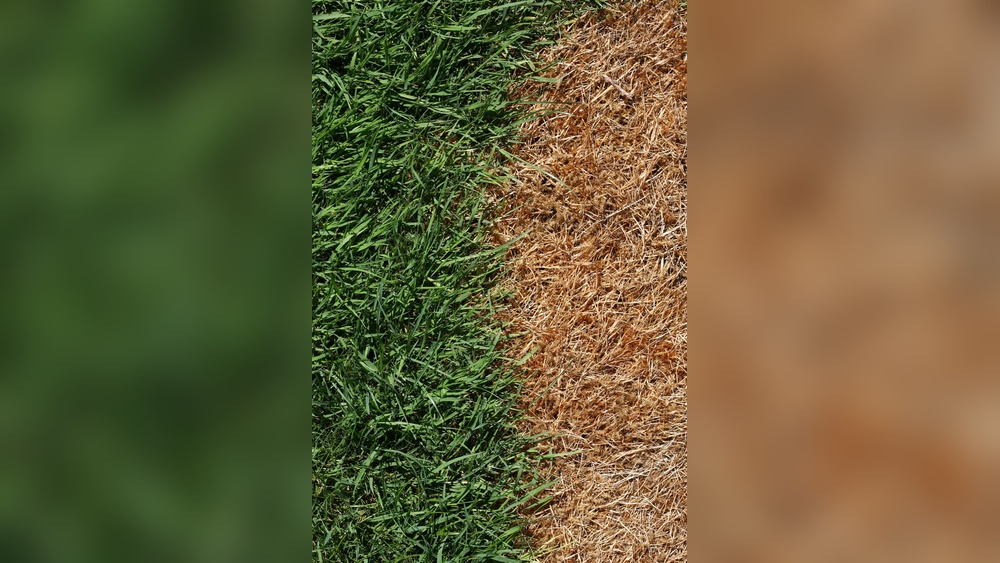
Have you ever looked at your lawn and wondered if you gave it too much fertilizer? Over-fertilizing your lawn can cause more harm than good, turning your lush green grass into a patchy, burned mess.
If you’re worried that you might have gone a bit overboard, don’t panic. This article will guide you step-by-step on how to spot the signs, fix the damage, and bring your lawn back to life. Keep reading to learn simple, effective ways to save your lawn and avoid common mistakes that many homeowners make.
Your grass will thank you!
Signs Of Over-fertilizing
Over-fertilizing your lawn can harm its health and appearance. It is important to spot early signs to fix the problem quickly. Recognizing these signs helps you take action before damage spreads. Watch for changes in color, growth, and soil condition. These clues reveal too much fertilizer use.
Yellowing And Browning Grass
Grass that turns yellow or brown is a common sign of over-fertilizing. Too much fertilizer causes chemical burns to grass blades. The green color fades, and spots appear dry or dead. This damage often starts in patches and grows if not treated.
Lawn Burn Patterns
Burn patterns look like irregular brown or yellow areas on the lawn. These spots may have crispy edges and feel dry to touch. They often happen where fertilizer piles up or spills occur. Lawn burn is a clear sign of excess fertilizer.
Excessive Growth And Thatch
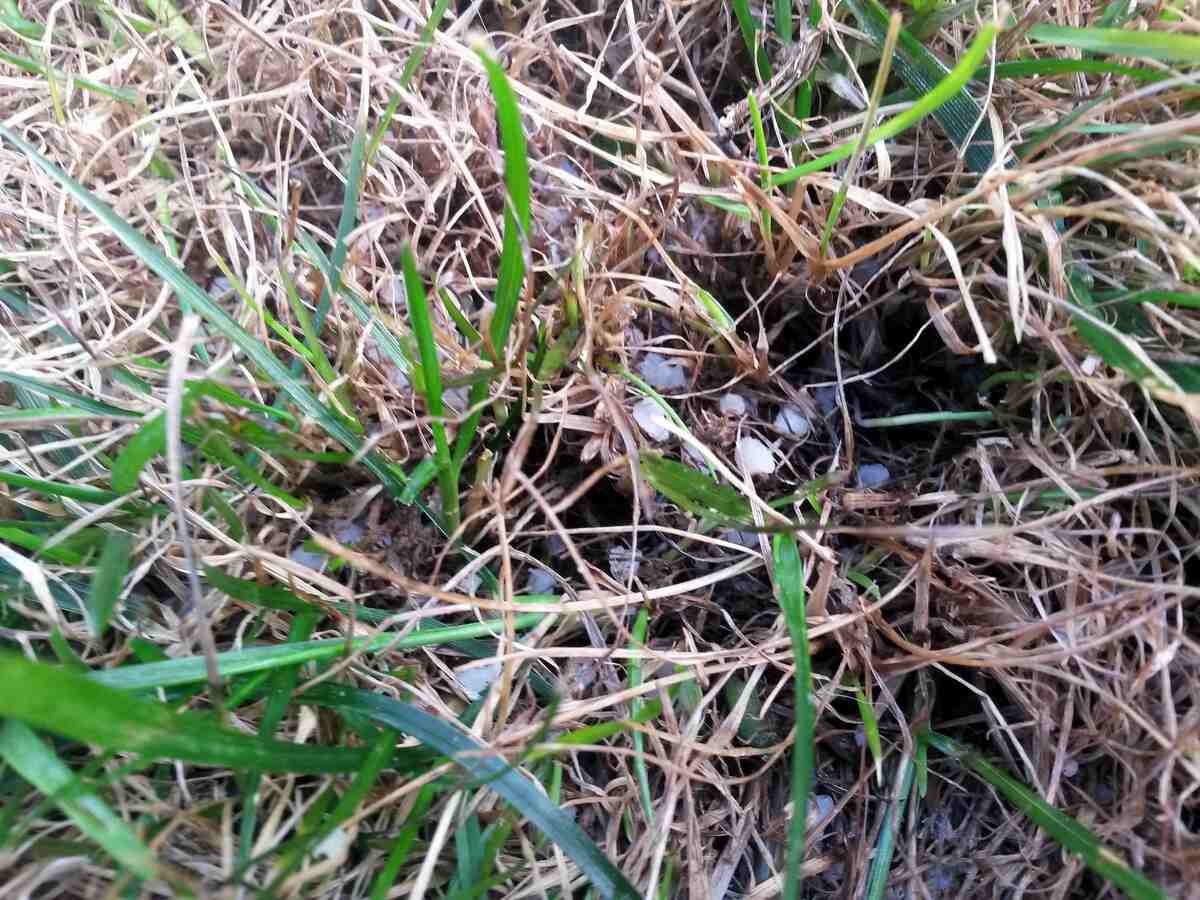
Too much fertilizer can cause rapid, thick grass growth. While it sounds good, the grass becomes weak and prone to disease. Excess growth leads to thatch buildup, a dense layer of dead grass. Thatch blocks water and air from reaching roots.
Soil And Water Runoff Issues
Over-fertilizing can change soil quality and water movement. Nutrients wash away into nearby water sources, causing pollution. Soil may become compacted or crusted, harming grass roots. Poor water absorption is a sign of too much fertilizer use.
Immediate Actions To Take
Over-fertilizing your lawn can harm your grass quickly. Taking the right steps immediately can reduce damage. Act fast to protect your lawn’s health and appearance.
Watering To Dilute Fertilizer
Start by watering your lawn thoroughly. Water helps wash excess fertilizer away from the grass roots. Use a sprinkler or hose to soak the soil deeply. Avoid light watering, which only wets the surface. Deep watering moves fertilizer down and reduces burn risk.
Mowing Affected Areas
Cut the grass carefully in the spots with fertilizer damage. Mowing removes burnt leaf tips and encourages new growth. Set your mower blades high to avoid stressing the grass. Clean mower blades prevent spreading disease or fertilizer residue. Regular mowing helps the lawn recover faster.
Avoiding Further Fertilizer Application
Stop adding fertilizer for several weeks after over-fertilizing. The lawn needs time to heal without extra chemicals. Adding more fertilizer causes more damage and slows recovery. Test the soil later to check nutrient levels. Apply fertilizer only when the lawn shows it needs nutrients.
Long-term Lawn Recovery
Recovering your lawn from over-fertilizing takes time and care. The grass may look burnt or patchy at first. Long-term steps help the soil and grass heal naturally. Patience and the right actions bring your lawn back to health.
Soil Testing And Amendments
Start by testing your soil’s nutrient levels. This shows what your lawn really needs. Excess fertilizer can change soil chemistry and harm microbes. Add amendments like lime or compost to balance pH. Healthy soil supports strong, green grass growth over time.
Aeration And Thatch Removal
Aerate the lawn to improve air and water flow. This helps roots breathe and grow deeper. Remove thatch buildup to prevent disease and nutrient block. Thatch stops water and fertilizer from reaching roots properly. These steps reduce stress and help the lawn recover faster.
Choosing The Right Fertilizer Schedule
Use a slow-release fertilizer with balanced nutrients. Avoid applying too often or in hot weather. Follow a schedule that fits your grass type and season. Proper timing prevents future damage and encourages steady growth. Regular, light feeding keeps your lawn healthy and green.

Credit: lawnlove.com
Preventing Over-fertilization
Preventing over-fertilization helps keep your lawn healthy and green. Applying the right amount of fertilizer avoids burning grass and wasting products. Careful planning and correct methods protect your lawn’s root system and soil quality.
Small changes in how you use fertilizer make a big difference. Follow simple steps to apply fertilizer safely and effectively. These tips help your lawn grow strong without damage.
Reading Fertilizer Labels Carefully
Fertilizer labels show important information about nutrients. Look for numbers like N-P-K, which stand for nitrogen, phosphorus, and potassium. These tell you what your lawn needs. Follow instructions on the label to avoid applying too much fertilizer.
Check the recommended amount for your lawn size. Use measuring tools to apply the exact dose. Avoid guessing or using too much product at once.
Using Slow-release Fertilizers
Slow-release fertilizers feed grass over time. They reduce the risk of burning the lawn. Nutrients release gradually, matching the grass’s growth needs. This type helps maintain steady lawn health without over-fertilizing.
Choose fertilizers labeled as slow-release or controlled-release. These work better for long-term lawn care. Your lawn stays green longer and needs fewer applications.
Proper Application Techniques
Apply fertilizer evenly across the lawn. Use a spreader to control the amount. Avoid piling fertilizer in one spot, which can harm grass. Walk at a steady pace for uniform coverage.
Water the lawn lightly after applying fertilizer. This helps nutrients soak into the soil. Avoid heavy watering that washes fertilizer away.
Timing Fertilizer Applications
Apply fertilizer during the growing season only. Early spring and fall are best times. Avoid fertilizing during drought or extreme heat. Grass absorbs nutrients better when it is actively growing.
Follow a regular schedule but do not overdo it. Too many applications can cause over-fertilization problems. Let your lawn rest between feedings for healthy growth.
Natural Alternatives And Enhancements
Natural alternatives and enhancements protect your lawn from damage caused by over-fertilizing. They improve soil health without harsh chemicals. These methods support long-term growth and keep your grass green and strong.
Compost And Organic Mulches
Compost adds nutrients slowly and naturally. It improves soil texture and water retention. Organic mulches reduce moisture loss and prevent weed growth. They break down over time, feeding the soil and plants gently.
Planting Cover Crops
Cover crops protect the soil from erosion. They add nitrogen and other nutrients naturally. These plants keep soil healthy during off-seasons. Cover crops also improve soil structure and prevent compaction.
Encouraging Beneficial Soil Microbes
Beneficial microbes help break down organic matter. They turn nutrients into forms plants can use. These microbes improve soil fertility and plant health. Avoid chemicals that harm these important organisms.

Credit: www.masterlawn.com
Credit: www.lawnstarter.com
Frequently Asked Questions
What Are Signs Of Over-fertilizing My Lawn?
Over-fertilized lawns show brown or yellow patches, burnt grass tips, and excessive growth. You may also notice a strong ammonia smell. These signs indicate nutrient burn and stress on your grass.
How Can I Fix An Over-fertilized Lawn?
Water your lawn deeply to flush out excess fertilizer. Avoid adding more fertilizer until the grass recovers. Reseed damaged areas if needed and maintain proper mowing and watering practices.
Can Over-fertilizing Harm My Soil?
Yes, over-fertilizing can damage soil health by disrupting nutrient balance and harming beneficial microbes. It can cause soil acidity or salt buildup, leading to poor grass growth and environmental issues.
How Often Should I Fertilize My Lawn Safely?
Fertilize your lawn 2-4 times per year depending on grass type and climate. Follow recommended amounts and schedules to avoid over-fertilizing and keep your lawn healthy.
Conclusion
Over-fertilizing can harm your lawn and waste money. Act quickly to fix the problem. Water the lawn well to wash away extra fertilizer. Avoid adding more fertilizer until the grass recovers. Watch for signs like yellow or brown patches. Healthy lawn care takes balance and patience.
Follow these steps to keep grass green and strong. Taking care now saves trouble later. A healthy lawn starts with the right fertilizer amount. Stay mindful and enjoy a beautiful yard.