
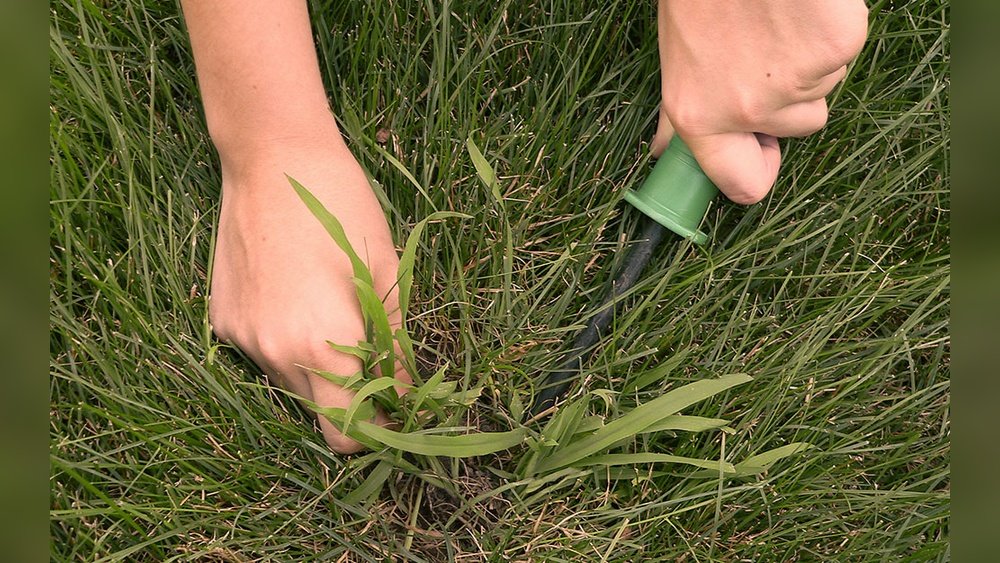
Crabgrass can quickly take over your lawn, turning your lush green grass into a patchy, weedy mess. If you’ve ever felt frustrated watching these stubborn weeds spread, you’re not alone.
The good news is, with the right steps, you can stop crabgrass before it starts and keep your lawn healthy and vibrant all season long. In this guide, you’ll discover simple, effective ways to prevent crabgrass from invading your yard—so you can enjoy a beautiful lawn without the hassle.
Ready to take control and protect your grass? Let’s dive in!
Crabgrass Basics
Understanding crabgrass is key to keeping your lawn healthy. This stubborn weed can quickly take over if ignored. Knowing its nature helps in stopping it early. Let’s explore the basics of crabgrass and why it appears in your yard.
What Is Crabgrass
Crabgrass is a fast-growing weed with wide, flat blades. It spreads out low to the ground, resembling a crab’s legs. This weed thrives in hot, dry weather and poor soil“>poor soil. It grows where grass is weak or thin. Crabgrass produces many seeds that spread easily. These seeds can lie dormant until conditions are right. Once sprouted, crabgrass can crowd out your lawn quickly.
Why Crabgrass Invades Lawns
Crabgrass invades lawns that are thin or damaged. It finds space where grass is not dense. Lawns with poor watering or mowing habits are targets. Soil that is compacted or low in nutrients invites crabgrass. It also spreads in places with bare spots. Warm spring and summer weather helps crabgrass grow fast. If your lawn lacks proper care“>proper care, crabgrass will take over.
Credit: sodlawn.com
Pre-emergent Herbicides
Pre-emergent herbicides act as a barrier in your soil. They stop crabgrass seeds from growing. Applying these herbicides before crabgrass sprouts is key. They do not kill existing weeds but prevent new ones. Using the right product and timing ensures a healthy lawn.
Key Ingredients To Look For
Choose herbicides with prodiamine, dithiopyr, or benefin. These ingredients block crabgrass seed growth effectively. They have a strong track record for preventing weeds. Check the label to confirm these active ingredients. Avoid products without proven crabgrass control.
Best Timing For Application
Apply pre-emergent herbicides early in spring. The best time is before soil temperature reaches 55°F. This timing stops crabgrass seeds from sprouting. Applying too late reduces effectiveness. Repeat application may be needed in hot climates.
Safe Options For Seeding
Some pre-emergent herbicides allow safe grass seeding. Look for products labeled as “safe for new lawns” or “overseeding friendly.” Always wait the recommended time between herbicide application and seeding. This prevents damage to new grass. Follow product instructions carefully for best results.
Post-emergent Herbicides
Post-emergent herbicides target crabgrass after it has sprouted. These products kill crabgrass without harming your lawn when used correctly. Timing is important for best results. Apply post-emergent herbicides in late spring or early summer. This is when crabgrass is young and easier to control. Understanding the types of herbicides helps you choose the right one.
Selective Herbicides That Protect Your Lawn
Selective herbicides kill crabgrass while leaving your lawn unharmed. Quinclorac is a popular choice for this purpose. It targets crabgrass but is safe for most turf grasses. Use it with a surfactant to improve weed control. Apply on warm, sunny days for faster absorption. Always follow label instructions to avoid damage to your lawn.
Chelated Iron Treatments
Chelated iron treatments use iron to kill crabgrass. Crabgrass absorbs too much iron, turning black and dying. This method is natural and safer for the environment. It works best on young crabgrass plants. Apply chelated iron on a dry lawn for better effect. Repeat treatment may be necessary for heavy infestations.
Adding Surfactants For Better Results
Surfactants help herbicides stick to crabgrass leaves. They improve the spread and absorption of herbicides. Adding a surfactant makes treatments more effective. Choose a surfactant suitable for your herbicide type. Mix according to the product’s guidelines. This simple step can increase crabgrass control success.

Credit: www.jonathangreen.com
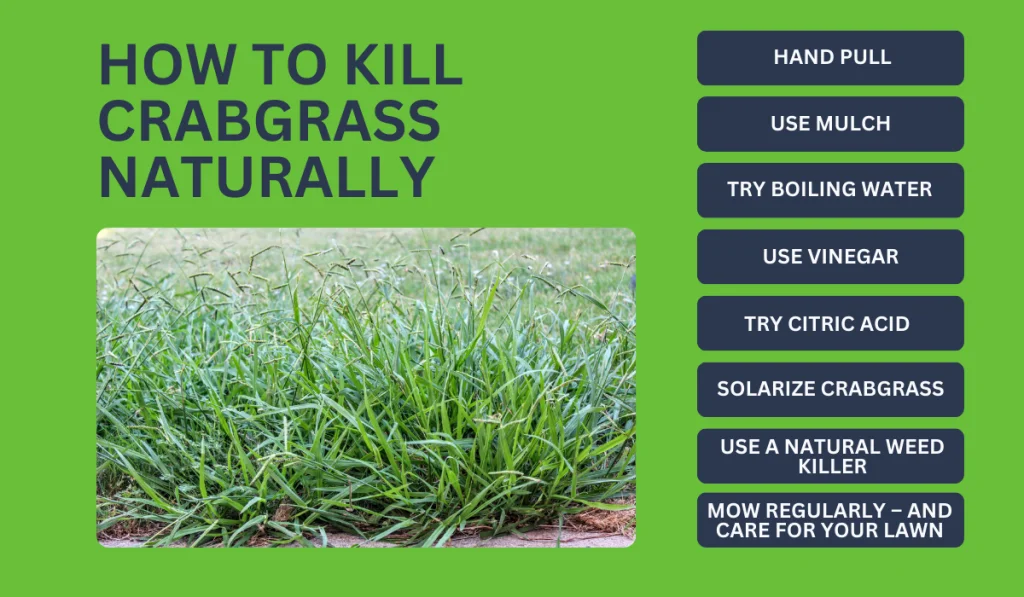
Natural And Manual Control
Natural and manual control methods offer safe ways to prevent crabgrass in your lawn. These techniques avoid harsh chemicals and focus on hands-on care. They help keep your yard healthy and green without risks to the environment or pets.
Manual removal and natural herbicides work well together. Using simple tools and natural solutions can reduce crabgrass effectively. These methods are best for small to medium crabgrass patches and complement good lawn care practices.
Pulling And Digging Techniques
Pull crabgrass by hand when the soil is moist. This makes it easier to remove the entire root system. Grab the plant close to the base and pull gently but firmly.
Use a small garden trowel to dig out stubborn crabgrass roots. Remove all roots to stop regrowth. Dispose of the pulled plants away from your lawn to prevent spreading seeds.
Regularly inspect your lawn for new crabgrass sprouts. Early removal saves time and effort later. Keep your lawn dense and healthy to reduce crabgrass space.
Using Natural Herbicides
Natural herbicides include products made from vinegar, citrus oils, or corn gluten meal. These options target crabgrass without harmful chemicals. Apply them carefully to avoid damaging grass.
Corn gluten meal works as a pre-emergent herbicide. It stops crabgrass seeds from sprouting. Use it early in spring for best results.
Vinegar-based sprays kill young crabgrass plants. Spray directly on crabgrass leaves on a dry, sunny day. Avoid spraying on desirable grass to prevent injury.
Repeat natural herbicide applications as needed. Combine with manual removal for stronger control. Patience is key with natural methods.
Lawn Care Practices To Prevent Crabgrass
Maintaining a healthy lawn is the best defense against crabgrass invasion. Proper lawn care practices strengthen grass and reduce bare spots where crabgrass thrives. Focus on mowing, watering, and fertilizing to create an environment that favors your lawn over weeds.
Proper Mowing Height
Keep your grass at the recommended height for its type. Mowing too short weakens the grass and exposes soil to crabgrass seeds. Taller grass shades the soil, making it harder for crabgrass to grow. Use sharp mower blades to avoid tearing grass blades.
Watering Strategies
Water deeply but less often to encourage strong root growth. Shallow, frequent watering favors crabgrass and other weeds. Early morning is the best time to water to reduce evaporation. Avoid overwatering, which can create soft soil ideal for crabgrass seeds.
Fertilizing Tips
Feed your lawn with balanced fertilizer to promote thick, healthy grass. Apply fertilizer at the right time, usually in spring and fall. Avoid excessive nitrogen, which can encourage crabgrass growth. Follow product instructions carefully to prevent burning your lawn.
Common Mistakes To Avoid
Preventing crabgrass requires more than just applying herbicides. Many lawn owners make avoidable mistakes that reduce treatment success. Learning these common errors helps keep your lawn healthy and crabgrass-free. Avoiding these pitfalls saves time and money while improving lawn appearance.
Incorrect Herbicide Timing
Applying herbicides at the wrong time lowers their effectiveness. Pre-emergent herbicides must go down before crabgrass seeds sprout. This usually happens in early spring. Post-emergent herbicides work best on young, actively growing crabgrass. Applying too early or too late wastes product and effort. Track local soil temperatures to time treatments correctly.
Overuse Of Chemicals
Using too much herbicide can harm your lawn and the environment. Over-application stresses grass and may kill beneficial plants. It also increases the risk of herbicide resistance in weeds. Follow label instructions carefully for dosage and frequency. Use chemicals only when necessary and combine with good lawn care practices.
Ignoring Lawn Health
A weak lawn invites crabgrass to spread quickly. Neglecting fertilization, watering, and mowing leaves grass thin and vulnerable. Healthy turf crowds out weeds naturally. Regularly aerate soil to improve root growth. Maintain proper mowing height to reduce weed invasion. Strong grass is your best defense against crabgrass.
Resources For Crabgrass Control
Finding the right resources helps keep crabgrass away from your lawn. Many tools and advice sources guide proper crabgrass control. These resources include products specifically designed for lawns and expert communities sharing practical tips. Using these can make your lawn healthy and crabgrass-free.
Recommended Products
Pre-emergent herbicides stop crabgrass seeds from growing. Look for ingredients like prodiamine, benefin, or dithiopyr. Apply these early in spring before crabgrass appears. Post-emergent herbicides target crabgrass already growing. Quinclorac is effective and safe for many turf types. Adding a surfactant helps the herbicide work better. Chelated iron products are natural options. They cause crabgrass to turn black and die without harming grass. Always read the label to match products with your lawn type.
Expert Advice And Online Communities
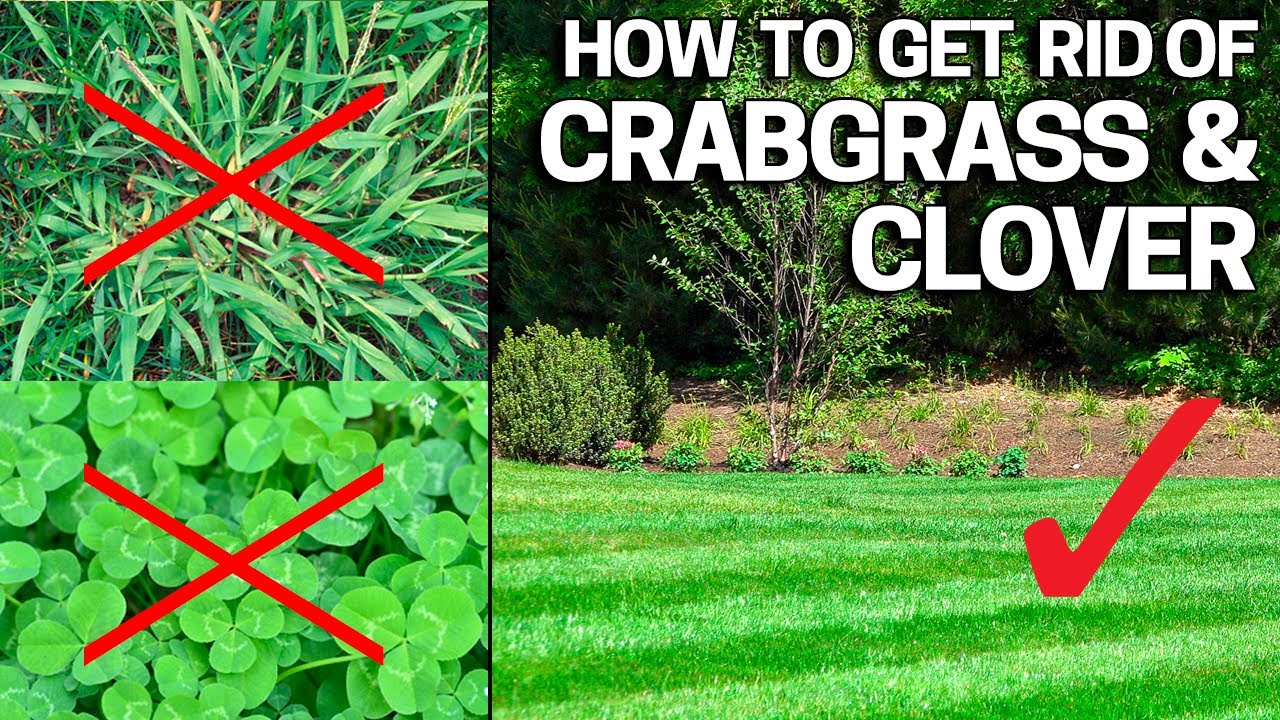
Lawn care experts share tested ways to fight crabgrass. Many blogs and videos explain step-by-step control methods. Online communities offer support and local advice. Forums like lawn care groups on Facebook or Reddit connect homeowners. Members discuss what works in their area and share product reviews. Experts often recommend starting with lawn health to prevent weeds. These resources help you learn and stay motivated to keep your lawn green and clean.
Credit: www.youtube.com
Frequently Asked Questions
What Will Kill Crabgrass But Not The Lawn?
Use selective herbicides with quinclorac or apply pre-emergent herbicides like prodiamine early spring. Chelated iron also kills crabgrass safely. Always follow label instructions for your lawn type.
Can I Apply Crabgrass Preventer In The Fall?
Applying crabgrass preventer in fall is generally ineffective. Use it in early spring before crabgrass seeds germinate for best results.
How Do You Stop Crabgrass From Growing?
Stop crabgrass by applying pre-emergent herbicides in early spring before seeds sprout. Use selective post-emergent herbicides like quinclorac on young weeds. Add surfactants for better absorption. Pull small patches manually. Maintain a thick, healthy lawn to naturally suppress crabgrass growth.
What Causes Crabgrass In Lawns?
Crabgrass thrives in thin, weak lawns with poor soil, high heat, and excess sunlight. Lack of proper mowing and watering also promotes growth.
Conclusion
Preventing crabgrass takes steady care and good lawn habits. Mow your grass at the right height to block sunlight from weed seeds. Water deeply but less often to keep roots strong. Use pre-emergent herbicides in early spring to stop crabgrass seeds from growing.
Apply selective post-emergent herbicides carefully to kill existing crabgrass without harming your lawn. Regularly check your lawn for new weeds and act quickly. Healthy grass crowds out crabgrass naturally. A little effort now saves big problems later. Keep your lawn green and crabgrass-free all season.