
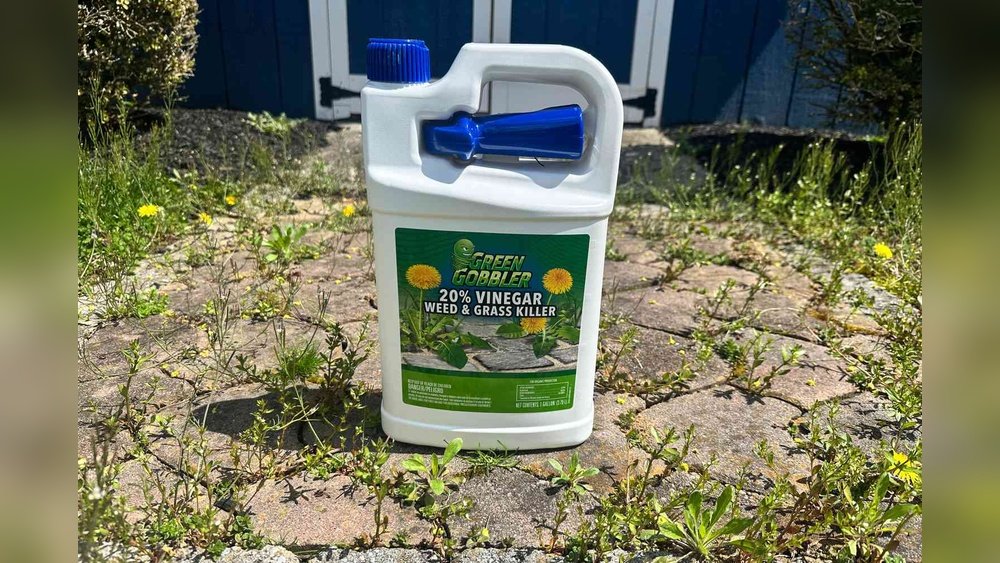
Keeping your lawn free from weeds is not just about looks. Weeds can steal water, sunlight, and nutrients from your grass, making your yard less healthy. But with so many weed killers on the market, picking the right one can feel overwhelming. To find the best weed killer for lawns, you need to consider various factors that suit your specific needs.
Some products work fast but may damage your grass. Others are safer but slow. To get the best results, you need a weed killer that fits your lawn type, weed problem, and personal preferences. Let’s explore how to choose the best weed killer for your lawn, so you can enjoy a lush, green yard all season.
Understanding Weed Killers
Before you buy, it’s important to know the types of weed killers available:
- Selective weed killers: Target specific plants, killing weeds but not harming grass.
- Non-selective weed killers: Kill any plant they touch, including grass.
- Pre-emergent weed killers: Prevent weeds from growing in the first place.
- Post-emergent weed killers: Kill weeds after they have appeared.
Using the wrong type can damage your lawn or fail to control weeds. Always check the label to confirm if it’s safe for your grass.
Key Factors To Consider
Choosing the best weed killer is not just about picking the strongest formula. Here are the key things to look at:
1. Know Your Grass Type
Different weed killers are made for different grass types. For example, some chemicals are safe for Bermuda grass but may damage St. Augustine grass. Always read the label or product guide to check compatibility. If you’re unsure about your grass, ask a local garden center or use a plant identification app.
2. Identify The Weed Problem
Not all weeds are the same. Some are broadleaf weeds like dandelions and clover. Others are grassy weeds like crabgrass. Many weed killers are designed for one type or the other. If you target the wrong weed, you may see poor results. For mixed weed problems, look for products labeled as “broad-spectrum.”
3. Safety For Pets And Kids
If you have pets or children, safety is a top concern. Some products need several days before your yard is safe for use. Others are labeled pet-friendly or child-safe. Look for these details on the product packaging. Consider natural or organic weed killers for extra peace of mind.
4. Application Method
Weed killers come in several forms:
- Ready-to-use spray bottles
- Concentrates (must be mixed with water)
- Granules
Sprays are great for spot treatment, while granules are better for larger areas. Concentrates are often cheaper per use but require careful mixing.
5. Weather And Timing
Some weed killers work best when applied at certain times of year or in certain weather conditions. For example, pre-emergent products must be used before weeds sprout, often in early spring. Rain can wash away treatments if applied at the wrong time. Always follow the instructions for best results.
Credit: plantin.alibaba.com
Comparing Popular Weed Killer Types
Here’s a quick comparison of the most common types of weed killers for lawns:
| Type | Best For | Common Ingredients | When to Apply |
|---|---|---|---|
| Selective | Lawns with broadleaf weeds | 2,4-D, Dicamba | Growing season |
| Non-selective | Clearing all vegetation | Glyphosate | Anytime, avoid wind |
| Pre-emergent | Preventing ann
|