
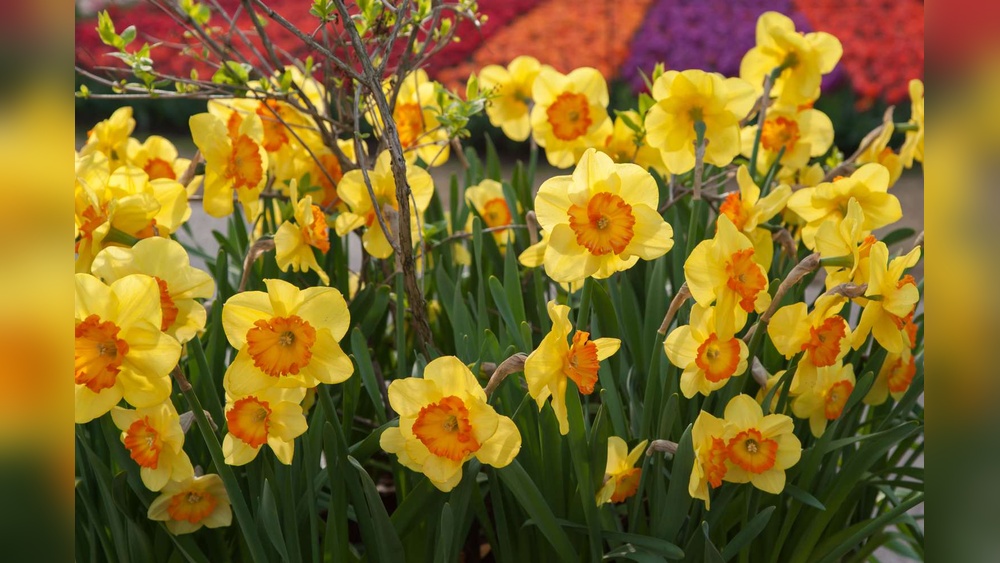
Are you ready to brighten your garden with cheerful bursts of yellow? Planting and caring for daffodil bulbs is easier than you might think, and the reward is a stunning display that returns year after year.
Whether you’re a beginner or looking to improve your gardening skills, this guide will walk you through the simple steps to plant your bulbs correctly and keep them healthy“>keep them healthy season after season. Discover how a little care can transform your outdoor space and bring early spring joy that you’ll look forward to every year.
Keep reading to learn the secrets that help your daffodils thrive and multiply, making your garden a vibrant, welcoming place.

Credit: www.dutchgrown.com
Choosing Bulbs
Choosing the right daffodil bulbs is key to a vibrant spring garden. Healthy bulbs produce strong plants and bright flowers. Picking the best bulbs starts with knowing the varieties, checking bulb quality, and timing your purchase well. These steps help ensure your daffodils thrive year after year.
Best Varieties
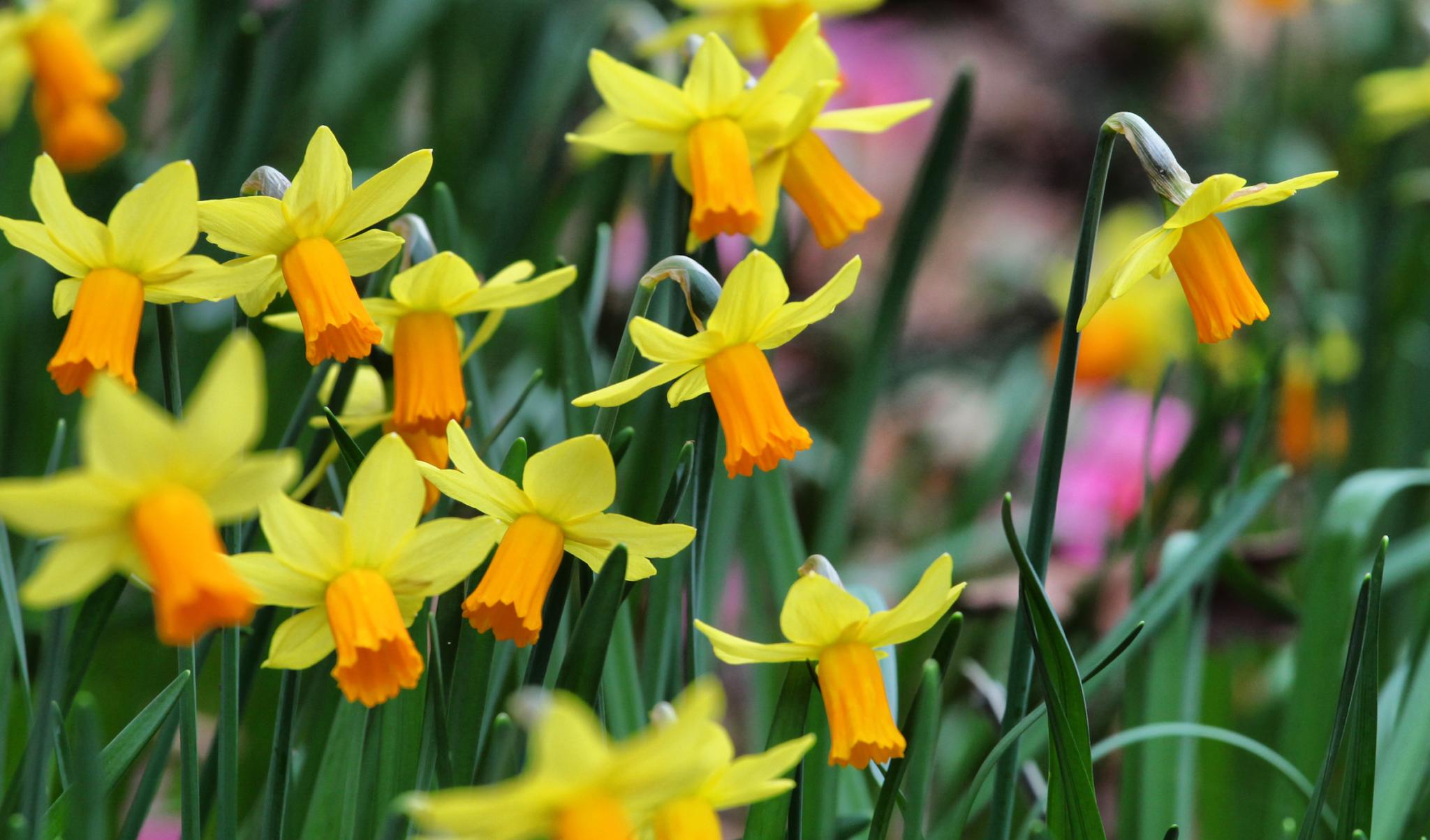
Select daffodil varieties suited to your garden style“>your garden style and climate. Popular types include Trumpet, Large-cupped, and Tazetta daffodils. Trumpet daffodils have large, showy blooms. Large-cupped varieties offer classic daffodil shapes. Tazetta types produce clusters of small flowers. Choose varieties that match your space and bloom preferences.
Bulb Quality
Look for firm, plump bulbs without soft spots or mold. Healthy bulbs have a dry outer skin and no signs of damage. Avoid shriveled or bruised bulbs, as they may fail to grow. Larger bulbs usually give bigger blooms. Buying good-quality bulbs increases your chances for strong plants.
When To Buy
Buy daffodil bulbs in late summer or early fall. Planting bulbs at the right time lets roots grow before winter. Avoid buying bulbs too early, as they may dry out. Buying close to planting time ensures freshness. Store bulbs in a cool, dry place if you cannot plant them right away.
Credit: www.almanac.com
Planting Time
Timing matters for planting daffodil bulbs. Choose the right moment for best growth. Plant too early or late, and bulbs may fail to bloom well. Understanding the ideal planting time helps your daffodils thrive and bloom beautifully each spring.
Ideal Months
Plant daffodil bulbs in the fall. September through November is perfect. Soil should be cool, but not frozen. This timing lets bulbs develop roots before winter. In Austin, Texas, early October is often ideal. Plant bulbs about 2 to 4 weeks before the first frost date.
Late Planting Tips
Planting daffodils late is possible but needs care. If planting after November, keep soil moist but not wet. Place bulbs in a shaded area to avoid drying out. Mulch can help protect bulbs from cold. Water bulbs well after planting to encourage root growth.
Site Selection
Choosing the right site is the first step to growing healthy daffodil bulbs. The location affects how well your daffodils bloom and spread. A good site offers the right light, soil, and space for your bulbs to thrive. Careful site selection helps daffodils come back year after year, creating bright spring displays.
Sunlight Needs
Daffodils need plenty of sunlight. They grow best in full sun to part shade. At least six hours of sun daily helps bulbs store energy. Morning sun is ideal because it dries dew quickly. Too much shade can cause weak stems and fewer flowers.
Soil Type
Well-drained soil is essential for daffodils. Bulbs can rot in soggy soil. Choose sandy or loamy soil that drains water well. Adding organic matter improves soil texture and nutrients. Avoid heavy clay soils or improve drainage before planting.
Avoiding Competition
Daffodils do not like crowded roots. Avoid planting near large trees or shrubs with strong roots. These plants compete for water and nutrients. Give daffodils enough space to spread their bulbs underground. This space helps them grow healthy and bloom fully.
Planting Process
Planting daffodil bulbs correctly sets the stage for vibrant spring blooms. The process involves choosing the right depth, spacing, and soil conditions. Proper watering after planting helps bulbs establish strong roots. Follow these steps to ensure your daffodils thrive year after year.
Depth And Spacing
Plant daffodil bulbs about 6 inches deep. This depth protects them from frost and supports strong growth. Space bulbs 3 to 6 inches apart to allow room for expansion. Crowded bulbs may produce fewer flowers and smaller blooms.
Soil Preparation
Choose well-draining soil to prevent bulb rot. Mix compost or organic matter into the soil for added nutrients. Avoid heavy clay soils that hold too much water. Good soil preparation encourages healthy root development and vibrant flowers.
Watering After Planting
Water the bulbs thoroughly right after planting. This helps settle the soil and starts root growth. Keep the soil moist but not soggy during the first few weeks. Once established, daffodils need little extra watering until spring.
Growing Conditions
Daffodils thrive best in specific growing conditions. Paying attention to temperature, moisture, and soil nutrients helps these bulbs grow healthy and bloom beautifully. Understanding these needs ensures your daffodils will flourish year after year.
Temperature Preferences
Daffodils prefer cool to moderate temperatures. They need a cold period to bloom well, usually below 50°F (10°C) for several weeks. Plant bulbs in fall so they experience this cold before spring. Avoid planting in very warm climates without a chill period.
Moisture Requirements
These bulbs like moist but well-drained soil. Water the soil after planting to help bulbs settle. During the growing season, keep soil evenly moist but not soggy. Reduce watering once leaves start to yellow and die back to prevent bulb rot.
Fertilizing Tips
Use a balanced, slow-release fertilizer at planting time. Fertilize again in early spring when shoots appear. Avoid high nitrogen fertilizers, which encourage leaf growth over flowers. Adding compost or organic matter improves soil nutrients and drainage.
Caring After Bloom
After daffodils finish blooming, proper care helps bulbs stay healthy for next year. This stage is crucial for strong growth and bright flowers. Focus on supporting the plant’s natural cycle. The leaves gather sunlight and send energy to the bulb underground. Follow these simple steps to care for your daffodils after they bloom.
Foliage Care
Let the leaves stay green until they turn yellow and dry. The foliage collects sunlight to feed the bulb. Avoid cutting or tying leaves too early. This process builds energy for next spring’s bloom. Water lightly if weather is dry. Keep the soil moist but not soggy. Healthy leaves mean healthy bulbs.
Deadheading Flowers
Remove spent flowers by pinching or cutting the flower stem. Do this carefully to avoid damaging leaves. Deadheading stops the plant from wasting energy on seed production. It helps bulbs focus on storing food. Leave the leaves alone to keep photosynthesis active. This method supports stronger flowers next year.
Avoiding Premature Cutting
Do not cut foliage while it is still green. Cutting leaves early weakens the bulb. The bulb needs the leaves to gather nutrients. Wait until the leaves are fully yellow and dry. Only then, trim the foliage at ground level. This respects the plant’s natural growth cycle. It ensures daffodils return healthy and vibrant each season.
Pest And Disease Control
Keeping daffodil bulbs healthy means protecting them from pests and diseases. These problems can reduce blooming and damage plants. Knowing common threats helps in quick control. Early care keeps daffodils strong and vibrant.
Common Pests
Slugs and snails often eat young daffodil shoots. They leave holes in leaves and flowers. Bulb flies lay eggs near bulbs, and larvae can destroy them. Aphids suck sap and spread viruses. Watch for small insects or damage on plants.
Fungal Issues
Fungal diseases cause spots, rot, and wilting in daffodils. Basal rot attacks bulbs, making them soft and brown. Leaf scorch creates yellow or brown patches on leaves. Fungal spores spread in wet, crowded conditions. Poor drainage increases fungal problems.
Preventive Measures
Plant daffodils in well-drained soil to reduce rot risk. Space bulbs properly for good air flow. Remove dead leaves and plant debris to stop fungi. Use organic mulch to keep soil dry and cool. Check plants often and remove any infected parts.
Natural pest control like handpicking slugs helps. Encourage birds and beneficial insects to control aphids. Avoid overwatering and keep garden tools clean. Healthy plants resist pests and diseases better than weak ones.
Encouraging Multiplication
Encouraging daffodil bulbs to multiply creates fuller, brighter spring gardens. Multiplication happens naturally but benefits from care. Healthy bulbs produce offsets, growing the cluster over time. You can help this process for more blooms each year. Below are key methods to support your daffodils’ growth and multiplication.
Naturalizing Tips
Plant daffodils in groups for a natural look. Choose a sunny spot with well-drained soil. Avoid disturbing the bulbs once planted. Let foliage die back on its own after blooming. This allows bulbs to store energy for growth. Mulch lightly to protect bulbs in winter. Over time, bulbs multiply and spread, creating a naturalized effect.
Dividing Bulbs
Divide crowded bulbs to keep plants healthy. Carefully lift the clump from the ground. Gently separate bulbs without damaging roots. Discard any soft or damaged bulbs. Replant healthy bulbs at proper depth and spacing. Dividing helps prevent overcrowding and encourages stronger blooms. It also speeds up the multiplication process.
When To Divide
Divide daffodil bulbs after the foliage has yellowed. This usually happens in late spring or early summer. The bulbs are dormant and easier to handle at this time. Dividing too early may harm bulbs still growing. Avoid dividing in fall before planting. Proper timing ensures bulbs recover well and multiply faster.
Common Mistakes
Planting and caring for daffodil bulbs can bring vibrant colors to your garden each spring. Many gardeners make simple mistakes that affect the bulbs’ growth and blooming. Avoiding these common errors helps ensure healthy, bright daffodils year after year.
Planting Too Shallow
Daffodil bulbs need to be planted deep enough to protect them. Planting too shallow can expose bulbs to temperature changes and drying out. A good rule is to plant bulbs two to three times as deep as their height. This depth helps bulbs grow strong roots and survive winter cold.
Overwatering
Too much water can cause bulbs to rot before they sprout. Daffodils prefer well-drained soil and only need watering during dry spells. After planting, water lightly to settle the soil but avoid soggy ground. Proper moisture keeps bulbs healthy and ready to bloom.
Ignoring Foliage
Do not cut back leaves right after flowers fade. The foliage gathers sunlight to feed the bulb for next year’s bloom. Allow leaves to turn yellow and die naturally before removing them. This care helps daffodils store energy and grow bigger blooms in the future.
Companion Planting
Companion planting is a smart way to grow daffodil bulbs and other plants together. Choosing the right neighbors helps daffodils thrive. It can improve soil, reduce pests, and create beautiful garden displays. Understanding which plants to avoid and which to pair with daffodils makes gardening easier and more rewarding.
Plants To Avoid
Avoid planting daffodils near plants that need lots of water. Daffodils prefer well-drained soil. Plants like tulips and hyacinths compete for nutrients and space. Also, keep daffodils away from heavy feeders like corn or tomatoes. These plants can stunt daffodil growth. Avoid planting near invasive species that crowd bulbs.
Good Neighbors
Good neighbors for daffodils include early spring bloomers and low-maintenance plants. Crocus and snowdrops bloom alongside daffodils for a colorful spring show. Perennials like hostas and ferns provide shade after daffodils bloom. These plants help hide dying daffodil leaves naturally. Herbs like chives can deter pests and grow well nearby.
Seasonal Pairings
Pair daffodils with plants that bloom in different seasons. Spring bulbs like tulips follow daffodils for extended color. Summer perennials such as daylilies take over after daffodil leaves fade. Fall plants like asters add late-season interest near daffodils. This approach keeps your garden lively all year long.
:max_bytes(150000):strip_icc()/planting-and-growing-daffodils-1402136_01-bb8eada2ffb4443dbb20a7b1f0f3dfce.jpg)
Credit: www.thespruce.com
Frequently Asked Questions
How Many Years Do Daffodils Come Back?
Daffodils return annually and can last for decades, often over 50 years. They multiply and bloom more each spring with proper care.
Is It Too Late To Plant Daffodil Bulbs In October?
No, October is not too late to plant daffodil bulbs. Plant them anytime from late August to December for best blooms.
What Not To Plant Next To Daffodils?
Avoid planting heavy feeders, fast-growing plants, shallow-rooted trees like maples, and edibles such as onions near daffodils. They compete for water and nutrients.
How Many Daffodil Bulbs Do You Plant In One Hole?
Plant 2 to 5 daffodil bulbs in one hole for a fuller display. Space bulbs about 3 inches apart.
Conclusion
Planting and caring for daffodil bulbs is simple and rewarding. Choose a sunny spot with well-drained soil for best growth. Plant bulbs in the fall, about 6 inches deep. Water them after planting to help roots develop. Let the leaves die back naturally after blooming to feed the bulbs.
This care helps daffodils come back stronger each year. With patience and proper care, your garden will fill with bright, cheerful flowers every spring. Enjoy the beauty and ease of growing these lovely perennials.