
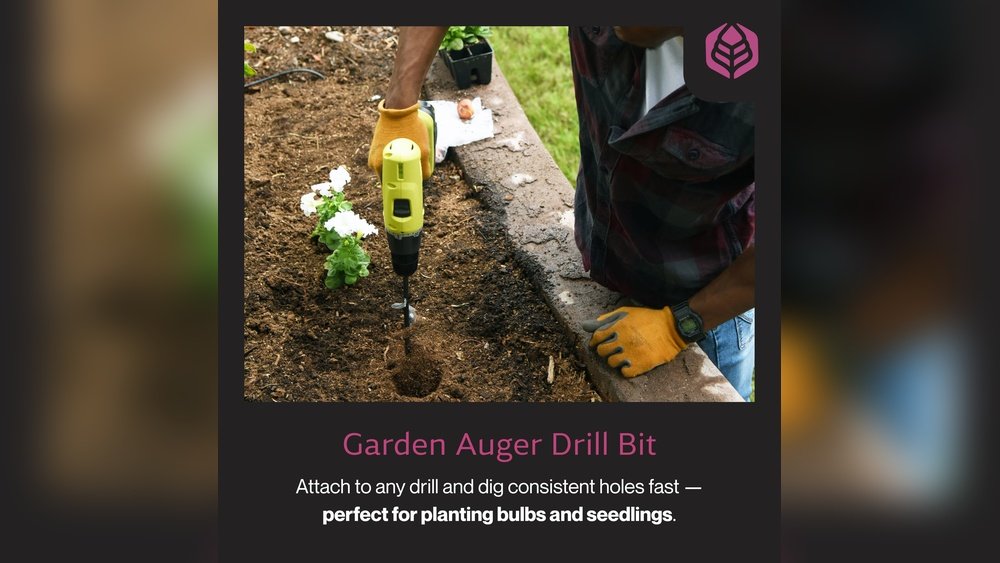
Planting bulbs can be a time-consuming and tiring task, especially when you have a big garden to prepare. But what if you could use garden auger planting to plant bulbs quickly“>plant bulbs quickly“>plant bulbs quickly without bending over or digging by hand?
Using a garden auger is the secret to speeding up your bulb planting while saving your back and energy. You’ll discover how to use a garden auger step-by-step to plant bulbs fast and efficiently. Get ready to transform your garden with less effort and more fun!
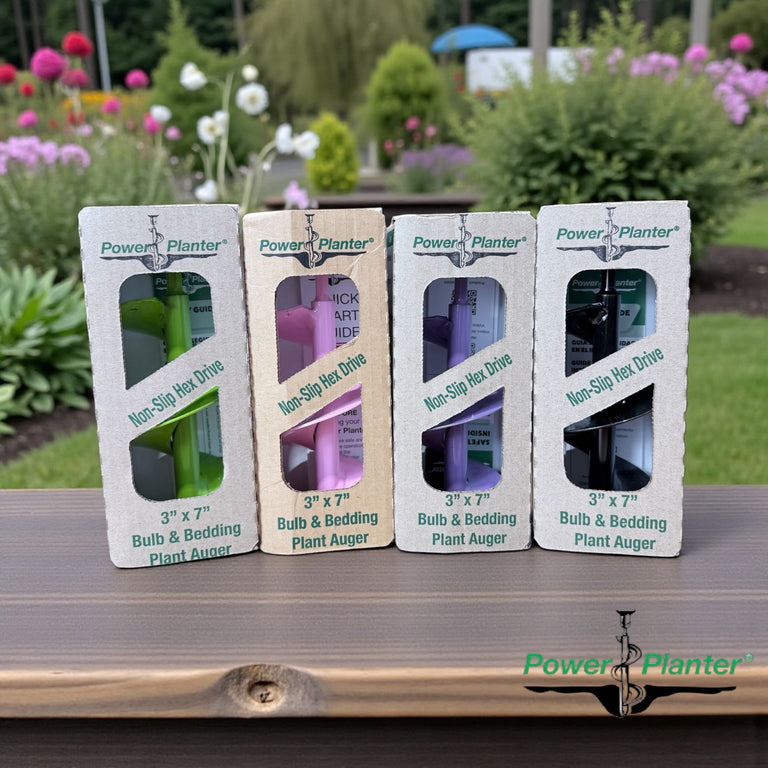
Credit: powerplanter.com
Choosing The Right Garden Auger
Choosing the right garden auger makes bulb planting faster and easier. The right tool fits your bulbs and soil type. It saves effort and helps you plant many bulbs quickly. Focus on the auger type, size, and power source. These factors affect your planting speed and comfort.
Types Of Auger Bits
Garden auger bits come in different shapes and designs. Some have wide spirals for loose soil. Others have narrow spirals for dense or clay soil. Choose an auger bit that matches your garden soil. Sharp edges help cut through roots and rocks. A smooth bit makes clean holes for bulbs.
Selecting Proper Size For Bulbs
Bulbs need the right hole size to grow well. Measure the bulb diameter first. Pick an auger bit slightly wider than the bulb. This gives enough space for roots to expand. Too small a bit will crush the bulb. Too large a bit wastes effort and soil.
Manual Vs. Power Drill Augers
Manual augers need hand twisting to dig holes. They work well for small gardens or soft soil. Power drill augers attach to electric or cordless drills. These dig holes quickly with less effort. Power augers are best for large gardens or tough soil. Choose based on your garden size and strength.

Credit: www.gemefindustries.com
Preparing Your Garden Area
Preparing your garden area“>Preparing your garden area is the first step to plant bulbs quickly and easily. A well-prepared garden makes planting faster and helps bulbs grow better. It means getting the soil ready, clearing the surface, and choosing where to place each bulb. This preparation saves time and effort when using a garden auger.
Clearing The Soil Surface
Remove leaves, rocks, and debris from the soil surface. This clearing helps the auger drill smoothly into the ground. It also prevents damage to the drill bit and keeps planting spots neat. Clear soil surface makes planting faster and protects your tools.
Marking Bulb Placement Spots
Mark the spots where you want to plant bulbs. Use small sticks, string, or spray paint to make clear marks. This step ensures even spacing and a beautiful garden layout. Marking spots before drilling saves time and avoids mistakes while planting.
Soil Moisture And Condition
Check the soil moisture before planting. Soil should be damp but not too wet or dry. Damp soil makes it easier to drill holes with the auger. Test soil by squeezing a handful; it should hold shape but not drip water. Good soil condition helps bulbs take root quickly and grow strong.
Using The Auger For Planting
Using a garden auger for planting bulbs speeds up the entire process. It helps create uniform holes quickly and with less effort. The auger attaches to a power drill and drills holes in the soil. This method saves time and protects your back from bending.
Follow simple steps to use the auger effectively. Proper technique ensures the bulbs are planted at the right depth and angle. This section guides you through attaching the auger, drilling holes, and maintaining control.
Maintaining Your Garden Auger
Cleaning After Use
After using your garden auger, clean it thoroughly to remove soil and debris. This prevents rust and keeps the tool in good condition for future use.
Storing Properly
Store your garden auger in a dry place to avoid moisture damage. Proper storage extends the life of your tool and ensures it’s ready for the next planting season.