
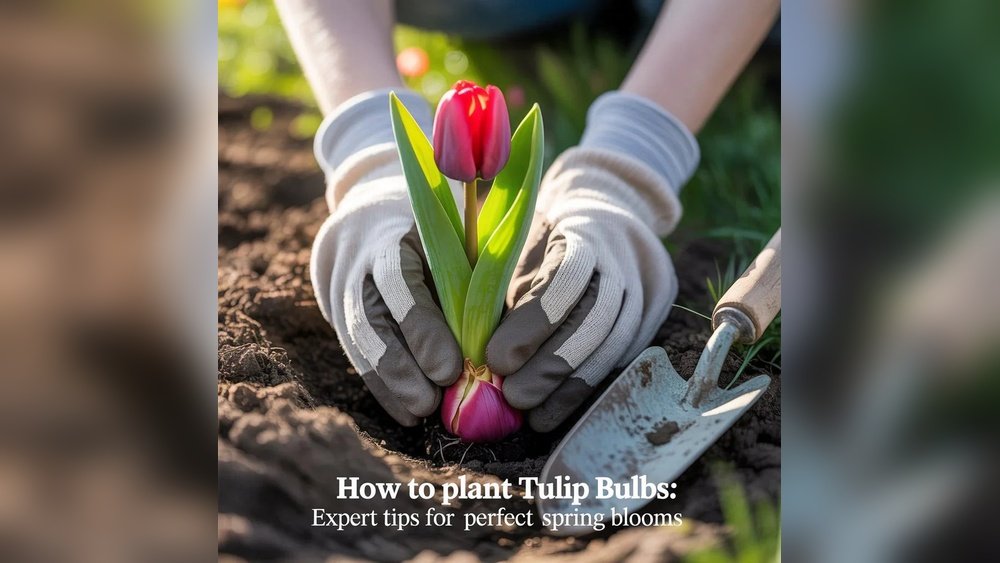
Planting tulip bulbs can turn any garden into a vibrant show of color each spring. These flowers are loved for their bold shades, simple elegance, and the way they announce winter’s end. But getting tulips to bloom beautifully is about more than just putting bulbs in the ground.
There are important steps and tips that even experienced gardeners sometimes miss. Whether you’re new to gardening or want better results, understanding the right way to plant tulip bulbs makes all the difference. This guide will show you everything you need, from picking healthy bulbs to expert tricks for a strong, colorful display.
Let’s dig into the details and get your tulips off to the best start.
Understanding Tulip Bulbs
Before you buy or plant, it helps to know what you’re working with. Tulip bulbs are not seeds; they are living storage units that already contain the flower and leaves for next spring. The bulb’s layers hold nutrients that help the tulip grow after winter.
Healthy bulbs are key. Look for bulbs that are:
- Firm (not soft or mushy)
- Free of mold or cuts
- Heavy for their size
- Dry but not shriveled
Avoid bulbs that have dark spots, smell bad, or look like they are rotting. Large bulbs usually produce bigger, better flowers.
Choosing The Right Tulip Variety
Tulips come in over 3,000 varieties. Choosing the right one for your climate, garden style, and blooming time is important.
Bloom Time
Tulips don’t all flower at once. There are early, mid, and late-season varieties. For a longer display, plant a mix:
- Early: Single Early, Double Early (bloom late March to early April)
- Mid: Triumph, Darwin Hybrid (bloom mid-April)
- Late: Lily-flowered, Parrot, Single Late (bloom late April into May)
Height And Color
Tulip heights range from 6 to 28 inches. Short varieties are good for borders or pots, while tall ones stand out in beds.
Tulips come in nearly every color except true blue. You can find solid colors, stripes, and even multi-color petals. Think about the color theme of your garden and how tulips will fit in.
Climate Suitability
Some tulips need a cold winter to flower well. If you live in a warm area (zone 8 or above), choose varieties labeled as “good for warm climates” or pre-chill your bulbs.
When To Plant Tulip Bulbs
Timing is everything for tulips. Plant too early, and the bulbs can rot; plant too late, and they may not root well.
- Best time: Fall, when soil has cooled to 55°F (13°C) or below.
- Northern climates: Late September to early November.
- Southern climates: Late October to December, or even January in very warm areas.
A simple test: Wait until nighttime temperatures are consistently below 50°F (10°C).
Where To Plant: Site Selection
Tulips need the right spot to thrive. Here’s what they love:
- Full sun (6+ hours a day) for strong stems and blooms.
- Well-drained soil. Avoid places where water pools after rain.
- Shelter from strong wind if possible, especially for tall varieties.
Avoid planting tulips under trees or next to large shrubs, as these can steal nutrients and sunlight.
Preparing The Soil
Good soil means healthier tulips. Start preparing a few weeks before planting.
- Test drainage: Dig a hole and fill with water. If it drains in less than an hour, it’s good. If not, add organic matter or plant in raised beds.
- Loosen soil: Use a shovel or fork to break up the soil 12–15 inches deep.
- Mix in compost: Add 2–3 inches of compost or aged manure. This boosts nutrients and improves texture.
- Check pH: Tulips prefer slightly acidic to neutral soil (pH 6.0–7.0). Test kits are cheap and easy to use.
If your soil is heavy clay, mix in sand or grit. For sandy soil, add organic matter to hold moisture.
How To Plant Tulip Bulbs Step By Step
Planting tulip bulbs is simple, but details matter. Here’s how to do it right.
- Dig holes or a trench. For a big display, a trench works well. For small groups, individual holes are fine.
- Depth matters. Plant bulbs three times as deep as their height. Most tulip bulbs need 6–8 inches deep.
- Space them. Leave 4–6 inches between bulbs. Crowded bulbs can rot or produce fewer flowers.
- Pointy end up. The flat side is the base; the pointy side is where the stem comes out.
- Backfill with soil and press gently. Don’t pack too hard.
- Water. Give bulbs a good soak after planting to settle the soil and start root growth.
Here’s a quick comparison of planting depths for popular bulbs:
| Bulb Type | Depth (inches) | Spacing (inches) |
|---|---|---|
| Tulip | 6-8 | 4-6 |
| Daffodil | 6-8 | 6-8 |
| Crocus | 3-4 | 2-3 |
Special Tips
- For a natural look, toss bulbs onto the bed and plant where they fall.
- For formal beds, use a string to keep rows straight.
- Try planting bulbs in clusters of 10 or more for the most impact.
Watering Tulip Bulbs
After planting, water deeply once. This helps roots start growing. After this, tulip bulbs need little water until spring. Too much moisture can cause rot.
- Do not water again unless the fall is very dry.
- In very rainy areas, make sure your soil drains well.
In spring, when shoots appear, water only if the soil is dry. Tulips do not like soggy roots.
Mulching For Protection
Mulch helps bulbs survive winter and keeps weeds down. Use 2–3 inches of mulch like shredded bark, straw, or leaves.
- Mulch after planting and watering.
- Remove some mulch in early spring so shoots can push through.
In very cold climates, mulch is especially important. In warmer areas, use less mulch or skip it to avoid trapping too much moisture.
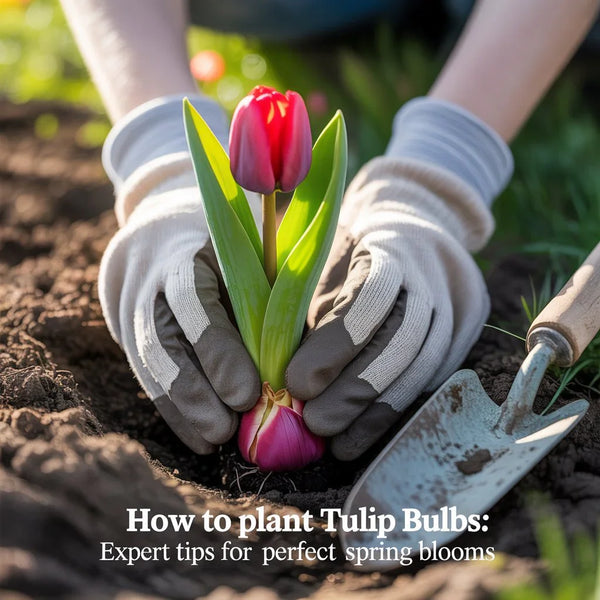
Credit: blackpetals.us
Fertilizing Tulip Bulbs
Tulips do not need much fertilizer, but a boost can help, especially in poor soils.
- Mix a slow-release, balanced fertilizer (like 10-10-10) into the soil at planting.
- Avoid high-nitrogen fertilizers, which can lead to weak stems.
- Do not put fertilizer directly in the planting hole—it can burn roots.
In spring, you can feed again when leaves appear, but it’s often not necessary if you prepared the soil well.
Planting Tulips In Pots And Containers
Tulips grow well in containers if you choose the right size and care for them properly.
Container Tips
- Use pots at least 12 inches deep.
- Make sure containers have drainage holes.
- Fill with high-quality potting mix (not garden soil).
- Plant bulbs close, but not touching—leave about a bulb’s width between each.
Overwintering Potted Tulips
- In cold areas, keep pots in a garage or shed until spring to protect bulbs from freezing.
- In mild climates, pots can stay outside.
Water after planting and keep the soil slightly moist (not soggy) through winter.
:strip_icc()/person-planting-multiple-bulbs-soil-2d686a9c-819c636254c9498b9bb13d58fd1b3e59.jpg)
Credit: www.bhg.com
Common Mistakes When Planting Tulip Bulbs
Even experienced gardeners make mistakes with tulips. Here are some to avoid:
- Planting too shallow: Bulbs not deep enough can freeze, dry out, or grow weak stems.
- Poor drainage: Soggy soil leads to bulb rot.
- Planting upside down: Always plant with the pointy end up.
- Skipping soil prep: Hard or poor soil leads to poor blooms.
- Overcrowding: Bulbs need space to grow and avoid disease.
- Too much water: Waterlogged bulbs rarely survive winter.
- Using old bulbs: Fresh, healthy bulbs bloom best.
Naturalizing And Replanting Tulips
Many tulips bloom best the first year, then fade. But some types, like Darwin Hybrids and species tulips, can come back year after year (naturalize).
If you want tulips to return:
- Choose perennial types.
- Leave leaves until they turn yellow after flowering—this feeds the bulb for next year.
- Do not cut or tie leaves early.
Some gardeners dig up bulbs each summer and replant in fall. This helps in wet climates or if you want to rearrange colors.
Protecting Tulip Bulbs From Pests
Tulip bulbs are a favorite snack for squirrels, voles, and other critters. Here’s how to keep them safe:
- Lay wire mesh (hardware cloth) over the bed after planting, then cover with soil.
- Use bulb cages made from mesh or plastic.
- Sprinkle crushed gravel or sharp sand in the planting hole—this discourages digging.
- Avoid using strong-smelling animal repellents directly on bulbs, as this can harm them.
Rabbits and deer sometimes eat tulip shoots in spring. Fencing or repellents around new growth can help.
Tulip Care After Planting
Your work isn’t done after planting. A little care helps bulbs stay strong.
- Watch for shoots in early spring.
- Water only if the weather is very dry.
- Remove faded flowers (deadhead) but leave leaves until they yellow and die back.
If you notice weak blooms, small flowers, or yellow leaves, it may be due to poor soil, shallow planting, or disease. Consider lifting bulbs, checking for rot, and improving conditions for next season.

Credit: wickedtulips.com
Planning For Successive Blooms
To keep your garden colorful longer, stagger blooming times with different tulip varieties.
Here’s an example of how to extend the display:
| Tulip Group | Bloom Time | Height (inches) |
|---|---|---|
| Single Early | Late March – Early April | 10-16 |
| Triumph | Mid-April | 12-18 |
| Darwin Hybrid | Late April | 18-28 |
| Lily-flowered | Early May | 16-24 |
Mixing these groups gives you color for over a month.
Special Planting Designs
Tulips can be planted in many creative ways.
- Drifts: Large, curved groups of one color look natural and bold.
- Borders: Plant in straight lines along walkways or flower beds.
- Mixed beds: Combine tulips with daffodils, hyacinths, or early perennials for a full spring display.
- Layered planting (lasagna method): In deep pots, plant large bulbs like tulips at the bottom, smaller bulbs (crocus, grape hyacinth) above. This gives waves of color as each blooms.
Advanced Tips Most Beginners Miss
While basics are enough for success, a few expert tricks can take your tulip show further.
1. Chill Bulbs In Warm Climates
If you live where winters are mild (zones 8–10), tulip bulbs need 12–16 weeks of chilling at 40–45°F (4–7°C) before planting. Store in a paper bag in the fridge (not near fruit).
2. Rotate Planting Locations
Plant tulips in a different spot each year to avoid soil-borne diseases.
3. Combine Early And Late Bulbs
Layering bulbs of different heights and bloom times gives a lush, multi-level look.
4. Use Grit For Drainage
In heavy soils, adding sharp sand or horticultural grit below bulbs helps prevent rot.
5. Label Your Plantings
Mark where and what you planted. It’s easy to forget by spring.
Tulip Bulb Planting: A Yearly Timeline
Knowing what to do each season keeps your tulips healthy year after year.
| Season | Tasks |
|---|---|
| Fall | Buy and plant bulbs, mulch, water well |
| Winter | Check mulch, protect from critters, avoid overwatering |
| Spring | Remove some mulch, watch for shoots, water if dry, deadhead after bloom |
| Summer | Let foliage die back, lift bulbs if needed, store in cool dry place |
Using Tulips In The Landscape
Tulips are not just for flower beds. Use them to brighten lawns, under trees (where enough sun reaches), or in wild gardens. For low-maintenance color, plant alongside perennial groundcovers like creeping phlox or vinca.
Tulips also pair well with other spring bulbs. For example:
- Daffodils bloom at the same time and help discourage rodents.
- Hyacinths add fragrance and bold texture.
- Grape hyacinth (Muscari) gives a blue carpet under taller tulips.
Sustainable Tulip Gardening
Modern tulip farming can use a lot of chemicals. For a greener garden:
- Buy bulbs from organic or sustainable growers.
- Avoid pesticides and use natural methods to control pests.
- Replant or compost spent bulbs instead of throwing them away.
Healthy, chemical-free gardens are better for pollinators and people.
Frequently Asked Questions
How Deep Should I Plant Tulip Bulbs?
Plant tulip bulbs about 6 to 8 inches deep—this means measuring from the soil surface to the top of the bulb. Deep planting keeps bulbs safe from frost and animals and helps them grow strong stems.
Can I Plant Tulip Bulbs In Spring?
Tulip bulbs are best planted in fall. If you plant in spring, the bulbs may not have enough time to root and might not bloom well. In warm climates, pre-chilled bulbs can sometimes be planted in late winter for a short display.
Do Tulip Bulbs Need To Be Dug Up Every Year?
Most garden tulips bloom best the first year, then may fade. In climates with wet summers or heavy soils, it’s a good idea to dig up bulbs after leaves die and replant in fall. Some types, like species tulips or Darwin Hybrids, can stay in the ground for years.
Why Are My Tulips Not Blooming?
Common causes are poor drainage, bulbs planted too shallow, or not enough winter chill. Old or diseased bulbs may also fail. Try improving soil, planting deeper, or choosing varieties suited to your climate.
How Do I Keep Animals From Eating My Tulip Bulbs?
Protect bulbs by using wire mesh over plantings, planting with sharp gravel, or using bulb cages. Planting daffodils nearby (which animals avoid) can also help keep pests away.
Growing tulips is a satisfying way to welcome spring with color. With these tips, you’ll enjoy a garden full of healthy, vibrant blooms year after year. For more on tulip varieties and care, visit the official Royal Horticultural Society tulip guide. Happy planting!