
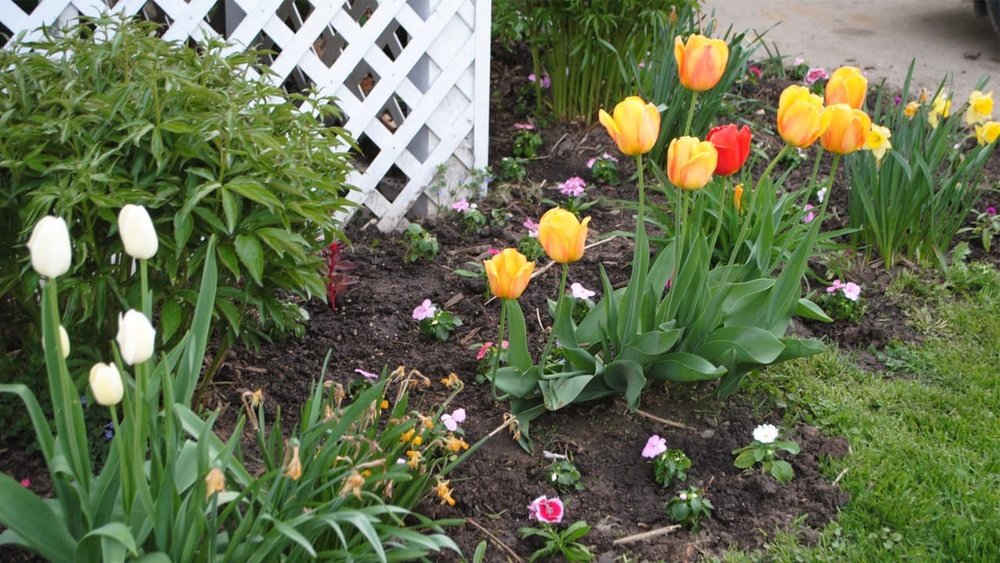
Planting daffodil bulbs in fall is one of the simplest ways to ensure a colorful, cheerful garden in early spring. As days grow shorter and temperatures drop, gardeners everywhere begin to prepare their soil and choose the perfect spots for these classic flowers.
But while daffodils are known for their reliability, a few key tips can make the difference between a patchy display and a sea of golden blooms. Whether you are an experienced gardener or just starting out, mastering the art of planting daffodil bulbs will reward you for years to come.
In this guide, you’ll discover everything you need to know—from choosing quality bulbs to planting depth, spacing, and expert tips for vibrant, healthy plants.
Why Plant Daffodil Bulbs In Fall?
Planting daffodil bulbs in the fall gives them time to establish strong roots before winter. This cold period is essential. The bulbs need the chill to trigger their growth cycle, so they can push up fresh shoots as soon as spring arrives.
If you wait until spring to plant, the bulbs often fail to flower, or their blooms are weak and delayed.
Daffodils are hardy and can survive cold winters, but they need time underground to prepare. By planting in fall, you also avoid the rush of spring gardening and make use of the cool, moist soil that helps bulbs settle in. Plus, the fall planting window is long—usually from September through November, depending on your climate.
Choosing The Best Daffodil Bulbs
Not all daffodil bulbs are created equal. The quality of the bulb you plant will directly affect the blooms you get.
Selecting Healthy Bulbs
Look for bulbs that are:
- Firm and heavy for their size (a sign of healthy moisture content)
- Free of mold, soft spots, or deep cuts
- Free from green shoots (a sign they’ve started growing too early)
Larger bulbs generally produce more, and bigger, blooms. Small, dried-out bulbs often struggle to flower.
Types And Varieties
Daffodils come in many shapes, sizes, and colors. The most common color is yellow, but you can also find white, orange, pink, and even bi-color varieties. Some are tall, some are short; some bloom early, others late.
Here’s a quick comparison of popular daffodil types:
| Type | Height (inches) | Bloom Time | Flower Color |
|---|---|---|---|
| Trumpet | 16–20 | Early Spring | Yellow, White |
| Cupped | 14–18 | Mid Spring | Yellow, Pink, White |
| Double | 12–18 | Mid Spring | Yellow, Orange |
| Miniature | 6–10 | Early Spring | Yellow, White |
When buying, consider bloom time and height to create a layered display. Mixing varieties can extend your flowering season by several weeks.
When To Plant Daffodil Bulbs
The ideal planting window depends on your local climate. As a rule, plant daffodil bulbs when soil temperatures drop to 60°F (16°C) or cooler, but before the ground freezes.
- Northern regions (USDA Zones 3-5): Late September to mid-October
- Central regions (Zones 6-7): October to early November
- Southern regions (Zones 8-9): November to early December
If you plant too early, bulbs may sprout leaves before winter. If you plant too late, they won’t have time to establish roots.
A tip many beginners miss: *Soil temperature is more important than air temperature*. Use a soil thermometer for best results.
Where To Plant Daffodil Bulbs
Site selection is crucial for healthy, long-lasting daffodils. These flowers thrive in spots that mimic their native habitat: open, sunny meadows and woodland edges.
Sun And Shade
Daffodils need at least 6 hours of sunlight daily for strong blooms. They tolerate partial shade, especially under deciduous trees (which lose their leaves in winter), but too much shade leads to weak stems and fewer flowers.
Soil Requirements
Well-drained soil is essential. Bulbs sitting in soggy ground often rot before they ever bloom.
Ideal soil:
- PH between 6.0 and 7.0 (slightly acidic to neutral)
- Loamy or sandy texture (not heavy clay)
- Enriched with organic matter (compost or well-rotted manure)
If your soil is heavy clay, improve drainage by adding sand or planting bulbs on a slope or in raised beds.
Naturalizing Vs. Beds
You can plant daffodils in formal beds, along borders, or allow them to naturalize in lawns and under trees. Naturalizing means bulbs multiply and return year after year, spreading into drifts. For this, choose a spot that isn’t heavily trafficked and mow only after leaves have died down.
How Deep To Plant Daffodil Bulbs
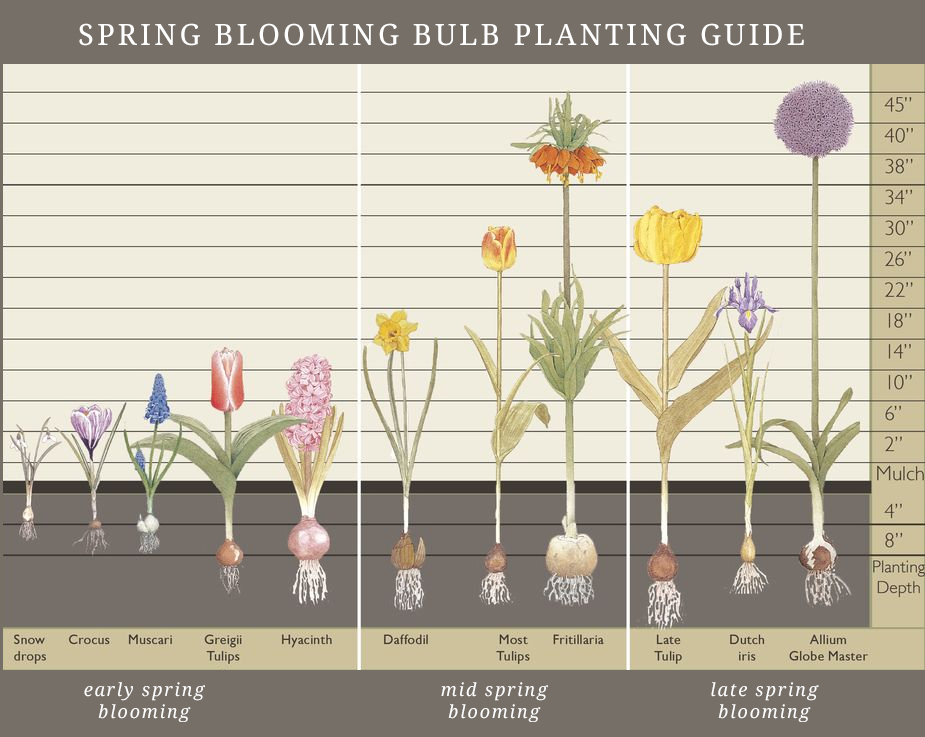
Planting depth affects bloom quality and bulb survival. Too shallow, and bulbs may freeze or be pushed up by frost. Too deep, and shoots may struggle to emerge.
The general rule: Plant bulbs three times as deep as the bulb is tall.
For standard daffodil bulbs (about 2 inches tall), that means a hole 6 inches deep. Miniature varieties can be planted 3–4 inches deep.
Here’s a quick reference:
| Bulb Size | Planting Depth | Spacing |
|---|---|---|
| Large (2+ inches tall) | 6 inches | 4–6 inches apart |
| Miniature (1 inch tall) | 3–4 inches | 2–3 inches apart |
Always plant bulbs pointy end up. The flat base should touch the bottom of the hole.
Step-by-step Guide: Planting Daffodil Bulbs
For beginners, a clear process helps avoid missed steps. Here’s how to plant daffodil bulbs for best results:
- Prepare the soil: Remove weeds, stones, and debris. Loosen soil to at least 8 inches deep. Mix in compost or bulb fertilizer if needed.
- Dig the holes: Use a hand trowel, bulb planter, or shovel. For mass plantings, dig a trench instead of individual holes.
- Place the bulbs: Set bulbs in the hole, pointy end up, flat side down. Space according to the variety.
- Cover and firm: Backfill with soil, pressing gently to remove air pockets.
- Water well: Water bulbs after planting to settle the soil and start root growth.
- Mulch (optional): Add a 2-inch layer of mulch to keep soil temperature stable and prevent weeds.
Planting In Containers
No garden bed? Daffodils grow well in pots and containers. Use a high-quality, well-draining potting mix. Ensure containers have drainage holes. Plant bulbs at the same depth as in the ground, and group them closer together—about 1 inch apart for a full look.
Water after planting and keep containers in a cool, sheltered spot until shoots appear.
Common Mistakes To Avoid
- Planting upside down (pointy end always goes up)
- Planting too shallow or too deep
- Overwatering, especially in heavy soils
- Not checking for good drainage
- Crowding bulbs, leading to poor airflow and disease
Credit: mahoneysgarden.com
Aftercare: Helping Daffodils Thrive
Planting is just the first step. Good aftercare ensures your bulbs flower beautifully and come back year after year.
Watering
Daffodils need moisture after planting to start root growth, but do not like soggy soil. Once established, they are drought-tolerant. In dry fall or winter periods, water if the soil dries out.
Fertilizing
A balanced, slow-release fertilizer (such as 10-10-10) can be mixed into the soil at planting time. In early spring, when shoots appear, a light top-dressing of fertilizer helps boost blooms.
Protecting From Pests
Daffodils are naturally resistant to most pests, including deer and rodents. Their bulbs contain toxins that are unappealing to animals. However, squirrels sometimes dig up bulbs out of curiosity. If this is a problem, lay chicken wire over the planting area and cover with soil.
Caring For Leaves
After flowering, leave the foliage in place until it turns yellow and withers (usually 6–8 weeks after bloom). The leaves feed the bulb for next year’s flowers. Do not cut or braid the leaves early.
Designing With Daffodils: Creative Ideas
Daffodils are versatile. They blend into many garden styles, from formal beds to wildflower meadows. Here’s how you can use them for maximum visual impact:
Mass Planting
Plant bulbs in groups of 10 or more for a natural look. Avoid straight rows, which can look artificial. Clusters or drifts appear more natural and striking.
Mixed Borders
Combine daffodils with early perennials like hyacinths, tulips, or grape hyacinths. Their colors complement each other, and you get blooms at different times.
Under Trees
Since daffodils bloom before most trees leaf out, they do well under deciduous trees. They add a burst of color to areas that will later become shady.
Lawns And Meadows
For a naturalized look, scatter bulbs randomly and plant where they fall. Wait to mow until the foliage has died down.
Containers And Window Boxes
Daffodils in pots bring spring color to patios and balconies. Mix with other spring bulbs for a layered effect.
Credit: www.longfield-gardens.com
Troubleshooting: Why Didn’t My Daffodils Bloom?
Sometimes, daffodils fail to flower or produce only leaves. Here are common reasons and solutions:
- Planted too shallow: Bulbs may freeze or dry out.
- Too much shade: Not enough sunlight for blooms.
- Poor soil drainage: Bulbs rot in wet soil.
- Cut leaves too early: Bulbs don’t store enough energy.
- Overcrowding: Bulbs compete for nutrients and stop flowering.
If your bulbs underperform, dig them up in late summer, separate any crowded clumps, and replant in a better spot.
How To Divide And Replant Daffodils
Daffodils multiply over time and may become crowded after 3–5 years. When this happens, flowers become smaller and fewer.
Dividing Daffodil Clumps
- Wait until after flowering and the leaves have died back.
- Dig up the clump carefully using a garden fork.
- Separate bulbs by hand, keeping only healthy, firm ones.
- Replant immediately at the correct depth and spacing.
Dividing gives bulbs more space and increases your flower display.
Storing Daffodil Bulbs
If you need to move bulbs or can’t plant them right away, store them in a cool, dry place. Lay bulbs in a single layer in a mesh bag or cardboard box. Avoid plastic bags, which trap moisture and encourage mold.
Check bulbs regularly and discard any that show signs of rot or softness.
Comparing Daffodils To Other Spring Bulbs
Daffodils are just one of many spring-flowering bulbs. Here’s how they compare to some other favorites:
| Bulb | Deer/Rodent Resistance | Bloom Time | Care Level |
|---|---|---|---|
| Daffodil | High | Early-Mid Spring | Easy |
| Tulip | Low | Mid Spring | Moderate |
| Hyacinth | Medium | Early-Mid Spring | Easy |
| Crocus | Medium | Very Early Spring | Easy |
Daffodils are a favorite because animals avoid them, and they reliably return year after year with little care.

Credit: wickedtulips.com
Advanced Tips For Daffodil Success
Experienced gardeners use a few extra tricks for even better results.
- Soak bulbs: If bulbs look dry, soak them in lukewarm water for 2 hours before planting.
- Layering (lasagna planting): In containers, plant bulbs in layers—daffodils on the bottom, smaller bulbs like crocus above. This gives waves of blooms.
- Use bulb fertilizer: Specialized bulb fertilizer supports root growth. Apply at planting and again when shoots appear.
- Rotate planting spots: If a bed becomes crowded or disease-prone, plant in a new spot every few years.
- Mulch with leaves: In colder regions, cover beds with a thick layer of leaves for extra winter protection.
Daffodils For Naturalizing: What To Know
Not all daffodils are equally good for naturalizing (coming back and multiplying on their own). For best results, choose varieties labeled for naturalizing, such as ‘Carlton,’ ‘Tête-à-Tête,’ or ‘Ice Follies. ’
Tips for naturalizing:
- Scatter bulbs randomly for a natural look.
- Choose spots with minimal disturbance—avoid heavy foot traffic.
- Allow foliage to die back naturally each year.
Naturalized daffodils can thrive for decades with little care.
Environmental Benefits Of Daffodils
Besides beauty, daffodils offer several environmental advantages:
- Their early blooms provide pollen for bees when few other flowers are available.
- Daffodils are rarely troubled by pests, reducing the need for chemicals.
- They help stabilize soil on slopes and banks.
Planting daffodils supports pollinators and low-maintenance, eco-friendly gardening.
Sourcing Quality Bulbs
Where you buy your bulbs matters. Seek out reputable garden centers, local nurseries, or established online suppliers. Avoid bargain bins and bulbs sold in sealed, sweaty packaging.
For guidance on selecting healthy bulbs, the Royal Horticultural Society provides authoritative advice.
Frequently Asked Questions
How Many Years Do Daffodil Bulbs Last?
Daffodil bulbs can live and flower for decades if planted in the right spot and cared for properly. Over time, they multiply underground, creating larger clumps. Every 3–5 years, divide crowded clumps to keep plants vigorous.
Can I Plant Daffodil Bulbs In Spring?
It’s not recommended. Daffodil bulbs need a period of cold dormancy to flower well. If you miss fall planting, store bulbs in a cool, dry place and plant as soon as possible. Spring-planted bulbs may not bloom the first year.
Do Daffodils Need To Be Dug Up Every Year?
No, daffodils are perennials and can stay in the ground year-round. In fact, they prefer to be left alone, except when clumps become crowded or stop flowering well.
Why Are My Daffodils Only Producing Leaves, Not Flowers?
This usually means the bulbs are overcrowded, planted in too much shade, or the leaves were cut back too early the previous year. Dig up and divide bulbs, move them to a sunnier spot, and always let foliage die back naturally.
Are Daffodil Bulbs Poisonous?
Yes, all parts of daffodils, especially the bulbs, are toxic to humans and pets if eaten. Always wear gloves when handling bulbs and keep them away from children and animals.
Planting daffodil bulbs in fall is an easy, reliable way to fill your garden with color each spring. With the tips and techniques in this guide, you’ll enjoy healthier bulbs, more abundant blooms, and a garden that gets better every year.
As you grow more confident, experiment with new varieties and planting combinations—your daffodils will reward you for many seasons to come.