

If you want to fill your garden with vibrant colors and a sweet fragrance each spring, planting hyacinth bulbs is a perfect choice. But how do you make sure these beautiful flowers not only bloom but thrive year after year?
You’re about to discover simple, step-by-step tips on how to plant and care for hyacinth bulbs that will help you enjoy their stunning blooms and delightful scent season after season. Whether you’re a beginner or have some gardening experience, this guide will give you the confidence to grow hyacinths successfully and keep your garden looking fresh and inviting.
Ready to transform your outdoor space? Let’s get started!
Planting Hyacinth Bulbs
Planting hyacinth bulbs is the first step to enjoy their colorful, fragrant blooms in spring. Proper planting ensures strong growth and vibrant flowers. Preparing well helps bulbs develop healthy roots and survive winter. Follow simple steps for a successful start with hyacinths.
Best Time To Plant
Plant hyacinth bulbs in the fall, about 6 to 8 weeks before the first frost. This timing allows bulbs to establish roots before winter. In most areas, this means planting from September to November. Fall planting gives the best bloom results in spring.
Choosing The Right Location
Select a spot with full sun or partial shade. Hyacinths prefer at least 4 to 6 hours of sunlight daily. Avoid areas with heavy shade or standing water. Good air circulation helps prevent diseases. Choose a place with well-draining soil to keep bulbs healthy.
Soil Preparation
Loosen the soil to a depth of 12 inches before planting. Remove stones, weeds, and debris. Mix compost or well-rotted manure to improve soil fertility and drainage. Hyacinths grow best in soil with a neutral to slightly acidic pH. Good soil boosts bulb growth and flower quality.
Planting Depth And Spacing
Plant bulbs with the pointed end up, about 4 to 6 inches deep. Space bulbs 3 to 4 inches apart to give roots room to grow. Planting at the right depth protects bulbs from frost and helps strong stems emerge. Proper spacing prevents overcrowding and promotes airflow.
Caring For Hyacinths Outdoors
Caring for hyacinths outdoors ensures vibrant, fragrant blooms every spring. These bulbs need proper attention after planting to thrive in your garden. Outdoor hyacinths benefit from regular care, including watering, sunlight, feeding, and mulching. Each care step supports healthy growth and beautiful flowers.
Watering Needs
Hyacinths require moderate watering. Keep soil moist but not soggy. Water deeply once a week during dry spells. Avoid overwatering to prevent bulb rot. Stop watering after flowers fade to help bulbs enter dormancy.
Sunlight Requirements
Plant hyacinths where they get full sun or partial shade. They bloom best with at least six hours of sunlight daily. Morning sun is ideal to dry dew and reduce fungal risks. Too much shade weakens flowers and growth.
Fertilizing Tips
Feed hyacinths with a balanced fertilizer in early spring. Use a slow-release formula or liquid fertilizer every two weeks. Avoid high nitrogen fertilizers as they promote leaves over flowers. Fertilize again after flowering to help bulbs store energy.
Mulching Benefits
Apply mulch around hyacinth bulbs to conserve moisture. Mulch also protects bulbs from temperature swings. Use organic materials like shredded leaves or bark. Remove mulch in early spring to allow shoots to emerge easily.
Indoor Hyacinth Care
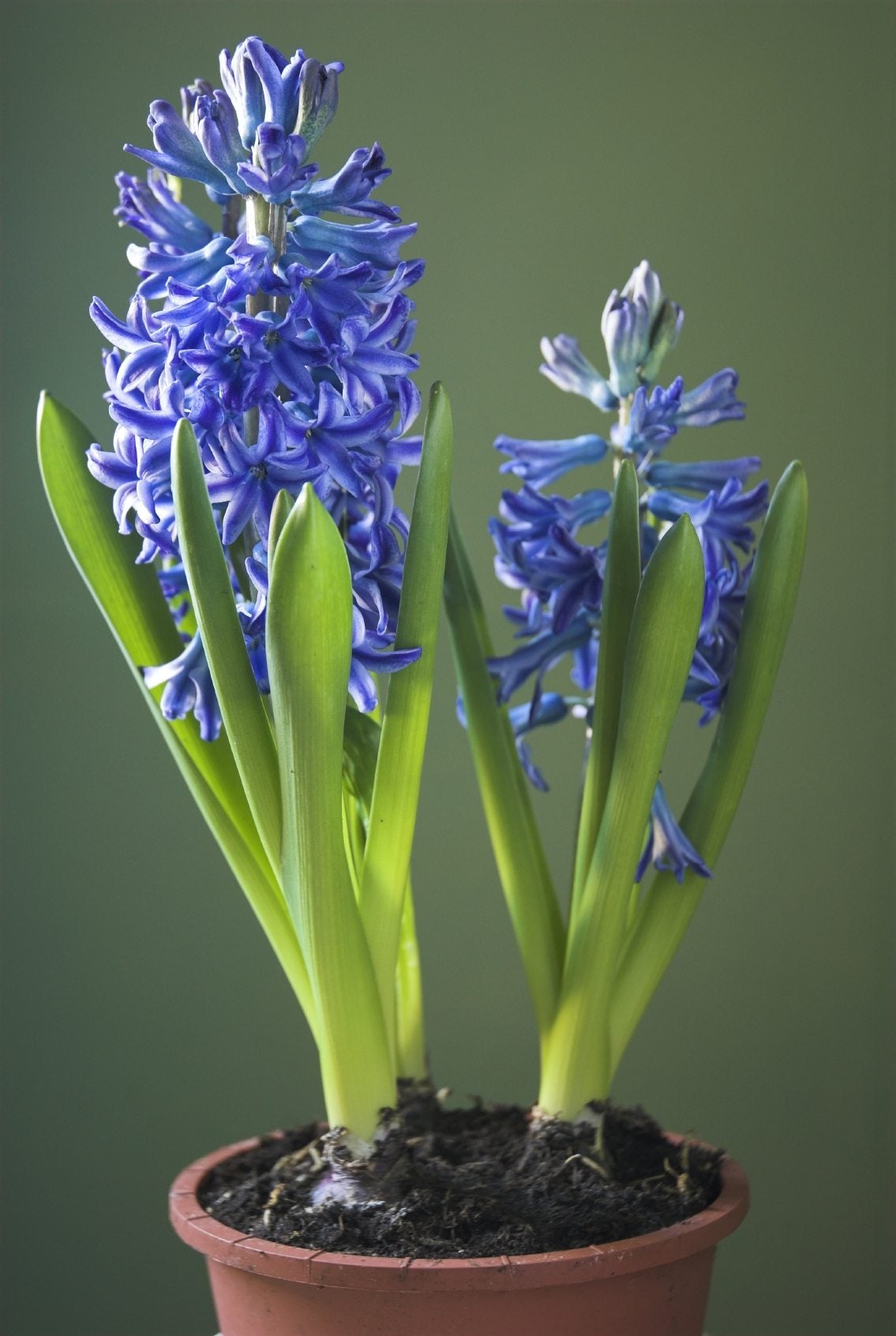
Indoor hyacinth care allows you to enjoy vibrant blooms inside your home. These fragrant flowers brighten any room during colder months. Growing hyacinths indoors needs special attention to mimic outdoor conditions. Proper care ensures healthy growth and longer flowering periods. Follow simple steps to grow strong indoor hyacinth plants that thrive and bloom beautifully.
Forcing Bulbs Indoors
Forcing hyacinth bulbs indoors means making them bloom early. Start by chilling the bulbs in a refrigerator for 10 to 12 weeks. Keep bulbs away from fruits to avoid damage. After chilling, plant bulbs in pots with soil or water. Place pots in a dark, cool place for roots to grow. Then, move them to a bright room to encourage flowering.
Potting And Soil Tips
Choose pots with drainage holes to prevent water buildup. Use well-draining potting mix with some sand or perlite. Fill pots leaving space at the top for watering. Plant bulbs with the pointed end up and the neck above soil. Keep bulbs close but not touching to allow air circulation. Use a shallow pot to support tall flower spikes.
Watering And Light
Water hyacinths moderately to keep soil moist but not soggy. Avoid letting pots sit in water to prevent rot. Place pots near a sunny window with indirect light. Hyacinths need at least 6 hours of light daily. Rotate pots to help even growth. Keep room temperatures cool, around 60 to 65°F, for best results.
Extending Bloom Time
Remove faded flowers to direct energy to the bulb, not seed production. Lower room temperature at night to slow blooming. Avoid moving pots too much to prevent stress. Mist flowers lightly to keep humidity up. After blooming, let leaves die naturally to feed the bulb for next season. Store bulbs in a cool, dark place before replanting.
Credit: www.gardeningknowhow.com
After Flowering Care
After hyacinth flowers fade, care is still important. Proper attention helps bulbs store energy for next year. This phase keeps your garden bright with healthy blooms.
Deadheading Flowers
Remove spent flower stalks by cutting them off near the base. This stops the plant from wasting energy on seeds. Leave the green leaves untouched. They help feed the bulb for future growth.
Leaf And Foliage Management
Let the leaves stay until they turn yellow and dry. Do not cut or pull the leaves early. The leaves gather sunlight and build energy inside the bulb. After they dry, gently remove the dead foliage.
Storing Bulbs
If you need to lift the bulbs, wait until leaves are fully dry. Carefully dig up bulbs without damaging them. Clean off soil and let bulbs dry in a cool, dry place. Store bulbs in a breathable container until fall planting.
Preparing For Next Season
Plant bulbs again in fall for best results. Choose well-drained soil with full or partial sunlight. Healthy bulbs produce strong flowers next spring. Regular care after flowering boosts the bulb’s energy reserves.
Dealing With Common Issues
Hyacinths bring beautiful color and fragrance to gardens. Growing them is usually easy. Yet, some common problems can harm your plants. Knowing how to handle these issues keeps your hyacinths healthy and blooming. Below are simple tips for dealing with pests, diseases, bulb rot, bloom decline, and reviving old bulbs.
Pests And Diseases
Watch for pests like aphids and slugs that eat leaves and flowers. Use gentle insecticidal soap or handpick pests off plants. Fungal diseases can cause spots or mold on leaves. Remove affected leaves and keep plants spaced for good air flow. Avoid wetting leaves to reduce disease risk.
Preventing Bulb Rot
Bulb rot occurs in soggy soil and kills bulbs. Plant hyacinths in well-drained soil. Add sand or compost to improve drainage. Avoid planting bulbs too deep or too close. Remove any soft or discolored bulbs before planting. Water only when soil is dry to touch.
Handling Bloom Decline
Hyacinth flowers may become smaller or fewer each year. This happens if bulbs lose energy after blooming. Leave leaves on plants until they turn yellow and dry. This lets bulbs store food for next year. Dig up and divide crowded bulbs every few years to boost blooms.
Reviving Old Bulbs
Old hyacinth bulbs can sometimes bloom again. Lift bulbs after leaves die back. Store them in a cool, dry place for a few months. Replant in fresh soil with good drainage. Add fertilizer in spring to help growth. Even tired bulbs may surprise you with new flowers.
:max_bytes(150000):strip_icc()/growing-and-caring-for-hyacinth-plants-1402248-03-571d970f763b4c22ab2a77676160ee97.jpg)
Credit: www.thespruce.com
Ensuring Yearly Blooms
Ensuring yearly blooms from hyacinth bulbs takes proper care and attention. These bulbs can delight your garden every spring if treated well. The key is to nurture the bulbs after flowering and prepare them for the next season. Following simple steps helps maintain strong, healthy bulbs and vibrant blossoms.
Replanting Forced Bulbs
Forced hyacinth bulbs bloom indoors but need replanting outdoors. After flowering, let the foliage die back naturally. Plant bulbs in a sunny spot with well-drained soil. Replanting helps bulbs regain strength and bloom next spring. Avoid cutting leaves too early as bulbs need them to store energy.
Bulb Lifting And Storage
Lift bulbs carefully once the leaves have fully yellowed and died. Clean off soil gently and avoid damaging bulbs. Store bulbs in a cool, dry place with good air circulation. A mesh bag or paper sack works well. Proper storage prevents rotting and keeps bulbs ready for fall planting.
Encouraging Strong Growth
Plant bulbs deeply, about 4 to 6 inches below the soil surface. Use well-drained soil mixed with compost for nutrition. Water bulbs after planting to settle the soil. In spring, apply a balanced fertilizer to support growth. Mulch helps keep soil moist and protects bulbs from temperature changes.
Choosing Perennial Varieties
Select hyacinth varieties known for perennial growth. Some hybrids bloom well for several years. Check plant labels or ask local nurseries for lasting types. Perennial varieties are better suited for replanting and yearly blooms. They provide stronger flowers with proper care season after season.
Growing Hyacinths In Containers
Growing hyacinths in containers is a great way to enjoy their beautiful blooms in small spaces. Containers let you control soil quality and placement easily. You can move pots indoors or outdoors to suit the season and climate. This method works well for patios, balconies, and indoors. Follow simple steps to help your potted hyacinths thrive and bloom.
Selecting Pots And Soil
Choose pots with drainage holes to prevent water buildup. Clay or ceramic pots work well because they breathe. Use a high-quality potting mix with good drainage. Mix in some sand or perlite to keep soil light. Avoid garden soil, which can be too heavy and cause rot. Fill the pot with soil, leaving space for the bulbs.
Winter Care For Potted Bulbs
Hyacinth bulbs need cold to bloom well. Place pots outside in a shaded, cool spot during winter. Temperatures between 35-48°F (2-9°C) work best. Keep soil moist but not soggy. After at least 10 weeks of cold, bring pots indoors. This process mimics natural winter conditions for strong flowers.
Watering And Light Indoors
Water hyacinths moderately when indoors. Keep soil slightly moist but never waterlogged. Place pots in a bright spot with indirect sunlight. Avoid direct hot sun as it can dry out the soil quickly. Turn pots occasionally to keep plants growing straight. Good air circulation helps prevent mold and disease.
Transitioning To Outdoor Planting
After the last frost, move potted hyacinths outdoors gradually. Start by placing them in a shaded area for a few days. This hardens plants to outdoor conditions. Then move pots to a sunny spot with well-drained soil. Water regularly to keep soil moist. Outdoor planting encourages bulbs to strengthen for next year’s bloom.

Credit: gardening.stackexchange.com
Frequently Asked Questions
Do Hyacinths Come Back Every Year?
Yes, hyacinths are perennials and can return each year with proper care. Bloom quality may decline over time.
How Many Hyacinth Bulbs To Plant Together?
Plant hyacinth bulbs 3 to 5 inches apart in groups for a full, vibrant display of blooms in spring.
Can You Leave Hyacinth Bulbs In Pots Over Winter?
Yes, you can leave hyacinth bulbs in pots over winter. Keep pots in a cool, frost-free place. Water sparingly to prevent drying out. Ensure good drainage to avoid bulb rot. In early spring, bring pots into sunlight to encourage blooming.
This method helps bulbs survive and bloom again.
What Do I Do With Hyacinth Bulbs When They Have Finished Flowering?
Cut off faded flower stalks but keep green leaves until they yellow. Allow foliage to die naturally to nourish bulbs. Store bulbs in a cool, dry place after leaves die back. Replant bulbs outdoors in fall for next spring’s blooms.
Conclusion
Planting and caring for hyacinth bulbs is simple and rewarding. Choose a sunny spot with well-drained soil. Plant bulbs in fall for vibrant spring blooms. Water them regularly but avoid overwatering. After flowering, cut the flower stalk but leave leaves to nourish bulbs.
Let leaves die back naturally to prepare bulbs for next year. With basic care, hyacinths can brighten your garden year after year. Enjoy their lovely scent and colors each spring. Patience and attention will help your hyacinths thrive beautifully.