
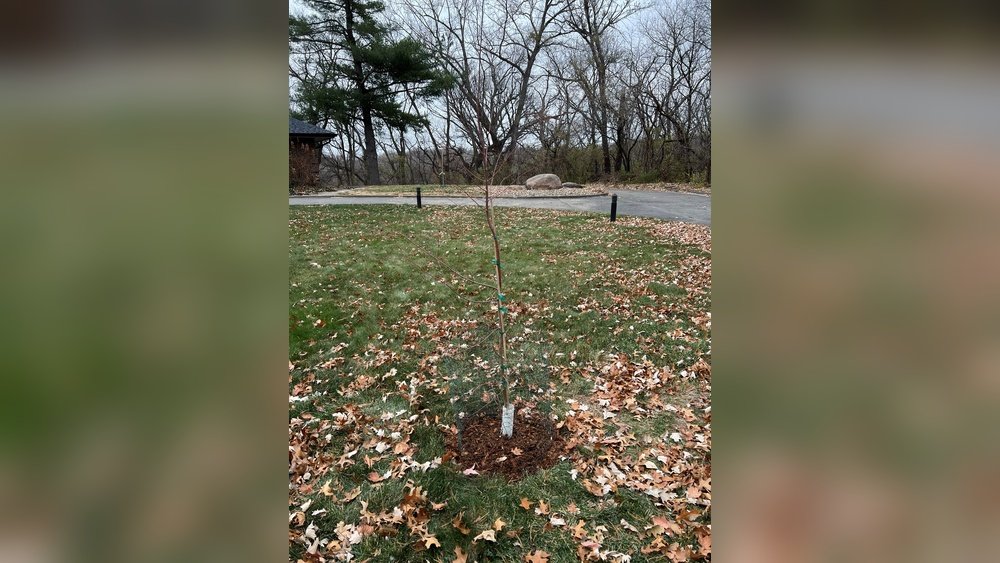
Transplanting a small tree can change the look of your yard and help your plants grow healthier. Whether you are moving a tree to a better spot or planting a new one, the process needs care and planning. Many people worry about damaging roots or making mistakes that harm the tree.
With the right steps, you can transplant a small tree successfully and watch it thrive in its new home.
This guide explains how to transplant a small tree, including expert tips, common mistakes, and how to keep your tree healthy after moving. You will learn about the best season, soil preparation, digging, root care, and watering. The article also covers tools, safety, and how to avoid transplant shock.
By the end, you will feel confident about transplanting any small tree in your garden.
Why Transplanting Small Trees Matters
Transplanting is more than just moving a tree. It helps trees grow stronger and reach their full size. Sometimes, a tree is planted too close to buildings, other plants, or in soil that is not good for roots. Moving the tree gives it space and the right conditions to grow. Transplanting can also prevent disease and improve the look of your garden.
Many homeowners and gardeners transplant small trees because:
- The tree is too close to power lines or fences.
- Growth is slow due to poor soil or lack of sunlight.
- The tree needs to be grouped with other plants.
- Landscaping plans change.
Transplanting is easier for small trees because their roots are less spread out. Still, the process is delicate and mistakes can stop the tree from surviving.
Best Time To Transplant A Small Tree
Choosing the right season is one of the most important steps. The best time depends on the tree species and climate, but most experts recommend transplanting in early spring or fall. During these times, the tree is not growing leaves or flowers, so it can focus on healing its roots.
Spring is ideal because:
- Soil is moist and easy to dig.
- The tree is not stressed by heat.
- Roots have time to grow before summer.
Fall is also good because:
- The tree has finished growing leaves.
- Cooler weather reduces water loss.
- Roots can settle before winter.
Avoid transplanting in summer or when the tree is flowering. Hot weather and active growth make the tree more sensitive to damage.
Preparing For Tree Transplanting
Assessing Tree Health
Before you move a tree, check if it is healthy enough. Look for signs like:
- Green leaves with no spots or yellowing.
- Strong, flexible branches.
- No signs of disease or pests.
Unhealthy trees can struggle after transplanting. If a tree is sick, fix the problem first or wait until it recovers.
Measuring The Root Ball
The root ball is the soil and roots you dig up. Getting the right size is key to success. For most small trees (under 10 feet tall), aim for a root ball that is:
- 12–18 inches wide for trees up to 3 feet tall
- 18–24 inches wide for trees 3–6 feet tall
- 24–36 inches wide for trees 6–10 feet tall
The root ball should also be 12–18 inches deep. This keeps most of the roots safe.
Gathering Tools And Materials
You need proper tools to dig safely and protect the roots. Basic equipment includes:
- Shovel or spade
- Garden fork
- Pruning shears
- Wheelbarrow
- Burlap or tarp (to wrap root ball)
- Watering can or hose
- Gloves
- Stakes (for support)
For rocky soil, a pickaxe might help. Using a sharp shovel prevents root damage.
Choosing The New Location
Pick a spot with:
- Enough sunlight for the tree species
- Good drainage (no standing water)
- Space for roots to spread
- Away from buildings, sidewalks, or other trees
To compare site options, see the table below:
| Location | Sunlight | Drainage | Space |
|---|---|---|---|
| Near Fence | Partial | Average | Limited |
| Open Yard | Full | Good | Wide |
| Beside House | Partial | Poor | Moderate |
The open yard is usually best, but check your local climate and tree needs.
Step-by-step Guide To Transplanting A Small Tree
1. Water The Tree Before Digging
Water the tree deeply a day before you dig. Moist soil protects the roots and makes digging easier. Dry soil can break roots and stress the tree.
2. Mark The Root Ball
Use a rope or garden hose to outline the root ball size. This helps you dig evenly and avoid cutting too many roots.
3. Dig Around The Root Ball
Start digging 3–6 inches outside your outline. Use the shovel to cut through soil and roots gently. Dig in a circle to loosen the root ball.
Go slowly and avoid jerking the tree. For trees with deep roots, dig deeper so you get most of the roots.
4. Lift The Tree Carefully
Once the root ball is loose, slide the shovel under it and lift slowly. Support the trunk and root ball at the same time.
Place the tree on a tarp or burlap. This keeps roots moist and stops soil from falling off.
5. Protect The Roots
Keep the root ball wrapped if you need to move the tree far. Roots should not dry out or be exposed to sun.
If transplanting takes longer than an hour, spray the root ball with water.
6. Prepare The New Planting Hole
Dig a hole in the new spot that is 1. 5 times wider and just as deep as the root ball. The extra width helps roots spread and grow.
Check the hole depth so the tree sits at the same level as before.
7. Place The Tree In The New Location
Remove burlap or tarp if used. Place the tree in the hole, making sure the trunk is straight.
Backfill with soil gently, pressing it down to remove air pockets.
8. Water The Tree After Transplanting
Give the tree a deep watering right after planting. This helps settle the soil and keeps roots moist.
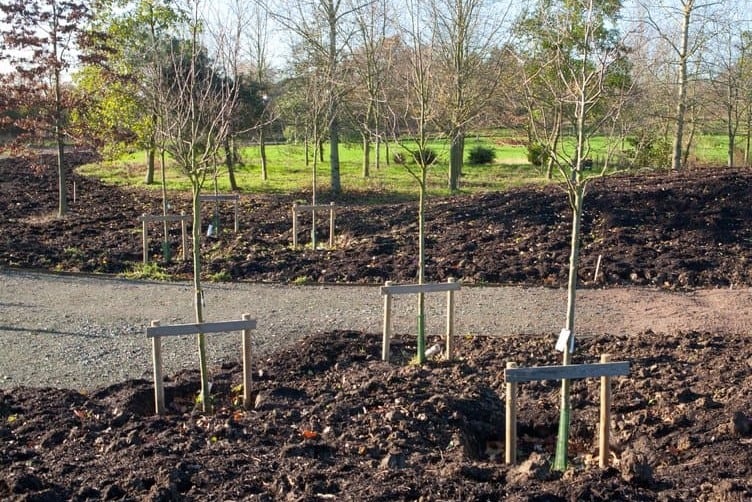
Add a layer of mulch around the base (2–3 inches thick) to keep moisture and protect roots.
9. Stake The Tree If Needed
If the tree is tall or exposed to wind, use stakes to keep it upright. Tie the trunk loosely so it can move slightly. Remove stakes after one year.
10. Monitor And Care After Transplant
Check the tree weekly for signs of stress. Water regularly but do not flood the soil. Watch for yellow leaves or drooping branches.
Common Mistakes To Avoid
Many beginners make errors when transplanting trees. Avoid these problems:
- Digging too small a root ball: This cuts off roots and slows growth.
- Planting too deep or too shallow: The tree should sit at the same level as before.
- Not watering enough: Dry soil stresses the roots.
- Ignoring soil quality: Poor soil stops roots from growing.
- Letting roots dry out: Keep roots wrapped and moist during the move.
- Using too much fertilizer: Fertilizer can burn roots. Wait 6 weeks before feeding.
By avoiding these mistakes, your tree will recover faster and grow stronger.
How To Reduce Transplant Shock
Transplant shock is a common problem when moving trees. Symptoms include yellow leaves, slow growth, or wilting. To prevent shock:
- Water often but do not overwater.
- Use mulch to keep soil cool and moist.
- Shade the tree for the first week if sunlight is strong.
- Avoid pruning branches right after transplanting.
Most trees recover from transplant shock within a few months. Patience is key.
Tree Types And Special Considerations
Some trees are easier to transplant than others. Popular small trees like maple, dogwood, and cherry adapt well. Evergreen trees, like pine and spruce, need extra care because their roots are sensitive.
The table below compares transplant difficulty for different types:
| Tree Type | Transplant Ease | Root Sensitivity | Recovery Time |
|---|---|---|---|
| Maple | Easy | Low | 2–3 months |
| Pine | Moderate | High | 4–6 months |
| Dogwood | Easy | Medium | 2–3 months |
| Cherry | Easy | Low | 2–3 months |
| Spruce | Difficult | High | 6–8 months |
If you are transplanting a tree type with high root sensitivity, extra watering and mulching are needed.
Soil Preparation And Improvement
Testing Soil Quality
Healthy soil helps transplanted trees grow fast. Test the soil pH and texture before planting. Most trees prefer slightly acidic soil (pH 6.0–6.5).
To test:
- Buy a soil test kit from a garden store.
- Take samples from the new location.
- Follow kit instructions to check pH and nutrients.
Improving Soil
If the soil is poor, mix in compost or organic matter. This adds nutrients and helps drainage.
For clay soil, add sand or gypsum to loosen it. For sandy soil, add compost to hold moisture.
Fertilizer Use
Do not add fertilizer right away. Wait 4–6 weeks after transplanting. Too much fertilizer can burn roots and cause shock.

Credit: www.casita.com
Watering Schedule And Mulching
Watering Tips
Water is the most important factor after transplanting. For most small trees:
- Water every 2–3 days for the first month.
- After one month, water weekly.
- Use 2–5 gallons per watering, depending on tree size.
Too much water can cause root rot. Check soil moisture before watering.
Mulching Benefits
Mulch keeps soil moist and stops weeds. Use wood chips, bark, or straw. Spread mulch in a circle around the tree, but keep it 2 inches away from the trunk.
Mulch depth should be 2–3 inches. Refresh mulch every year.
Tree Care After Transplanting
Pruning
Do not prune branches right after transplanting. Wait at least one growing season. Pruning too soon stresses the tree.
Fertilizing
Add slow-release fertilizer after 6 weeks. Choose a balanced mix (10-10-10 NPK). Follow package instructions.
Monitoring Growth
Check leaves, branches, and trunk for signs of disease or pests. If leaves turn yellow or fall off, adjust watering.
Staking And Support
Remove stakes after one year. If the tree leans, re-stake for another season.
Safety And Environmental Tips
Transplanting trees can be hard work. Follow these safety tips:
- Wear gloves to protect hands.
- Use proper lifting techniques to avoid injury.
- Keep tools sharp and clean.
- Avoid working alone if the tree is heavy.
For the environment, replant trees in areas where they help wildlife and prevent erosion. Do not transplant rare or protected species without checking local laws.
Professional Help And When To Call Experts
Some situations need professional help:
- The tree is over 10 feet tall.
- Roots are tangled in pipes or cables.
- The tree is rare or valuable.
- You need to move the tree far away.
Arborists use special equipment and know how to protect roots. For large trees, hiring a pro prevents damage and increases success.

Credit: www.youtube.com
Non-obvious Insights For Successful Transplanting
Many beginners miss these advanced tips:
- Pre-digging the new hole: Dig the new spot before lifting the tree. This reduces root exposure time and stress.
- Root pruning weeks before transplant: For sensitive trees, prune roots a few weeks before moving. This helps the tree grow new feeder roots, making transplant easier.
- Using anti-transplant shock products: Some products contain vitamins or hormones to reduce shock. They are not essential but can help if your tree is valuable or sensitive.
Real-world Example: Transplanting A Young Maple Tree
A homeowner in Ohio needed to move a 5-foot maple tree because it was too close to the house. They followed these steps:
- Watered the tree deeply two days before digging.
- Measured a root ball 24 inches wide.
- Dug around the roots carefully and wrapped the ball in burlap.
- Prepared the new hole in advance.
- Planted the tree at the same depth and watered it well.
- Used mulch and stakes.
After two months, the maple showed new leaves and healthy growth. The process took three hours and no roots were lost.
Tree Transplanting Success Rates
Studies show that small trees (under 10 feet) have a 90% survival rate when transplanted correctly. Larger trees have lower success, often around 60–70%. The main reasons for failure are root damage and dry soil.
See the comparison below:
| Tree Size | Success Rate | Main Risks |
|---|---|---|
| Under 10 feet | 90% | Root Drying |
| 10–20 feet | 65% | Root Damage |
| Over 20 feet | 45% | Transplant Shock |
Geographic Considerations
Transplanting trees is different depending on your location and climate.
- In hot climates, shade the tree after transplanting and water more often.
- In cold climates, transplant in early fall so roots settle before winter.
- For dry regions, use mulch and drip irrigation to save water.
Check local regulations and planting guides for your area. Some cities offer free advice or even tree-moving services.
Credit: www.rhs.org.uk
Frequently Asked Questions
How Long Does A Transplanted Small Tree Take To Recover?
Most small trees start showing new growth in 2–3 months. Full recovery can take up to one year. Watering, mulch, and proper care help speed up the process.
What Is Transplant Shock, And How Can I Fix It?
Transplant shock happens when roots are damaged or dry. Symptoms include yellow leaves and slow growth. Fix it by watering deeply, using mulch, and avoiding fertilizer for the first month.
Can I Transplant A Small Tree In Summer?
It is possible, but not recommended. Summer heat increases stress and risk of shock. If you must transplant in summer, water often and shade the tree for a week.
How Deep Should The Planting Hole Be?
The hole should be as deep as the root ball and 1. 5 times wider. Planting too deep or too shallow can cause problems.
When Should I Fertilize A Transplanted Tree?
Wait 4–6 weeks before adding fertilizer. Too much fertilizer right after transplanting can burn roots and cause shock.
Moving a small tree to a new spot can seem hard, but with the right steps, your tree will grow well and improve your landscape. Always plan ahead, use the best tools, and care for roots during the process. If you need more expert advice, visit Arbor Day Foundation for detailed tree planting guides.
Transplanting a tree is an investment in your garden’s future. With patience and care, you will see your tree thrive for years to come.