
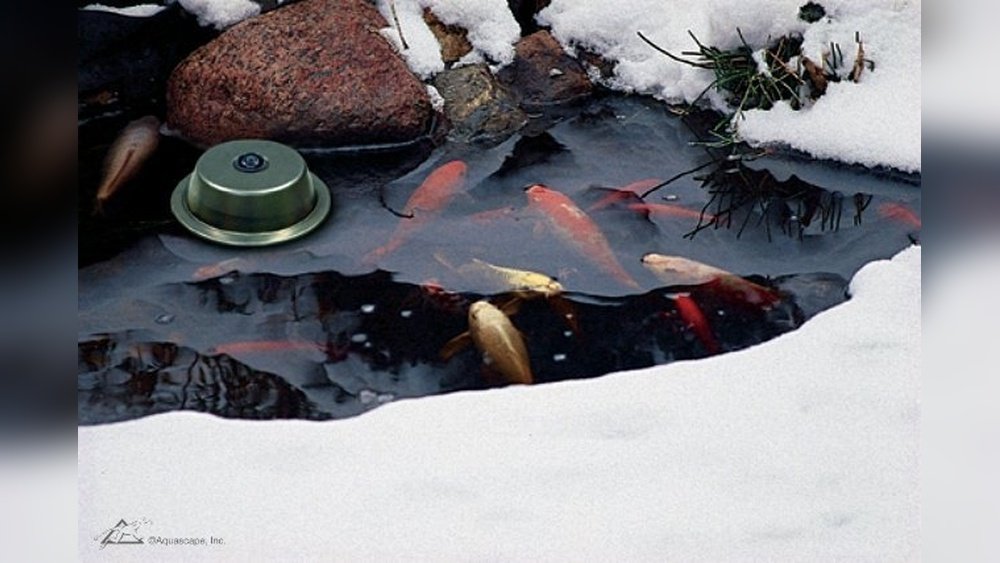
When the cold days of winter arrive, many pond owners worry about their fish. Will the koi, goldfish, or other species survive when ice covers the water? What if the pond freezes solid? These are real fears, especially for beginners. But with the right actions, you can help your pond fish survive and even thrive through winter’s chill. This guide gives you clear, step-by-step advice on how to keep pond fish alive in winter. You’ll learn about pond preparation, water quality, feeding, heating, and all the key tasks that make a difference. Even in the coldest climates, healthy pond fish are possible—with the right care.
Understanding Pond Fish Needs In Winter
When water temperatures drop, pond fish don’t just get cold—they slow down. Their metabolism drops, meaning they eat less and move less. In fact, many pond fish enter a state called torpor, which is similar to hibernation. This natural process helps them survive harsh conditions, but it also makes them vulnerable to mistakes.
Key needs of pond fish in winter:
- Stable, oxygen-rich water
- A place deep enough to avoid freezing solid
- Protection from toxic gases
- Minimal disturbance
Fish can survive cold, but sudden changes, poor water quality, or lack of oxygen can be deadly. Understanding these needs is the first step to winter success.
Choosing The Right Pond Design For Winter Survival
Not all ponds are equal when it comes to winter. The shape, depth, and construction make a big difference.
Depth Matters
The most important feature is depth. Shallow ponds freeze quickly and offer little protection. Deep ponds give fish a safe zone where water stays above freezing.
| Pond Depth | Freeze Risk | Recommended for Winter? |
|---|---|---|
| Less than 18 inches | High | No |
| 18-24 inches | Medium | Maybe (mild climates) |
| 3 feet or more | Low | Yes (cold climates) |
Pond Shape And Insulation
Long, narrow ponds lose heat faster. Round or oval shapes hold warmth better. Lining your pond with rocks or using pond insulation blankets can help slow heat loss.
Location
Place your pond where it gets winter sun and is sheltered from strong winds. Avoid areas under trees that drop leaves, as these can decay and harm water quality.
Credit: scottaerator.com
Preparing Your Pond For Winter: Step-by-step
Preparation starts before the first frost. Here’s what you need to do:
- Clean the Pond: Remove leaves, dead plants, and debris. Rotting matter releases toxic gases under ice.
- Check the Pump and Filter: Clean or remove filters if they can’t run during winter. Dirty filters clog and reduce water flow.
- Trim Plants: Cut back hardy water plants to just above the water line. Remove tender plants that can’t survive freezing.
- Add Netting (If Needed): If leaves are falling, use a pond net. This makes later cleaning easier.
- Test Water Quality: Check ammonia, nitrite, and pH. Fix any problems now, as cold water is harder to treat.
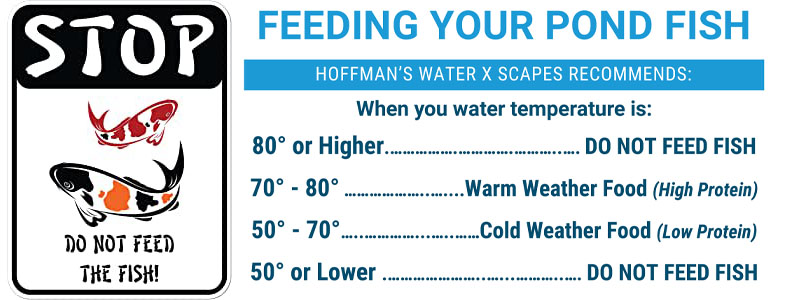
- Stop Feeding at the Right Time: When water falls below 50°F (10°C), stop feeding. Fish can’t digest food well in cold water, and uneaten food pollutes the pond.
Why Cleaning Matters
Decaying organic matter is one of the main killers of pond fish in winter. As bacteria break down leaves or dead fish, they use up oxygen and create toxic gases like hydrogen sulfide. If ice covers the pond, these gases can’t escape, and fish may die—even if the water is cold enough.
Managing Pond Water Quality In Winter
Winter doesn’t mean you can ignore water quality. In fact, it can be even more important now, since problems are harder to fix.
Keep The Water Oxygenated
Pond fish need oxygen, even when they’re not moving much. Oxygen levels drop as water gets colder and when decaying matter builds up.
How To Add Oxygen:
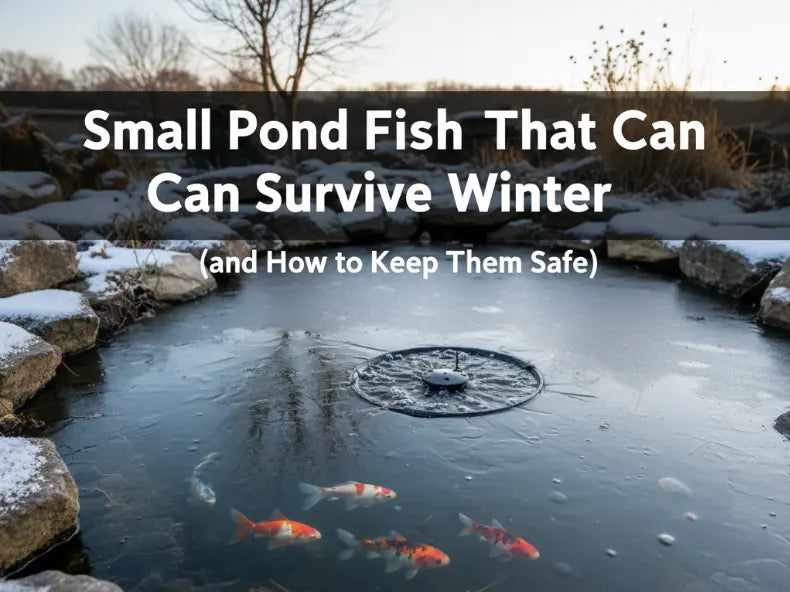
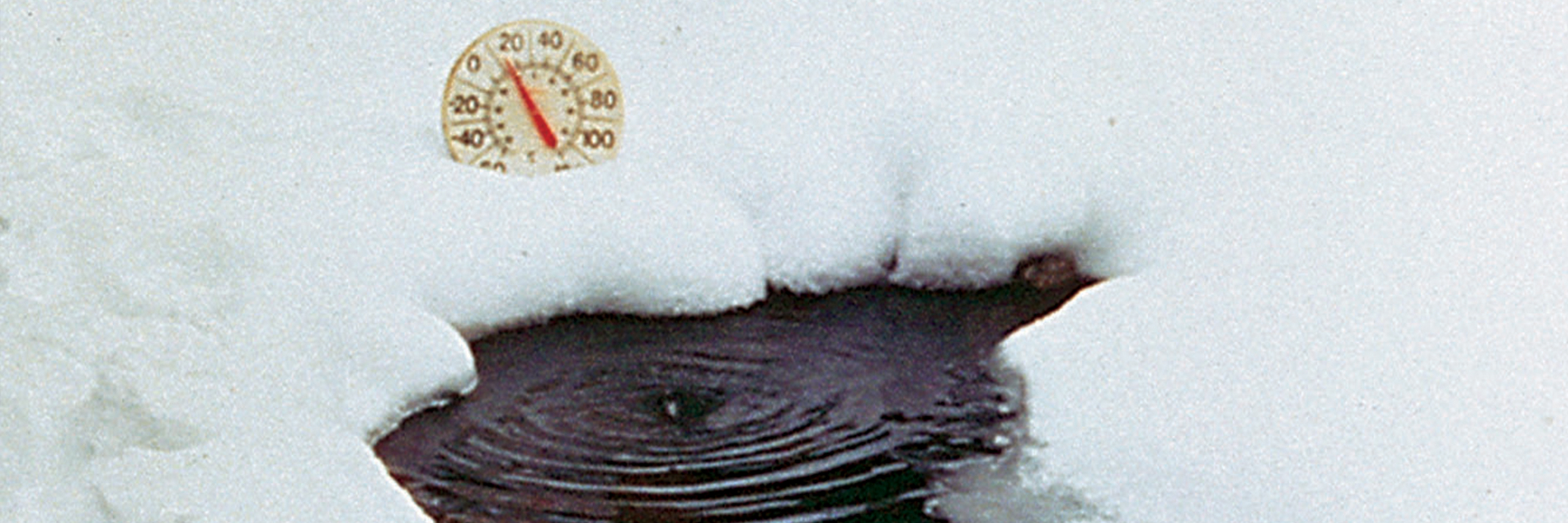
- Keep a small hole in the ice (never break it suddenly—use hot water or a de-icer)
- Use an aerator or air pump designed for ponds
- Run a waterfall or fountain, if practical (but be careful—moving water can chill the pond too much)
Test And Monitor
Check your pond’s water every few weeks, even in winter. Look for:
- Ammonia: Should be at 0 ppm
- Nitrite: Should be at 0 ppm
- PH: Aim for 6.8–8.0
If you spot problems, act quickly. Most issues come from decaying material or overstocking.
Control Ice
A completely frozen surface traps gases and reduces oxygen. But fish don’t need the whole pond ice-free—just a small area for gas exchange. Use a floating de-icer or an air stone to keep a hole open. Never smash the ice; the shock can harm or kill fish.
Feeding Pond Fish Before And During Winter
Feeding is one of the most misunderstood parts of winter care. Many beginners overfeed, thinking it will help fish “bulk up” for the cold. In fact, this can do more harm than good.
When To Stop Feeding
As water temperatures fall:
- Above 60°F (15°C): Normal feeding
- 50–60°F (10–15°C): Switch to wheatgerm-based, easy-to-digest food
- Below 50°F (10°C): Stop feeding entirely
Pond fish cannot digest food well at low temperatures. Uneaten food rots and damages water quality.
What To Feed Before Winter
Choose a high-protein, easy-to-digest pellet in fall. Wheatgerm is a good choice. Feed small amounts, and remove any leftovers after 5 minutes.
Common Feeding Mistakes
- Feeding too late into the season
- Using summer food in cold weather
- Leaving uneaten food in the pond
These mistakes lead to poor water quality and weak, sick fish.
Using Pond Heaters, De-icers, And Aerators
In very cold climates, extra help may be needed to keep the pond from freezing solid.
Pond Heaters And De-icers
A pond de-icer is not the same as a heater. De-icers keep a small hole open in the ice. They do not heat the whole pond. Heaters can raise the water temperature slightly, but most ponds only need a de-icer.
Types Of De-icers:
- Floating: Sits on the surface, keeps a hole open
- Submersible: Sits below the surface, can be more efficient
Choose a model rated for your pond size. Most use 100–1500 watts.
Aerators
An aerator pushes air into the pond, keeping water moving and oxygen-rich. Place the air stone 12–18 inches below the surface—not at the very bottom, or it may chill the deep water where fish rest.
Comparison: De-icer Vs. Aerator
| Device | Main Function | Best For | Energy Use |
|---|---|---|---|
| De-Icer | Keeps ice hole open | Very cold climates | Medium–High |
| Aerator | Adds oxygen, some ice prevention | Milder winters, backup | Low |
Should You Use Both?
In many ponds, using both a de-icer and an aerator gives the best results. The aerator provides oxygen, while the de-icer guarantees a hole in the ice.
The Role Of Pond Covers And Insulation
Some pond owners use pond covers or insulation to keep water warmer and reduce ice buildup.
Types Of Covers
- Framed covers: Built with PVC or wood, covered by clear plastic or polycarbonate panels.
- Floating covers: Large sheets of bubble wrap or foam that float on the water.
Covers let sunlight in but trap heat. They can also keep out debris.
Insulation
Adding straw bales, foam boards, or insulation blankets around the pond edge helps reduce heat loss. Insulation is especially useful for small or above-ground ponds.
Benefits And Drawbacks
Benefits:
- Warmer water
- Less ice
- Lower energy bills (for heaters)
Drawbacks:
- Can look unattractive
- May block access for wildlife
- Need to allow gas exchange
Monitoring And Observing Fish In Winter
Even when fish are mostly dormant, you should check them regularly.
What To Look For
- Fish resting near the bottom, barely moving (normal)
- Fish gasping at the surface (danger: Low oxygen)
- Signs of disease—red spots, white patches, odd swimming
If you see problems, check water quality first. Most winter fish deaths are due to poor water, not cold.
Don’t Disturb Fish Unnecessarily
Avoid poking the ice, stirring the water, or chasing fish. Sudden changes can shock or kill them. Move slowly, and only intervene when needed.
Dealing With Ice And Extreme Cold
In some regions, ponds can freeze solid for weeks. Here’s how to handle extreme cold:
Preventing A Frozen Pond
- Ensure the pond is at least 3 feet deep.
- Use a de-icer and/or aerator.
- Add insulation or a cover for extra protection.
What To Do If The Pond Freezes Over
If the ice is solid, don’t break it with force. The shock waves can harm fish. Instead, set a pot of hot water on the ice to melt a hole. Install a de-icer as soon as possible.
Emergency Situations
If fish are gasping or if you see dead fish under the ice, act quickly:
- Melt a hole for gas exchange.
- Test water for toxins.
- Remove dead fish and debris once safe.
Common Mistakes And How To Avoid Them
Many winter fish deaths are avoidable. Here are common mistakes and how to prevent them:
- Pond too shallow: A minimum of 3 feet is best for cold climates.
- Feeding too late: Stop feeding below 50°F (10°C).
- Letting debris build up: Clean pond before winter.
- No ice hole: Use a de-icer or aerator.
- Breaking ice suddenly: Always melt a hole instead.
- Overstocking fish: Too many fish use up oxygen quickly.
- Ignoring water tests: Monitor ammonia, nitrite, and pH even in winter.
- No backup power: Consider a battery backup for aerators in areas with outages.
- Using the wrong equipment: Not all de-icers or aerators are made for ponds.
Learning from others’ mistakes can save your fish and money.
Winter Pond Maintenance Checklist
For quick reference, use this checklist to keep your pond healthy all winter:
- [ ] Remove dead plants and debris
- [ ] Cut back hardy plants
- [ ] Check and clean filters/pumps
- [ ] Stop feeding below 50°F (10°C)
- [ ] Test water quality before freeze
- [ ] Install de-icer or aerator
- [ ] Add insulation or cover (if needed)
- [ ] Check fish and equipment regularly
Comparing Fish Species: Which Survive Winter Best?
Not all pond fish have the same cold tolerance. Here’s a quick comparison:
| Fish Species | Minimum Temperature | Winter Survival (Deep Pond) | Notes |
|---|---|---|---|
| Koi | 35°F (1.6°C) | Excellent | Needs space, low oxygen use in cold |
| Goldfish | 32°F (0°C) | Excellent | Very hardy |
| Shubunkin | 32°F (0°C) | Excellent | Colorful, hardy |
| Orfe | 37°F (3°C) | Good | Needs high oxygen |
| Fancy goldfish (e.g., Fantail) | 40°F (4.5°C) | Poor | Not for outdoor winter |
| Tropical fish | 50°F (10°C) | Very poor | Bring indoors |
Koi, goldfish, and shubunkin are the best choices for year-round outdoor ponds in most regions.
Credit: waterxscapes.com
Dealing With Fish Illness In Winter
Fish can still get sick in winter, though it’s less common than in warmer months. The most common winter problems include:
- Ulcers or sores: Often from poor water quality or injuries
- Fungal infections: Appear as white cottony patches
- Parasites: Less active in cold, but some survive
What To Do If Fish Get Sick
- Check water quality first.
- Isolate sick fish if possible (using a quarantine tank indoors).
- Seek advice from a pond expert or veterinarian.
- Avoid adding chemicals directly to a frozen pond.
Fish are less likely to recover in cold water, so prevention is key.
Should You Move Pond Fish Indoors For Winter?
Many people wonder if they should bring their pond fish inside for winter. The answer depends on your climate, pond setup, and fish species.
When To Move Fish Indoors
- If your pond is less than 18 inches deep
- If you have fancy or tropical fish
- If you live in an area with long, hard freezes
Use a large aquarium or tank with a filter and heater. Acclimate fish slowly to prevent shock.
When To Leave Fish Outside
- Deep, properly prepared ponds
- Hardy species like koi and goldfish
- Mild to moderate winters
Most healthy outdoor pond fish are happier left outside if their pond is safe.
Long-term Strategies: Making Your Pond More Winter-proof
If you want less worry each winter, consider upgrading your pond for better cold protection.
Tips For A More Winter-proof Pond
- Dig deeper: Aim for at least 3 feet in one section.
- Improve insulation: Add rocks, earth berms, or commercial blankets around the edge.
- Upgrade equipment: Buy a good-quality de-icer and aerator.
- Add a backup power source: Solar or battery options are available.
- Choose hardy fish: Stick with koi, goldfish, or shubunkin.
Small investments in pond design and equipment make winter care easier every year.
Non-obvious Insights For Winter Pond Success
Some winter pond care tips don’t get much attention, but can make a big difference:
- Don’t run strong waterfalls all winter: They can super-cool the pond by mixing cold air into the water. Run them only if needed for oxygen, and consider switching to a small aerator instead.
- Avoid salt unless needed: Some sources recommend adding salt for stress, but it can harm plants and build up over time. Only use salt if treating a specific illness, and always measure the dose.
- Water changes in winter: If you must change water, do it slowly and use water close to pond temperature. Sudden temperature changes can shock fish.
These details are easy to miss, but they can save your fish and reduce stress.
Credit: waterxscapes.com
Frequently Asked Questions
How Deep Should A Pond Be To Keep Fish Alive In Winter?
A pond should have at least 3 feet of depth in cold climates. This gives fish a safe area that won’t freeze solid and helps keep water temperature stable. In milder regions, 18–24 inches may be enough, but deeper is always safer for overwintering fish.
Can I Feed Pond Fish During Winter?
No, you should stop feeding pond fish when water drops below 50°F (10°C). Fish cannot digest food properly in cold water, and uneaten food will pollute the pond. Resume feeding only when temperatures rise consistently in spring.
What’s The Best Way To Keep A Hole In The Ice?
The safest method is to use a pond de-icer or a floating heater. You can also use an aerator to keep water moving and prevent ice. Never break the ice with force, as the shock can injure or kill fish. If needed, melt a hole using a pot of hot water.
Do I Need To Bring Koi Or Goldfish Indoors For Winter?
Not if your pond is deep enough (at least 3 feet) and you have hardy species like koi or goldfish. In very cold climates or shallow ponds, it may be safer to bring fish indoors. Fancy goldfish and tropical fish should always be brought inside before freezing weather.
How Can I Improve My Pond’s Oxygen Levels In Winter?
Install an aerator or air pump designed for ponds. Place the air stone about 12–18 inches below the surface. A de-icer can also help by keeping a hole open for gas exchange. Avoid overstocking fish and keep the pond clean to maintain high oxygen levels.
Winter can be a stressful time for pond owners, but with the right actions, your fish can survive and even thrive until spring. Careful planning, regular checks, and the right equipment are your best tools. For more detailed advice and product guides, the WikiHow Pond Care Guide is a helpful resource.
Taking the time to understand your pond’s unique needs will reward you with healthy, beautiful fish year after year—even during the coldest months. Enjoy the peace of mind that comes from knowing your pond is truly winter-ready.