
If you want your St Augustine grass to look lush, green, and healthy, learning how to fertilize it correctly is essential. Many homeowners struggle to keep their lawns thick and vibrant, especially during hot summers or rainy springs. Sometimes, the grass turns yellow, grows slowly, or gets invaded by weeds. Most of these problems have one root cause: improper fertilization. In this guide, you’ll find clear steps, practical advice, and non-obvious tips to help your St Augustine grass thrive.
You’ll learn which fertilizers work best, how often to apply them, and why timing matters. You’ll discover how to avoid common mistakes, save money, and make your lawn a showpiece in your neighborhood. Even if you’re a beginner, this article will give you the confidence to care for your St Augustine grass like a pro.
Understanding St Augustine Grass
St Augustine grass is popular in southern US states like Florida, Texas, and Louisiana. It grows well in warm climates, tolerates salt, and handles some shade. Its thick blades create a soft carpet, perfect for walking barefoot or playing outside.
But St Augustine grass needs special care. It’s not as tough as Bermuda or Zoysia. It requires consistent nutrients, especially nitrogen, to stay green and strong. If you neglect fertilizing, the grass can turn pale, thin out, or attract pests.
Knowing the basics of this grass helps you make better choices for fertilizing.
Growth Patterns
St Augustine grass grows most actively from late spring to early fall. During cooler months, it slows down and may turn brown. Fertilizing at the wrong time can waste nutrients or damage the lawn.
Nutrient Needs
The main nutrients are nitrogen, phosphorus, and potassium. Nitrogen helps the grass grow and stay green. Phosphorus supports roots. Potassium boosts disease resistance and water efficiency. St Augustine grass needs more nitrogen than other grasses, but too much can cause rapid growth and weaken roots.
Soil Preferences
This grass prefers slightly acidic soil (pH 5.5–6.5). If your soil is too alkaline, nutrients may not absorb well. It’s smart to test your soil before fertilizing. Home test kits are cheap and easy to use. Adjusting pH before fertilizing ensures you don’t waste money or effort.
Choosing The Right Fertilizer
There are many fertilizers on the market, but not all are suitable for St Augustine grass. Picking the right one is the first step to a healthy lawn.
Types Of Fertilizer
You’ll see two main types:
- Granular fertilizer: Comes in small pellets. Easy to spread with a lawn spreader. It releases nutrients slowly, making it ideal for beginners.
- Liquid fertilizer: Mixed with water and sprayed over the grass. Works fast, but can burn the lawn if used incorrectly.
Balanced Fertilizer Ratios
Most St Augustine lawns do best with a ratio of 16-4-8 or 15-0-15. These numbers show the percentage of nitrogen, phosphorus, and potassium. Avoid high-phosphorus fertilizers unless your soil test shows a deficiency.
Organic Vs. Synthetic
Organic fertilizers use natural materials like compost, manure, or bone meal. They feed soil microbes and improve soil health over time. Synthetic fertilizers work quickly and are easy to control, but can harm soil if used too often.
| Fertilizer Type | Pros | Cons |
|---|---|---|
| Granular | Easy to apply, slow release | May require watering in |
| Liquid | Fast-acting, covers evenly | Needs careful mixing, risk of burn |
| Organic | Improves soil, safer for environment | Slower results, costlier |
| Synthetic | Quick green-up, precise ratios | Can cause run-off, harms microbes |
Reading Fertilizer Labels
Always check the bag for the N-P-K ratio and extra ingredients. Some products include iron for deeper green color. Others have micronutrients like magnesium or sulfur, which are helpful if your soil test shows a shortage.

Credit: www.youtube.com
When To Fertilize St Augustine Grass
Timing is crucial. Fertilizing at the wrong moment can waste money or damage your lawn. Here’s how to get it right:
Seasonal Guide
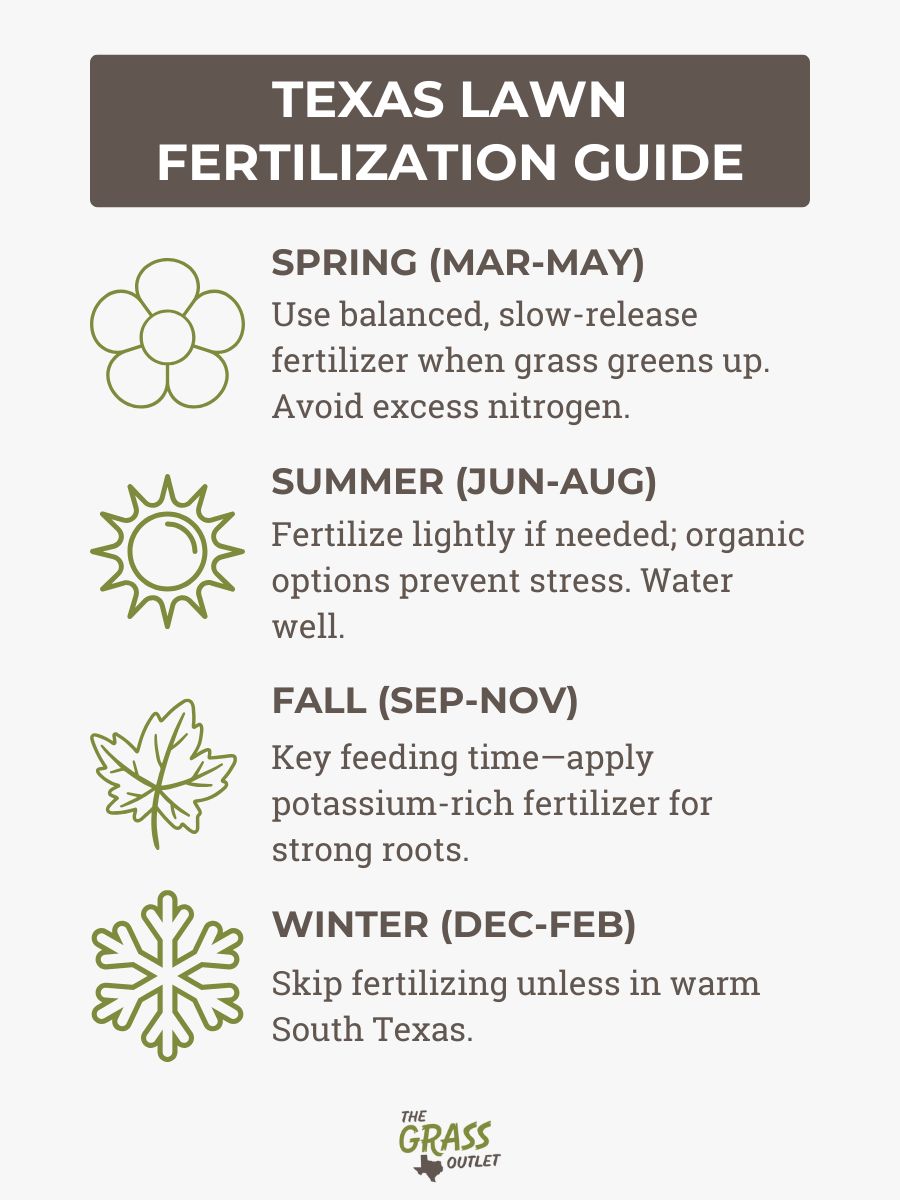
- Spring: The first application should be after the grass turns green and starts growing. This is usually mid to late spring (April-May).
- Summer: Apply fertilizer every 6–8 weeks while the grass is actively growing.
- Fall: One last application in early fall helps roots prepare for winter. Avoid fertilizing after October, or when the grass slows down.
Avoid Winter Fertilization
Never fertilize St Augustine grass during winter. The grass is dormant, so nutrients won’t be absorbed. Fertilizing now can cause runoff, pollute water, and waste your money.
Rain And Weather
Do not fertilize right before heavy rain. Nutrients can wash away, leaving your lawn hungry. Light rain after fertilizing helps nutrients soak in.
How To Apply Fertilizer
Applying fertilizer the right way is just as important as choosing it. Follow these steps for best results.
Step-by-step Instructions
- Mow the lawn: Cut St Augustine grass to about 2.5–4 inches. Shorter mowing helps fertilizer reach the soil, but don’t scalp the lawn.
- Water lightly: A moist lawn absorbs fertilizer better. Water the day before if the soil is dry.
- Measure your yard: Know the square footage to avoid over- or under-fertilizing. Most bags give coverage rates.
- Set your spreader: Use a broadcast or drop spreader for granular fertilizer. Adjust the setting according to the fertilizer bag.
- Apply fertilizer evenly: Walk at a steady pace, overlapping slightly for even coverage. For liquid, use a hose-end sprayer and follow label instructions.
- Water again: After applying, water lightly to wash granules into the soil. For liquid, avoid watering for a few hours to let nutrients absorb.
Practical Tips
- Wear gloves and wash hands after handling fertilizer.
- Keep pets and kids off the lawn for 24 hours.
- Sweep granules off sidewalks and driveways to prevent staining or runoff.
Example Coverage Calculation
If your lawn is 2,000 square feet and the bag covers 5,000 square feet, use about 40% of the bag. Over-fertilizing can burn the grass; under-fertilizing leaves it pale.
| Lawn Size (sq ft) | Bag Coverage (sq ft) | Bag Used (%) |
|---|---|---|
| 1,000 | 5,000 | 20% |
| 2,000 | 5,000 | 40% |
| 4,000 | 5,000 | 80% |
Common Fertilization Mistakes To Avoid
Even experienced gardeners make mistakes. Here are some of the most frequent errors and how to avoid them.
Over-fertilizing
Applying too much fertilizer can burn the grass, causing yellow patches and weak roots. Always follow bag instructions. If in doubt, use less rather than more.
Wrong Timing
Fertilizing when the grass is dormant wastes nutrients and can lead to runoff. Wait until St Augustine grass is actively growing.
Ignoring Soil Ph
If your soil is too alkaline or too acidic, nutrients won’t absorb well. Test your soil every year. Adjust pH with lime (to raise) or sulfur (to lower).
Using High-phosphorus Fertilizer
St Augustine grass rarely needs extra phosphorus. High-phosphorus fertilizers can cause algae in lakes and rivers if runoff occurs.
Skipping Watering
Fertilizer needs water to activate. Dry soil prevents nutrients from reaching the roots. Always water before and after fertilizing.
Not Cleaning Up
Leaving fertilizer on concrete can stain and damage surfaces. Sweep up granules right after application.
Advanced Tips For Fertilizing St Augustine Grass
Once you know the basics, you can improve your lawn even more with some advanced techniques. These tips are often missed by beginners and can make a big difference.
Split Applications
Instead of one large application, try split applications. Divide your fertilizer into two smaller doses, applied two weeks apart. This reduces risk of burning and keeps growth steady.
Use Slow-release Fertilizers
Slow-release products feed the lawn over time. They prevent sudden growth spurts and reduce the risk of nutrient leaching. Look for products labeled “slow-release” or “controlled-release. “
Include Micronutrients
Iron, magnesium, and sulfur can help St Augustine grass stay green and healthy, especially in sandy soils. If your lawn looks yellow even after fertilizing, try a product with added iron.
Foliar Feeding
Foliar sprays apply nutrients directly to the grass blades. These work fast and are useful if you see yellowing. Combine foliar feeding with regular soil fertilization for best results.
Address Bare Spots
If your lawn has thin or bare areas, add extra fertilizer in those spots. After fertilizing, overseed with St Augustine plugs or sod for quicker recovery.
Adjust For Shade
St Augustine grass in shade needs less fertilizer than areas in full sun. Too much nitrogen in shade can cause disease. Reduce application rates by 20–30% in shady spots.
Watch For Disease
Fertilizing can trigger diseases like brown patch if the lawn is stressed. Avoid fertilizing during hot, humid weather. If you see yellow or brown circles, stop fertilizing and treat the disease first.
Credit: usasod.com
Comparing Popular Fertilizer Brands
Many brands claim to be the best for St Augustine grass. Here’s a simple comparison to help you choose:
| Brand | N-P-K Ratio | Release Type | Special Ingredients |
|---|---|---|---|
| Scotts Turf Builder | 16-4-8 | Slow-Release | Iron, Sulfur |
| Pennington | 15-0-15 | Granular | Micronutrients |
| Milorganite | 6-4-0 | Organic | Iron |
| Lesco | 24-2-11 | Granular | None |
Choose a brand based on your lawn’s needs. For fast green-up, pick slow-release products with added iron. For soil improvement, consider organic brands.
Environmental Impact And Safe Practices
Fertilizer can help your lawn, but it also affects the environment. Using the right amount protects water sources and wildlife.
Preventing Runoff
Never fertilize before heavy rain. Nutrients can wash into rivers and lakes, causing algae blooms. Apply fertilizer when the weather is dry, then water lightly.
Storage And Disposal
Store fertilizer in a dry, cool place. Seal bags to prevent spills. Never dump leftover fertilizer into drains or streams.
Protecting Pollinators
Some fertilizers have pesticides or herbicides. These can harm bees and other pollinators. Use pure fertilizers when possible.
Safe For Pets And Children
Keep pets and kids off the lawn for at least 24 hours after fertilizing. If you use organic fertilizers, this waiting time can be shorter.
Soil Testing: The Secret Weapon
Many people skip soil testing, but it’s one of the most powerful tools for lawn care. Testing tells you exactly what your soil needs and prevents waste.
How To Test Soil
Buy a simple soil test kit at your local garden store. Follow the instructions, collect soil from several spots, and send it to the lab. You’ll get a report showing pH and nutrient levels.
Adjusting Fertilization Based On Results
If your soil lacks nitrogen, use a higher-nitrogen fertilizer. If phosphorus is high, avoid it. If pH is off, adjust before fertilizing.
Example Lab Results
A typical report might show:
- PH: 6.0 (ideal)
- Nitrogen: Low
- Phosphorus: Medium
- Potassium: High
In this case, use a fertilizer with more nitrogen and less potassium.
Watering After Fertilizing
Water helps fertilizer dissolve and reach the roots. But too much or too little water can cause problems.
How Much To Water
After fertilizing, water the lawn with about ½ inch of water. This is enough to dissolve granules but not flood the lawn.
Timing
Water in the morning or late afternoon. Avoid watering at night, as damp lawns can attract disease.
Signs Of Overwatering
If you see puddles or runoff, you’ve watered too much. Reduce watering next time.
Dealing With Fertilizer Burn
If you see yellow or brown patches after fertilizing, your lawn may have fertilizer burn. Here’s how to fix it:
Immediate Actions
- Water the affected area heavily to dilute the fertilizer.
- Avoid fertilizing again until the grass recovers.
- If the damage is severe, rake out dead grass and overseed.
Prevention
Always follow instructions and avoid applying fertilizer to dry soil.
Iron Supplements For St Augustine Grass
Sometimes, St Augustine grass looks pale even after fertilizing. This is often a sign of iron deficiency.
Symptoms
- Light green or yellow leaves
- Green veins but yellow tissue
How To Fix
Apply an iron supplement, either granular or liquid. Products like Ironite can help. Water after applying to prevent stains.
Frequency
Apply iron every 2–3 months if your soil test shows a shortage. Too much iron can stain sidewalks or harm plants.
Credit: thegrassoutlet.com
Fertilizing Newly Planted St Augustine Sod Or Plugs
If you’ve just installed new sod or plugs, fertilizing is a bit different.
Timing
Wait 2–4 weeks before fertilizing new sod. The roots need time to settle.
Fertilizer Type
Use a starter fertilizer with low nitrogen and higher phosphorus. This helps roots grow strong.
Care
Water daily for the first week, then reduce watering as roots develop.
Saving Money On Lawn Fertilization
Fertilizing doesn’t have to be expensive. Here are ways to cut costs without hurting your lawn:
- Buy in bulk: Larger bags often cost less per pound.
- Use slow-release: Fewer applications are needed, saving money and effort.
- Test soil first: Prevents buying unnecessary products.
- Spot treat: Only fertilize areas that need it, rather than the whole lawn.
Practical Examples: Real-life Results
Let’s look at two real-life examples:
Example 1: Poor Results From Over-fertilizing
A homeowner in Houston fertilized every month with high-nitrogen fertilizer. The grass grew fast but became thin and yellow. After switching to slow-release and reducing frequency, the lawn improved in 6 weeks.
Example 2: Using Soil Test For Improvement
A family in Tampa tested their soil and found low iron. They used a fertilizer with added iron and saw the lawn turn deep green in 2 weeks.
The Role Of Mulching
Mulching grass clippings returns nutrients to the soil. Use a mulching mower and leave clippings on the lawn after mowing. This reduces fertilizer needs by up to 25%.
Frequently Asked Questions
How Often Should I Fertilize St Augustine Grass?
Most lawns need fertilizing every 6–8 weeks during the growing season. In very sandy soil, you may need to fertilize more often. Always follow product instructions and adjust based on soil tests.
What Is The Best Fertilizer Ratio For St Augustine Grass?
A ratio of 16-4-8 or 15-0-15 is best for most lawns. These provide plenty of nitrogen and potassium, with little or no phosphorus unless your soil needs it.
Can I Use Organic Fertilizer For St Augustine Grass?
Yes, organic fertilizers are safe and good for soil health. They work slower than synthetic ones, but improve soil over time. Products like Milorganite or composted manure are popular choices.
Is It Safe To Fertilize Before Rain?
Light rain is good after fertilizing, but heavy rain can wash nutrients away. Check the forecast and avoid fertilizing before storms.
How Can I Fix Fertilizer Burn?
If you see yellow or brown patches after fertilizing, water the area heavily to dilute the fertilizer. Avoid fertilizing again until the grass recovers. If damage is severe, overseed or replant.
If you want more details on lawn fertilization and safe practices, visit this University of Florida Extension guide.
Caring for St Augustine grass takes patience, attention, and the right knowledge. With these tips, your lawn will be greener, healthier, and easier to maintain. Remember to test your soil, choose the right fertilizer, follow the timing, and avoid common mistakes.
Your grass will reward you with beauty and strength for years to come.