
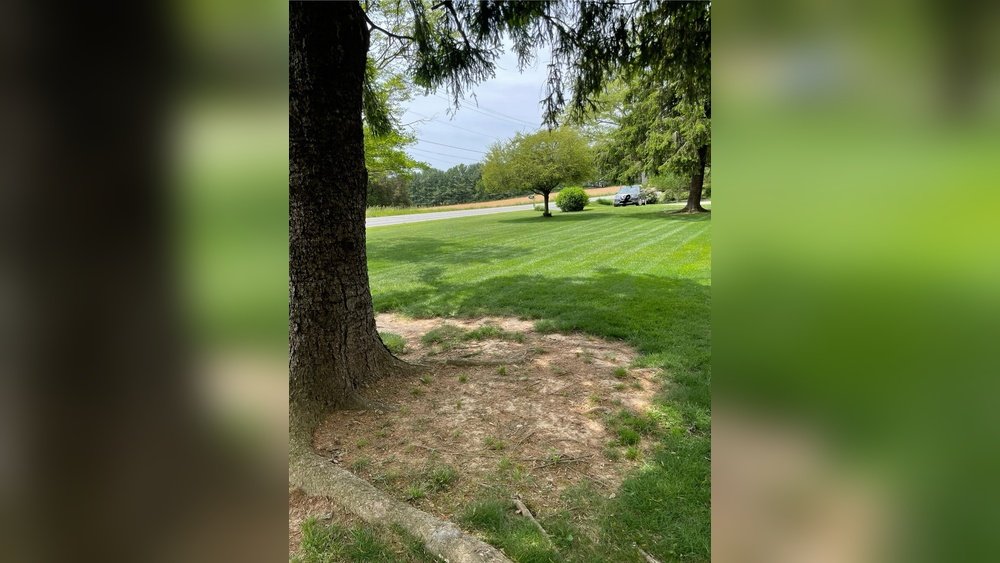
If you have pine trees in your yard, you know they bring beauty and shade. But there’s a hidden challenge under those trees: weeds. Pine trees drop needles that create a tough, acidic environment. Yet, weeds are stubborn and often find a way to break through. Getting rid of weeds under pine trees takes some smart thinking and the right approach. It isn’t as simple as pulling them out. In fact, the wrong method can harm the tree or make the problem worse.
This guide will show you how to stop weeds under pine trees using proven tips and practical steps. Whether you’re dealing with a small patch or a large area, you’ll learn which techniques work best, why some weeds keep coming back, and how to keep the ground weed-free in the long run.
You’ll also find useful comparisons, real examples, and answers to common questions. Let’s get started on making the space under your pine trees clean, healthy, and beautiful—without endless weeding.
Why Weeds Thrive Under Pine Trees
Many people think pine needles make the soil so acidic that nothing can grow. That’s a myth. While pine needles do add some acid to the soil, it’s not enough to stop all weeds. Some weeds, like dandelions and plantains, actually prefer slightly acidic soil. Pine trees also create shady, moist areas where many weeds thrive.
Another reason weeds grow well is because pine trees, over time, thin out their own lower branches. This lets more sunlight reach the ground, which encourages weeds to sprout. And when the tree’s roots compete for nutrients, weeds find any open space to take advantage.
Key Challenges: Why Weeds Are Hard To Remove
Tackling weeds under pine trees isn’t like weeding a vegetable garden. Here’s why:
- Dense root systems: Pine tree roots often spread close to the surface. Digging or pulling weeds can damage these roots.
- Limited sunlight: Some weed control methods (like grass) won’t work in shade.
- Needle drop: Pine needles form a thick mat, making it hard to see and reach weeds.
- Acidic and dry conditions: Many popular ground covers won’t grow well here, but some weeds adapt.
Understanding these challenges helps you avoid mistakes. For example, using deep cultivation or strong chemical weed killers can easily hurt your pine tree.
Manual Weed Removal: Best Practices
If you want quick results, pulling weeds by hand is still the most direct method. But you need to do it carefully under pine trees.
How To Pull Weeds Safely
- Soften the soil: After a rain or light watering, the soil is softer. This makes it easier to pull weeds without breaking their roots.
- Use the right tools: A hand weeder or a narrow trowel works best. Avoid digging deep, which can harm pine tree roots.
- Remove the whole root: Many weeds, like dandelions, regrow if you leave any root behind. Twist gently and pull slowly.
- Dispose of weeds properly: Don’t leave pulled weeds on the ground. They can re-root or drop seeds.
When Manual Removal Works Best
Manual removal is best for small patches or when you spot weeds early. If weeds have already gone to seed, be extra careful—shaking them can spread new seeds.
Pro tip: Wear gloves. Pine needles can be sharp, and some weeds irritate skin.
Using Mulch: Your Secret Weapon
One of the most effective ways to stop weeds under pine trees is using mulch. Mulch blocks sunlight, making it hard for weeds to grow. It also helps the soil stay moist and cool.
Best Mulch Types For Pine Trees
Not all mulch is equal. Here’s a comparison of common mulch types for use under pines:
| Mulch Type | Weed Suppression | Soil Health | Cost | Best For |
|---|---|---|---|---|
| Pine Needles | Good | Improves acidity | Low (often free) | Acid-loving plants, natural look |
| Wood Chips | Very Good | Retains moisture | Medium | Long-term cover |
| Bark Mulch | Excellent | Slow to break down | Higher | Decorative finish |
| Compost | Fair | High nutrients | Medium | Fertile soils |
| Gravel | Good | None | High | Permanent, low-maintenance |
How To Apply Mulch Under Pine Trees
- Clear existing weeds: Mulch works best on weed-free ground.
- Lay a thick layer: 2-4 inches is ideal. Too thin and weeds push through; too thick can suffocate tree roots.
- Keep away from trunk: Leave a 6-inch gap around the tree trunk. Mulch piled against the trunk can cause rot.
- Top up as needed: Pine needles break down slowly, but other mulches may need topping up each year.
Mistakes To Avoid
- Don’t use plastic sheeting under mulch. It blocks air and water, harming tree roots.
- Avoid colored mulches with chemicals—they can affect soil health.
Non-obvious tip: Over time, you can mix fallen pine needles with other mulch types for better weed control and a more natural look.
Ground Covers: Living Weed Barriers
Instead of fighting weeds, you can crowd them out with ground cover plants. These are low-growing plants that spread and form a dense mat. They compete with weeds for light, water, and nutrients.
Top Ground Covers For Under Pine Trees
The key is picking plants that tolerate shade and acidic soil. Here are some good choices:
- Pachysandra: Grows well in deep shade, forms thick mats.
- Vinca minor (Periwinkle): Evergreen, spreads quickly, purple-blue flowers.
- Sweet woodruff: Delicate white flowers, prefers moist shade.
- Ajuga (Bugleweed): Colorful foliage and flowers, low maintenance.
- Wild ginger: Native, attractive heart-shaped leaves.
Comparison: Ground Covers Vs. Mulch
| Feature | Ground Covers | Mulch |
|---|---|---|
| Longevity | Permanent (if established) | Needs topping up yearly |
| Weed Suppression | High (once dense) | High (if thick enough) |
| Soil Improvement | Moderate | High (organic mulches) |
| Maintenance | Low after establishment | Medium |
| Cost | Higher to start | Varies |
Planting Tips
- Plant ground covers in early spring or fall.
- Water well until established, especially under mature pines.
- Space plants close for faster coverage—about 6-12 inches apart.
- Remove weeds regularly during the first year.
Hidden insight: Some ground covers attract beneficial insects and help improve soil over time, creating a healthier environment for your pine tree.
Pre-emergent Herbicides: Stop Weeds Before They Grow
For those who want a chemical option, pre-emergent herbicides can help prevent weed seeds from sprouting. These are not the same as weed killers you spray on growing weeds. Instead, they create a barrier that stops seeds from growing roots.
How To Use Pre-emergent Herbicides Safely
- Choose the right product: Look for herbicides labeled safe for use under trees and around ornamentals.
- Apply at the right time: Early spring, before weed seeds germinate, is best. In warm regions, a second application in late summer may help.
- Water in: Most products need to be watered after application to activate them.
- Avoid disturbing the soil: Digging after application breaks the barrier and lets weeds through.
Limitations And Warnings
- Pre-emergent herbicides do not kill existing weeds.
- They may harm new ground covers or flower seeds. Apply only where you won’t be planting soon.
- Follow all label directions closely to protect your pine tree.
Little-known fact: Some pre-emergent herbicides control only certain types of weeds (like grasses, not broadleaf). Check the label for coverage.
Credit: www.reddit.com
Post-emergent Herbicides: Cautious, Targeted Use
Sometimes, weeds become overwhelming and manual removal isn’t enough. Post-emergent herbicides kill weeds that are already growing. But they need careful use under pine trees.
Spot-treat Weeds
- Use a small paintbrush or sponge to dab herbicide directly onto weed leaves. This avoids spraying near tree roots or ground covers.
- Choose products labeled safe for use near trees. Avoid strong, non-selective products like glyphosate unless you are extremely careful.
Risks
- Drift from spraying can damage pine needles or ground covers.
- Repeated use may change soil health or harm beneficial insects.
Pro tip: Always wear gloves and eye protection when using herbicides. Never apply on windy days.
Landscape Fabric: Does It Work?
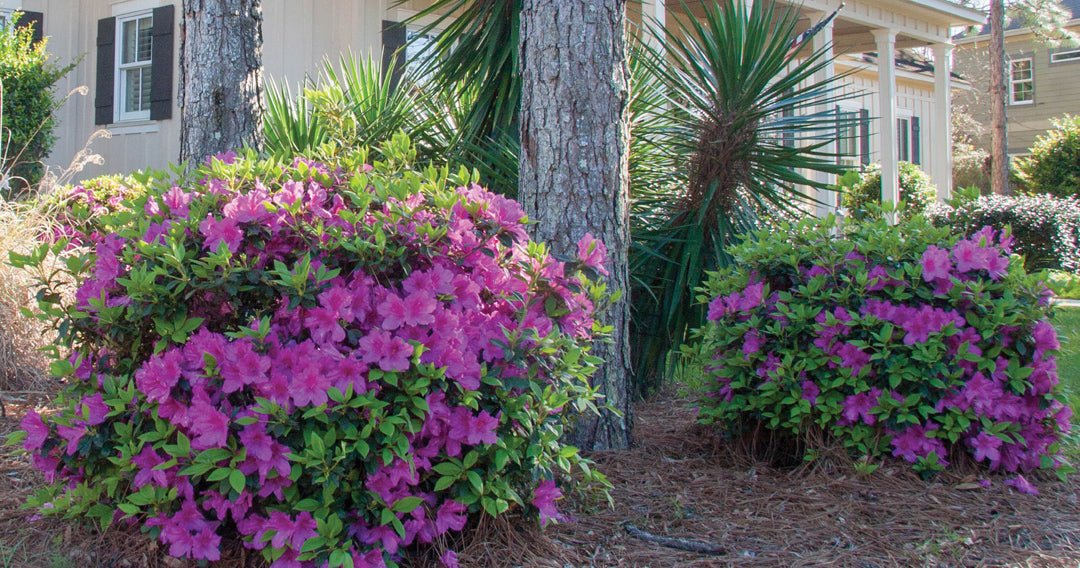
Some gardeners use landscape fabric (weed barrier cloth) under mulch to block weeds. It can be effective, but it’s not always the best solution under pine trees.
Pros
- Blocks most weeds.
- Allows water and air through.
Cons
- Pine tree roots often grow into or above the fabric, making removal hard.
- Over time, fallen needles and soil build up on top, letting weeds grow anyway.
- Hard to plant new ground covers later.
If you use fabric, cut generous holes for the tree trunk and any existing plants. Check yearly for roots growing on top of the cloth.
Non-obvious downside: Insects and earthworms that keep soil healthy may avoid areas covered with synthetic fabric.
Credit: encoreazalea.com
Smart Watering And Fertilizing: Favor The Tree, Not The Weeds
Many weeds thrive when lawns are overwatered or fertilized. Pine trees, on the other hand, are adapted to dry, low-nutrient soils.
Watering Tips
- Water only as needed during long dry spells.
- Use drip irrigation or a soaker hose to avoid splashing weed seeds around.
- Avoid watering the area under pines if possible—most mature trees don’t need extra water.
Fertilizer Guidance
- Avoid high-nitrogen fertilizers under pine trees. They help weeds more than trees.
- Use slow-release, low-nitrogen fertilizers if your tree shows signs of stress (yellowing needles, poor growth).
Insider tip: Lightly raking fallen pine needles each spring keeps soil loose for the tree, but disturbs weed seedlings before they get big.
Maintaining A Healthy Pine Tree: Outcompete The Weeds
A strong, healthy pine tree naturally shades out and crowds weeds. Here’s how to give your tree the advantage:
- Don’t prune lower branches too much: They help keep the ground shaded.
- Add organic mulch or ground covers: They help keep the soil healthy.
- Check for pests and diseases: Sick trees let in more sunlight, inviting weeds.
Natural Weed Control Alternatives
If you prefer not to use chemicals, there are some natural options:
- Boiling water: Kills weeds on contact. Pour carefully to avoid roots.
- Vinegar: A 10-20% acetic acid solution burns weeds, but may damage nearby plants.
- Corn gluten meal: Acts as a pre-emergent and mild fertilizer (but results are mixed).
Natural methods are best for spot-treating small areas, not large patches. Always test on a small spot first.
Timing: When To Take Action
The most effective weed control combines several methods, used at the right time:
- Early spring: Remove old weeds, apply mulch, or plant ground covers.
- Late spring/early summer: Apply pre-emergent herbicide if using.
- After heavy rain: Pull new weeds while the soil is soft.
- Late fall: Add fresh mulch before winter.
Little-known insight: Even if you miss the main spring window, adding mulch or ground covers anytime will help. It’s never “too late” to start improving weed control.
Real-life Example: Transforming A Weedy Pine Area
Consider a homeowner with a mature white pine and a patch of dandelions and clover underneath. They tried mowing and pulling, but weeds kept returning. Here’s how they found success:
- In early spring, they carefully pulled all visible weeds after a rain.
- They raked away old needles, then added 3 inches of wood chip mulch, leaving space around the trunk.
- They planted a border of sweet woodruff and vinca minor as ground covers for the shadier edge.
- In late spring, they spot-treated a few stubborn weeds with a dab of vinegar.
- Each year, they topped up the mulch and trimmed ground covers to keep them tidy.
Two years later, the area stayed almost weed-free, and the tree looked healthier than ever.
Cost Comparison: Weed Control Methods
Here’s a rough estimate of costs for a 100-square-foot area under pine trees:
| Method | Material Cost | Labor/Time | Long-Term Value |
|---|---|---|---|
| Manual Removal | $0 (if DIY) | High | Short-term |
| Mulch (wood chips) | $40-$70 | Medium | 1-2 years |
| Ground Covers | $100-$200 | Medium (planting) | Permanent |
| Pre-Emergent Herbicide | $15-$30 | Low | 6 months |
| Landscape Fabric | $35-$60 | Medium | 3-5 years |
Note: Costs vary by location and product quality. Mulch and ground covers have the highest upfront cost but offer the best long-term results.
Common Mistakes And How To Avoid Them
Even experienced gardeners make mistakes under pine trees. Here are a few to watch for:
- Using too little mulch: Thin layers let weeds through.
- Piling mulch against the trunk: Can rot the tree base.
- Overwatering: Encourages weeds and harms pines.
- Ignoring small weeds: They spread quickly if not controlled early.
- Using harsh chemicals: Can harm the tree and soil life.
Always check the area each season and adjust your strategy as needed.
Combining Methods For Best Results
No single method works perfectly by itself. The best results come from combining several approaches:
- Start by pulling existing weeds.
- Apply a thick layer of natural mulch.
- Plant shade-loving ground covers for long-term coverage.
- Use pre-emergent herbicides if needed, but only as a supplement.
- Maintain healthy tree care and avoid practices that invite weeds.
This integrated approach saves time and effort over the years.

Credit: www.reddit.com
When To Call A Professional
Sometimes, the problem is too big to handle alone—especially if weeds have taken over a large area or if you’re unsure about using herbicides safely. A professional landscaper or certified arborist can recommend the best plan for your specific situation, and may even save you money by avoiding costly mistakes.
Extra Tips For Lasting Weed Control
- Check regularly: A quick walk under your pines each month lets you spot and remove new weeds before they spread.
- Encourage helpful wildlife: Birds and insects can eat weed seeds and keep the soil healthy.
- Don’t let weeds go to seed: Remove flower heads before they drop seeds.
- Rotate mulch types: Mixing pine needles with wood chips or bark creates a better barrier and looks more natural.
Non-obvious tip: If you have a lot of pine trees, set up a “mulch cycle”—rake needles from one area each year and spread them under another. This keeps the layer fresh everywhere.
Frequently Asked Questions
What Is The Best Mulch To Use Under Pine Trees For Weed Control?
Pine needles are a great natural mulch, especially for acid-loving plants. However, wood chips or bark mulch offer even better weed suppression and last longer. Always apply 2-4 inches and keep mulch away from the tree trunk.
Can I Plant Grass Under Pine Trees To Stop Weeds?
Most grasses struggle under pine trees due to shade and acidic soil. Some shade-tolerant varieties may survive, but ground covers like vinca minor or sweet woodruff are usually better choices for weed control and appearance.
Are Chemical Weed Killers Safe To Use Under Pine Trees?
Use caution with all herbicides. Pre-emergent herbicides can be safe if labeled for use under trees and applied correctly. Post-emergent herbicides should be spot-applied to weeds only, not sprayed widely. Always follow label directions and avoid products that can harm tree roots.
How Often Should I Reapply Mulch Under My Pine Trees?
Organic mulch like wood chips or bark should be topped up every 1-2 years as it breaks down. Pine needles decompose slowly but may need raking and refreshing each spring to keep the layer thick enough to block weeds.
Will Vinegar Or Boiling Water Damage My Pine Tree If Used On Weeds?
When used carefully and directly on weeds, boiling water and vinegar can be safe. However, avoid splashing these solutions onto pine roots or needles, as they can cause damage. Always test a small area first and use these methods only for spot treatment.
—
Taming the area under pine trees and keeping it weed-free is possible with the right approach. By combining mulch, ground covers, and smart maintenance, you can create a space that looks good and supports your tree’s health. Remember, a little effort each season prevents weeds from taking over and saves you time in the long run. For more in-depth tips on sustainable gardening, visit the Arbor Day Foundation. With patience and the right techniques, your pine trees will have a clean, thriving base for years to come.