
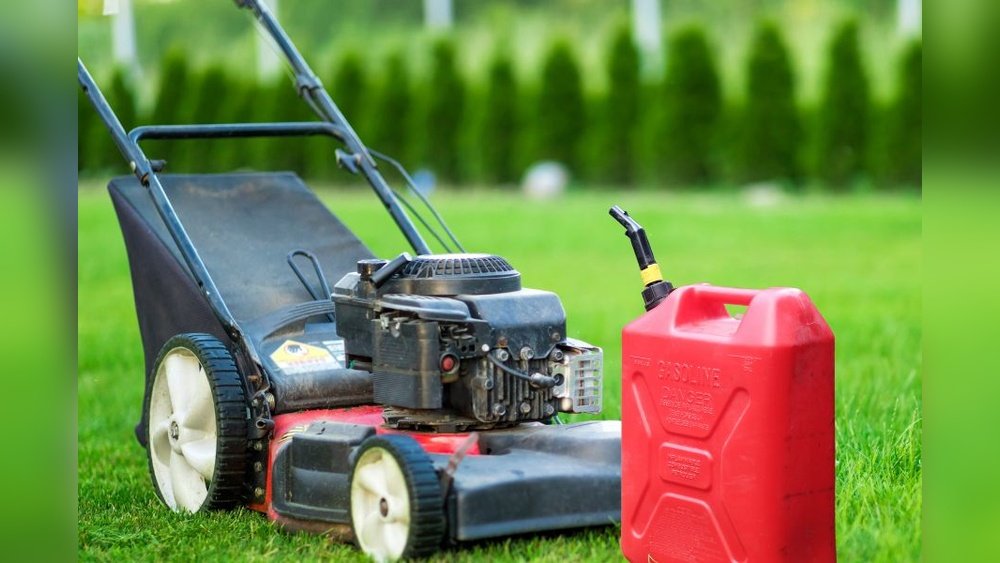
Draining old or stale gas from your lawn mower is a job many homeowners forget—until the mower sputters, won’t start, or runs rough. Old gasoline can turn gummy, clogging the carburetor and fuel lines. Knowing how to drain gas from a lawn mower keeps your machine running smoothly and extends its life. Whether you’re storing the mower for winter, fixing engine problems, or just changing fuel types, removing the gas is a simple, practical skill that saves money and frustration.
This guide walks you step-by-step through the process. You’ll learn which tools to use, how to avoid common mistakes, and get clear safety advice. Even if you’ve never worked on small engines before, don’t worry—these instructions are straightforward, and you’ll find tips most beginners miss.
Let’s get your mower ready for its next job.
Why Drain Gas From A Lawn Mower?
People often think a lawn mower can run on any old fuel. But stale gasoline causes more problems than most realize:
- It forms sticky deposits inside the carburetor and fuel lines.
- Engines may not start or can stall mid-mow.
- Water can enter the fuel, especially if the mower is stored outdoors.
- Gas breaks down after 30 days, losing combustibility.
Draining old gas is especially important before winter storage or if you plan to transport the mower. Taking care now means you won’t deal with expensive repairs later.
Tools And Items You’ll Need
Before starting, gather the right equipment. Having everything nearby makes the job faster and safer.
- Fuel siphon pump – Manual or bulb-style for small engines
- Clean gas-safe container – To catch and store old fuel
- Pliers or screwdriver – To remove fuel lines or clamps
- Shop rags or paper towels – For cleaning spills
- Small funnel – Helps when draining gas tank residue
- Protective gloves and eyewear – Essential for safety
Optional but useful:
- Carburetor cleaner – If you suspect sticky deposits
- Flashlight – For inspecting inside the tank or fuel lines
Never use your mouth to siphon gasoline. Modern siphon pumps are inexpensive and prevent dangerous accidents.

Credit: www.barefootorganicsllc.com
Step-by-step: How To Drain Gas From A Lawn Mower
There are two main ways to drain gas: siphoning through the tank opening, or removing the fuel line. Both methods work, but some mowers make one method easier than the other.
1. Preparation And Safety First
Gasoline is highly flammable and toxic. Work outside or in a well-ventilated area, away from sparks or flames. Place the mower on a level surface. Disconnect the spark plug wire to prevent accidental starting. Wear gloves and safety glasses.
2. Siphoning Gas From The Tank
This is the easiest method for most walk-behind mowers.
- Insert one end of the fuel siphon pump into the tank, and the other into your gas-safe container.
- Squeeze or pump the bulb to start the flow.
- Let the gas drain until the tank is empty. Tip the mower slightly if needed, but keep the air filter and oil fill cap upright to avoid spills.
- Use a rag to wipe up drips.
For stubborn residue, use a funnel to direct the last drops out.
3. Draining By Removing The Fuel Line
If the tank opening is hard to reach or siphoning isn’t working, disconnect the fuel line.
- Locate the fuel line running from the tank to the carburetor.
- Use pliers or a screwdriver to loosen the hose clamp.
- Carefully pull the line free and direct it into your container.
- Allow all gas to drain out.
- Reconnect the line and tighten the clamp when finished.
Some mowers have a fuel shutoff valve—close it first, then remove the line after the valve to control the flow.
4. Dealing With Leftover Gas
Even after draining, a small amount of gas may remain. If you want the tank perfectly dry (such as before winter storage):
- Use a clean rag or paper towel to soak up remaining drops.
- For best results, let the mower sit with the cap off for 30 minutes to air dry.
- Spray a little carburetor cleaner into the tank and lines if you suspect deposits.
Proper drying prevents gumming and corrosion.
5. Running The Engine Until Empty
A pro tip: after draining, reconnect everything, start the mower, and let it run until it stops. This burns off any leftover gas in the carburetor and lines—especially important for long-term storage.
Common Mistakes And How To Avoid Them
Many beginners make small errors that can cause bigger problems. Here are some pitfalls to watch for:
- Using unsuitable containers: Only use containers rated for gasoline. Never use water bottles or food containers—they can melt or leak.
- Forgetting to disconnect the spark plug: This is a safety must. Even a slight movement can start the engine.
- Letting fuel spill onto grass or driveways: Gas harms plants and can stain concrete. Always drain over a tarp or hard, protected surface.
- Not cleaning up: Even small spills can leave odors or become a fire risk.
- Ignoring old fuel: Don’t mix drained old gas with fresh gas in your car or mower. Old fuel can cause poor running or damage.

Credit: www.youtube.com
How To Dispose Of Old Gasoline
Never pour gasoline down a drain, on the ground, or into regular trash. Old fuel is a hazardous waste. Here’s what to do:
- Pour old gas into a clean, labeled gas can.
- Check with your local hazardous waste facility or recycling center for disposal instructions.
- Some auto shops or fire departments accept small amounts of old gas.
- Never store old gas indoors or near ignition sources.
For more details, see the EPA’s guide on hazardous waste.
How Often Should You Drain Gas From Your Lawn Mower?
Most people only drain gas before winter storage or when fixing fuel issues. But there are other times you should consider it:
- Before long-term storage (over 30 days)
- When switching to a different fuel type (such as ethanol-free or premix)
- If you accidentally add the wrong fuel
- If the mower is hard to start or runs poorly
Modern fuels break down faster than in the past. If you mow weekly during the season, simply keep the tank topped off and use a fuel stabilizer. Drain the tank only when needed.
Table: Comparison Of Draining Methods
Here’s a quick look at the pros and cons of each method:
| Method | Time Needed | Tools Required | Best For |
|---|---|---|---|
| Siphon Pump | 5-10 mins | Siphon, container | Most walk-behind mowers |
| Remove Fuel Line | 10-15 mins | Pliers, container | Hard-to-access tanks, repairs |
| Run Engine Dry | 5-10 mins | None extra | Finishing off after draining |
Special Tips For Different Lawn Mower Types
Not all mowers are the same. Here are some extra tips depending on your model:
Walk-behind Push Mowers
- Usually have small tanks (less than 1 quart).
- Siphon pumps work best.
- Always keep the air filter side up if tipping the mower.
Riding Mowers
- Tanks can hold 1–3 gallons.
- Access is easier but you may need more hose length.
- Be careful not to crack plastic fuel lines.
Electric Start Or Advanced Models
- Disconnect battery cables to avoid sparks.
- Some have built-in drain plugs—check your manual.
Older Mowers
- Gaskets and hoses may be brittle. Take extra care when removing and reinstalling parts.
- If the tank is metal, inspect for rust after draining.

Credit: ftp.broadwayinfosys.com
Table: Tank Sizes And Draining Time Estimates
Knowing your mower’s tank size helps plan for draining and disposal.
| Mower Type | Average Tank Size | Estimated Drain Time |
|---|---|---|
| Walk-Behind | 0.5–1 quart | 5 mins |
| Self-Propelled | 1–1.5 quarts | 7 mins |
| Riding Mower | 1–3 gallons | 15 mins |
How To Tell If Gas Is Bad
Not sure if you need to drain? Here are clues the gas in your mower is past its prime:
- Color: Good gas is clear to slightly amber. Bad gas turns dark or cloudy.
- Smell: Fresh gas smells sharp. Old gas smells sour or varnish-like.
- Performance: The mower is hard to start, stalls, or runs rough.
If in doubt, drain and refill with fresh fuel.
Practical Maintenance Tips
Here are two insights beginners often miss:
- Always run the mower for a few minutes after draining to clear out the carburetor. If you skip this, sticky old fuel can still gum up the engine over winter.
- Label your gas cans with the purchase date. This way, you always know how old your fuel is and avoid using stale gas by mistake.
Fuel stabilizer is a smart investment. If you must store gas for more than a month, add stabilizer to the can before filling the mower.
Table: When To Drain Vs. Use A Stabilizer
Sometimes you don’t need to drain at all—just treat the gas.
| Situation | Drain Gas? | Use Stabilizer? |
|---|---|---|
| Storing for winter | Yes | Optional |
| Storing less than 1 month | No | Yes |
| Switching fuel types | Yes | No |
| Routine weekly mowing | No | Optional |
Frequently Asked Questions
Is It Safe To Drain Gas From A Lawn Mower Myself?
Yes, if you follow basic safety steps: work outdoors, avoid sparks, and use proper containers. Always disconnect the spark plug before touching the fuel system.
How Often Should I Drain Gas From My Mower?
Drain gas before long-term storage (over 30 days), or whenever you need to change fuel types or repair the mower. For regular mowing, use fresh gas and stabilizer instead.
What Should I Do With Old Gasoline?
Take old gas to a hazardous waste facility or a participating auto shop. Never pour it down the drain, on the ground, or mix it with new fuel.
Can I Just Leave The Old Gas In The Tank?
Leaving old gas can lead to engine problems and costly repairs. Gasoline breaks down after a month and can clog the carburetor, so draining is the best practice before storage.
Can I Use A Wet/dry Vacuum To Remove Gas?
No. Wet/dry vacuums are not rated for flammable liquids. Using one can cause explosions or fires. Only use a hand siphon or remove the fuel line.
Draining gas from your lawn mower isn’t just good maintenance—it’s essential for reliability and engine life. With the right tools, a little care, and the tips above, you’ll keep your mower in top shape, ready for every season. If you’re in doubt or need more info, always check your mower’s manual or consult a professional for advice.