
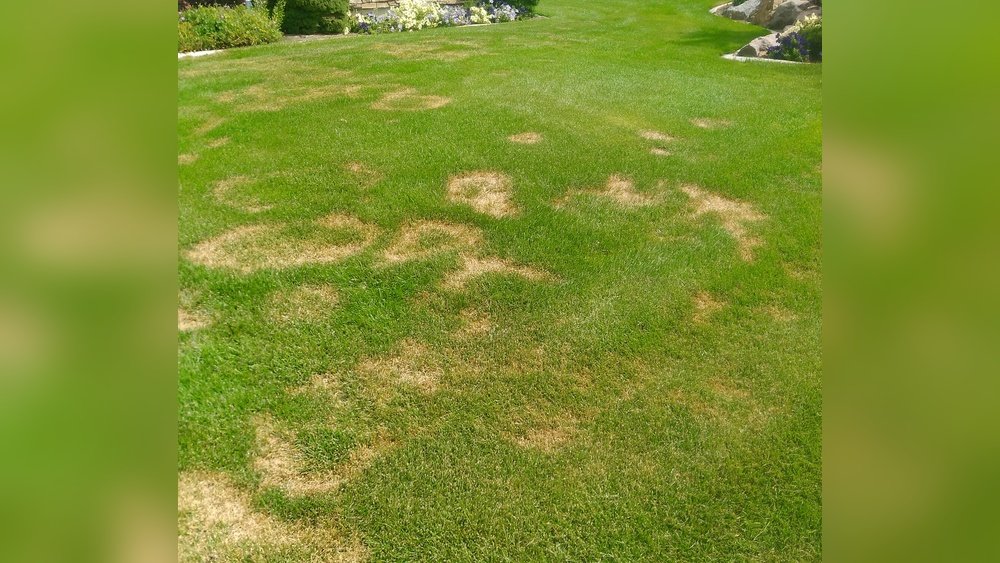
Have you noticed strange yellow rings appearing on your lawn? Those unsightly circles can be frustrating and confusing, especially when you don’t know what’s causing them.
Understanding the reasons behind these yellow rings is the first step to bringing your lawn back to vibrant health. Whether it’s a fungal infection, watering issues, or pest problems, these yellow patches are your lawn’s way of signaling that something isn’t right.
Keep reading to discover the common causes of yellow rings in your lawn and how you can effectively fix them, so your grass stays green and healthy all year round.
Credit: www.whygoodnature.com
Common Fungal Diseases
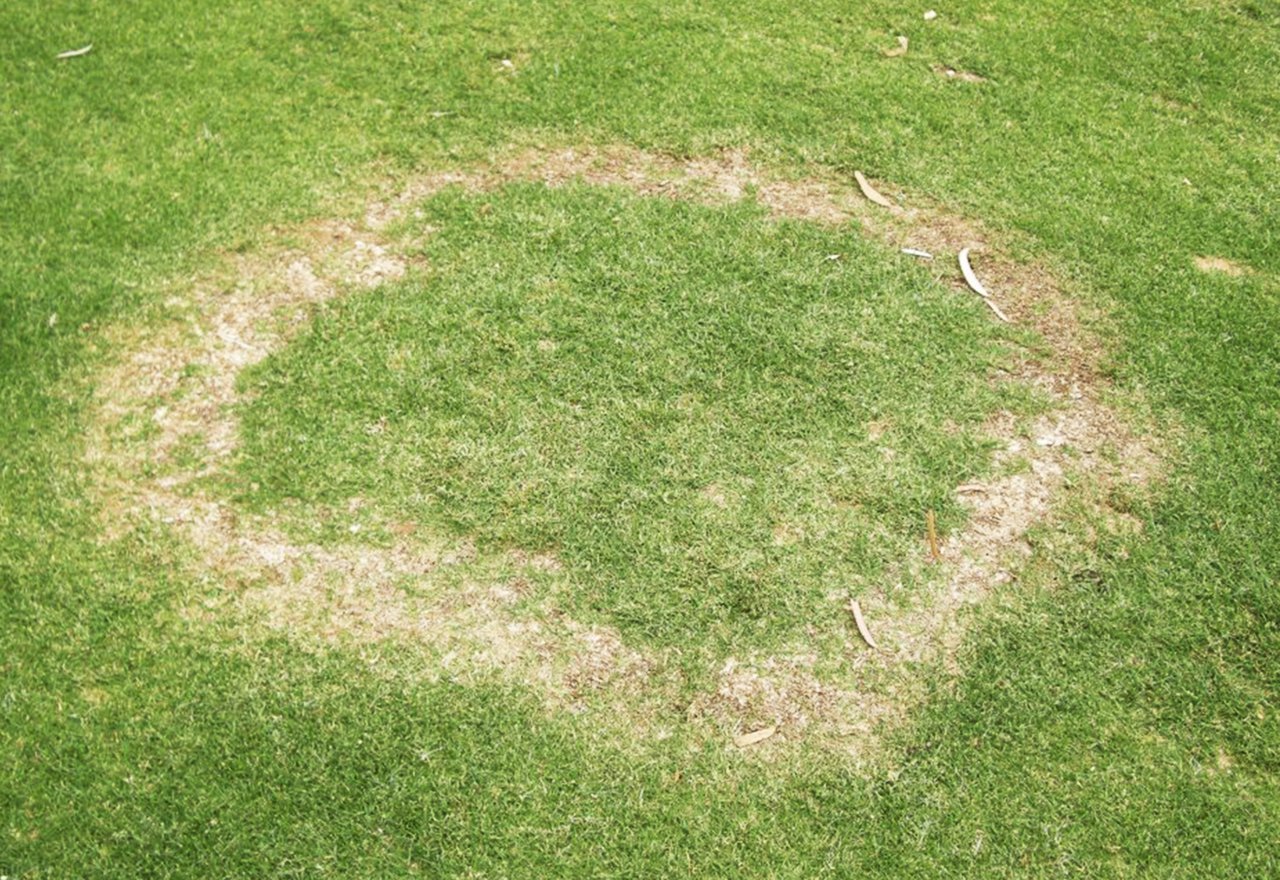
Yellow rings in lawns often signal fungal infections beneath the surface. These fungi disrupt grass health and cause distinctive yellow or dead patches. Understanding common fungal diseases helps with early detection and proper care. Three main fungal diseases create yellow rings in lawns.
Necrotic Ring Spot
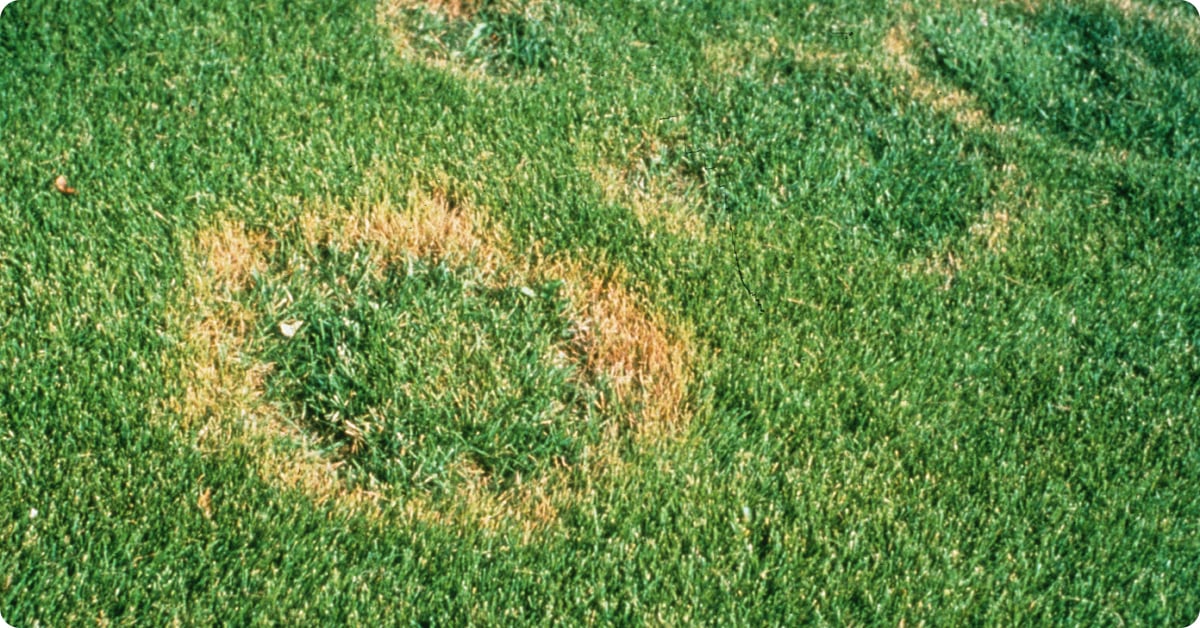
Necrotic Ring Spot forms circular dead patches surrounded by yellow grass. It attacks cool-season grasses like Kentucky bluegrass. This fungus thrives in compacted, poorly drained soil. Symptoms start as small spots and grow into rings. The fungus kills grass roots, causing the yellow rings. Proper watering and aeration reduce its spread.
Yellow Patch Disease
Yellow Patch Disease causes yellow rings or spots in lawns during cool, wet weather. It affects many grass types, especially perennial ryegrass and tall fescue. The fungus grows on grass blades and crowns, leading to yellowing and thinning. The disease worsens with excessive moisture and poor air circulation. Reducing watering and improving drainage help control it.
Fairy Ring Fungus
Fairy Ring Fungus creates dark green or yellow rings in the lawn. It grows underground on organic matter, releasing nutrients that cause grass to grow unevenly. Some rings kill grass, leaving dead areas surrounded by green rings. This fungus prefers dry, compacted soil. Aeration, dethatching, and fungicide treatments manage fairy rings effectively.
Soil And Water Issues
Yellow rings often appear in lawns due to soil and water problems. These issues affect grass health and growth. Understanding these causes helps maintain a green and lush lawn. Poor soil conditions or wrong watering habits can stress grass, leading to yellow patches and rings.
Poor Aeration Effects
Compacted soil stops air from reaching grass roots. Without air, roots cannot absorb nutrients well. This weakens the grass and causes yellow rings. Aeration breaks up hard soil, improving air flow and root growth. Lawns with poor aeration need regular treatment to stay healthy.
Improper Watering Habits
Watering too much or too little harms grass health. Overwatering creates soggy soil, making roots weak and prone to disease. Underwatering causes drought stress and yellowing. Watering early in the morning helps roots absorb moisture better. Consistent and correct watering prevents yellow rings in lawns.
Drainage Problems
Poor drainage leaves water sitting on the lawn surface. Standing water kills grass roots and invites fungal growth. This leads to yellow spots and rings. Improving soil drainage with sand or organic matter helps. Proper grading around the lawn also stops water buildup.
Pest Infestations
Pest infestations often cause yellow rings in lawns. These pests damage grass roots and leaves, stopping nutrients and water flow. Over time, this damage creates visible yellow or brown rings where the grass is weaker. Identifying the pest type helps treat the problem effectively and restore lawn health.
Grubs And Root Damage
Grubs are small larvae that live underground. They feed on grass roots, cutting off water and nutrients. This root damage causes the grass above to turn yellow and die in rings. Grub infestations often worsen in late summer and early fall. Treating grub problems early can save your lawn from serious damage.
Insect Activity Signs
Look for signs of insect activity to spot pest problems. Dead grass patches that pull up easily may reveal grubs underneath. You might see increased bird or animal activity feeding on lawn pests. Small holes or tunnels in the soil also indicate insect presence. Catching these signs early can prevent yellow rings from spreading.
Credit: grow.ifa.coop
Environmental Factors
Environmental factors play a major role in the health of your lawn. Changes in weather and natural conditions often cause yellow rings to appear. Understanding these factors helps in maintaining a vibrant, green lawn throughout the year.
Excessive Rainfall
Too much rain can saturate the soil. This prevents grass roots from getting enough oxygen. Waterlogged soil weakens grass and causes yellow rings. Poor drainage areas are especially prone to this issue. Standing water also encourages fungal growth that harms the lawn.
Temperature Fluctuations
Rapid changes in temperature stress grass plants. Warm days followed by cold nights confuse the grass’s growth cycle. This stress makes grass more vulnerable to diseases. Yellow rings often appear after such temperature swings. Consistent temperatures help grass stay healthy and green.
Sunlight Exposure
Grass needs the right amount of sunlight to thrive. Too little sun weakens the grass, causing yellow patches or rings. Excessive direct sun can dry out the lawn and burn the grass blades. Areas with uneven sunlight can show yellow rings due to uneven growth and stress.
Lawn Care Practices
Lawn care practices play a key role in the health of your grass. Poor habits can cause yellow rings to appear. These rings often signal underlying issues with maintenance. Understanding proper lawn care helps prevent this problem and keeps your grass green.
Many common mistakes in mowing, fertilizing, and thatch management lead to uneven growth and discoloration. Fixing these practices can restore your lawn’s vibrant look. Here are some important aspects to consider.
Mowing Techniques
Cutting grass too short stresses the lawn. It reduces root growth and exposes soil. This creates dry spots that develop yellow rings. Mowing with dull blades tears grass and invites disease. Set your mower to the correct height for your grass type. Always sharpen blades regularly for clean cuts. Avoid mowing wet grass to prevent damage and clumping.
Fertilization Mistakes
Over-fertilizing burns the grass and causes yellow patches. Applying fertilizer unevenly leads to ring patterns of healthy and stressed grass. Using the wrong type of fertilizer can unbalance soil nutrients. Follow recommended rates and schedules for your lawn. Choose fertilizers with balanced nitrogen, phosphorus, and potassium. Water after fertilizing to help nutrients absorb evenly.
Thatch Buildup
Thatch is a layer of dead grass and roots that sits on soil. Too much thatch blocks water and nutrients from reaching roots. This weakens grass and creates yellow rings in affected spots. Regular dethatching removes this barrier and improves lawn health. Rake or use a dethatching machine during the growing season. Aerate the lawn after dethatching to relieve soil compaction.

Credit: cardinallawns.com
Treatment Options
Yellow rings in your lawn signal stress or disease. Treating these patches early helps prevent further damage. Several methods work well together to restore your grass’s health. Follow these simple treatment options to bring your lawn back to life.
Fungicide Applications
Fungicides help control fungal infections causing yellow rings. Choose a product labeled for lawn diseases. Apply it according to package instructions. Early treatment stops the fungus from spreading. Repeat applications may be necessary for full control.
Aeration And Dethatching
Aerate the soil to improve air and water flow. This reduces compacted soil that favors fungi. Dethatch removes thick layers of dead grass and debris. Removing thatch stops fungal growth and helps roots breathe. Both practices promote a healthier lawn environment.
Overseeding And Fertilizing
Overseeding fills in bare spots caused by yellow rings. Use grass seed suited to your lawn type. Fertilize to provide essential nutrients. A well-fed lawn grows thicker and resists disease better. Apply fertilizer in small, frequent doses for best results.
Watering Adjustments
Water deeply but less often to encourage strong roots. Avoid watering late in the day to prevent fungus growth. Early morning watering is best to dry grass quickly. Proper watering reduces stress and helps your lawn recover faster.
Preventive Measures
Preventing yellow rings in your lawn requires regular care and attention. These unsightly patches often signal underlying problems like fungal growth or poor soil health. Taking proactive steps can keep your lawn green and healthy.
Simple, consistent actions reduce the chance of yellow rings forming. Focus on maintaining soil quality, watering correctly, and following seasonal care routines. These measures support strong grass growth and limit fungal issues.
Seasonal Lawn Maintenance
Seasonal lawn care helps avoid yellow rings by keeping grass healthy year-round. Rake leaves and debris to prevent thatch buildup, which can trap moisture and encourage fungi. Aerate soil in spring to improve root growth and drainage. Apply fertilizers suited to each season to supply essential nutrients. These steps boost grass resilience against diseases that cause yellow rings.
Soil Testing
Testing soil identifies nutrient imbalances and pH problems causing weak grass. Use a simple soil test kit or send samples to a lab. Adjust soil pH by adding lime or sulfur as needed. Add missing nutrients through targeted fertilization. Healthy soil supports strong grass that resists fungal infections and yellow rings.
Proper Irrigation Schedules
Watering lawn correctly prevents conditions that favor yellow ring fungi. Water deeply but less often to encourage deep root growth. Avoid overwatering, which creates soggy soil and fungal growth. Early morning watering lets grass dry during the day, reducing moisture buildup. Consistent irrigation tailored to weather and soil type keeps grass strong and fungus-free.
Frequently Asked Questions
How To Get Rid Of Yellow Circles In A Lawn?
Rake yellow rings, aerate soil, and overseed affected lawn areas. Water deeply in mornings or evenings. Apply fungicide in fall and spring to control fungal growth. Maintain proper lawn care to prevent recurrence.
How Do I Fix Yellow Patches On My Lawn?
Rake yellow patches to remove dead grass. Aerate soil and overseed affected areas. Water deeply in morning or evening. Apply fungicide if fungus is present. Use balanced fertilizer to promote healthy growth.
Does Lawn Fungus Go Away In The Fall?
Lawn fungus often persists through fall without treatment. Applying fungicides and improving lawn care in fall helps control and reduce it.
How To Get Rid Of Rings In A Lawn?
Aerate your lawn to improve drainage and reduce fungal growth. Dethatch to remove fungal breeding grounds. Apply a suitable fungicide. Water early or late in the day to avoid excess moisture. Overseed and fertilize damaged areas to restore healthy grass.
Conclusion
Yellow rings in lawns often come from fungi or poor watering habits. These rings show stressed grass, needing care soon. Aerate your lawn to improve soil health and drainage. Removing thatch helps stop fungal growth and spread. Applying fungicide can protect your grass effectively.
Regular watering in the morning or evening helps prevent damage. Early treatment keeps your lawn green and strong. Healthy lawn habits reduce yellow rings and promote growth. Keep an eye on your lawn for early signs of trouble. Simple steps can restore your lawn’s healthy look.