
When the crisp air of autumn arrives or spring mornings still hold a chill, many homeowners wonder: What temperature is too cold to mow lawn? Mowing at the right time is not just about keeping grass neat; it’s about protecting the health of your lawn. If you mow when it’s too cold, you could damage the grass, dull your mower blade, and even put your equipment at risk. But how cold is “too cold”? And what really happens if you cut grass when temperatures drop? Let’s explore the details, so your lawn stays healthy all year round.
Understanding Grass Growth And Temperature
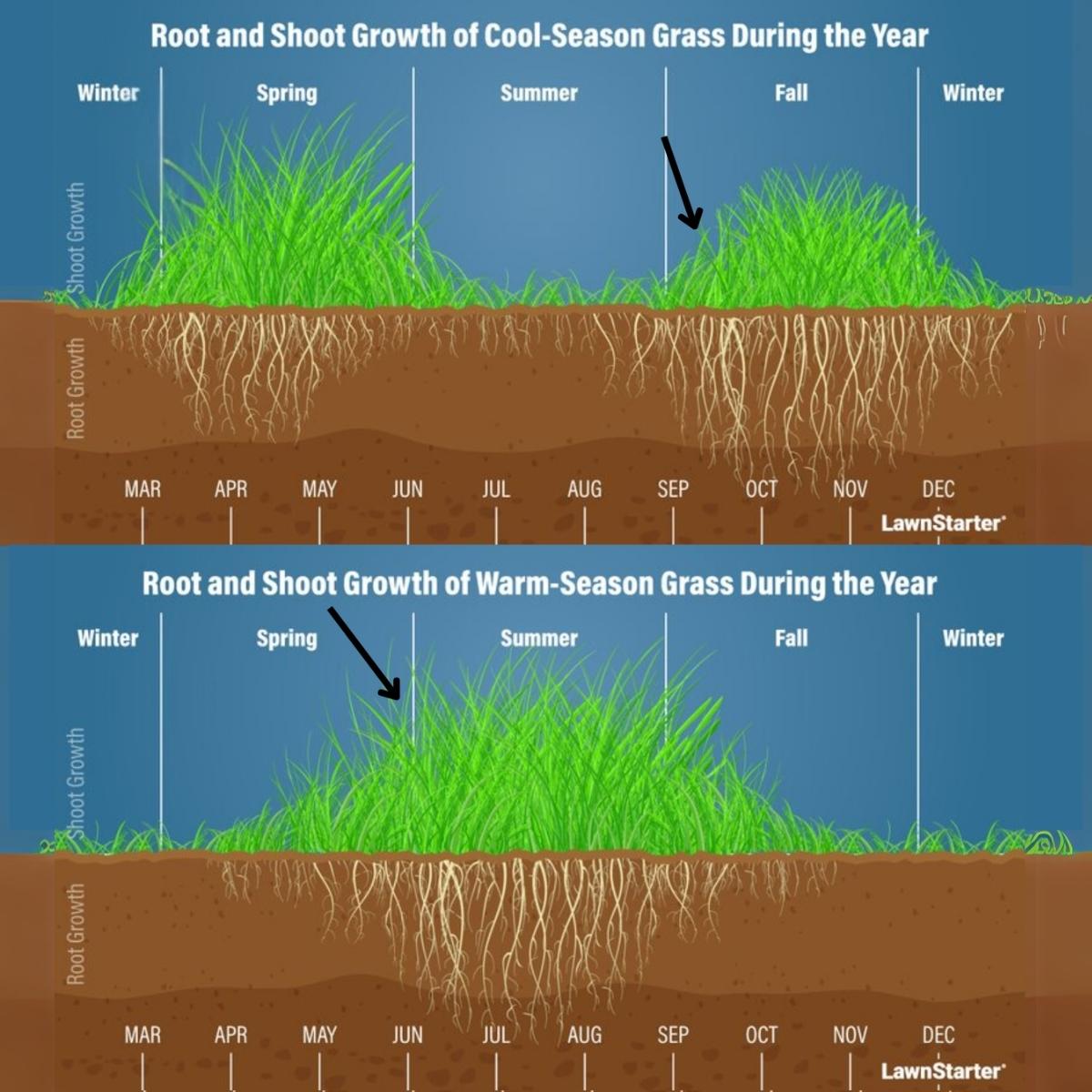
Grass is a living plant, and its growth depends on temperature. Most lawns in cooler climates use cool-season grasses like Kentucky bluegrass, fescue, or ryegrass. In warmer regions, you’ll find warm-season grasses such as Bermuda or zoysia. Each type has its own temperature range for healthy growth.
When temperatures drop below a certain level, grass stops growing. For most lawns, once daytime temperatures fall below 50°F (10°C), growth slows down or even stops. Below this point, mowing does not help the grass and can actually cause harm.
But it’s not just about the air temperature. Soil temperature is also important. If the soil drops below 45°F (7°C), root activity slows, and the grass becomes more fragile.
The Risks Of Mowing When It’s Too Cold
Mowing at the wrong temperature can lead to several problems:
- Grass Injury: Cold grass blades are brittle and can split or tear rather than cut cleanly. This creates open wounds that invite disease.
- Disease Risk: Fungi and other pathogens thrive in wet, cold conditions. Damaged grass is more likely to get infected.
- Equipment Damage: Cold, stiff grass can dull mower blades and stress the engine, especially if the ground is frozen.
- Soil Compaction: Mowing on cold, wet soil can compact it, making it harder for roots to grow in the spring.
Let’s look at some examples. If you mow a fescue lawn at 40°F (4°C) after a frost, you might see brown patches appear a week later. These are signs of damage, not just cosmetic issues.
Ideal Mowing Temperatures For Different Grass Types
Timing your mowing depends on your grass type. Here’s a comparison:
| Grass Type | Growth Temperature Range (°F) | Too Cold to Mow (°F) |
|---|---|---|
| Kentucky Bluegrass | 55–75 | <50 |
| Fescue | 60–75 | <50 |
| Ryegrass | 50–65 | <45 |
| Bermuda | 75–90 | <60 |
| Zoysia | 70–90 | <60 |
As a rule of thumb: Never mow when temperatures are below 50°F (10°C) for cool-season grasses or below 60°F (15°C) for warm-season grasses.
The Impact Of Frost And Frozen Ground
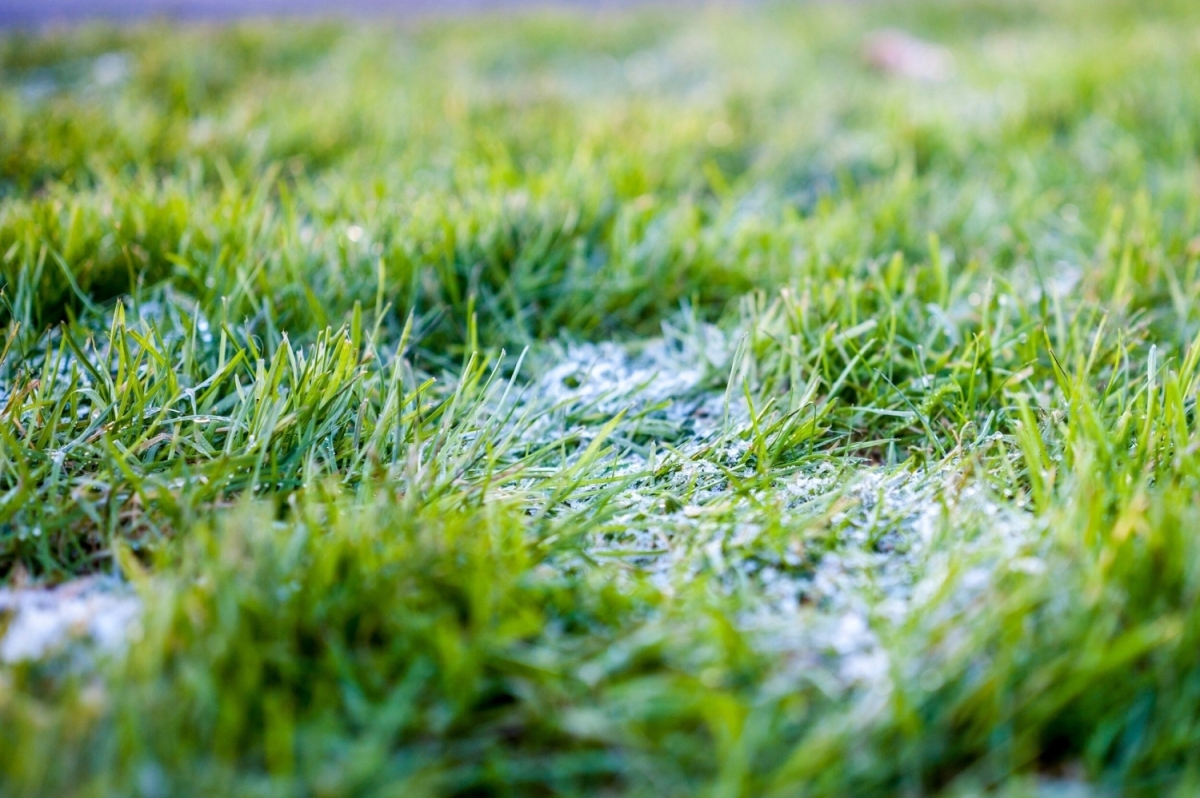
Frost is another factor to consider. Cutting grass with frost on it can be worse than mowing in cool air alone.
- Frost crystals make grass blades stiff and brittle.
- Mower wheels can crush frozen blades, leaving unsightly tracks.
- Grass may not recover until spring.
If the ground is frozen, avoid mowing completely. Not only will the mower struggle, but you’ll also risk tearing grass out by the roots.
Credit: www.lawnstarter.com
When Is It Safe To Mow Again?
Wait until temperatures are consistently above the safe range for your grass type. For cool-season lawns, this means regular daytime temperatures above 50°F (10°C), and for warm-season grasses, above 60°F (15°C).
A helpful tip is to check your lawn’s growth. If you see new, green blades, the grass is actively growing and can handle mowing. If growth is slow or patchy, hold off.
Early Spring And Late Fall: Special Cases
Many people want to do a “last mow” in late fall or an “early mow” in spring. Timing is critical here.
Late Fall Mowing
- Mow a little shorter (about 2–2.5 inches) for the last cut, but only if it’s still above 50°F (10°C).
- Cutting too late can leave grass vulnerable to snow mold and other diseases.
Early Spring Mowing
- Wait until the lawn is dry and temperatures are regularly above 50°F (10°C).
- Early mowing on wet, cold grass can create ruts and compact the soil.
Mowing After Rain Or Dew
Even if the air is warm enough, wet grass is risky. Dew or rain makes grass slippery and harder to cut cleanly. Mowing wet grass in cold weather increases disease risk and can leave clumps that smother the lawn.
How Cold Weather Affects Lawn Equipment
Cold temperatures don’t just affect grass. They impact your mower, too:
- Engines may have trouble starting.
- Oil can thicken, making the engine work harder.
- Blades can get damaged by icy debris.
To prevent problems, use fresh fuel, check your oil, and keep blades sharp. Never force your mower through frosty or frozen grass.
Practical Signs It’s Too Cold To Mow
If you’re unsure, look for these signs:
- Grass isn’t growing – If it hasn’t grown in a week, skip mowing.
- Frost is visible – Wait until it melts.
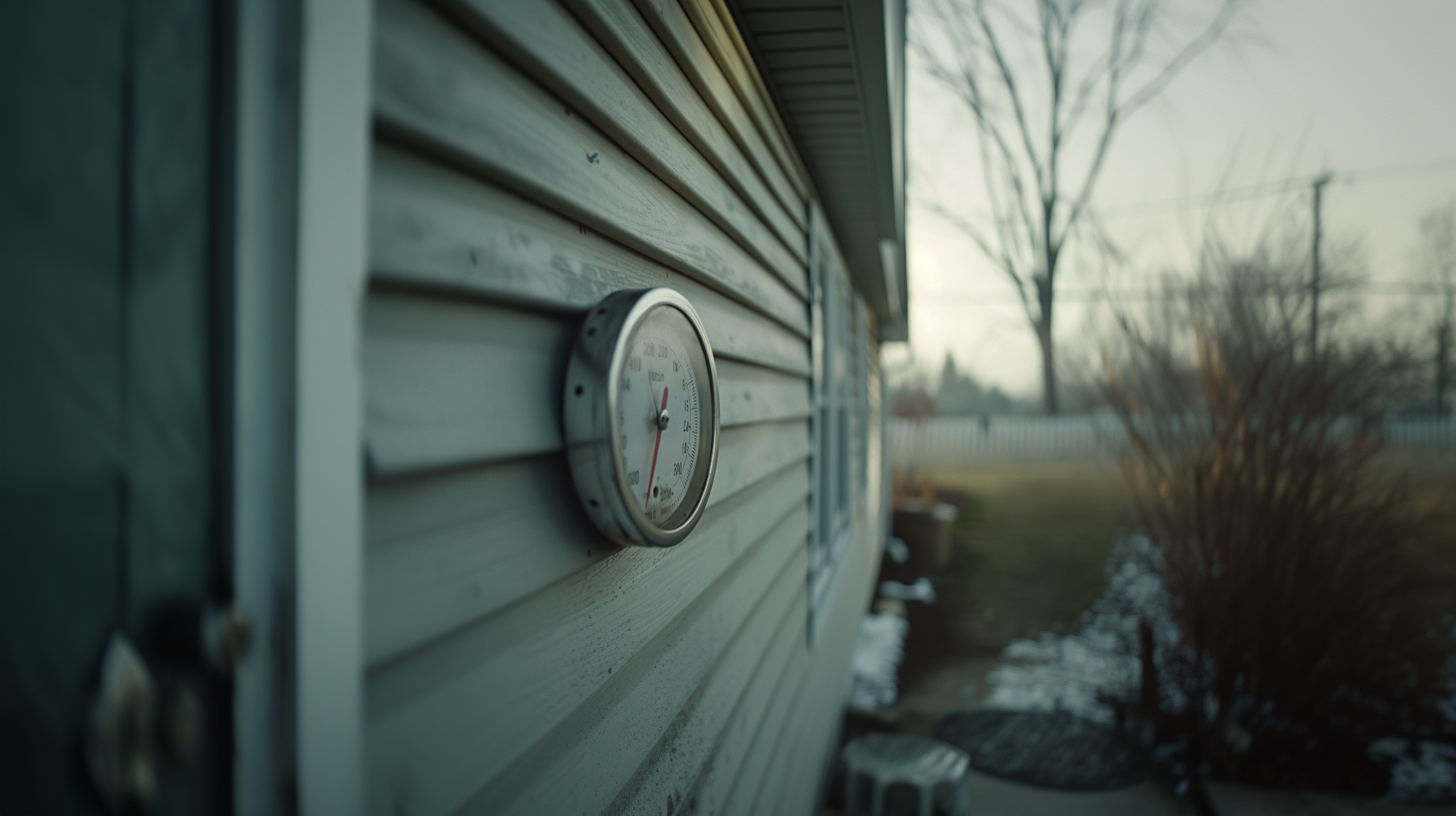
- Ground feels hard – If the soil is frozen underfoot, don’t mow.
- Your mower struggles – Hard starts or bogging down mean it’s too cold.
Common Mistakes When Mowing In Cold Weather
Many people make errors that could easily be avoided:
- Mowing too low in fall, exposing the crown of the grass.
- Cutting wet grass after cold nights, leading to clumping.
- Ignoring soil temperature, not just air temperature.
- Using dull blades, which tear grass instead of cutting.
Credit: www.lobbalexis.com
How To Prepare Your Lawn For Winter
If it’s too cold to mow, focus on lawn care that doesn’t involve cutting:
- Remove leaves and debris to prevent mold.
- Aerate the lawn in early fall before it gets too cold.
- Fertilize with a winterizing formula if needed.
- Stay off the lawn when it’s frosty to avoid damage.
Regional Differences: Cold Climates Vs. Mild Winters
Where you live changes the rules. In places with harsh winters, the mowing season ends earlier. In milder climates, you might mow all winter, but only on warm, dry days.
Here’s a look at average last mowing dates by region:
| Region | Last Mow (Average) | Lowest Safe Mowing Temp (°F) |
|---|---|---|
| Northern U.S./Canada | Mid-October | 50 |
| Midwest | Late October | 50 |
| Southeast U.S. | December | 55 |
| Southwest U.S. | Year-round (warm spells) | 60 |
| Pacific Coast | November | 55 |
Expert Tips For Safe Mowing In Cool Weather
- Plan your last mow: Don’t wait until a freeze is in the forecast.
- Raise your mowing height: Taller grass handles cold better.
- Sharpen your blades before the final mow.
- Clean the mower deck after use to prevent rust from damp grass.
- Store equipment in a dry place for winter.
Two Insights Most Homeowners Miss
First, soil temperature matters as much as air temperature. Many check only the weather forecast, but if the ground is cold, the grass remains dormant, even if the sun is out.
Second, microclimates can affect your lawn. Shady areas may stay colder longer, while spots near buildings or pavement warm up faster. Adjust your mowing schedule for these differences to avoid patchy damage.
Credit: southernsunlandscaping.com
Final Thoughts
Mowing your lawn at the wrong temperature can do more harm than good. The best practice is to wait until daytime temperatures are consistently above 50°F (10°C) for cool-season grasses and 60°F (15°C) for warm-season varieties. Watch for signs of active growth, avoid mowing on frosty or frozen ground, and focus on other lawn care tasks when it’s too cold.
A healthy lawn starts with smart timing. By understanding the right temperatures for mowing, you’ll protect your grass and keep your equipment in good shape. For more on grass types and seasonal care, you can visit the Gardening Know How website.
Frequently Asked Questions
What Temperature Is Too Cold To Mow The Lawn?
It’s too cold to mow when daytime temperatures are below 50°F (10°C) for cool-season grasses and below 60°F (15°C) for warm-season grasses. Also, avoid mowing if the soil is frozen.
Can Mowing Frozen Grass Damage My Lawn?
Yes, mowing frozen grass can tear the blades and roots, causing brown patches and making the grass more likely to get diseases.
What Happens If I Mow After A Frost?
Mowing after a frost can crush or split the grass blades, leaving visible tracks and causing long-term damage. Always wait until frost has melted and the grass is dry.
Why Is Soil Temperature Important For Mowing?
Soil temperature shows when grass is truly growing. If soil stays cold, grass remains dormant even if air feels warmer. Mowing at this time can stress the lawn.
Should I Mow My Lawn Lower Before Winter?
Yes, you can lower the cutting height a little for the last mow (about 2–2.5 inches), but never scalp the lawn. Cutting too low weakens the grass and exposes it to disease.
By following these guidelines, you’ll keep your lawn healthy and looking its best—even when the weather turns cold.