
Craftsman tow-behind plugs win for depth; Ryobi excels at ease and speed.
You want a lusher lawn without paying a service every season. Compacted soil, thin patches, and weak roots keep fighting you. That’s where the Ryobi vs Craftsman lawn aerator debate matters. Ryobi leans cordless and easy. Craftsman leans tow-behind and deep. I’ve used both styles across clay, loam, and cool-season turf. The right choice depends on lawn size, soil, and how often you aerate. Below, I break down the best options, who they fit, and what to expect.

Craftsman 40 Inch Tow Behind…
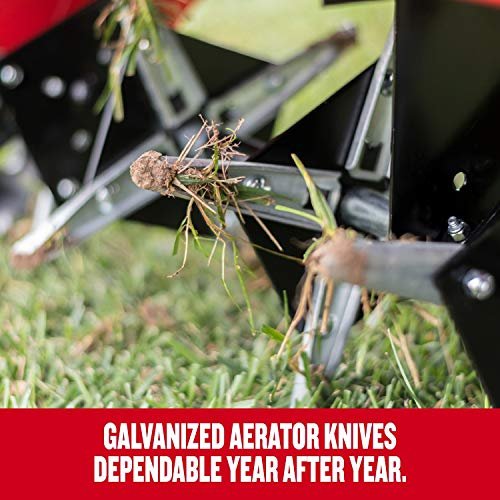
DEEP LAWN AERATION PERFORMANCE: 24 galvanized steel coring points pull soil plugs up to 3 in deep to improve airflow, water absorption, and nutrient penetration SUPPORTS HEALTHIER GRASS GROWTH: Helps…
CRAFTSMAN (CMXGZBF7124336), 36-Inch Tow Spike…
Large 36 in. Working width covers larger areas at once 10-Gauge steel frame is extremely durable Enclosed Weight tray holds up to 80 lb. For increased soil penetration Universal design…

Lawn Aerator Tool with Non-Clogging…
DEEP CORE AERATION FOR HEALTHIER LAWNS: This aerator lawn tool penetrates up to 4 inches deep to relieve soil compaction, maximizing airflow, water absorption, and nutrient delivery to roots. Using…
Craftsman 40″ Tow-Behind Plug Aerator
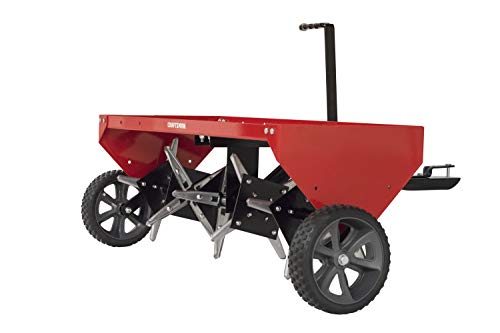
This tow-behind plug aerator is the classic choice for deep core removal. It runs 24 galvanized steel coring points across a 40-inch deck and features a 140 lb weight tray. Add bagged sand or pavers, and you press those tines down into compacted clay. Pair it with a lawn tractor or zero-turn mower. You’ll cover a half-acre in no time.
In the Ryobi vs Craftsman lawn aerator conversation, this unit is the “maximum depth” option. It pulls real plugs, which improves air, water, and nutrient flow. That means thicker roots and better drought tolerance. If you overseed, plugs open seed-to-soil contact. Do it in spring or fall, and your lawn wakes up stronger.
Pros:
- Deep plug aeration boosts root growth and soil health
- Wide 40″ path saves time on big lawns
- 140 lb weight tray helps reach tough, compacted areas
- Galvanized tines resist rust and last longer
- Works well before overseeding for strong germination
- Simple hitch design fits most mowers and garden tractors
Cons:
- Needs a tow vehicle; not for small yards
- Tines can clog in very wet soil if you don’t clean them
- Storage space required due to size
My Recommendation
Pick this if you want the deepest, most effective aeration in fewer passes. It suits half-acre or larger properties and compacted clay. If you compare Ryobi vs Craftsman lawn aerator choices, this Craftsman wins where depth and plug removal matter most. It pairs well with annual overseeding and heavy foot traffic areas.
| Best for | Why |
| Large lawns (0.5–2 acres) | 40″ width covers ground fast with a mower |
| Compacted clay soil | Deep plug cores break compaction better than spikes |
| Overseeding prep | Plugs create ideal seed-to-soil contact |
Craftsman 36″ Tow-Behind Spike Aerator

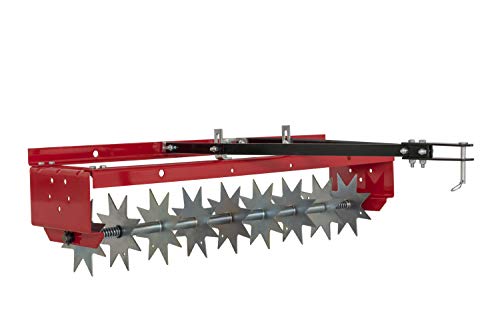
This 36-inch spike aerator uses nine galvanized disks to puncture the turf. It has a 90 lb weight tray to help spikes penetrate. Spiking is faster than plugging and works well for light to moderate compaction. It also pairs well with fertilizing, as those holes guide nutrients down to the root zone.
In the Ryobi vs Craftsman lawn aerator matchup, this spike rig is the “maintenance” choice. It suits weekly or monthly use through the growing season, as long as the soil is not baked dry. I like it before light overseeding or after rain. It helps lawns breathe without the mess of cores on top.
Pros:
- Quicker passes than plug aeration on mid-size lawns
- 90 lb tray improves penetration when soil is firm
- Galvanized disks resist rust and extend service life
- Universal hitch pairs with most riding mowers
- Less turf disruption; no cores to rake up
- Great for in-season aeration touch-ups
Cons:
- Does not remove soil like a plug aerator
- Can compact walls of the hole in very hard clay
- Less effective for thatch removal
My Recommendation
Choose this if you want fast, frequent aeration with minimal cleanup. It’s ideal for light compaction and routine care on 0.25–1 acre lawns. When deciding Ryobi vs Craftsman lawn aerator tools, this Craftsman spike model wins on speed and simplicity, especially if you already own a riding mower.
| Best for | Why |
| Routine aeration | Quick spiking improves airflow without heavy disruption |
| Mid-size lawns | 36″ coverage balances control and speed |
| After rainfall | Soft soil lets spikes reach good depth |
Manual Hollow-Tine Aerator (Yellow)

This handheld hollow-tine aerator targets compacted spots without a tractor. It is built for clay soil and claims non-clogging tines. You step on the platform, sink the tines, and pull out true plugs. It’s great for trouble areas like play zones, fence lines, and dog paths.
As a Ryobi vs Craftsman lawn aerator alternative, this is the surgical tool. You use it when you do not need to treat the entire yard. It matches small lawns and tight spaces that big tow-behind units cannot reach. It also costs less and stores in a shed corner.
Pros:
- Removes real soil cores to fix problem spots
- No gas, no battery, no hitch required
- Good control in tight areas and along edges
- Low cost and simple maintenance
- Useful for test patches before full-yard aeration
- Light enough to carry around with one hand
Cons:
- Slow for large yards
- Works best when soil is moist; tough in dry clay
- Manual effort can tire you on big jobs
My Recommendation
Get this if you own a small lawn or have a few bad patches to fix. It’s also perfect if you rent or do not have space for large gear. In the Ryobi vs Craftsman lawn aerator debate, this manual tool gives you plug-level results in spots for a fraction of the cost.
| Best for | Why |
| Small yards (under 3,000 sq ft) | You can plug key areas by hand in one session |
| High-traffic spots | Targets compacted paths that need real cores pulled |
| Tight spaces | Works along fences, beds, and trees where mowers can’t |
Briliantwerk Lawn Aerator Shoes

Aerator shoes strap to your boots and add spikes underfoot. As you walk, you punch holes to improve air and water flow. They are cheap, simple, and double as a step-count challenge. These are easy to store and use after light rain for better soil entry.
Within the Ryobi vs Craftsman lawn aerator showdown, shoes are the entry point. They will not replace a plug aerator. But they can help with mild compaction in small areas. They shine when you want to move, water, and watch the lawn green up without machines.
Pros:
- Very low cost way to start aeration
- No storage space or hitch needed
- Use while doing other yard chores
- Decent results on soft or loamy soils
- Helps spot-aerate without setup time
- Great for quick seasonal touch-ups
Cons:
- Spike holes only; no soil removal
- Can be awkward on slopes or uneven areas
- Limited effect in hard, dry clay
My Recommendation
Buy these if you want the lowest-cost way to give your lawn more air. They are best on loam or sandy soils and for very small yards. If you weigh Ryobi vs Craftsman lawn aerator solutions and still want simple, shoes keep your routine light and your wallet happy.
| Best for | Why |
| Small, soft lawns | Spikes enter easier and add quick airflow |
| Budget buyers | Cheapest aeration method to try today |
| Light maintenance | Use between deep aerations for a small boost |
Manual 15-Spike Lawn Aerator

This manual spike aerator has a head with 15 solid spikes. You step and push to punch holes, then lift and repeat. It is sturdy and simple, and it fits in a small shed. It makes sense for small lawns or for people who enjoy a short workout in the yard.
Compared to a Ryobi vs Craftsman lawn aerator machine, this is pure hands-on. Spikes work faster than a hollow-tine hand tool, but they will not remove soil. Use it right after watering. You will get better depth and a smoother rhythm across the lawn.
Pros:
- Manual control with no cords or batteries
- Compact storage and low cost
- Quick setup for small weekend jobs
- More spike coverage per press than shoes
- Helps water penetrate during summer heat
- Durable metal design stands up to routine use
Cons:
- No soil core removal; limited effect on hard clay
- Slower than tow-behind on big lawns
- Repetitive motion can tire legs and back
My Recommendation
Choose this if you want a simple, manual tool for small to mid-size yards. It gives quick relief before watering or fertilizing. When you balance Ryobi vs Craftsman lawn aerator choices, a manual spike tool fits if you value low cost, storage ease, and a quiet, hands-on approach.
| Best for | Why |
| Small to mid lawns | Manual spikes cover space without heavy gear |
| Pre-watering prep | Holes help water reach roots faster |
| Budget-minded care | Low price and no maintenance costs |
FAQs Of Ryobi vs Craftsman lawn aerator
What’s the main difference between Ryobi and Craftsman aerators?
Ryobi focuses on cordless walk-behind dethatcher/aerator tools for ease and speed. Craftsman leans tow-behind plug or spike units for deep, wide coverage with a mower.
Is plug aeration better than spike aeration?
For compacted clay, yes. Plug aeration removes cores and eases compaction more. Spikes are faster and work for light maintenance on softer soils.
Can a Ryobi dethatcher replace a plug aerator?
No. A dethatcher lifts thatch and can scratch the soil. It does not pull soil cores. Use plug aeration when you need depth and root growth.
How often should I aerate?
Once a year for most lawns. Twice a year if you have heavy clay, pets, or high traffic. Spike aeration can be used more often as light upkeep.
Do tow-behind aerators fit most lawn tractors?
Yes. Most use a universal pin hitch. Check height and weight limits on your mower for safe operation.
Final Verdict: Which Should You Buy?
For deep results, the Craftsman 40″ Tow-Behind Plug Aerator is the best choice. It pulls real cores and restores compacted lawns fast.
If you want light upkeep, a spike tool or Ryobi dethatcher can help. Match your yard size, soil, and schedule to the Ryobi vs Craftsman lawn aerator that fits you.