
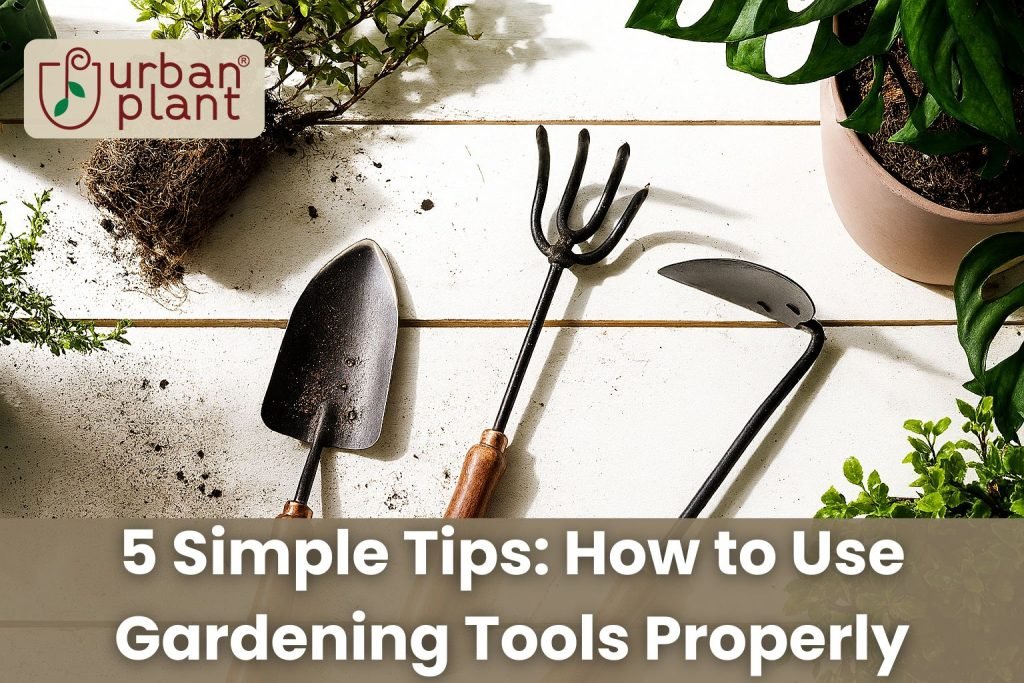
A garden fork is vital for aerating soil, turning compost, and weeding.
Using a garden fork correctly can transform your gardening experience, making tasks like aerating soil, turning compost, and uprooting stubborn weeds more efficient. In this guide, we'll walk you through the essential steps and techniques to maximize the effectiveness of a garden fork. Whether you're a seasoned gardener or a novice, understanding how to wield this tool properly can lead to healthier and more productive plants. With personal insights and expert advice, this comprehensive guide will equip you with the knowledge to elevate your gardening game.
Mastering the Garden Fork
A garden fork, also known as a digging fork, is a versatile tool that every gardener should master. It’s invaluable for breaking up compacted soil, mixing in amendments, and more. Here's how you can use it effectively:
Choose the Right Fork
Selecting the right garden fork is crucial. Consider the following:
- Tines: Look for strong, stainless steel tines that can penetrate tough soil without bending.
- Handle: Choose a handle length that suits your height to avoid strain. Wood or fiberglass materials provide the best grip and durability.
Proper Technique
Using a garden fork involves more than just poking the ground:
- Stance and Grip: Stand with your feet shoulder-width apart. Hold the handle firmly with both hands.
- Positioning: Insert the fork into the soil at a slight angle.
- Leverage: Apply downward pressure with your foot on the fork's step, using your body weight to push it deeper.
- Lifting: Gently rock the fork back and forth to loosen the soil, then lift it to break up clumps.
Soil Aeration
Aerating soil allows air, water, and nutrients to penetrate more effectively:
- Spacing: Space the fork tines about a foot apart as you move through the area.
- Depth: Aim for a depth of 6-8 inches to ensure adequate aeration.
- Consistency: Work systematically across the garden for even coverage.
Compost Turning
A garden fork is perfect for turning compost piles:
- Loosening: Use the fork to break up compacted areas in the pile.
- Mixing: Blend different layers to speed up decomposition.
- Ventilation: Regular turning ensures proper airflow and moisture distribution.
Weeding and Trenching
Efficiently tackle weeds and trenches with these tips:
- Uprooting: Position the fork close to weed bases to lift them out with roots intact.
- Trenching: For creating narrow trenches, use the fork to outline and then lift sections of soil.
.jpg)
Personal Insights
From my years of gardening, I've learned the importance of maintaining a consistent rhythm when using the fork. There's a satisfying synergy between the tool and the task when everything flows smoothly. The key is patience and knowing when to apply that extra bit of force.
Avoid the mistake of trying to tackle too large an area at once; this can lead to fatigue and uneven results. Instead, break your work into sections, allowing for rest and recovery. This method not only preserves your energy but ensures maximum effectiveness.
Frequently Asked Questions of How to Use a Garden Fork Correctly Guide
What is the main purpose of a garden fork?
A garden fork is primarily used for aerating soil, turning compost, and uprooting weeds, allowing for better soil health and plant growth.
How do I maintain my garden fork?
Keep the tines clean and rust-free by wiping with a damp cloth after use. Sharpen the tips occasionally and store in a dry place to prolong its life.
Can a garden fork be used in all soil types?
Yes, but sandy and loamy soils are easier to work with. In rocky or clay soils, a fork with stronger tines is recommended to prevent bending.
How often should I aerate my garden using a fork?
Aerate your garden at least once a year, typically during spring or fall, to ensure soil stays healthy and productive.
What's the difference between a garden fork and a pitchfork?
A garden fork has sturdy, shorter tines suitable for soil and compost, while a pitchfork has longer, thinner tines for handling hay and lighter materials.
Conclusion
Understanding how to use a garden fork correctly can significantly enhance your gardening prowess. By selecting the right tool, mastering proper technique, and applying personal insights, you can achieve remarkable results in soil health and plant productivity. Embrace these practices and elevate your gardening skills. Don’t forget to explore other resources or share your experiences in the comments below. Happy gardening!
