
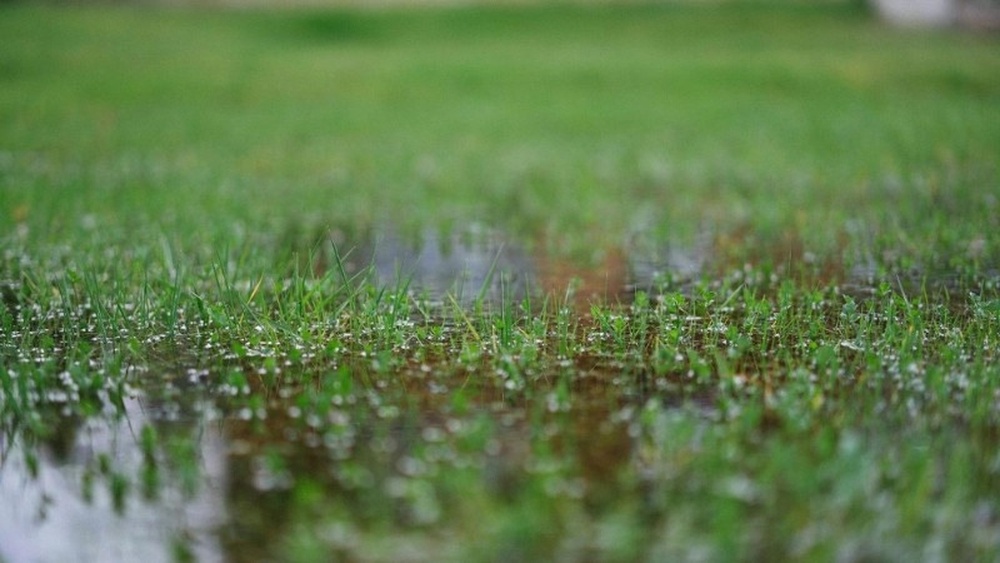
Has your lawn turned into a soggy mess after the latest heavy rain? A waterlogged lawn can be frustrating to deal with, especially when you want your outdoor space to look green and healthy.
But don’t worry—you’re not stuck with a muddy yard. You’ll discover simple and effective ways to fix your waterlogged lawn quickly. From improving drainage to helping your grass recover, these easy steps will get your lawn back in shape and ready to impress.
Keep reading to learn exactly what you can do today to save your lawn from the aftermath of heavy rain.
Signs Of A Waterlogged Lawn
Waterlogged lawns show clear signs after heavy rain. Knowing these signs helps you act fast. Early detection prevents long-term lawn damage. The grass, soil, and overall lawn health suffer when water stays too long. Watch for changes in color, texture, and soil condition. These clues tell you your lawn needs care.
Identifying Soggy Patches
Soggy patches feel soft and squishy underfoot. Water may pool or remain after rain stops. Grass in these areas looks darker green or yellow. Walking over soggy spots leaves footprints or impressions. These signs show the soil holds too much water. Spotting soggy patches early helps you fix drainage issues.
Recognizing Compacted Soil
Compacted soil feels hard and dense, even when wet. Water struggles to soak in and drains slowly. Grass roots cannot grow well in compacted soil. Lawns with compacted soil may have thin, weak grass. Use a screwdriver or soil probe to test soil firmness. Hard soil means the lawn needs aeration to improve drainage.
Spotting Fungal Growth
Fungal growth often appears as discolored spots on grass blades. These spots can be brown, white, or gray. Mushrooms or mold may grow in damp, shaded lawn areas. Fungi thrive in waterlogged, poorly drained soil. Fungal diseases weaken grass and cause bare patches. Treating fungal growth quickly saves your lawn’s health.
Immediate Lawn Care Steps
After heavy rain, your lawn needs quick attention to recover. Immediate lawn care steps help prevent damage and encourage healthy growth. Acting fast reduces the risk of fungus and root rot. The lawn requires gentle care during this sensitive time.
Avoid Mowing Wet Grass
Mowing wet grass can harm your lawn. Wet blades bend and tear easily. This can cause uneven cuts and damage the grass. Wait until the grass is dry before mowing. This helps keep your lawn healthy and strong.
Pause Watering Schedule
Stop watering your lawn after heavy rain. The soil is already saturated. Extra water can drown roots and cause fungus. Give your lawn time to dry naturally. Resume watering only when the soil feels dry to touch.
Remove Standing Water
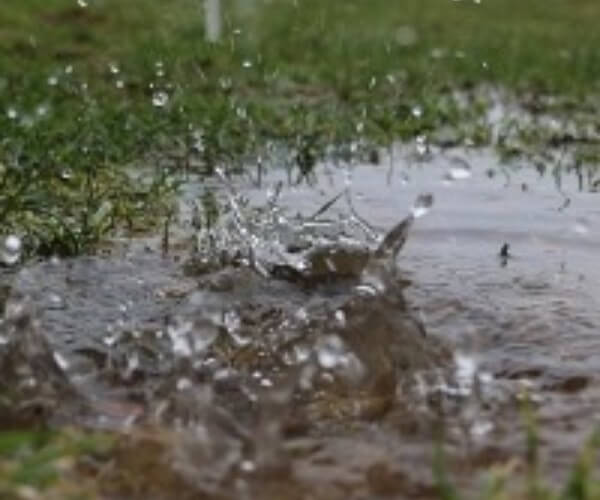
Standing water can suffocate grass roots. Use a rake or shovel to create small channels. This helps water drain away faster. You can also use a wet vacuum for large pools. Removing water quickly prevents long-term damage.
Improving Lawn Drainage
Improving lawn drainage is essential after heavy rain causes waterlogging. Proper drainage helps water move away from your grass. It prevents root damage and promotes healthy growth. Simple steps can fix drainage problems and restore your lawn’s health.
Aerating The Soil
Aeration creates small holes in the soil. This allows air, water, and nutrients to reach grass roots. Use a garden fork or aerator tool for this task. Aerate your lawn during dry weather for best results. This reduces soil compaction and improves water absorption.
Filling Low Spots
Low spots collect water and cause pooling. Fill these areas with a mix of soil and sand. Level the surface to match the rest of your lawn. This helps water drain evenly and stops puddles from forming. Check your lawn after rain to find these problem areas.
Regrading Yard Surface
Regrading means adjusting the slope of your yard. The goal is to guide water away from your lawn and house. Use a shovel or hire a professional for larger jobs. A slight slope of about 2% away from buildings is ideal. Proper grading prevents water from standing on your lawn.
Credit: www.georgedaviesturf.co.uk
Installing Drainage Solutions
Installing drainage solutions helps prevent your lawn from staying wet too long. Waterlogged soil harms grass roots and invites pests. Proper drainage moves excess water away quickly. It keeps your lawn healthy and green.
Several simple systems improve drainage. They fit different yard sizes and budgets. Choose one that works best for your lawn’s shape and soil type. Start fixing soggy spots today with these ideas.
French Drains Setup
French drains guide water away from wet areas. Dig a trench where water pools or flows. Line it with landscape fabric to block soil. Add gravel for drainage and place a perforated pipe inside. Cover pipe with more gravel and soil. Water enters pipe and flows out to a safe area. French drains work well for large yards and heavy rain.
Creating Dry Wells
Dry wells collect water and let it soak underground. Dig a deep hole in a low spot. Fill it with gravel or stones. Water drains into the well, then slowly seeps into soil below. Dry wells reduce surface water and prevent puddles. They are easy to install and save your grass from standing water.
Building Rain Gardens
Rain gardens absorb rainwater and slow runoff. Pick a low area that gets water after rain. Plant water-loving flowers and shrubs there. These plants soak up excess water and filter it. Rain gardens add beauty and help control water naturally. They keep your lawn dry and healthy without pipes or digging deep trenches.
Choosing Water-tolerant Plants
Choosing water-tolerant plants helps your lawn survive heavy rains. These plants handle wet soil and reduce damage. They keep your yard green and healthy even after flooding. Select plants that thrive in soggy conditions. This choice prevents bare patches and soil erosion. It also lowers lawn maintenance during wet seasons.
Replacing Damaged Grass
Start by removing grass that dies from too much water. Clear away dead patches carefully. Choose grass types that handle wet soil well. Ryegrass and fescues tolerate water better than others. Plant new grass in early fall or spring for best results. Keep the soil loose to improve drainage and root growth.
Selecting Wetland-friendly Species
Pick plants that naturally grow in wetlands or moist areas. These species thrive in soggy conditions without rotting. Examples include sedges, rushes, and some ferns. They add texture and color to your lawn. Wetland plants improve soil structure and absorb excess water. Plant them in low spots where water pools after rain.
Planting Ground Covers
Ground covers spread quickly and protect soil from erosion. Choose varieties that tolerate wet feet, such as creeping jenny or ajuga. These plants fill empty spaces and reduce mud. They need less mowing than grass and stay green longer. Plant ground covers on slopes or areas prone to puddling. This keeps your lawn stable and attractive.

Credit: www.youtube.com
Preventing Future Waterlogging
Preventing future waterlogging is key to keeping your lawn healthy and green. Taking simple steps can stop water from pooling and damaging grass. Good drainage and proper care help your lawn recover faster after heavy rains. Focus on soil health, watering habits, and smart landscaping choices to avoid soggy spots.
Maintaining Proper Soil Health
Healthy soil absorbs water better. Aerate your lawn regularly to reduce soil compaction. Add organic matter like compost to improve soil structure. Well-drained soil lets water soak in and reach grass roots. Avoid heavy machinery that crushes the soil surface. Test soil pH and nutrients to keep grass strong.
Adjusting Irrigation Habits
Water your lawn only when needed. Overwatering adds to waterlogging problems. Water early in the morning to reduce evaporation. Use a rain sensor on sprinklers to avoid watering after rain. Check irrigation systems for leaks and broken heads. Less water means less chance of soggy patches.
Using Permeable Pavers
Permeable pavers allow water to pass through, reducing runoff. Use them in patios, walkways, and driveways near your lawn. They help water soak into the ground instead of pooling on the surface. Choose materials like porous concrete, brick, or gravel pavers. This simple change can improve drainage and prevent waterlogging.
Dealing With Fungus And Disease
After heavy rain, lawns often become waterlogged, creating a perfect environment for fungus and disease. These problems can quickly damage grass, leaving brown patches and unhealthy turf. Taking steps to manage fungus and disease helps your lawn recover faster and stay green.
Identifying Common Lawn Diseases
Look for spots or patches of discolored grass. Brown, yellow, or gray areas may signal fungal infections. Common diseases include brown patch, dollar spot, and powdery mildew. Mushy or slimy grass often means fungal growth. Early detection is key to preventing spread.
Applying Appropriate Treatments
Use fungicides labeled for your lawn type and disease. Apply treatments on dry days for best results. Follow package instructions carefully to avoid damage. Remove dead grass to reduce fungal spores. Water early in the day to help grass dry quickly.
Encouraging Healthy Regrowth
Rake the lawn gently to remove debris and improve air flow. Aerate compacted soil to help roots breathe. Fertilize with a balanced lawn fertilizer to support growth. Mow regularly but avoid cutting too short. Keep watering moderate and consistent to prevent stress.

Credit: lawnsolutionsaustralia.com.au
Long-term Lawn Recovery
Recovering a lawn after heavy rain takes time and care. Waterlogged grass often suffers from compacted soil and weak roots. Focus on long-term steps to restore its health and prevent future damage. Follow these simple yet effective methods to help your lawn bounce back.
Topdressing With Soil
Topdressing improves soil structure and drainage. Spread a thin layer of quality soil or compost over your lawn. This helps fill low spots where water pools. It also promotes better root growth. Do this in early spring or fall for best results.
Overseeding Bare Areas
Heavy rain can kill grass in some spots. Overseed these bare patches to encourage new growth. Choose grass seed that matches your lawn type. Lightly rake the soil before spreading seeds. Keep the area moist until grass sprouts.
Regular Lawn Maintenance Tips
Maintain your lawn by mowing regularly at the right height. Avoid cutting grass too short to reduce stress. Aerate your lawn yearly to relieve soil compaction. Water deeply but less often to encourage strong roots. Remove debris and thatch to improve air flow.
Frequently Asked Questions
How To Dry Out A Soggy Lawn?
Aerate the lawn to improve drainage and reduce soil compaction. Fill low spots with soil. Install French drains or dry wells to divert excess water. Avoid mowing wet grass and adjust watering habits. Use wet-tolerant plants in persistently soggy areas to prevent future waterlogging.
Can Grass Recover From Too Much Water?
Grass can recover from too much water with proper drainage and reduced watering. Aerate soil to improve oxygen flow. Remove standing water quickly to prevent root damage. Adjust watering habits to avoid future overwatering. Healthy grass regrows once soil dries and conditions improve.
How Long Does It Take For A Lawn To Dry Out After Rain?
A lawn usually takes 24 to 48 hours to dry after rain, depending on temperature, sunlight, and soil drainage.
How To Recover A Lawn From Overwatering?
Stop watering temporarily to let soil dry. Aerate the lawn to improve drainage. Fix low spots and remove excess water. Adjust watering schedule to prevent future overwatering.
Conclusion
Fixing a waterlogged lawn takes time and care. Start by removing excess water quickly. Aerate the soil to help air reach grass roots. Fill low spots to prevent future pooling. Consider adding drainage solutions for lasting results. Monitor your lawn’s health and adjust watering habits.
A healthy lawn bounces back with patience and effort. Keep these simple steps in mind after heavy rain. Your lawn will thank you with greener, stronger grass.