

Want to keep your lawn looking lush and green without wasting water or money? Understanding how to water your lawn by zones is the key.
When you treat each area of your yard based on its unique needs, you give your grass the right amount of moisture exactly where it needs it most. This simple strategy not only saves water but also helps your lawn thrive even during hot Texas summers.
Keep reading, and you’ll discover an easy-to-follow guide that will transform the way you care for your lawn—making watering smarter, faster, and more efficient. Your lawn will thank you for it!

Credit: earthwiseseed.com
Lawn Zones Basics
Understanding the basics of lawn zones is key to healthy grass and efficient watering. Lawn zones divide your yard into sections based on their watering needs. This method helps you give the right amount of water to each part of your lawn. It prevents waste and keeps your grass green and strong.
By learning how to set and manage zones, you can save water and time. It also reduces the risk of overwatering or underwatering. Proper zoning matches watering schedules to the specific needs of your lawn areas.
What Are Lawn Zones
Lawn zones are sections of your yard grouped by watering needs. Each zone gets water separately from the others. Zones let you control how much water each area receives. This is important because some parts of your lawn need more water than others. Factors like sun, soil, and grass type affect these needs.
Benefits Of Zoning
Zoning helps use water wisely and saves money on water bills. It ensures your lawn gets the right amount of water, which keeps it healthy. You avoid watering areas too much or too little. Zoning also reduces water runoff and soil erosion. It makes your lawn care more efficient and eco-friendly.
Common Zone Types
Typical lawn zones include sunny spots, shady areas, and slopes. Sunny zones need more water because they dry out fast. Shady zones require less water since they stay moist longer. Slopes need careful watering to prevent runoff. Grouping these areas into zones makes watering easier and more effective.
Credit: grow.ifa.coop
Planning Your Zones
Planning your lawn watering zones helps save water and keeps grass healthy. Dividing your lawn into zones allows you to water different areas correctly. Each zone can have its own watering schedule based on its needs.
Assessing Lawn Layout
Start by looking at your lawn’s shape and size. Note areas with slopes, curves, or flat surfaces. Identify hard-to-reach spots or places near buildings and paths. These details help decide how many zones you need and where to place sprinklers.
Soil And Grass Types
Check what type of soil you have: sandy, clay, or loam. Sandy soil drains water quickly and needs more frequent watering. Clay soil holds water longer but can cause puddles if overwatered. Also, know your grass type. Some grasses need more water, while others tolerate dry conditions better.
Sunlight And Shade Areas
Observe where sunlight hits your lawn during the day. Areas in full sun dry out faster and need more water. Shaded spots stay moist longer and need less water. Mark these zones separately to adjust watering times and avoid wasting water.
Watering Techniques By Zone
Watering your lawn by zones helps deliver the right amount of water to each area. Different zones may have varied soil types, sun exposure, and plant needs. Using proper watering techniques for each zone ensures healthy grass and saves water. Tailoring your approach prevents overwatering or underwatering.
Sprinkler Settings For Each Zone
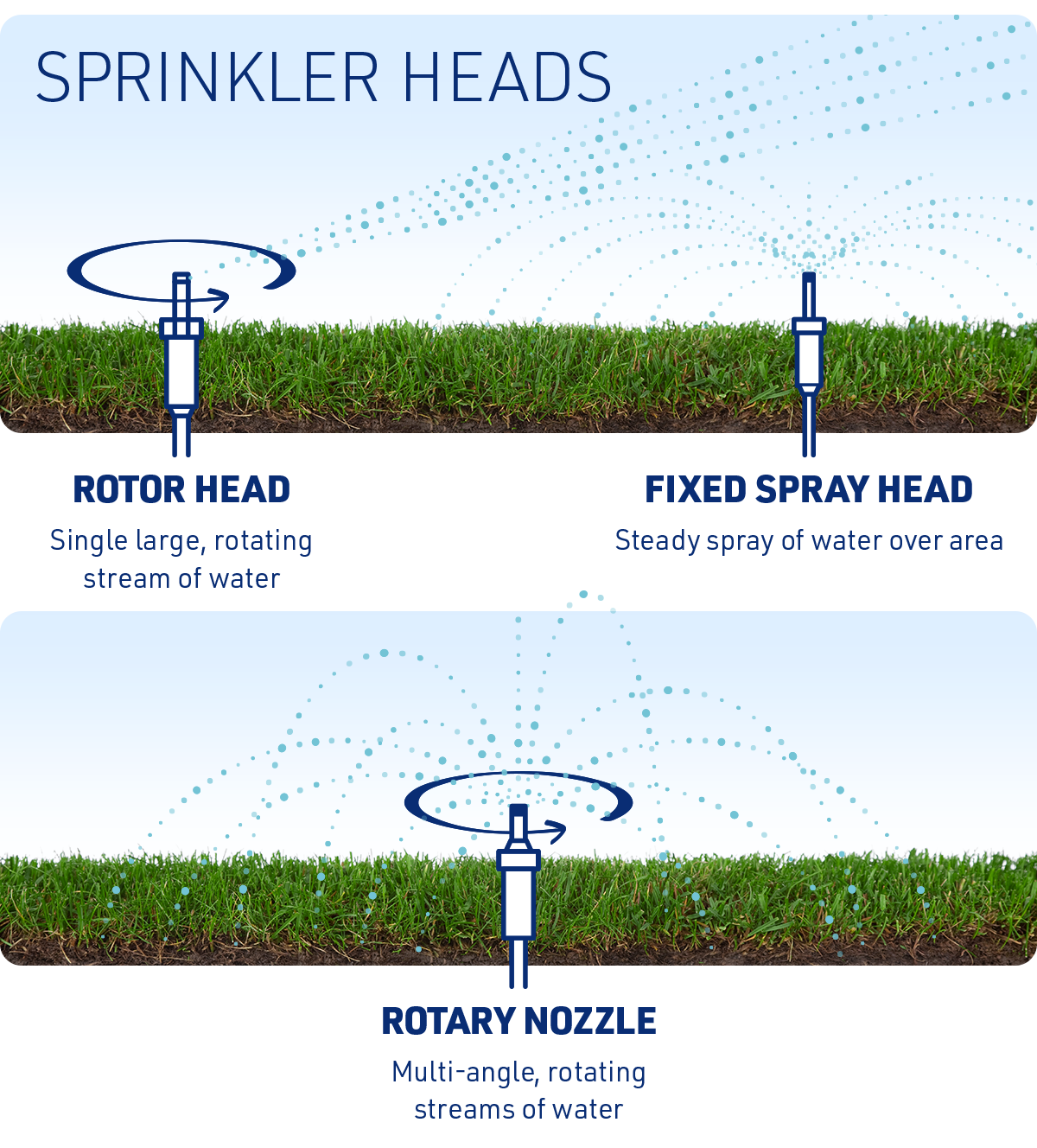
Adjust sprinkler heads based on the zone’s size and shape. Use a full-circle setting for large, open areas. Half-circle or quarter-circle settings fit edges or corners. Set spray distance to avoid watering sidewalks or driveways. Water early in the morning to reduce evaporation. Check sprinkler coverage to avoid dry spots.
Drip Vs. Spray Irrigation
Drip irrigation delivers water slowly at the roots. It suits flower beds and shrubs, reducing runoff. Spray irrigation covers larger lawn areas quickly. It works well on flat, open spaces. Choose drip systems for water efficiency and targeted watering. Use spray systems for broad coverage and quick watering.
Using Soaker Hoses Effectively
Lay soaker hoses close to plant roots for deep watering. Avoid placing them on top of mulch to prevent clogging. Use a timer to control watering duration and frequency. Check hoses regularly for leaks or blockages. Soaker hoses work best in garden beds and narrow zones. They keep soil moist without wasting water.
Credit: organolawn.com
Timing Your Watering
Timing your watering plays a big role in keeping your lawn healthy and green. Watering at the right time helps the grass absorb water better. It reduces waste from evaporation and runoff. Adjusting your watering schedule by season also saves water and protects your lawn.
Best Time Of Day
Water your lawn early in the morning. Between 4 a.m. and 10 a.m. is ideal. The air is cooler and wind is usually calm. This lets water soak deep into the soil. Avoid watering in the heat of the day. Watering at night can cause fungus and disease.
Seasonal Adjustments
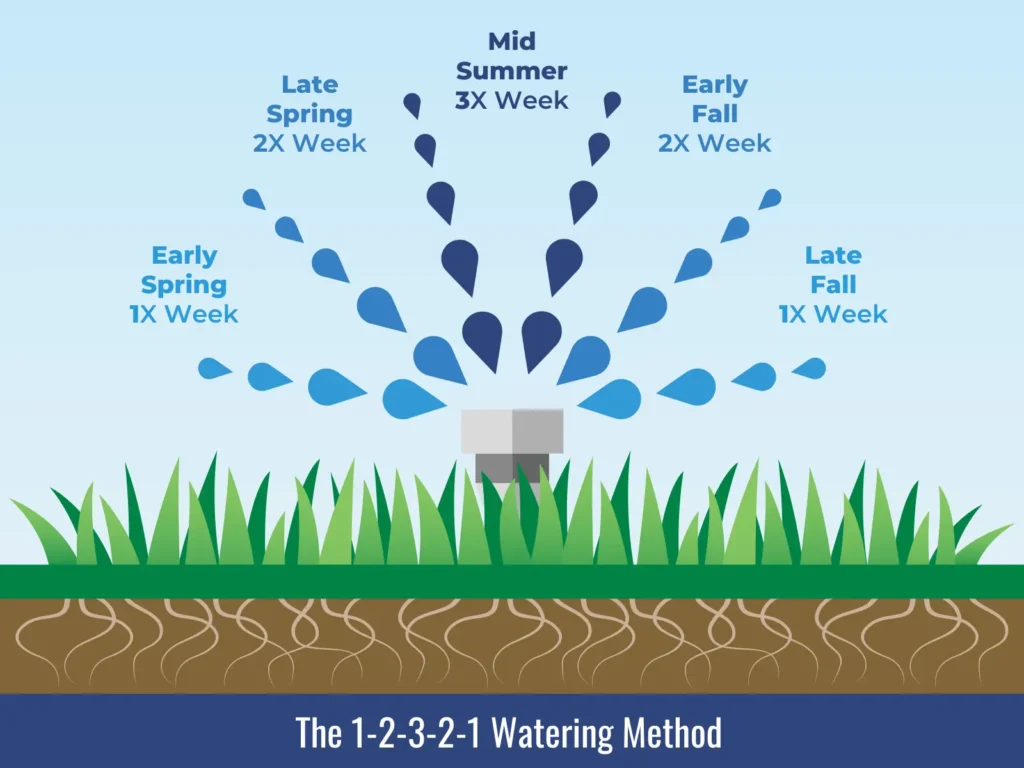
Change your watering routine with the seasons. In spring and fall, water less often. Grass grows slower and needs less water. During hot summer months, increase watering frequency. Dry weather and heat make grass thirsty. In winter, reduce watering or stop if rain is frequent.
Frequency Recommendations
Water your lawn deeply but less often. This encourages roots to grow deep and strong. Aim for about 1 inch of water each week. Spread this over one or two watering sessions. Avoid daily shallow watering. It weakens roots and wastes water.
Smart Irrigation Tools
Smart irrigation tools bring precision and ease to lawn watering. They help save water and keep your grass healthy. These tools adjust watering based on real data. This means your lawn gets the right amount of water, no more, no less. Using these tools can lower water bills and protect the environment.
Weather-based Controllers
Weather-based controllers adjust watering based on the weather forecast. They stop watering when rain is predicted. They also reduce watering during cool or cloudy days. These controllers use local weather data to make smart choices. This helps prevent overwatering and keeps your lawn healthy.
Soil Moisture Sensors
Soil moisture sensors measure the water level in the soil. They tell the irrigation system when the soil is dry or wet. This stops watering if the soil already has enough moisture. Sensors help avoid watering too much or too little. They improve lawn health by giving water only when needed.
Automated Scheduling
Automated scheduling sets watering times and amounts automatically. You can program it for different zones in your lawn. This way, each area gets the right water for its needs. Scheduling saves time and prevents guesswork. It ensures your lawn stays green without wasting water.
Water Conservation Tips
Saving water while keeping your lawn healthy is important. Using smart watering habits helps keep your lawn green and reduces water waste. Follow these simple water conservation tips to protect your lawn and the environment.
Mulching Benefits
Mulch keeps soil moist by reducing evaporation. It also blocks weeds that steal water from your lawn. Applying mulch around plants and lawn edges helps retain water longer. This means less frequent watering and a healthier lawn.
Avoiding Overwatering
Too much water harms grass and wastes resources. Water your lawn only when the top inch of soil is dry. Early morning watering reduces evaporation loss. Adjust watering based on weather and soil type to avoid overwatering.
Rainwater Harvesting
Collecting rainwater provides a free water source for your lawn. Use rain barrels or other systems to capture rain from roofs. Stored rainwater can be used during dry days, reducing your reliance on tap water. This saves money and conserves water.
Troubleshooting Watering Issues
Watering a lawn by zones ensures each area gets the right amount of water. Still, some common problems may arise. These issues can cause dry patches, water waste, or uneven growth. Troubleshooting watering problems keeps your lawn healthy and green. This section helps you find and fix these watering challenges easily.
Identifying Dry Spots
Dry spots appear when some lawn areas get less water. Look for brown or yellow patches. Check soil moisture by digging a small hole. Dry soil means the sprinkler is not reaching that spot. Adjust sprinkler heads or add extra watering time for those areas. Regularly inspect your lawn to catch dry spots early.
Managing Runoff
Runoff happens when water flows off the lawn instead of soaking in. It wastes water and can cause erosion. Slow down watering by breaking it into shorter cycles. Use drip irrigation or soaker hoses in problem zones. Check the slope and soil type to help water absorb better. Avoid watering too fast or too long in one spot.
Fixing Uneven Coverage
Uneven coverage leads to patchy grass and weak spots. Check sprinkler heads for clogs or damage. Replace broken nozzles and clean filters regularly. Adjust the spray pattern and distance to cover all areas. Use multiple zones to water different lawn parts properly. Test your system by watching how water spreads over the lawn.
Regional Considerations
Watering your lawn by zones helps save water and keeps grass healthy. Regional factors affect how and when to water. Understanding these local details improves lawn care and prevents waste.
Each area has unique climate, soil, and watering rules. Adapting to these elements ensures your lawn thrives.
Watering Laws In Austin, Texas
Austin has strict watering rules to protect water resources. Lawns can be watered twice a week only. No watering is allowed between 10 a.m. and 7 p.m.
These rules help reduce water waste during hot months. Following local laws avoids fines and keeps your lawn green.
Adapting To Local Climate
Austin’s climate is hot and dry most of the year. Lawns need deep, infrequent watering to survive heat. Morning watering reduces evaporation and helps roots absorb water better.
Adjust watering times and amounts based on weather changes. Cooler seasons require less water than summer.
Choosing Drought-resistant Grass
Select grass types that tolerate dry conditions well. Buffalo grass, Bermuda, and Zoysia are good options for Austin. These grasses need less water and stay green longer.
Drought-resistant lawns reduce water bills and stay healthy during droughts. They require less maintenance and recover quickly after dry spells.
Frequently Asked Questions
How Often Should I Water My Lawn By Zones?
Water each zone 1-2 times weekly depending on grass type and weather. Adjust frequency during rainy or dry periods to avoid overwatering.
What Is The Best Time To Water Lawn Zones?
Early morning, between 4 AM and 10 AM, is ideal. This reduces evaporation and allows grass to dry before night, preventing disease.
How Long Should Sprinklers Run In Each Zone?
Run sprinklers 15-30 minutes per zone to ensure deep watering. Time varies by soil type; sandy soils need less, clay soils need more.
How Do I Set Irrigation Zones For My Lawn?
Group plants with similar water needs in one zone. This ensures efficient watering and avoids over or underwatering specific lawn areas.
Conclusion
Watering your lawn by zones saves water and promotes healthy grass. Each zone needs a specific amount of water. Adjust your schedule based on weather and soil type. Check for dry spots or overwatered areas regularly. Proper watering helps your lawn stay green and strong.
Keep your system well-maintained to avoid waste. Use this guide to create a balanced watering plan. Your lawn will thrive with consistent, zone-based care. Small changes lead to big improvements over time.