
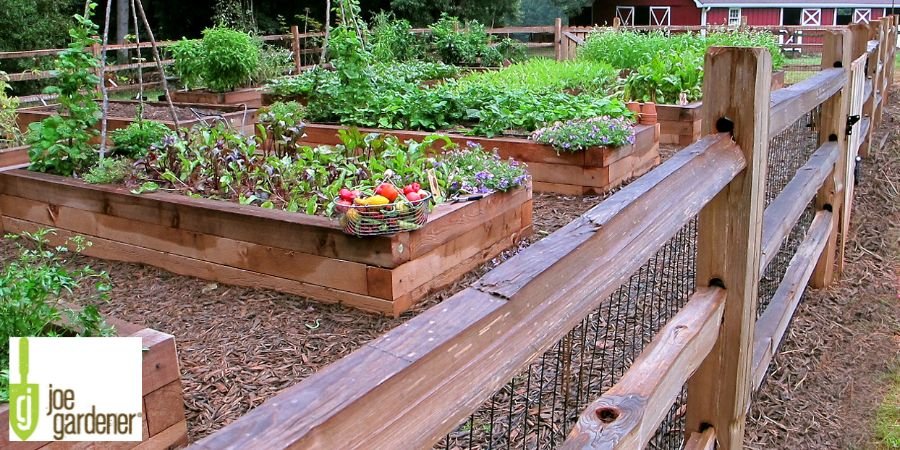
Water vegetables in raised beds early in the morning to ensure deep root hydration without over-saturation.
Caring for vegetables in raised beds requires a nuanced understanding of their needs, especially when it comes to watering. Whether you're a seasoned gardener or a budding enthusiast, knowing how to water vegetables efficiently can make all the difference in your harvest. Raised beds offer excellent drainage and soil quality, but they also require a strategic approach to ensure plants receive the right amount of moisture. In this guide, we'll explore the best practices, tools, and expert tips for watering vegetables in raised beds, offering insights that will help your garden thrive.
Understanding Raised Bed Watering
Raised beds offer improved drainage and control over soil conditions, but mastering the art of watering these beds can elevate your gardening game. Here’s how:
- Morning is Key: Watering early in the day prevents evaporation and fungal growth.
- Check Moisture Levels: Use your finger or a moisture meter to gauge soil wetness.
- Avoid Over-Watering: Ensure water reaches the roots without pooling.
The Benefits of Watering with Precision
- Prevents Disease: Proper watering reduces mold and fungus.
- Promotes Healthy Growth: Consistent moisture supports nutrient absorption.
- Conserves Water: Efficient practices reduce waste and save resources.

Choosing the Right Tools
Selecting the right tools can simplify your watering routine:
- Soaker Hoses: Deliver water directly to the roots, reducing surface evaporation.
- Drip Irrigation Systems: Offer timed, controlled watering for conservation.
- Watering Cans: Ideal for those who prefer a hands-on approach.
Practical Example: Using Soaker Hoses
Simply lay the hoses along your plant rows, and let them work their magic. They are a personal favorite for maintaining steady moisture levels with minimal effort.
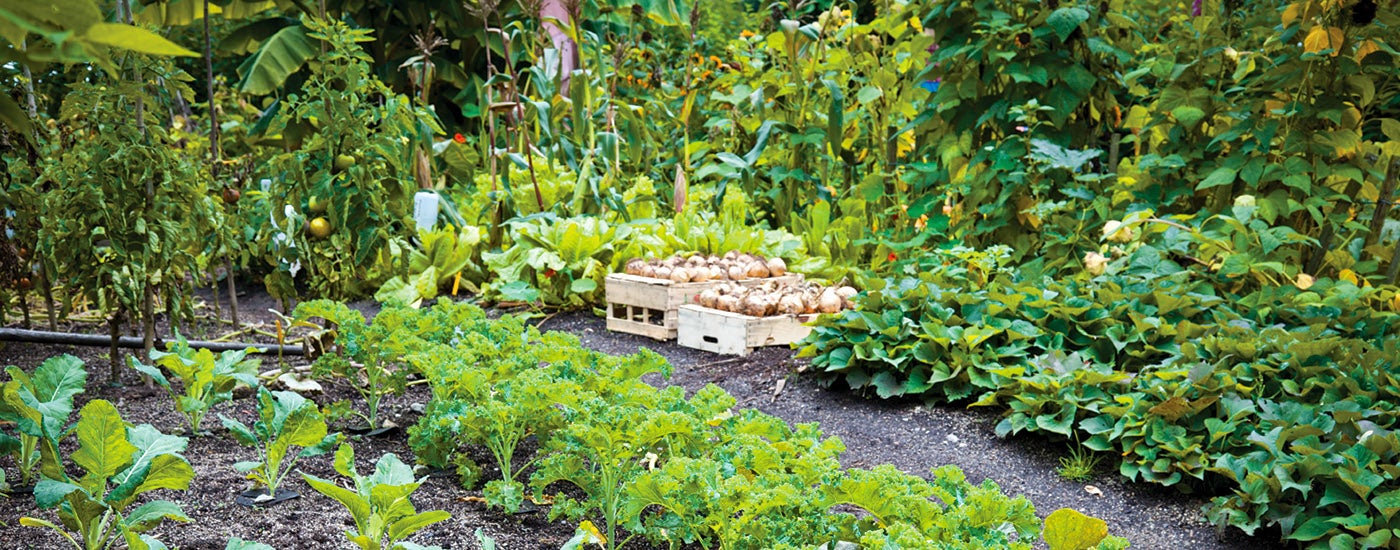
Establishing a Watering Schedule
Consistency is crucial for vegetable gardens:
- Frequency: Water deeply 2-3 times a week, adjusting for weather conditions.
- Duration: Aim for about one inch of water per week, including rainfall.
- Adjustment: Monitor plant health and alter schedules as needed.
Real-Life Tip: Adapting to Climate
If you live in a hot, dry climate, consider shading techniques or mulch to retain soil moisture.
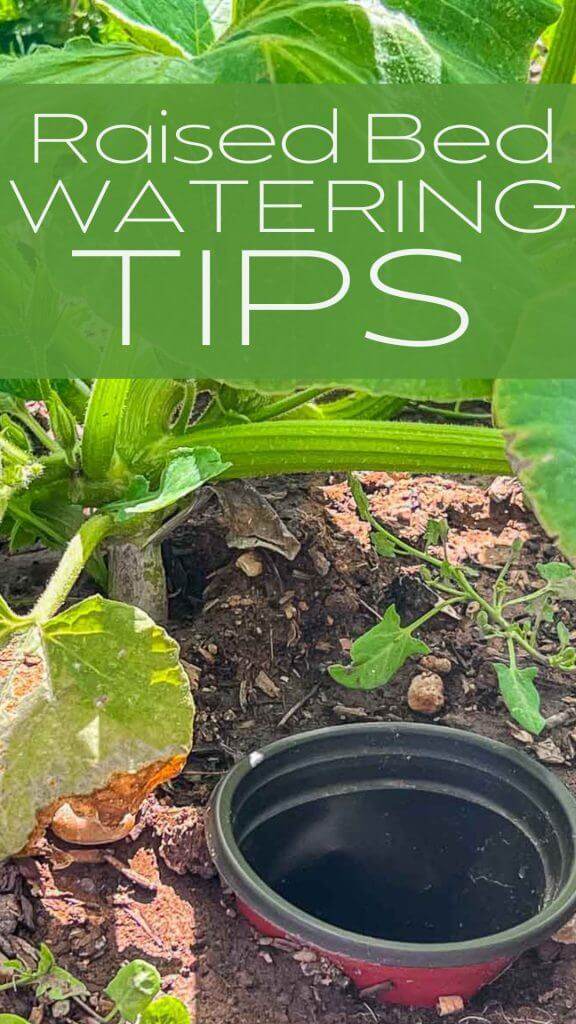
Improving Water Retention with Mulch
Adding mulch can significantly impact moisture retention:
- Material Choices: Straw, wood chips, or compost are effective options.
- Application Depth: Spread 2-3 inches of mulch to lock in moisture.
- Additional Benefits: Mulch also suppresses weeds and regulates soil temperature.
Insights from Experience
In my own garden, a layer of straw has consistently helped maintain even soil moisture, even during summer dry spells.
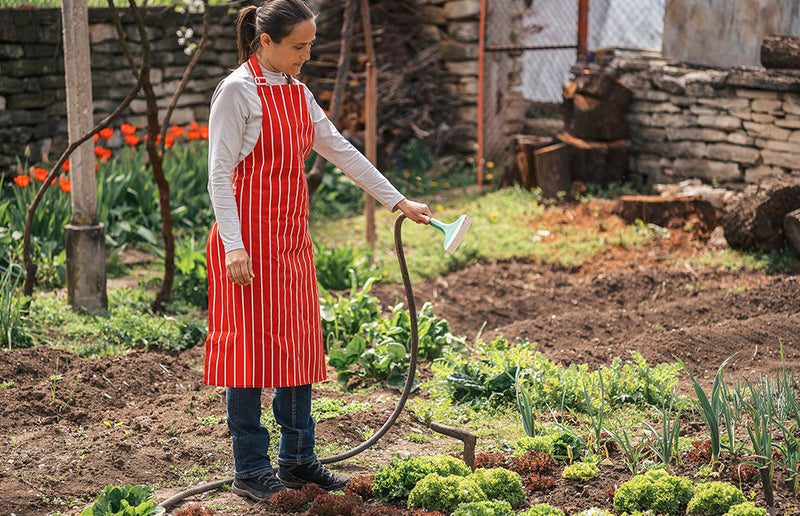
Frequently Asked Questions About Watering Vegetables in Raised Beds
How often should I water vegetables in raised beds?
Water about 2-3 times a week, but adjust depending on rainfall and temperature.
Can I use tap water for my raised bed garden?
Yes, but let it sit for 24 hours to allow chlorine to dissipate.
Should I water my raised beds during winter?
Limit watering in winter unless there's an unexpected dry spell.
What is the best time of day to water raised beds?
Early morning is best to reduce evaporation and fungal risks.
Can I over-water in raised beds?
Yes, over-watering can lead to root rot; ensure proper drainage.
Conclusion
Mastering how to water vegetables in raised beds is an essential skill that can transform your gardening results. By implementing these tips, from choosing the right tools to establishing a strategic watering schedule, you can ensure a thriving, productive garden. Now, it's time to put these insights into practice and watch your vegetable garden flourish. Explore more resources, subscribe to our newsletter for additional tips, or leave a comment with your own experiences!