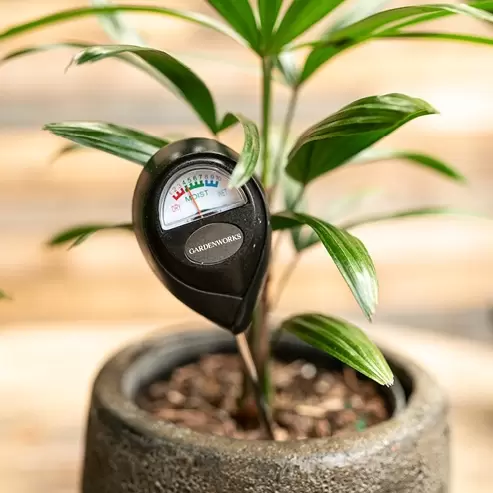
A moisture meter helps prevent overwatering by accurately measuring soil moisture levels.
Understanding how to use a moisture meter for your plants can transform your gardening experience. Whether you're a new plant parent or a seasoned gardener, maintaining the right moisture balance is crucial. This comprehensive guide will not only help you master moisture meter use but also ensure your plants get the right care they need. Get ready to optimize your watering routine and improve plant health with expert tips and insights.
Understanding Moisture Meters
Moisture meters are handy tools that measure the moisture content in the soil. They remove the guesswork from watering, helping you provide the right amount of water to your plants. Understanding how these devices work is essential for effective use.
Benefits of Using a Moisture Meter
- Prevent Overwatering: By accurately reading soil moisture, it helps prevent root rot.
- Improve Plant Health: Plants receive optimal hydration, boosting growth and vitality.
- Easy to Use: Most moisture meters are user-friendly with simple insertion into the soil.
How Moisture Meters Work
Moisture meters typically consist of a probe that you insert into the soil. They measure the electrical resistance between two points, which changes with the soil's moisture content. This reading indicates whether the soil is too dry, too wet, or just right.
How to Use a Moisture Meter for Plants
Here's a step-by-step guide to using a moisture meter effectively:
-
Insert the Probe: Gently push the meter's probe into the soil near the plant's root zone. Avoid inserting it too close to the plant’s stem.
-
Read the Gauge: Once the probe is in the soil, check the gauge or digital display. Most meters have a scale from 1 to 10, with 1 being dry and 10 being wet.
-
Understand Your Plant's Needs: Different plants require different moisture levels. Familiarize yourself with your plant's specific needs, which often range between slight moisture and moderate wetness.
-
Adjust Watering Accordingly: Based on the meter's reading, decide whether you need to water your plant. If the meter shows that the soil is still moist, wait for it to dry out before watering again.
-
Maintain Consistency: Regularly check soil moisture to ensure your plants are consistently receiving the right amount of water.
Tips for Using a Moisture Meter Effectively
- Calibrate Your Meter: Some meters need calibration. Follow the manufacturer's instructions for accurate readings.
- Test in Multiple Spots: Check moisture in various parts of the pot for a complete assessment.
- Clean the Probe: After use, wipe the probe clean to avoid soil buildup and maintain accuracy.
- Know Your Plant Types: Some plants prefer drier conditions, while others thrive in moist environments. Adapt your watering strategies accordingly.
Common Mistakes to Avoid
- Ignoring the Meter's Feedback: Trust the meter's readings rather than watering on a strict schedule.
- Not Testing Deep Enough: Ensure the probe reaches the root zone for accurate readings.
- Using in Extremely Dry Soil: Extreme dryness may give inaccurate readings, leading to overwatering.
Frequently Asked Questions about Moisture Meters for Plants
How accurate are moisture meters?
While generally reliable, a moisture meter's accuracy can depend on calibration and care. Regular maintenance enhances reliability.
Can I use a moisture meter for all plants?
Yes, but remember to adjust for different plants' moisture needs. Understanding individual requirements is crucial.
Do moisture meters work in all soil types?
They work in most, but sandy or very rocky soils might affect readings. Ensure the probe makes good contact with the soil.
Is a digital meter better than an analog one?
Both can be effective. Digital meters often provide easier-to-read results, but user preference plays a role.
How often should I use a moisture meter?
Use it whenever you’re unsure about the soil moisture. For consistency, check soil conditions weekly or before watering.
Conclusion
Using a moisture meter can revolutionize your plant care routine by helping you avoid common pitfalls like overwatering. With this tool, you gain precision and peace of mind, ensuring your plants thrive. Embrace the art of accurate watering, and watch your greenery flourish. Dive deeper into plant care, and support your gardening journey by connecting with fellow plant enthusiasts or exploring further resources. Share your experiences or subscribe for more gardening insights.