
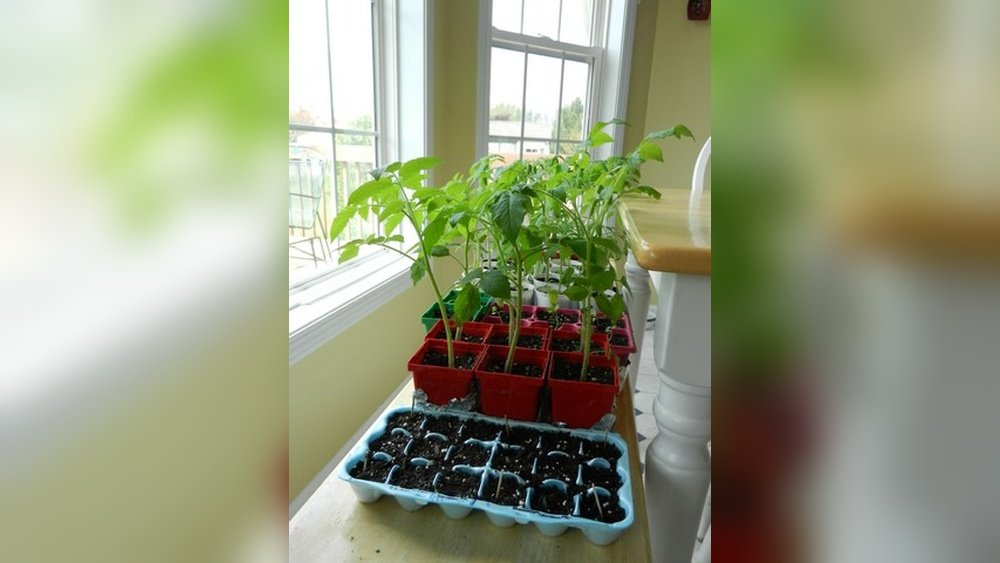
Starting seeds indoors is an exciting way to get a jump on your garden. But once those tiny seedlings sprout, they need your careful attention to grow strong and healthy before moving outside.
If you rush this step or don’t care for them properly, your plants may struggle or even fail when transplanted. You’ll learn simple, effective ways to nurture your indoor seed starts—how to water, light, and feed them correctly, and most importantly, how to prepare them for the big move outdoors.
Follow these steps, and your garden will thank you with vibrant, thriving plants all season long. Keep reading to discover how to protect your investment and watch your seedlings flourish!

Credit: www.amazon.com
Seed Starting Essentials
Starting seeds indoors gives plants a strong beginning. It helps control temperature, moisture, and light. Proper care at this stage boosts seedling health and growth. Understanding seed starting essentials is key to success.
Each step, from container choice to planting depth, affects seedling development. Small mistakes can cause weak or leggy plants. Follow simple guidelines to create ideal conditions for young seedlings.
Choosing The Right Containers
Pick containers with good drainage to avoid water buildup. Seed trays, peat pots, or small plastic cups work well. Clean containers prevent disease and mold on seedlings. Use containers that fit your space and seed quantity.
Selecting Seed Starting Mix
Use a light, well-draining seed starting mix. Avoid heavy garden soil that can suffocate roots. A mix with peat moss, vermiculite, or coconut coir keeps moisture balanced. This mix helps seeds sprout and roots grow strong.
Proper Seed Planting Depth
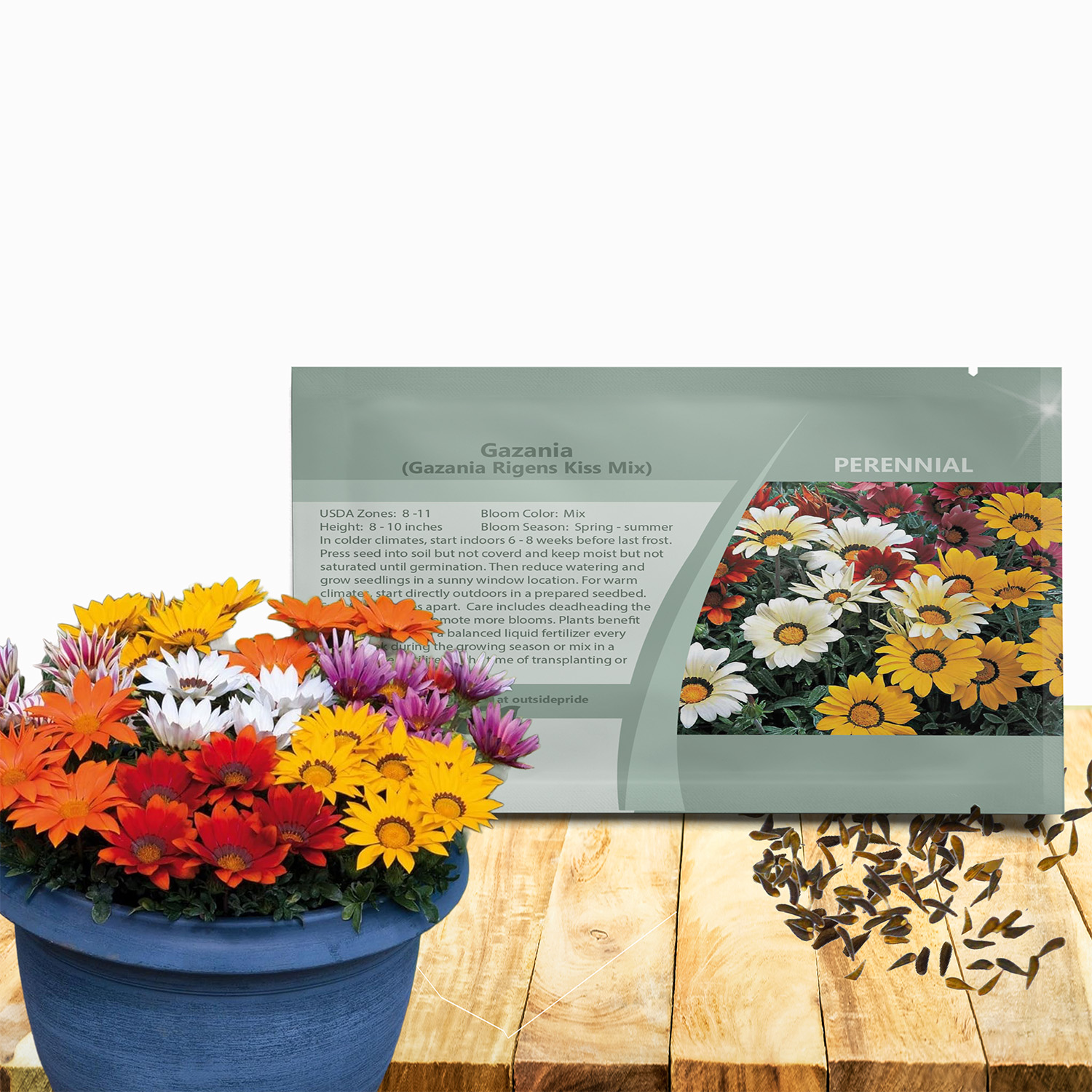
Plant seeds at the correct depth for best germination. Too deep, and seeds struggle to reach the surface. Too shallow, and seeds can dry out or wash away. Follow seed packet instructions for depth guidance.
Credit: www.outsidepride.com
Watering Tips
Watering indoor seed starts correctly is key for healthy growth before planting outside. Proper moisture helps seeds sprout strong roots and sturdy stems. Watch your seedlings closely to keep water levels just right. Too much or too little water can harm young plants.
Follow these watering tips to support your seed starts during this critical stage. Understanding how to avoid overwatering, prevent underwatering, and ensure good drainage will give your seedlings the best chance to thrive.
Avoiding Overwatering
Overwatering causes roots to sit in soggy soil. This leads to root rot and weak seedlings. Water only when the top soil feels dry. Use a spray bottle or gentle watering can to avoid flooding. Let excess water drain away to prevent puddles.
Preventing Underwatering
Underwatering dries out young roots and slows growth. Check soil moisture daily, especially in warm rooms. Water enough to moisten the soil but not soak it. Seedlings need consistent moisture to stay healthy and grow fast.
Ensuring Good Drainage
Good drainage stops water from pooling at the roots. Use containers with holes at the bottom. Place trays under pots to catch extra water. Make sure seed starting mix is light and well-draining, not heavy or compacted.
Lighting Needs
Lighting is crucial for growing healthy indoor seed starts. Seedlings need enough light to grow strong stems and green leaves. Without proper light, they become weak and stretched. Understanding the lighting needs helps prepare seedlings for outdoor planting.
Providing Adequate Light
Seedlings need 12 to 16 hours of light daily. Place them near a bright window or under grow lights. Rotate the trays to ensure even light on all plants. Avoid dark corners that limit light exposure. Proper light supports photosynthesis and healthy growth.
Using Artificial Vs Natural Light
Natural light is best but may not be enough indoors. Artificial grow lights offer a steady light source. Use full-spectrum LED or fluorescent lights. Position lights 2 to 4 inches above seedlings. Adjust height as plants grow to prevent burning. Artificial lights extend daylight hours in cloudy seasons.
Avoiding Leggy Seedlings
Leggy seedlings are tall and weak from too little light. Keep lights close to seedlings but not touching them. Increase light hours if stems stretch. Avoid placing seedlings in shaded areas. Strong light encourages compact, sturdy growth. Healthy seedlings survive better when moved outside.
Temperature Control
Temperature control plays a vital role in growing healthy indoor seed starts. Seeds need consistent warmth to sprout well. Young seedlings also require stable temperatures to grow strong before moving outdoors. Managing temperature helps prevent stress and supports steady growth.
Ideal Germination Temperatures
Most seeds germinate best between 65°F and 75°F (18°C to 24°C). Some seeds prefer warmer or cooler conditions. Check seed packets for specific temperature needs. Keeping soil warm speeds up germination. Avoid cold spots that slow or stop sprouting.
Managing Heat Mats
Heat mats provide bottom warmth to seed trays. Place mats under trays, not inside containers. Use a thermostat to keep temperature steady. Turn off mats once seedlings sprout. Overheating can dry out soil and harm roots. Monitor mats daily for proper function.
Preventing Temperature Fluctuations
Sudden temperature changes shock seedlings. Keep seed trays away from drafts and vents. Maintain room temperature between 65°F and 75°F (18°C to 24°C). Use a thermometer to track conditions. Avoid placing trays near windows with direct sun or cold air.
Seedling Care After Germination
After seedlings sprout, they need special care to grow strong and healthy. This stage is crucial before moving them outside. Proper attention helps avoid weak stems and poor growth. Focus on light, temperature, and watering to support young plants.
Removing Covers And Heat Sources
Once seedlings emerge, remove plastic covers to improve air flow. Covers trap moisture, causing mold or damping-off disease. Stop using heat mats as roots no longer need extra warmth. Cooler air prevents leggy, stretched stems. Keep seedlings near light to avoid weak growth.
Thinning Seedlings
Seedlings often grow too close together. Thin them by snipping weaker ones at soil level. Crowded plants compete for light and nutrients. Thinning helps remaining seedlings grow stronger and healthier. Handle gently to avoid disturbing roots of other seedlings.
Feeding And Fertilizing
Seedlings need nutrients for healthy growth. Use a weak liquid fertilizer once they develop their first true leaves. Avoid strong fertilizers that can burn tender roots. Feed every 7 to 10 days to support steady growth. Water before fertilizing to prevent root damage.
Hardening Off Seedlings
Hardening off seedlings is a crucial step before planting them outdoors. It helps young plants adjust from indoor conditions to the harsher outside environment. This process reduces transplant shock and increases survival rates. Proper hardening off improves seedling strength and vigor for garden success.
Gradual Outdoor Exposure
Start by placing seedlings outside in a sheltered spot for a few hours. Increase the time spent outdoors daily over one to two weeks. Bring plants indoors at night to protect them from cold temperatures. This slow exposure helps seedlings adapt to outdoor light and temperature changes.
Protecting From Sun And Wind
Young seedlings need protection from strong sun and wind. Use shade cloth or place them in a spot with filtered sunlight. Avoid direct afternoon sun to prevent leaf burn. Shield seedlings from strong winds using barriers or moving them close to walls or fences.
Timing For Transplanting
Transplant seedlings outdoors after they have adjusted to outdoor conditions. Usually, this is after 7 to 14 days of hardening off. Make sure there is no risk of frost in your area. Plant on a calm, cloudy day or in the late afternoon to reduce stress on seedlings.
Common Mistakes To Avoid
Taking care of indoor seed starts is key to growing strong plants. Avoiding common mistakes helps seedlings thrive before moving outside. Many new gardeners make errors that weaken or kill young plants. Recognizing these pitfalls improves success and saves time.
Ignoring Light Requirements
Seedlings need plenty of light to grow healthy and strong. Without enough light, plants become leggy and weak. Place your seed trays near a sunny window or use grow lights. Keep lights on for 12 to 16 hours daily. Adjust light distance to avoid burning or stretching seedlings.
Skipping Hardening Off
Hardening off means slowly exposing seedlings to outdoor conditions. This step prepares plants for sun, wind, and temperature changes. Skip hardening off, and seedlings may wilt or die. Start by placing seedlings outside for a few hours daily. Increase time outside over a week before planting in the garden.
Planting At Wrong Time
Planting seedlings outdoors too early harms their growth. Cold soil or frost can kill young plants. Check local frost dates and weather forecasts. Plant only when conditions are warm and stable. Waiting ensures seedlings adjust well and grow strong roots.
Credit: www.outsidepride.com
Frequently Asked Questions
What To Do After Seeds Germinate Indoors?
After seeds germinate indoors, remove heat mats and lids. Provide ample light and maintain consistent moisture. Thin seedlings for space. Begin hardening off by gradually exposing them to outdoor conditions before transplanting.
What Is The 70 30 Rule In Gardening?
The 70 30 rule in gardening means planting 70% structural plants and 30% filler plants. It balances garden design and promotes biodiversity.
When To Put Indoor Seedlings Outside?
Move indoor seedlings outside after the last frost date, when temperatures stay above 50°F (10°C). Harden them off gradually over 7-10 days by exposing them to outdoor conditions for increasing hours daily. This strengthens seedlings and prevents shock.
What Are Common Seed Starting Mistakes?
Common seed starting mistakes include overwatering, underwatering, poor light, wrong seed depth, using heavy soil, no drainage, skipping hardening off, and planting at wrong times. These cause weak, leggy, or dead seedlings. Use fresh seeds, proper containers, and maintain correct temperature for healthy growth.
Conclusion
Caring for indoor seed starts prepares plants for outdoor success. Keep seedlings strong by giving enough light and water. Avoid overwatering and use proper soil for best growth. Gradually expose seedlings to outdoor conditions to reduce shock. Healthy seedlings grow into vibrant, thriving plants in your garden.
Follow these simple steps to enjoy a fruitful planting season. Your patience and care will reward you with a beautiful garden. Start well, and your plants will flourish outside.