
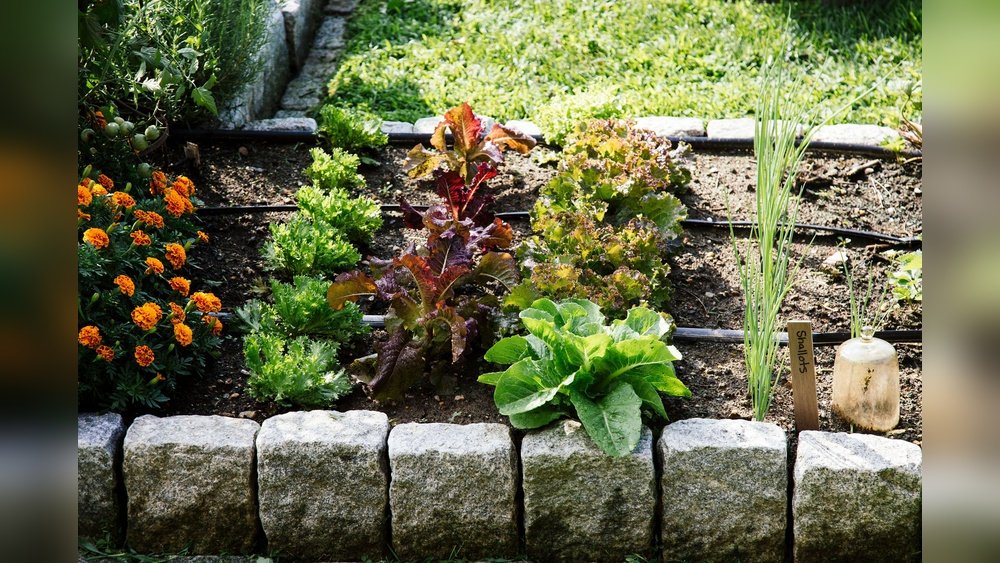
A lush, productive raised garden bed can transform a backyard or even a small patio into a vibrant source of fresh vegetables and flowers. But even the healthiest plants and richest soil will struggle if watering isn’t done properly. Many new gardeners assume watering is simple—just pour water and you’re done.
However, the unique design of raised beds changes how water moves through the soil and reaches plant roots. Overwatering, underwatering, and poor timing can all hurt your plants, no matter how perfect the rest of your setup. Understanding how to water a raised garden bed correctly is essential for gardeners who want strong, thriving plants and a reliable harvest.
Let’s dive into the key principles and best practices for watering raised beds, with tips that even experienced gardeners often miss.
Why Watering Raised Garden Beds Is Different
Raised beds are not just regular gardens with walls. Their design influences how water acts in several important ways:
- Better drainage: Raised beds usually drain water faster than in-ground beds. This means water can escape quickly, which is great for root health but also means soil can dry out sooner.
- Soil mix matters: Most raised beds use a custom blend of soil and organic matter. The mix you use can hold or drain water differently than native ground soil.
- Exposure to the elements: Raised beds often warm up faster in the sun and can lose moisture more rapidly due to wind and heat.
This combination means that watering a raised bed is not just about frequency, but also about depth, timing, and method. Relying on the same habits used for in-ground gardens can lead to problems like shallow roots, stressed plants, or even rot.
How Much Water Do Raised Beds Need?
The right amount of water depends on your plants, soil, and climate, but some general principles help guide you:
- Aim for deep watering: Plants do best when the entire root zone is moistened. For most vegetables, this means soaking the soil to a depth of 6–12 inches.
- Frequency varies: In spring and fall, you might water every 2–4 days. In hot summer, daily or every other day could be necessary.
- Monitor with your finger: Stick your finger into the soil up to your second knuckle. If it feels dry at that depth, it’s time to water.
Water Needs By Plant Type
Different plants have different water needs. Here’s an example to compare common vegetables:
| Vegetable | Water Needs (per week) | Notes |
|---|---|---|
| Tomato | 1–2 inches | Needs steady moisture, especially when fruiting |
| Lettuce | 1 inch | Shallow roots, dries out quickly |
| Carrot | 1 inch | Consistent moisture for root development |
| Peppers | 1–1.5 inches | Too much water can cause root rot |
Non-obvious insight: Many gardeners forget that plants like tomatoes and cucumbers need more water as they start to fruit. Adjust your routine as your garden matures.

Credit: www.youtube.com
Choosing The Best Time To Water
Timing makes a real difference in water efficiency and plant health:
- Early morning is the best time to water. This gives plants time to absorb moisture before the sun gets hot, reducing evaporation and risk of disease.
- Evening watering can work in hot, dry climates, but it may encourage fungal diseases in humid areas because leaves stay wet overnight.
- Midday watering is least efficient due to fast evaporation and possible leaf burn.
Pro tip: If you notice water evaporating before it soaks in, consider watering in two rounds—give a light pass, let it soak, then water deeply.
The Best Methods For Watering Raised Beds
How you deliver water is just as important as when and how much. There are several proven methods, each with its pros and cons:
Hand Watering
Using a watering can or hose with a spray nozzle is common, especially for small beds.
- Pros: Direct control, easy to adjust for each plant’s needs.
- Cons: Takes time, easy to overwater or underwater certain areas.
Hand watering works well for small beds or when you have young seedlings that need gentle care.
Soaker Hoses
Soaker hoses are porous tubes that deliver water slowly along their length. You lay them on the soil surface or just under mulch.
- Pros: Delivers even moisture, saves time, waters at soil level (reducing disease).
- Cons: Can clog with hard water or soil, may not cover corners well.
This method is excellent for medium to large raised beds, especially if you want to automate watering.
Drip Irrigation
Drip irrigation systems use tubing and emitters to deliver water directly to plant roots.
- Pros: Highly efficient, reduces water waste, good for larger or multiple beds.
- Cons: More setup and cost, needs seasonal maintenance.
Drip irrigation is perfect for gardeners who want to save water and reduce time spent watering.
Sprinklers
Sprinklers are rarely the best choice for raised beds. They can waste water, encourage disease, and wet leaves unnecessarily.
Pro insight: It’s better to water soil, not leaves. Wet leaves are more likely to develop fungal problems, especially in humid climates.
Signs Your Raised Bed Is Overwatered Or Underwatered
Knowing what to look for helps you adjust before problems set in.
Overwatered Signs
- Wilting leaves (surprisingly, this can happen with too much water)
- Yellowing leaves
- Root rot (roots appear brown and mushy)
- Fungus or mold on soil surface
Underwatered Signs
- Dry, crumbly soil even below surface
- Droopy, limp plants
- Leaf edges turning brown or crispy
- Stunted growth
Non-obvious insight: Some plants, like tomatoes, show wilting both when overwatered and underwatered. Always check soil moisture before adding more water.
How To Test Soil Moisture Accurately
Don’t just guess by looking at the soil surface. There are easy ways to check if your raised bed needs water:
- Finger test: Push your finger into the soil 2–4 inches deep. If it feels dry at that depth, water is needed.
- Wooden stick method: Insert a wooden chopstick or dowel into the soil. If it comes out dry or only slightly damp, water more.
- Moisture meters: Simple, inexpensive tools that give a numerical reading of soil moisture.
A hidden tip: If you use mulch, always check under the mulch layer—the soil may be drier or wetter than you think.
The Role Of Mulch In Watering Raised Beds
Mulch is a secret weapon for efficient watering. Adding organic mulch like straw, wood chips, or shredded leaves helps in several ways:
- Reduces evaporation: Mulch slows water loss from the soil surface.
- Keeps soil temperature stable: Roots are less stressed by heat or cold.
- Suppresses weeds: Fewer weeds means less competition for water.
A 2–3 inch layer of mulch is usually enough. Keep mulch a couple of inches away from plant stems to avoid rot.
Watering Raised Beds In Different Climates
Your local weather has a big impact on how you should water.
Hot And Dry Climates
- Water more often, sometimes daily during heat waves.
- Use drip irrigation or soaker hoses for efficiency.
- Mulch heavily to reduce evaporation.
Humid And Rainy Climates
- Monitor for overwatering and root rot.
- Water less often, sometimes only when rain is lacking.
- Use mulch carefully to avoid keeping soil too wet.
Cool And Cloudy Climates
- Water less often; cooler temps slow evaporation.
- Watch for overwatering, especially in spring and fall.
Here’s a quick climate comparison for how often you might need to water:
| Climate | Watering Frequency (Summer) | Key Tips |
|---|---|---|
| Hot/Dry | Daily or every other day | Mulch, water early morning, monitor soil closely |
| Humid | 2–3 times per week | Watch for root rot, use mulch sparingly |
| Cool/Cloudy | 1–2 times per week | Check soil before watering, avoid soggy soil |
How To Set Up An Efficient Watering System
A well-planned watering system saves time, water, and effort. Here are the main options:
- Manual watering: Good for small beds or gardeners who enjoy hands-on care.
- Soaker hoses: Affordable and easy to install. Lay hoses along plant rows and cover with mulch.
- Drip irrigation: Best for larger or multiple beds. Can be set to a timer for automated watering.
- Rainwater collection: Use a rain barrel to collect water from your roof and direct it to your garden.
Example: Drip System Setup
A basic drip irrigation kit for a 4×8 foot raised bed typically includes:
- 1 mainline tube
- 8-10 drip emitters (1 per plant or every 12 inches)
- Pressure regulator
- Timer (optional)
Many home improvement stores offer simple kits. Once installed, you just turn on the system for 20–40 minutes as needed.
Pro tip: Adjust your system as plants grow. As roots spread and plants get larger, you may need to move or add emitters.
Common Watering Mistakes In Raised Beds
Even experienced gardeners make mistakes when watering raised beds. Here are some to watch out for:
- Watering too quickly: Water runs off the surface instead of soaking in.
- Using overhead sprinklers: Wets leaves and wastes water.
- Not adjusting for weather: Watering the same amount regardless of rain or heat.
- Ignoring plant maturity: Young plants need less water than mature, fruiting ones.
- Letting soil stay soggy: Roots need air as well as water.
Non-obvious insight: If you use a timer, check soil moisture regularly. Automated systems can fail or become clogged, leaving plants thirsty or flooded.

Credit: www.gardenary.com
Water Quality: Does It Matter?
The quality of your water can affect plant health over time. Here’s what to consider:
- Tap water: Safe for most gardens but may contain chlorine or salts. These usually don’t harm plants but can build up in soil if you have poor drainage.
- Rainwater: Ideal for plants. It’s soft and free of chemicals.
- Well water: Often contains minerals. If you notice white buildup on soil, flush the bed with extra water occasionally.
If you’re concerned about water quality, let tap water sit overnight to allow chlorine to evaporate before using.
Adapting Watering To Different Raised Bed Materials
Raised beds come in wood, metal, stone, and even plastic. Each material affects water retention differently.
| Material | Water Retention | Special Tips |
|---|---|---|
| Wood | Moderate | Check for rot at corners, especially if overwatered |
| Metal | Dries out faster | Mulch well, water more often in hot weather |
| Stone/Brick | Holds moisture | Check for soggy soil in rainy periods |
| Plastic/Composite | Good retention | Watch for water pooling at the bottom |
Pro tip: If you’re building a new bed, add drainage holes or gravel at the bottom if your climate is wet.
Watering Raised Beds On A Budget
You don’t need expensive tools for effective watering. Here are some low-cost solutions:
- DIY drip system: Poke holes in a garden hose, lay it along your bed, and connect to a timer.
- Plastic bottles: Cut off the bottom, poke holes in the lid, and bury near plant roots for slow release.
- Use mulch: Even shredded newspaper can help reduce water loss.
- Reuse “gray water”: Use water from rinsing fruits and vegetables (no soap) for watering.
Non-obvious insight: Many gardeners overlook the value of windbreaks. Even a simple row of sunflowers or a small fence can reduce evaporation from your raised beds.
Adjusting Watering For Season And Plant Growth
Your watering routine should change as the season and plants change:
- Spring: Cooler, wetter weather means less frequent watering.
- Summer: Hot, dry conditions mean more frequent, deeper watering.
- Fall: As temperatures drop, reduce watering gradually.
- Plant growth stages: Seedlings need gentle, frequent watering. Established plants need less frequent but deeper watering.
Pro tip: When harvesting or replanting, always check and adjust the soil moisture. Disturbed soil can dry out faster.
:strip_icc()/watering-vegetable-garden-with-watering-can-f3304023a1704347a5f4fe3f9fe054b8.jpg)
Credit: www.bhg.com
Monitoring And Record-keeping
Keeping a simple watering log can help you spot patterns and adjust your routine:
- Record rainfall: Track how much rain your garden gets.
- Note plant health: Mark days when plants wilt or look stressed.
- Adjust for changes: Update your watering plan as you notice trends.
There are also smartphone apps and weather stations that can help automate this process.
When To Get Help Or Test Your Soil
If you’re having ongoing problems with plant health, consider:
- Testing your soil for drainage and texture. Sandy soils drain fast, clay soils hold water longer.
- Asking local experts. Local garden centers or extension services often know about water issues in your area.
- Checking for pests and disease. Sometimes the problem isn’t water, but something else affecting roots.
For more in-depth information on soil and plant watering needs, you might find the resource at University of Minnesota Extension helpful.
Frequently Asked Questions
How Often Should I Water My Raised Garden Bed?
The answer depends on your climate, soil mix, and plants. In most cases, aim for 1–2 inches of water per week, divided into 2–3 deep waterings. In hot or windy weather, you may need to water daily. Always check the soil moisture 2–4 inches below the surface before deciding.
Can I Use A Sprinkler To Water My Raised Bed?
Sprinklers are not ideal for raised beds. They waste water, wet leaves (which can cause disease), and often miss parts of the bed. It’s better to use a soaker hose, drip system, or hand watering at the soil level.
What Is The Best Time Of Day To Water My Raised Bed?
Early morning is the best time. Water soaks in before the sun gets hot, and leaves have time to dry, which helps prevent disease. Evening watering is less ideal unless your climate is very dry.
How Do I Know If I Am Overwatering My Raised Bed?
Signs include yellowing or wilting leaves (even when the soil is wet), slow growth, and fungus or mold on the soil. Roots may look brown or mushy if you dig gently. Always check soil moisture before watering again.
Should I Mulch My Raised Bed, And How Thick Should It Be?
Yes, mulch helps keep soil moist, reduce weeds, and protect roots. Apply a 2–3 inch layer of organic mulch (like straw or wood chips), but keep it a few inches away from plant stems to avoid rot.
A thriving raised bed garden starts with smart watering. By understanding the unique needs of raised beds—how soil, climate, mulch, and water delivery methods interact—you give your plants the best chance to grow strong and healthy. Small changes, like watering in the morning, using mulch, or switching to drip irrigation, can make a big difference.
Over time, you’ll notice healthier plants, bigger harvests, and less time spent fighting watering problems. With these tips and a little observation, your raised garden bed will become a source of pride and plenty, season after season.